
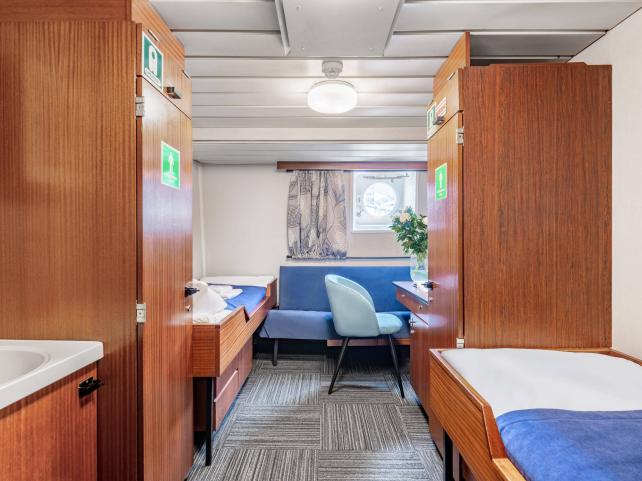
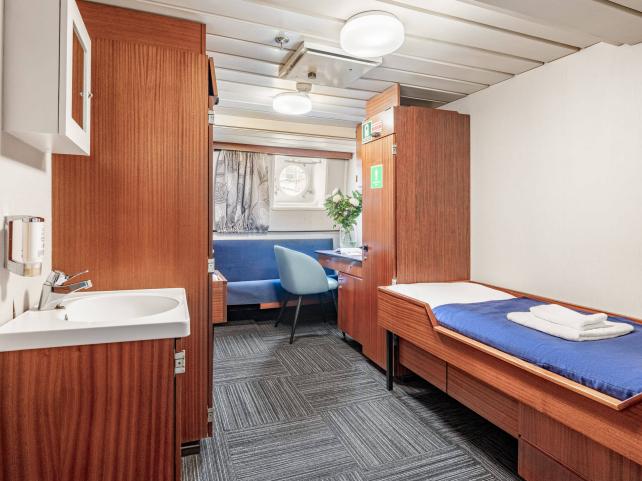
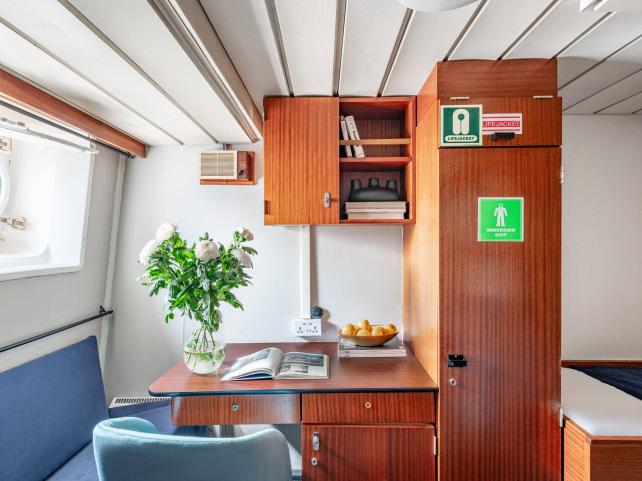
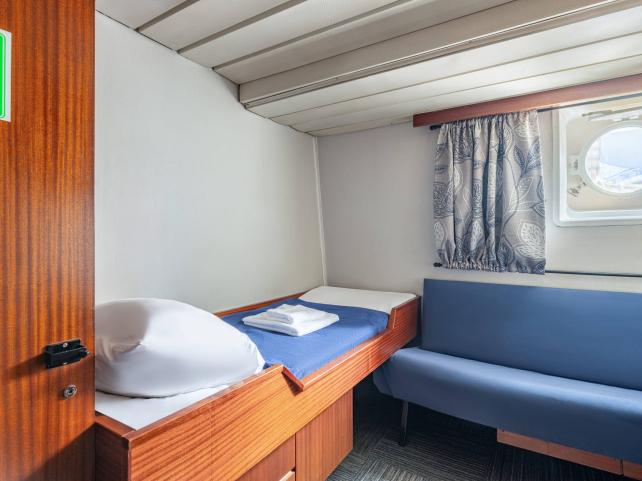
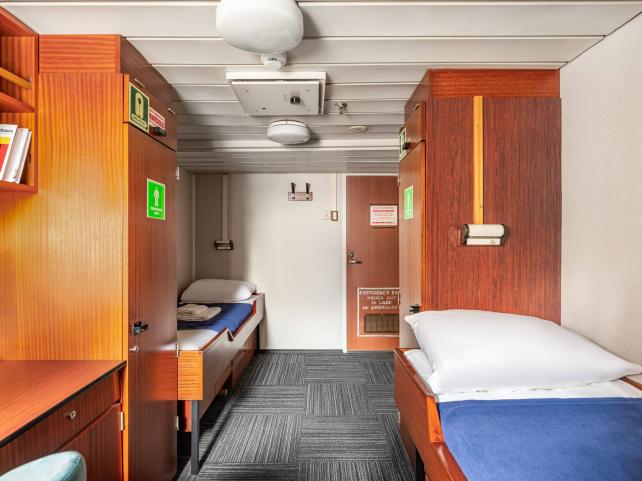
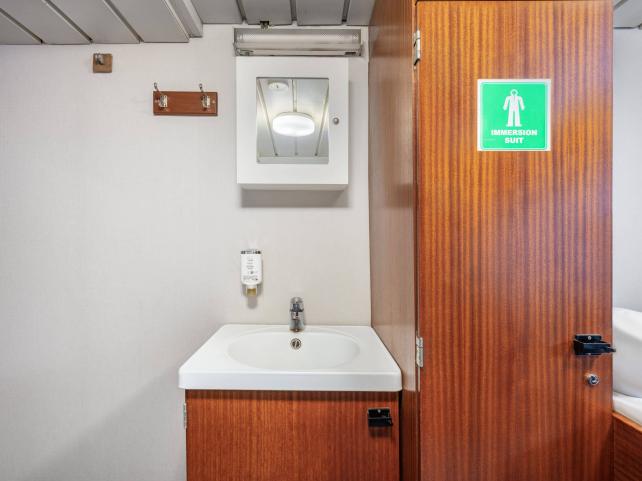
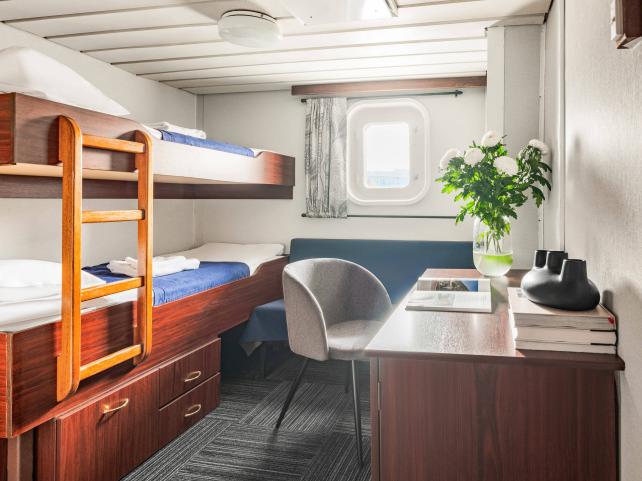
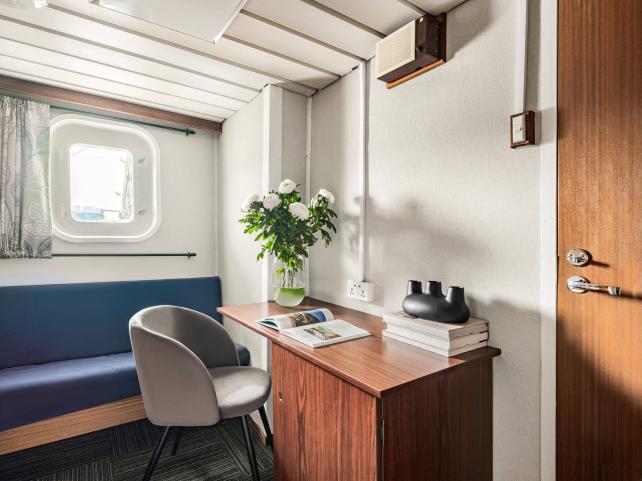
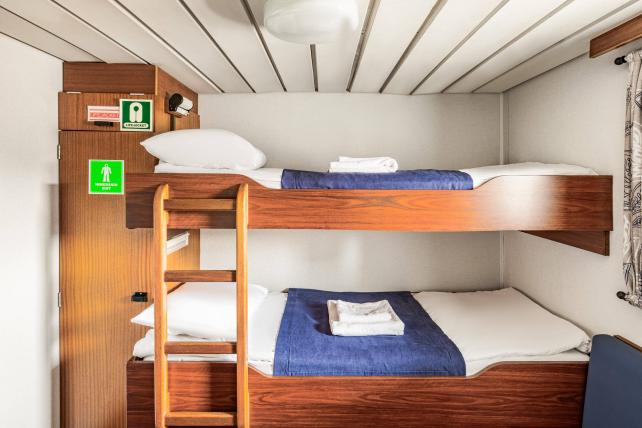
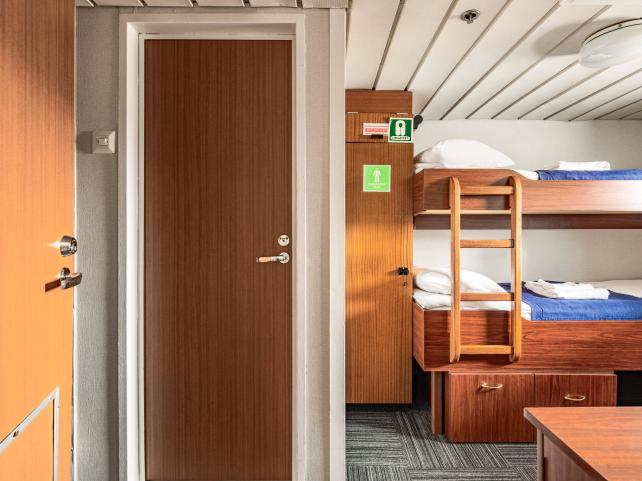
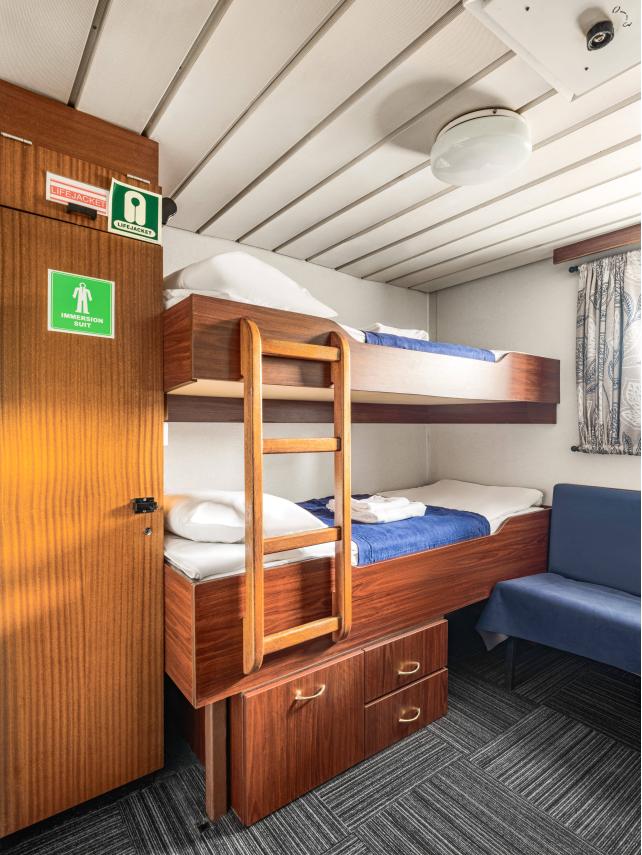
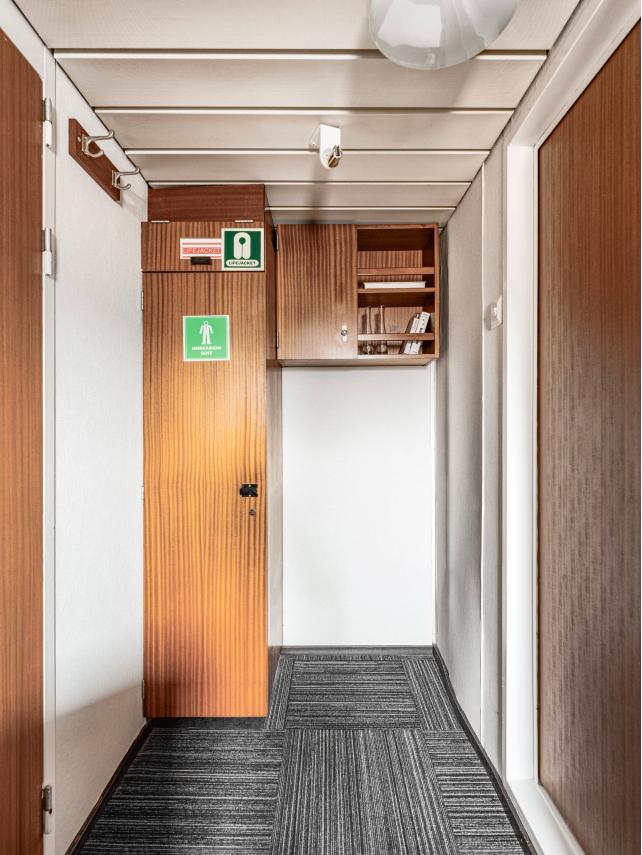
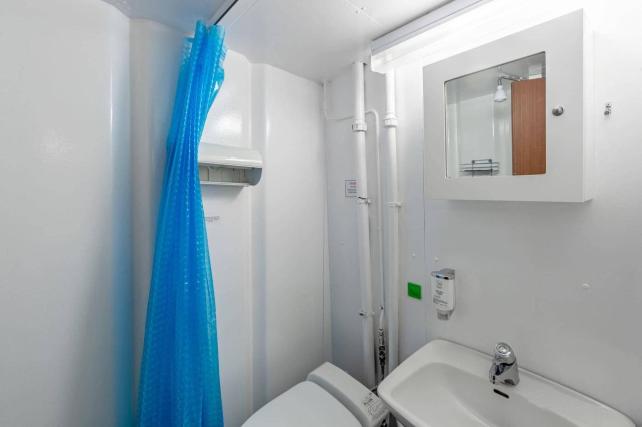
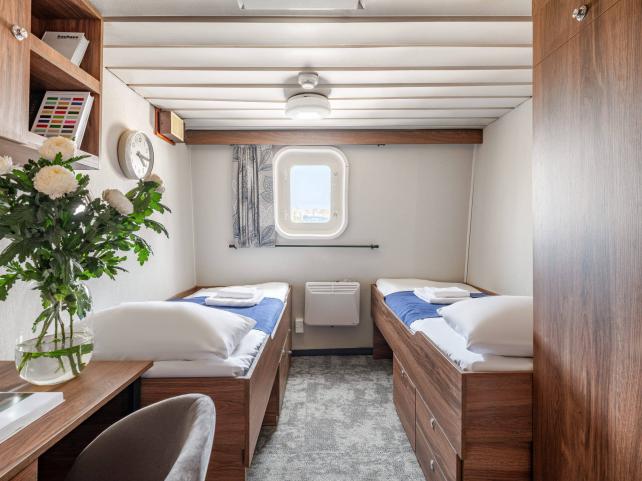
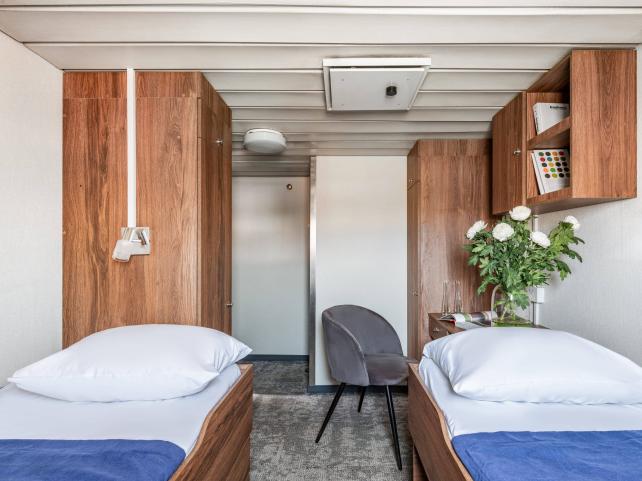
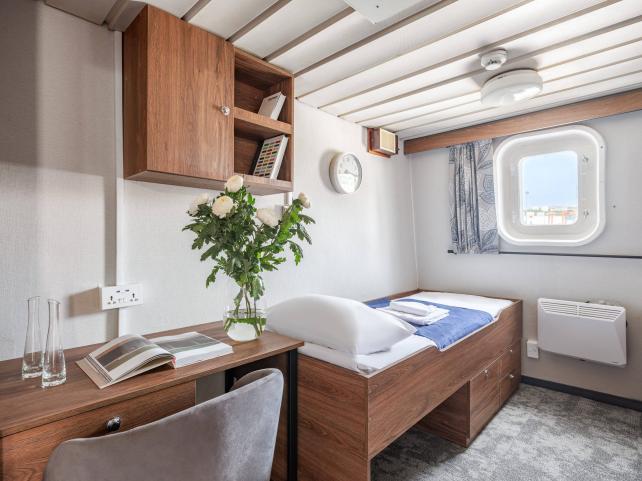
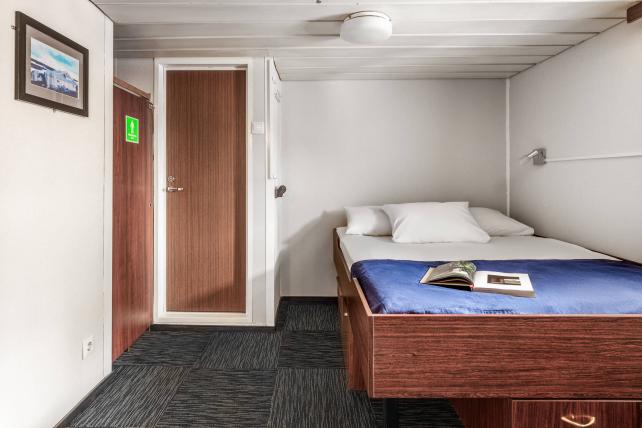
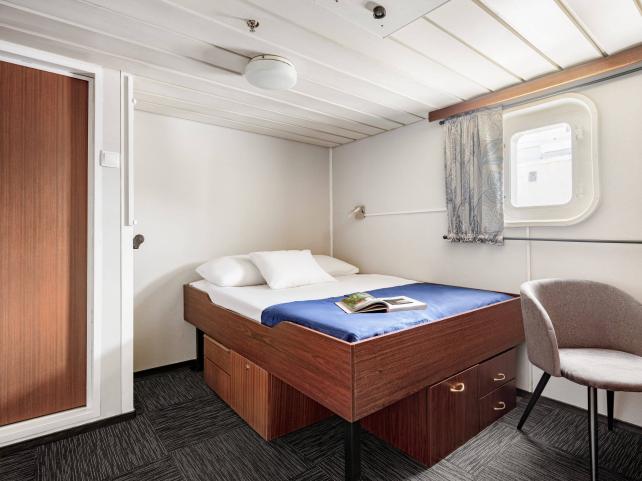
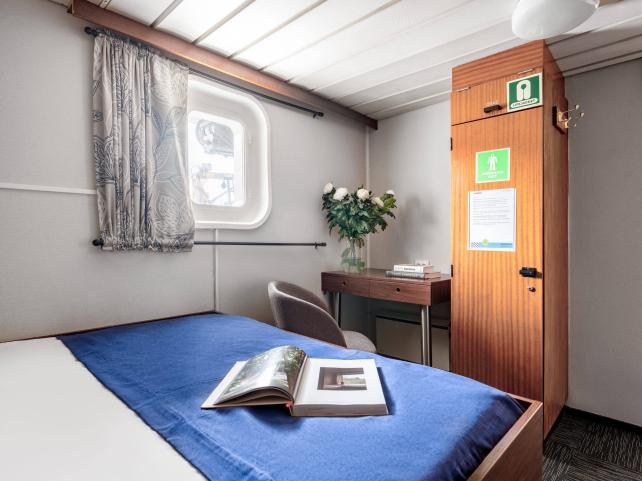
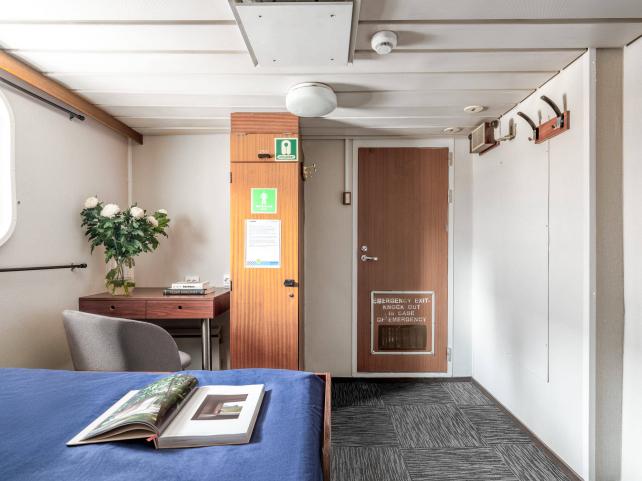
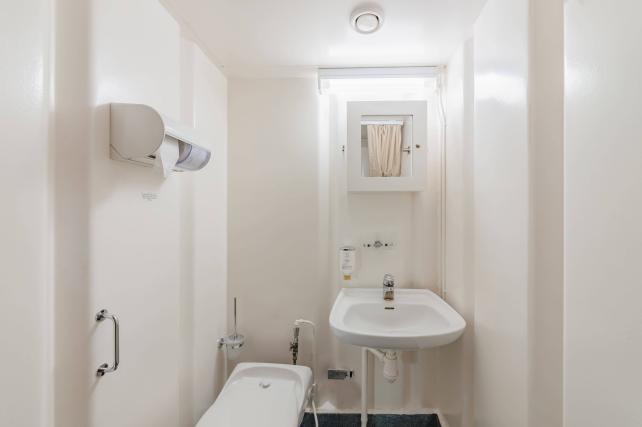
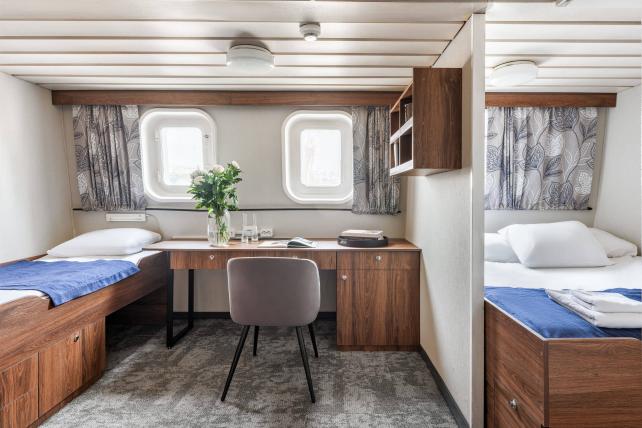
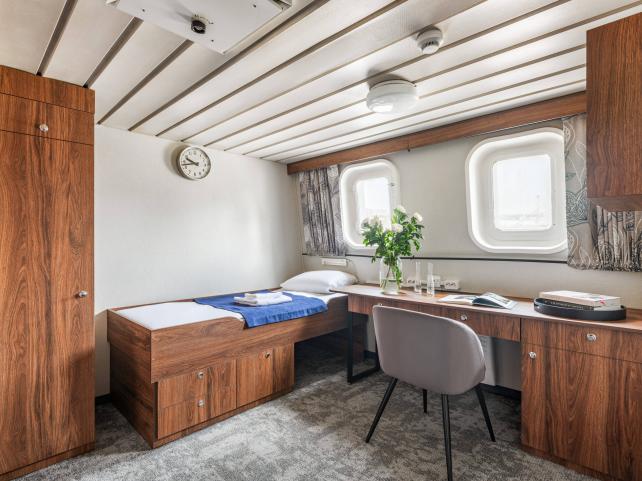
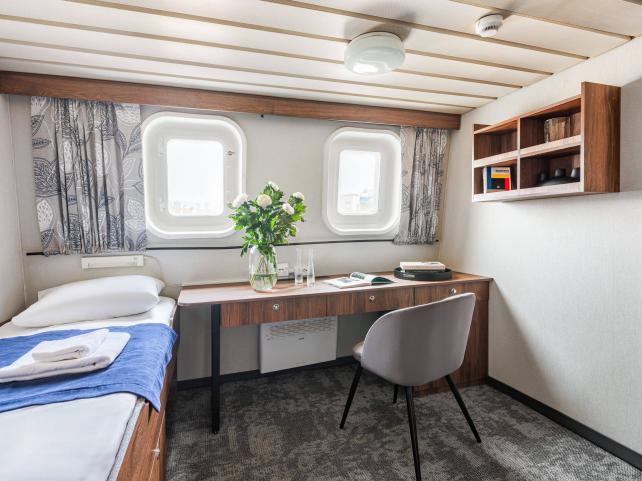
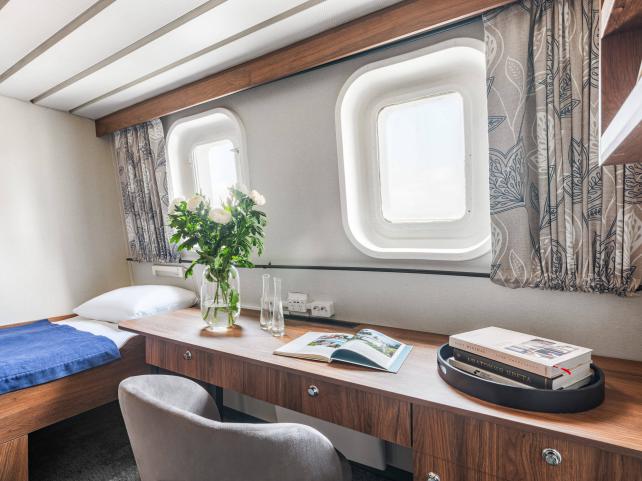
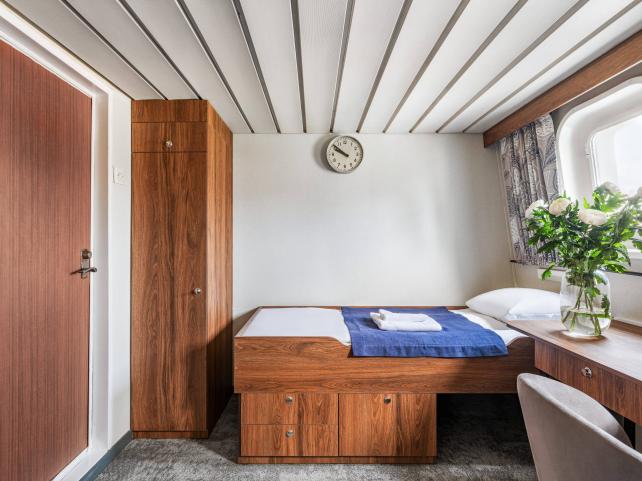
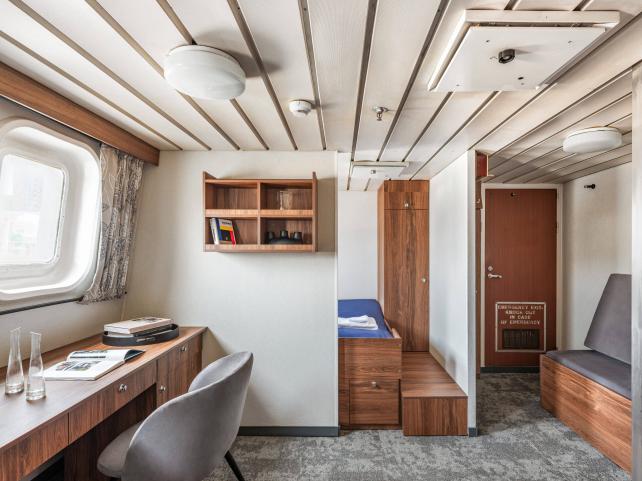
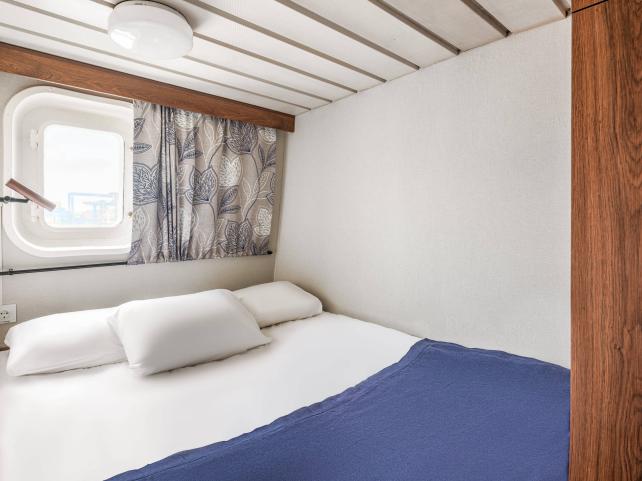
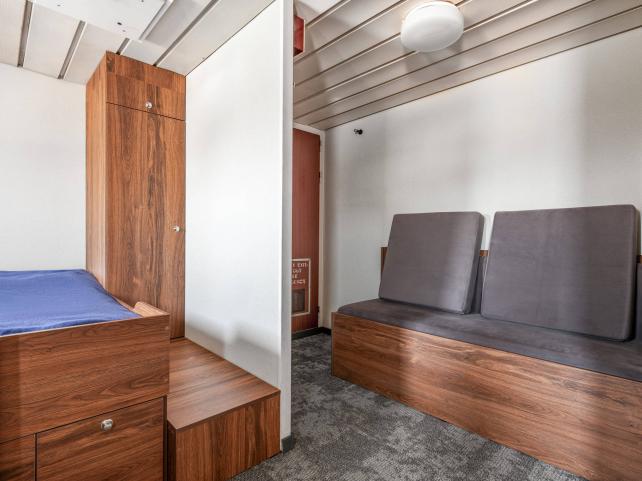
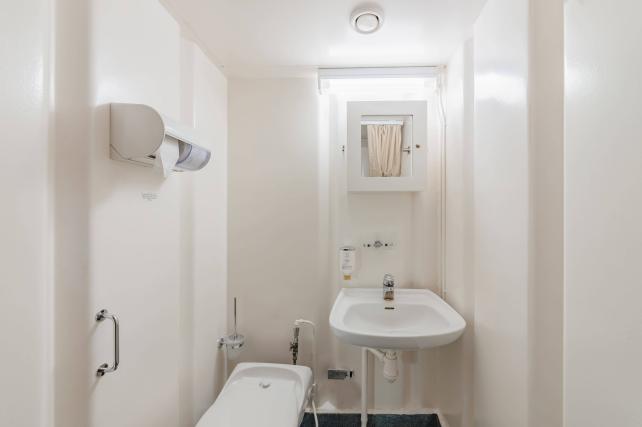
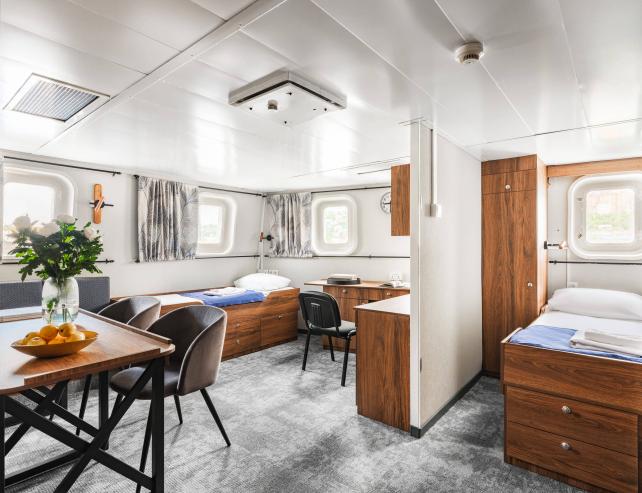
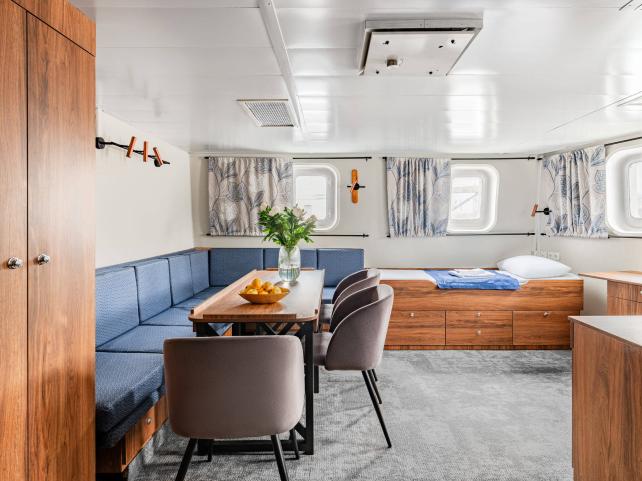
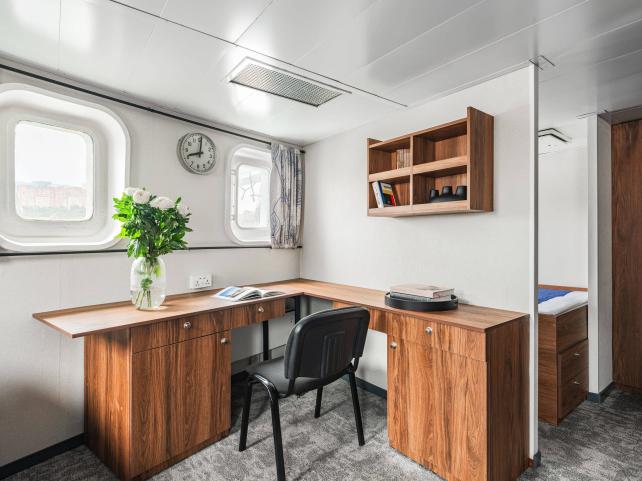
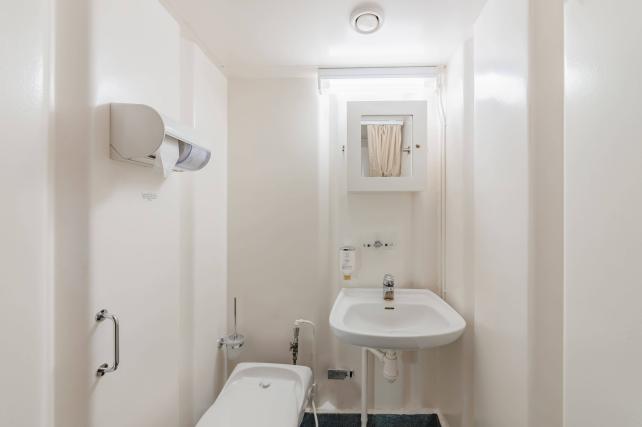
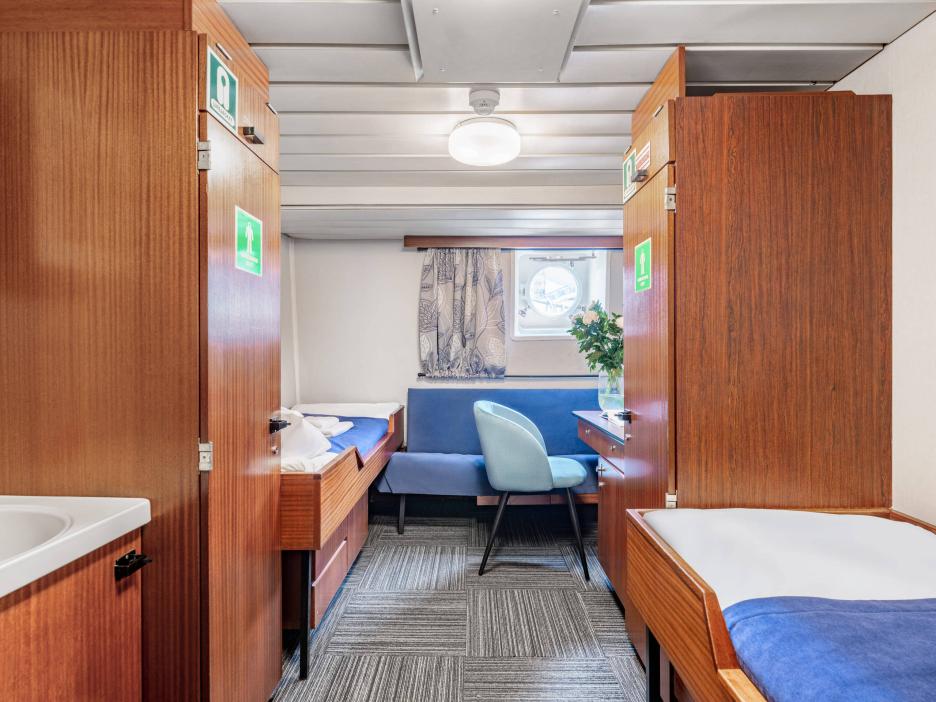
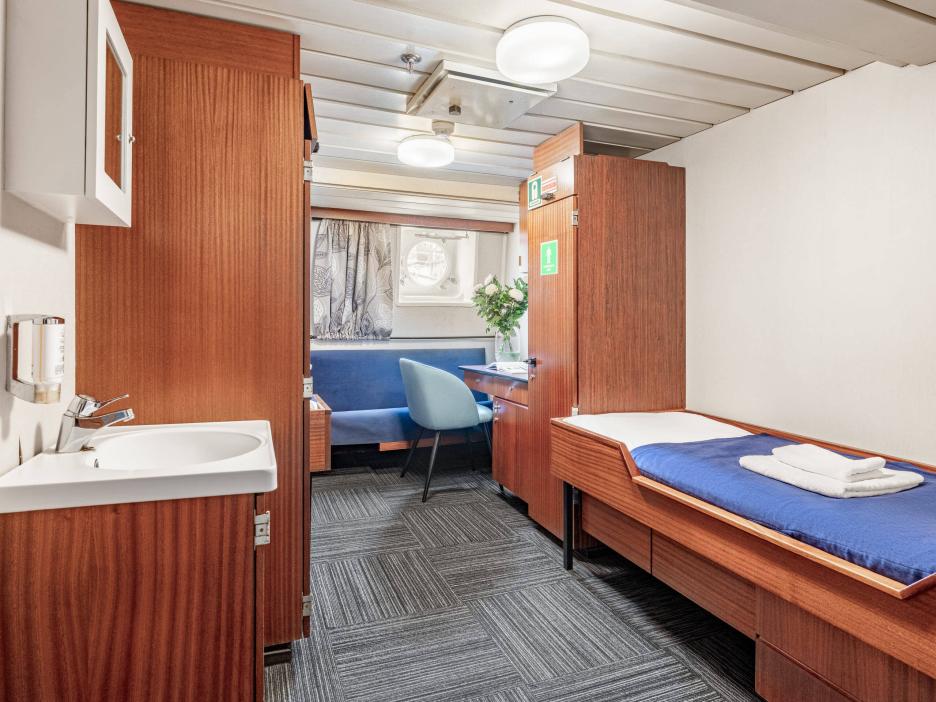
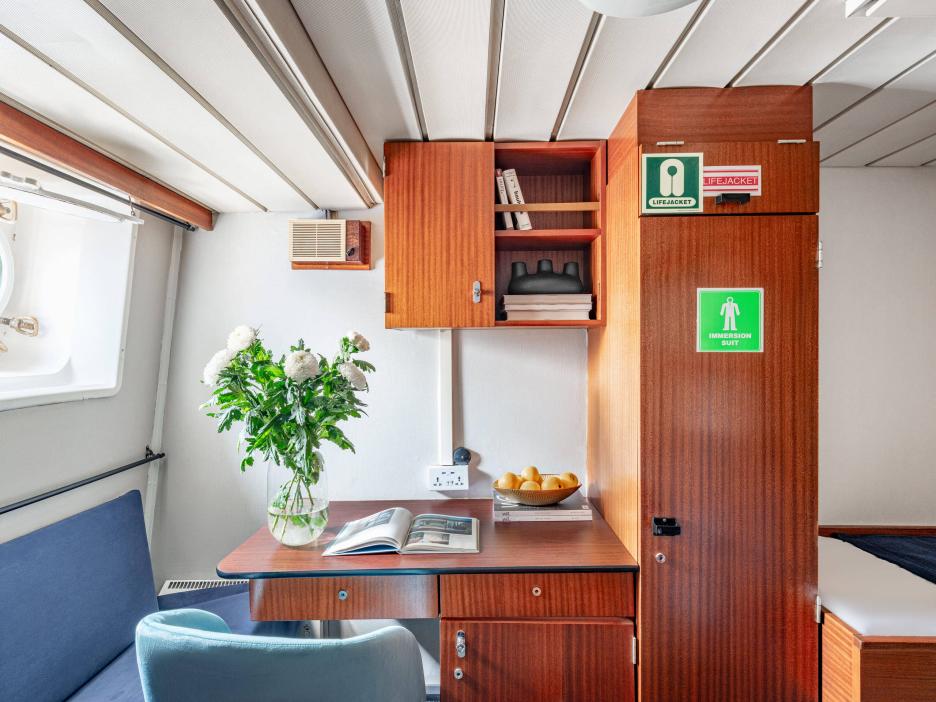
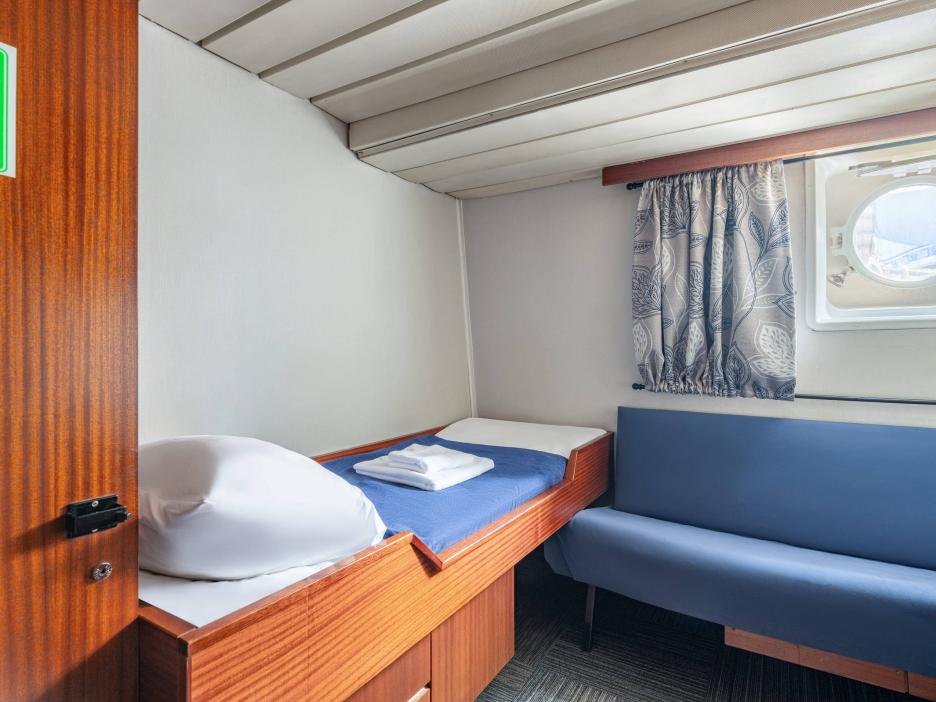
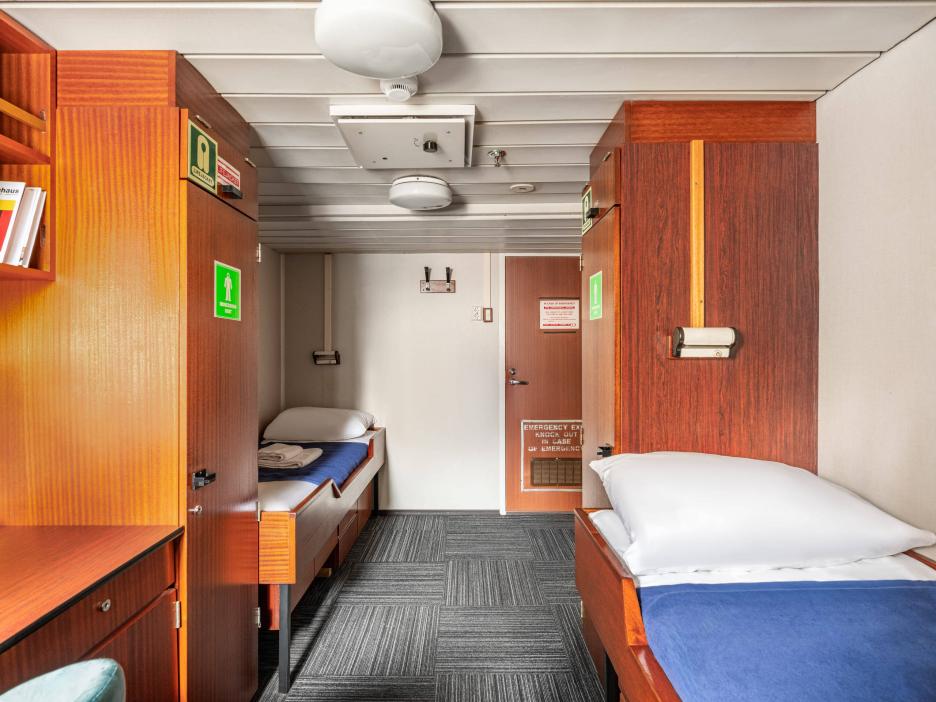
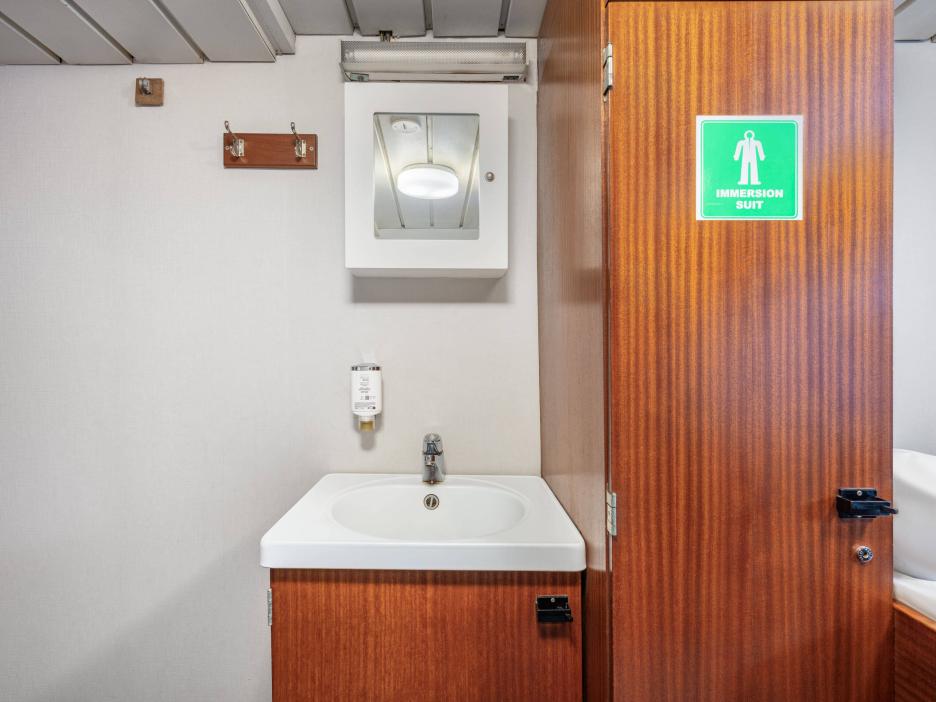
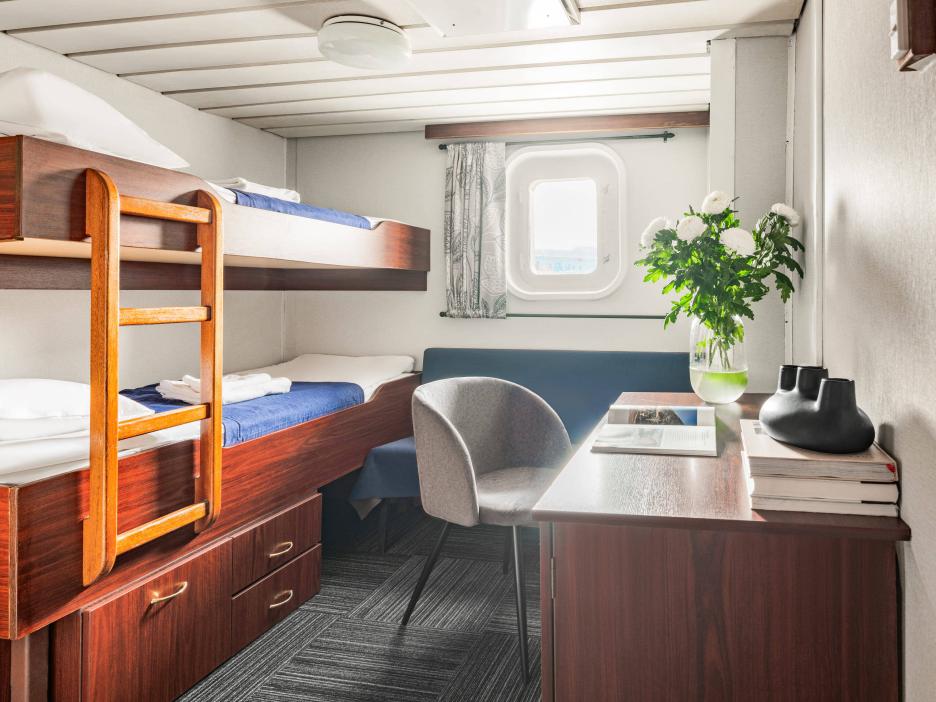
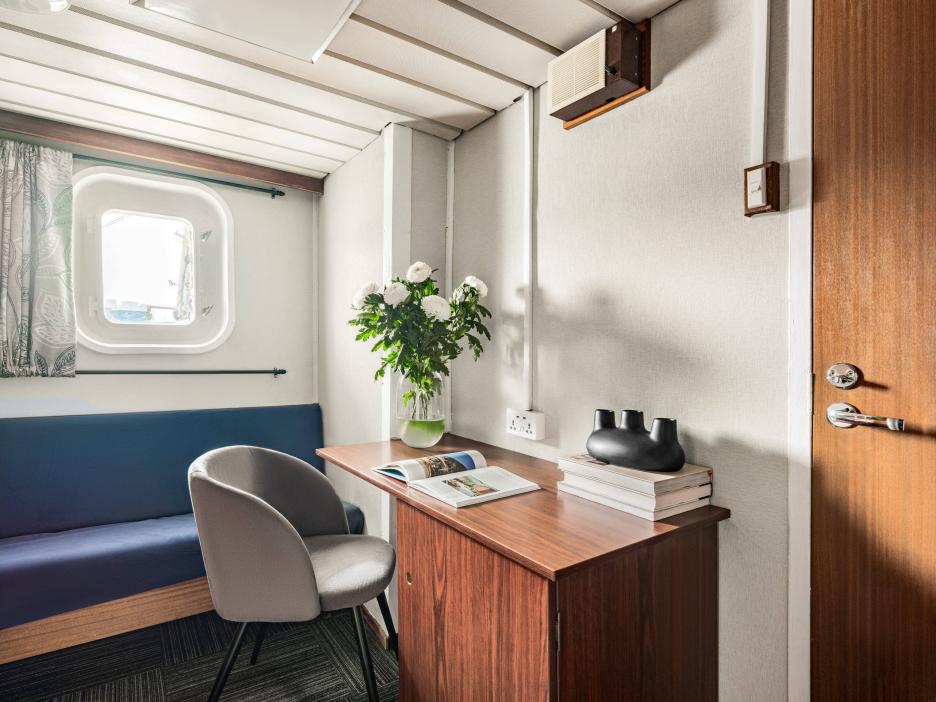
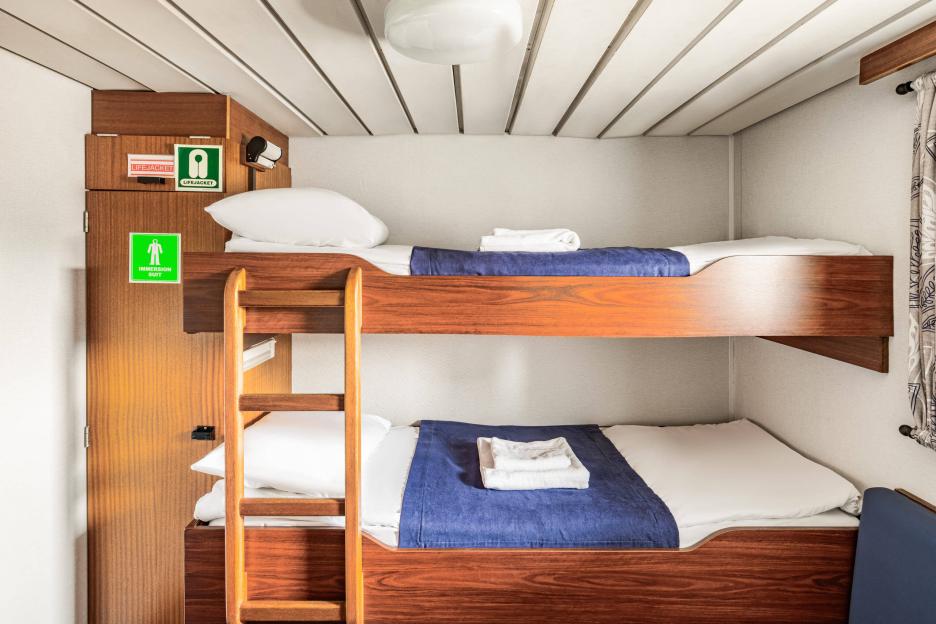
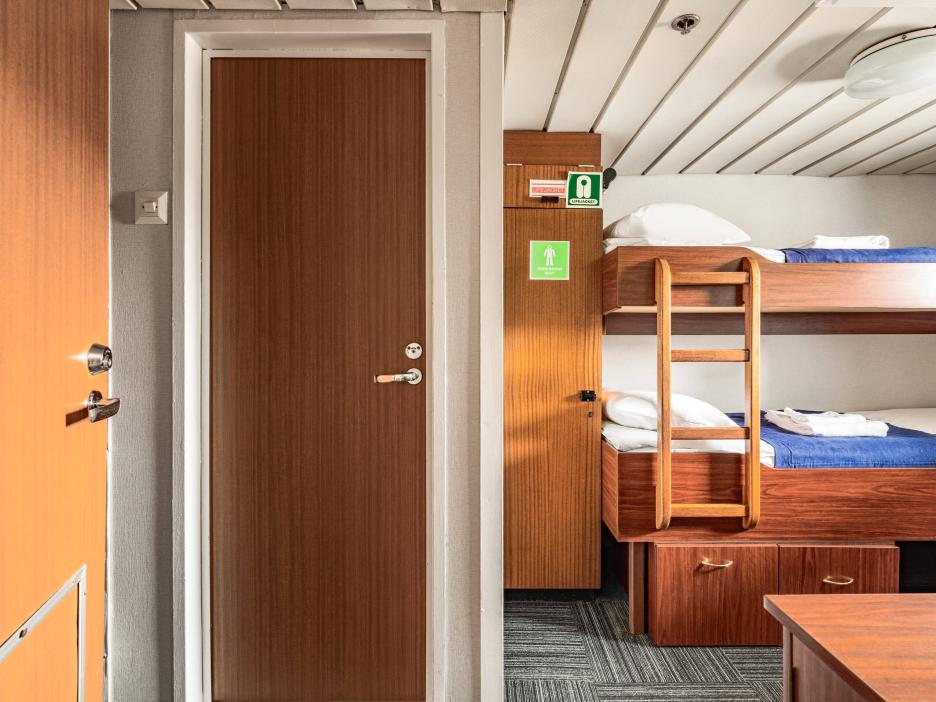
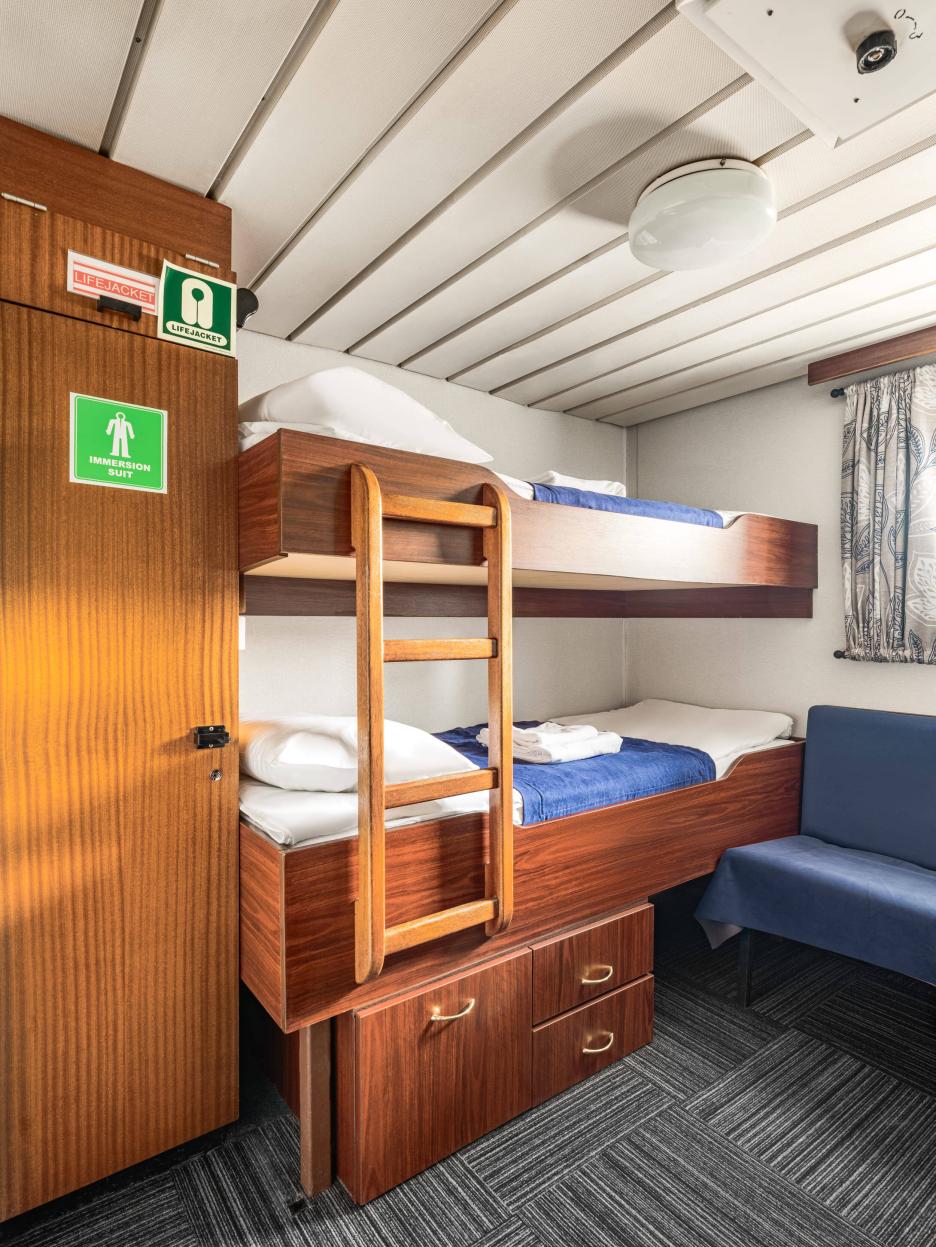
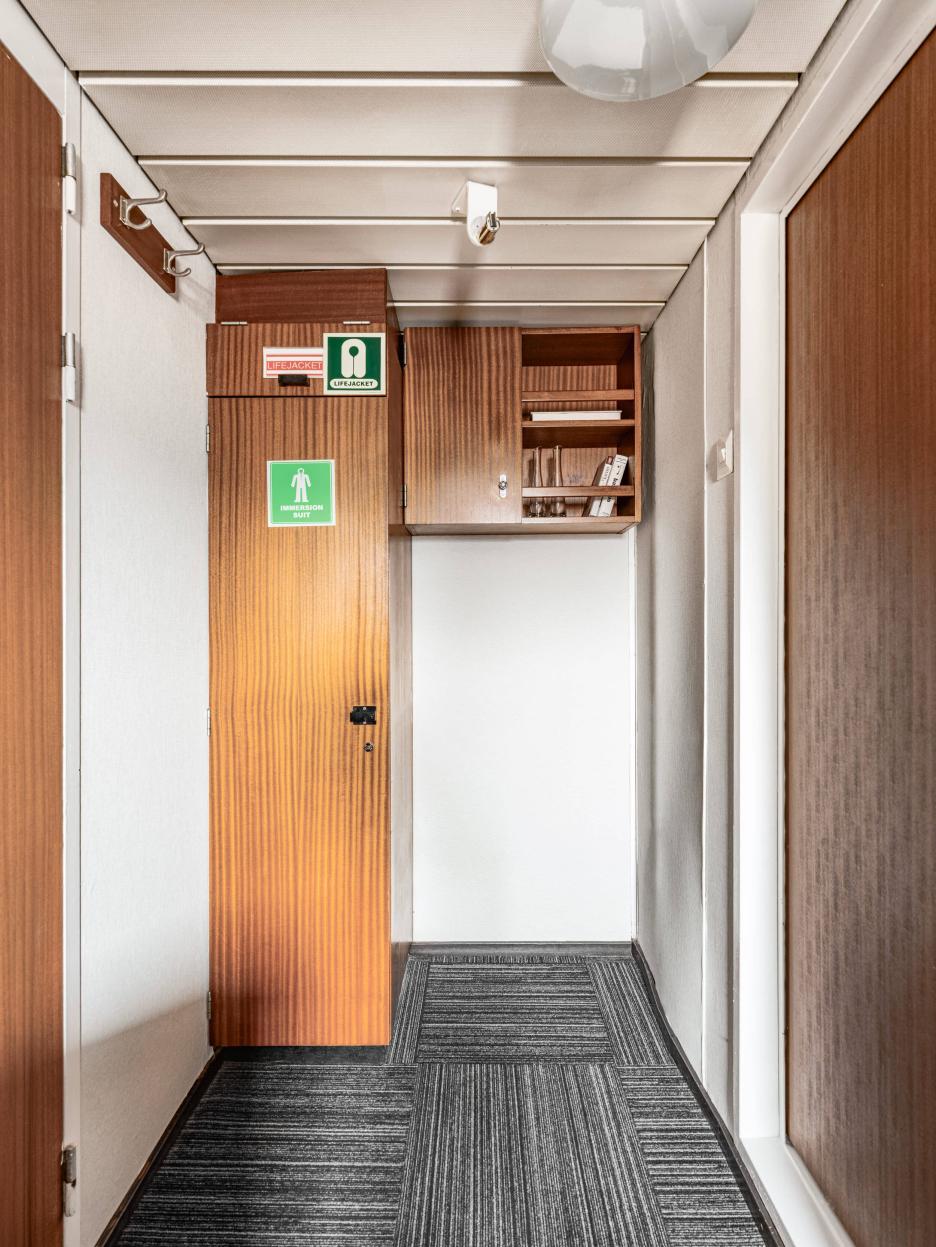
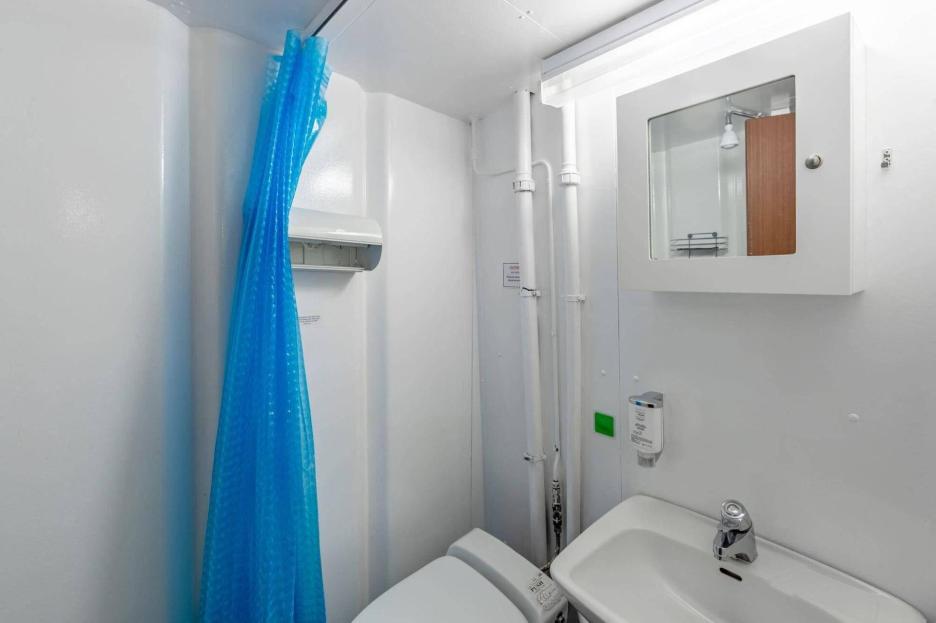
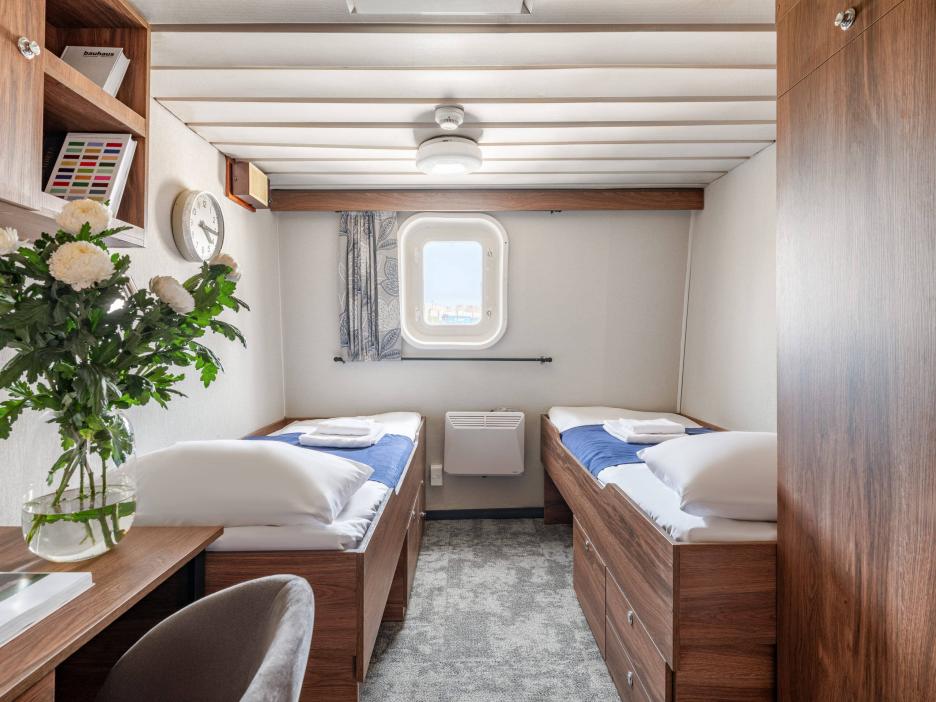
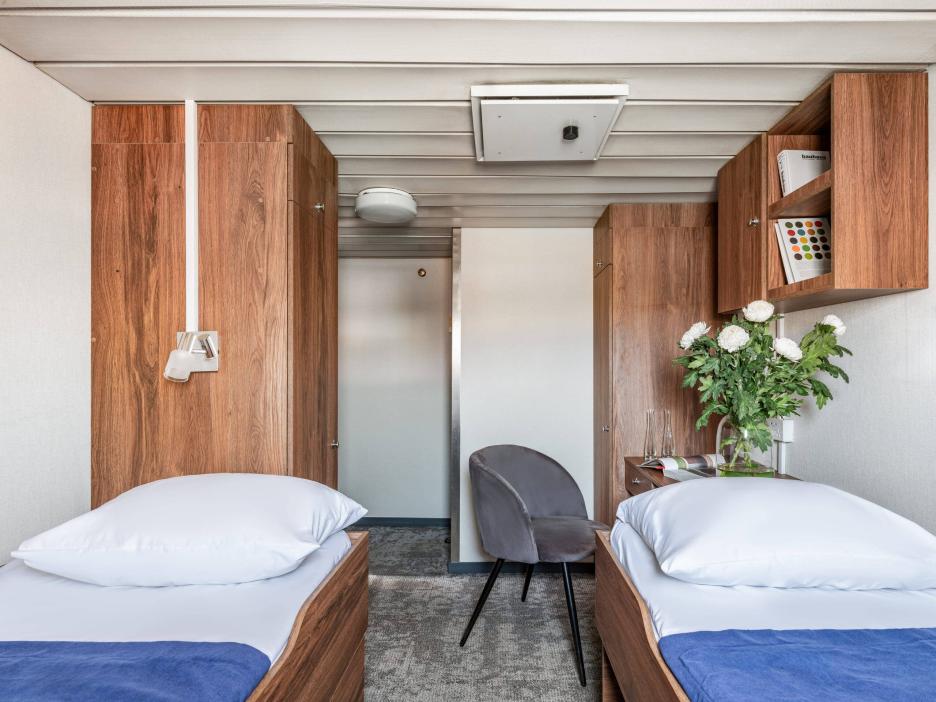
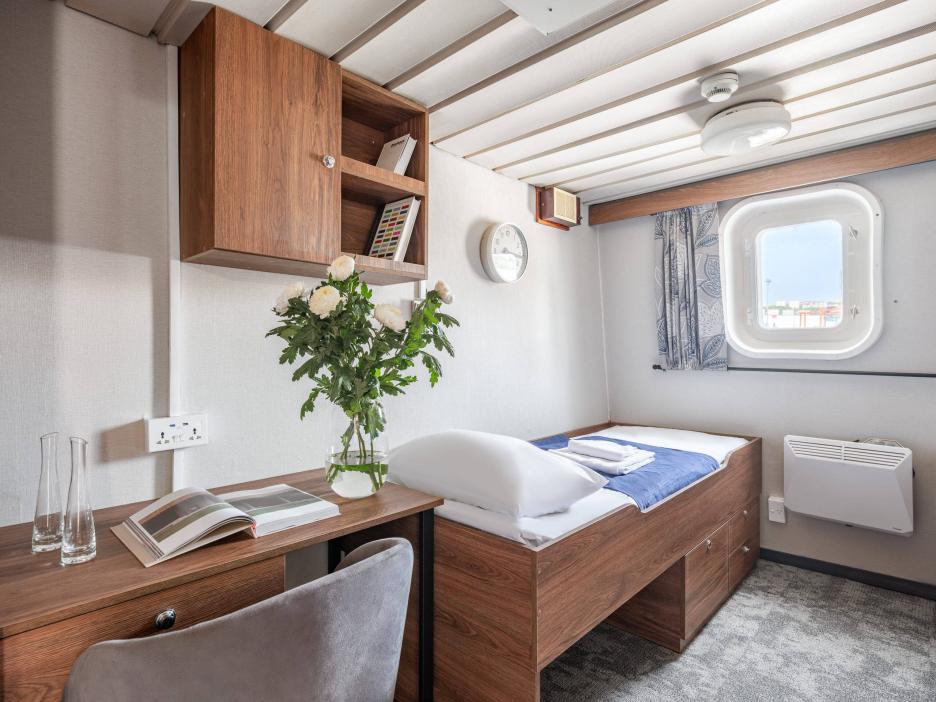
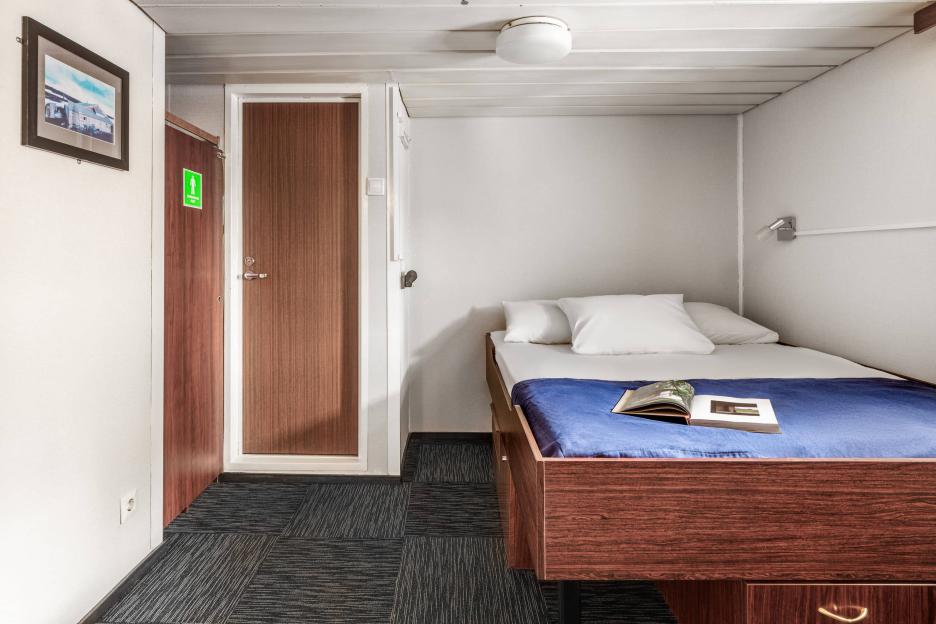
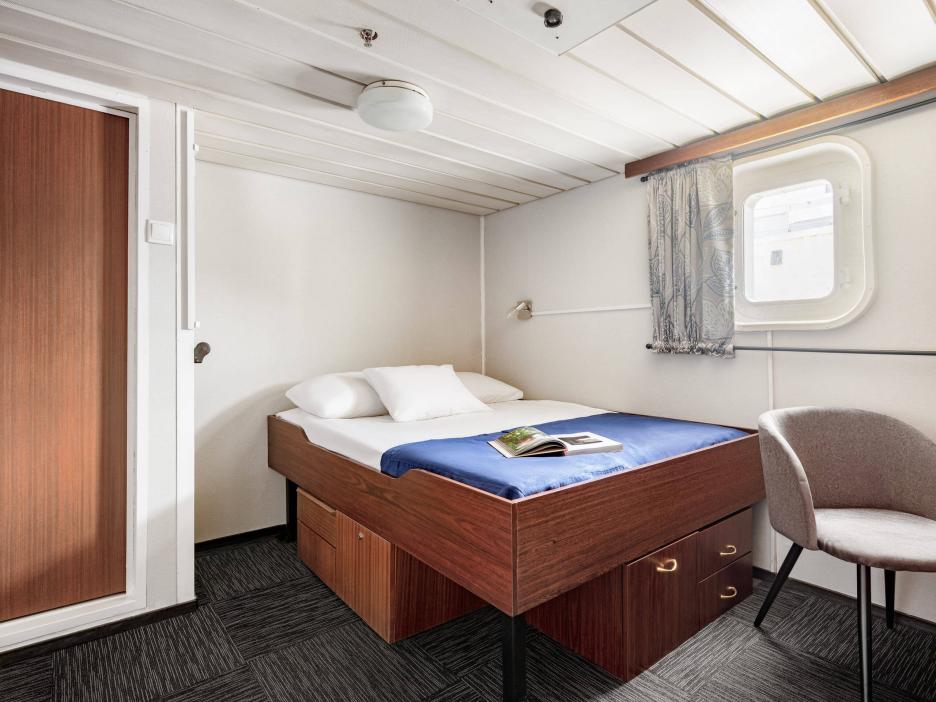
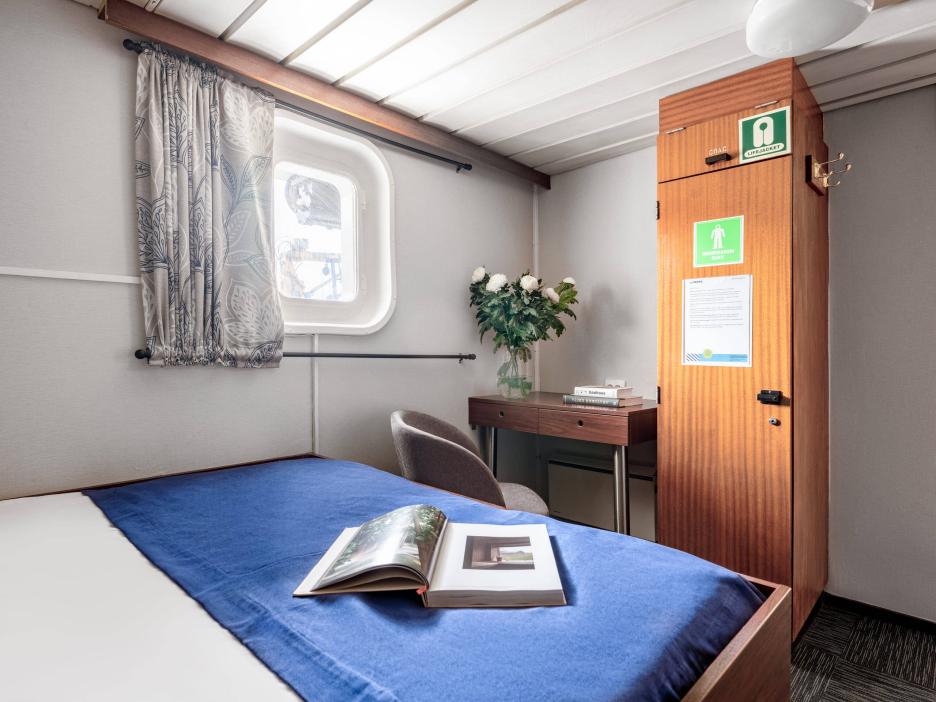
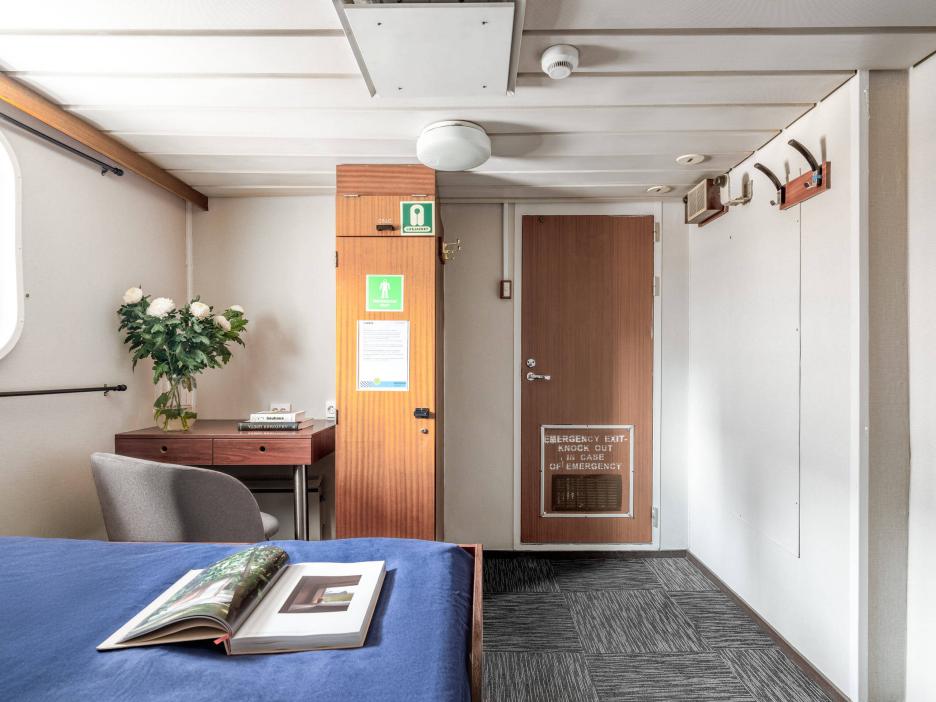
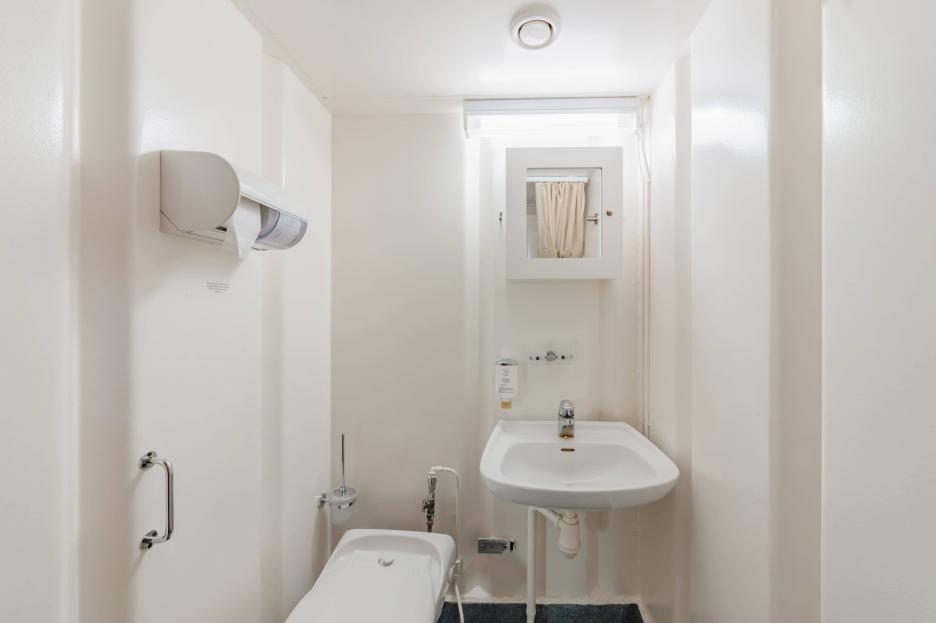
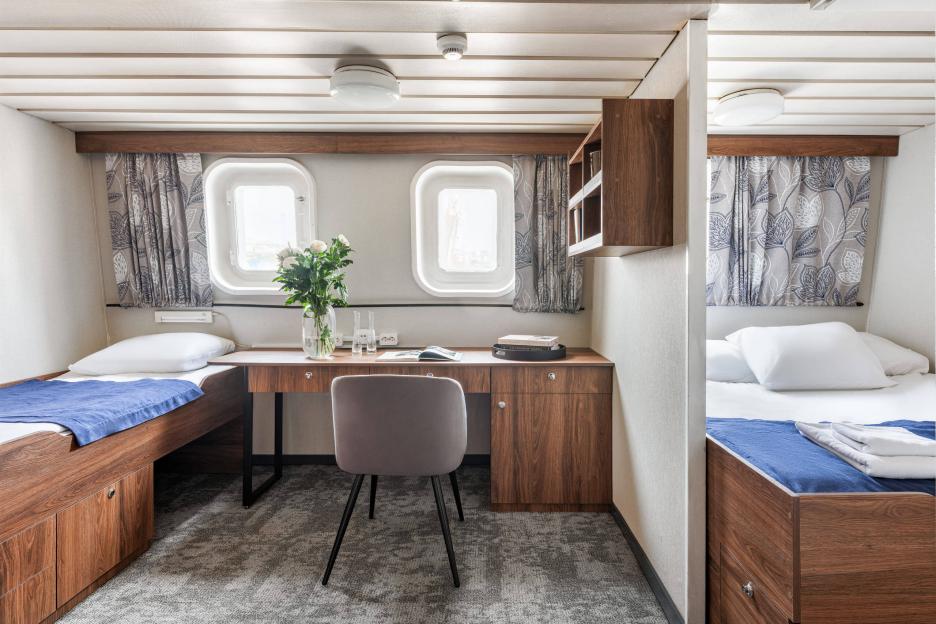
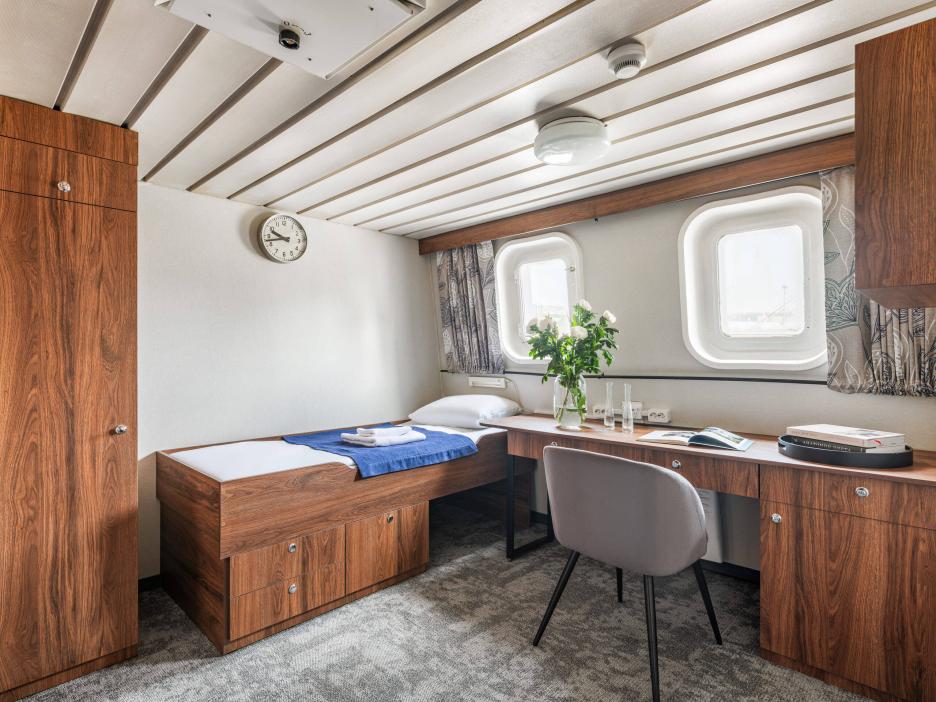
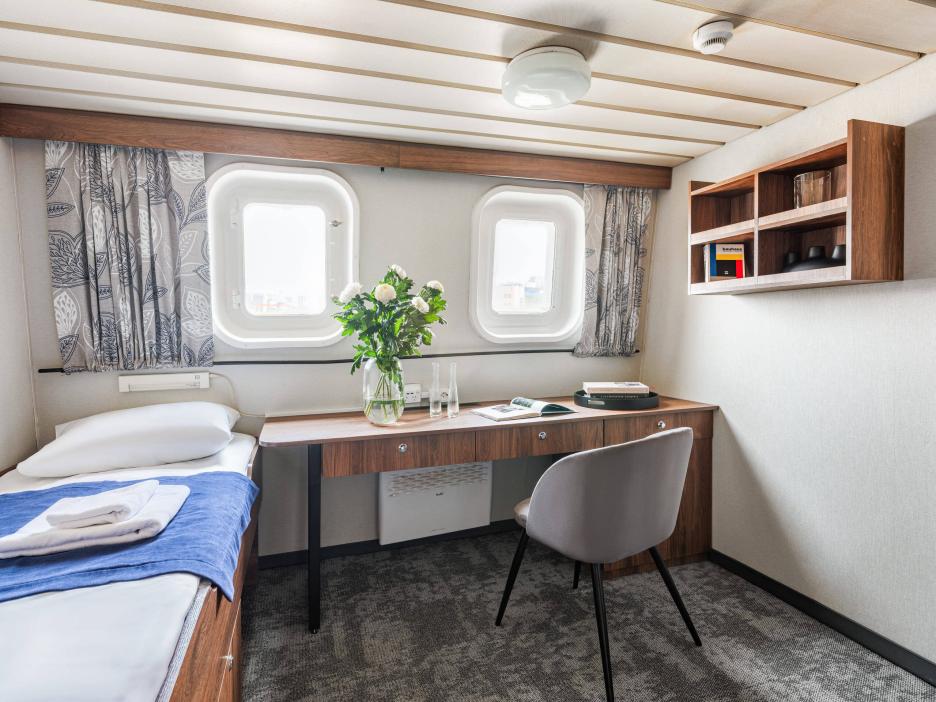
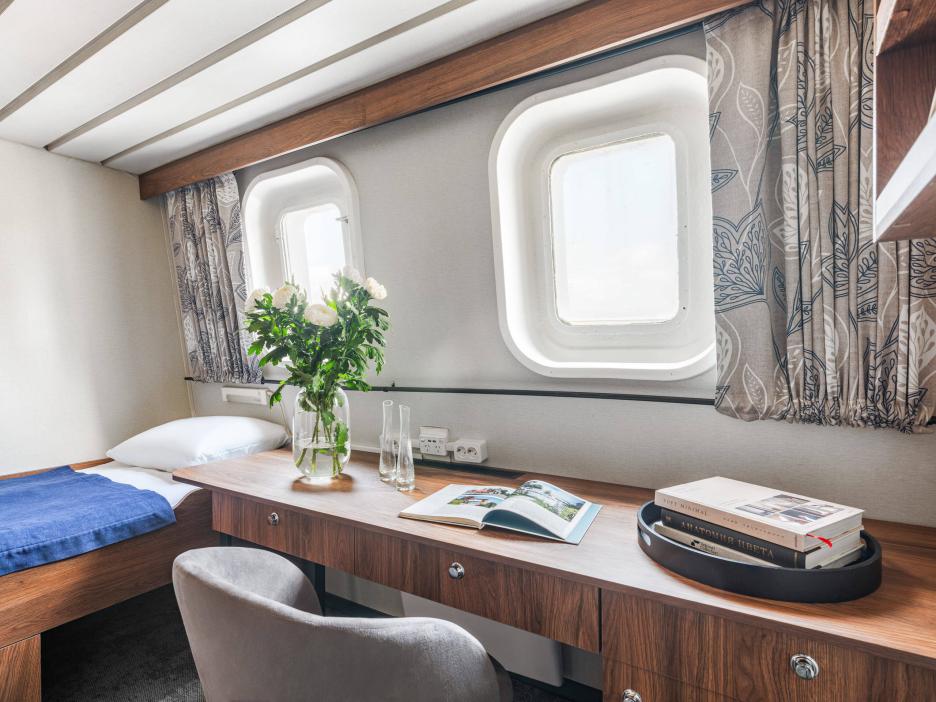
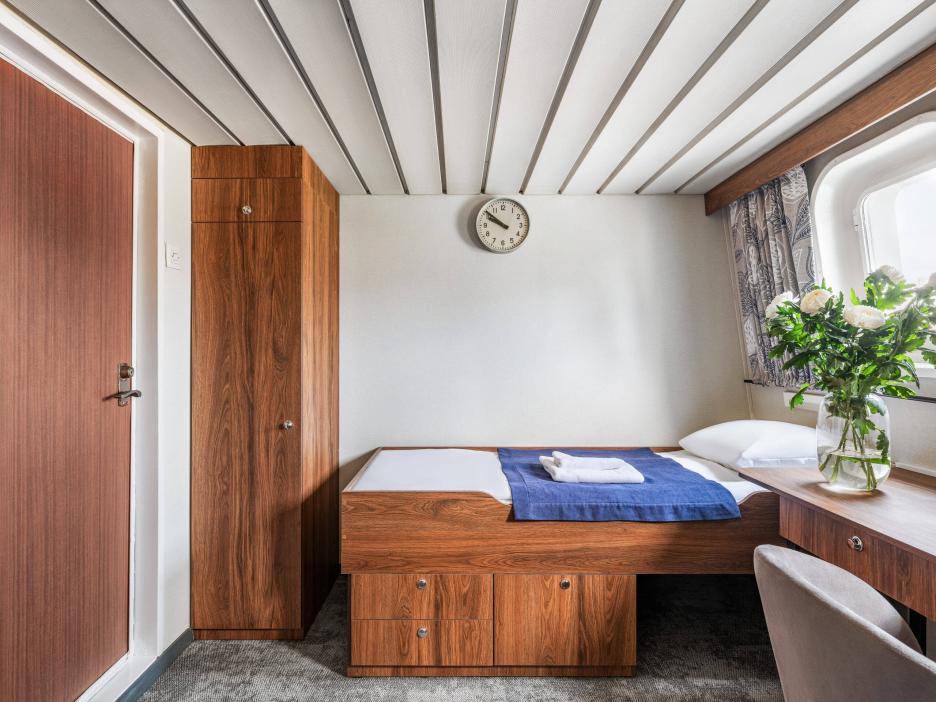
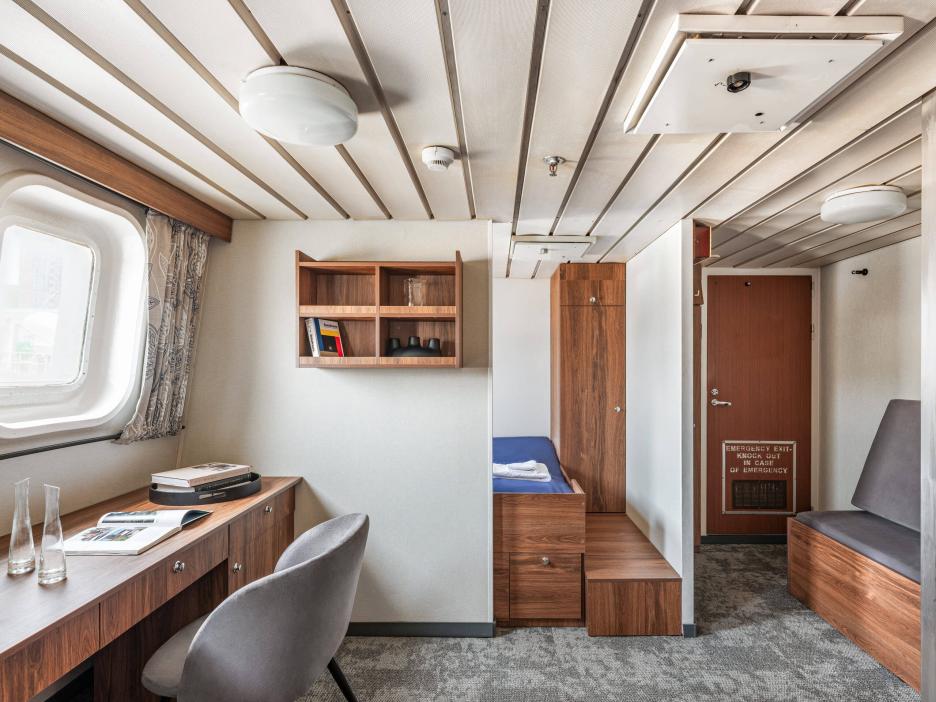
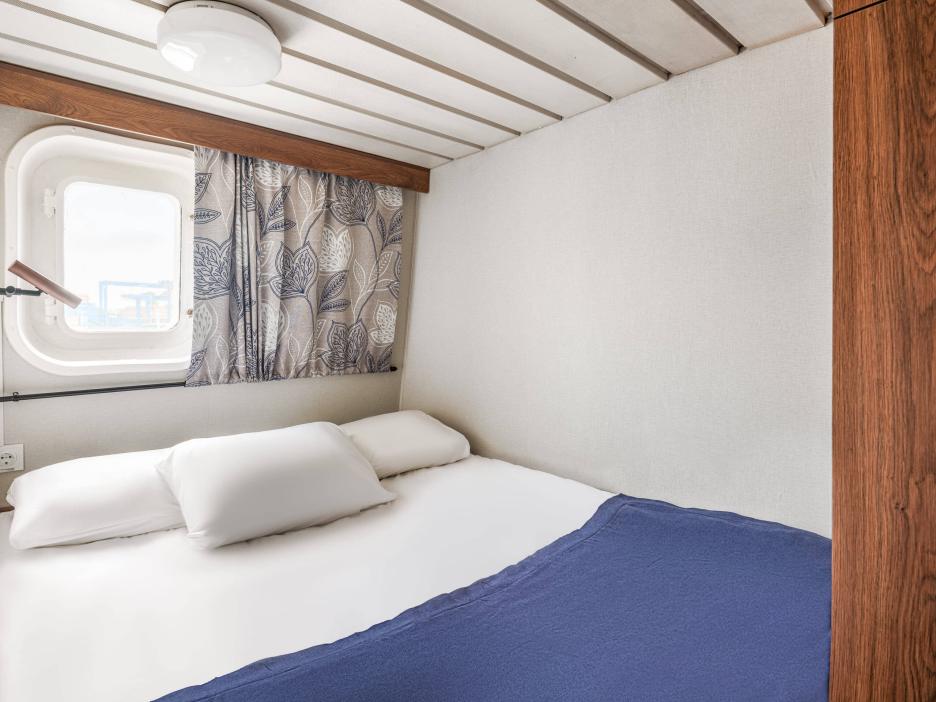
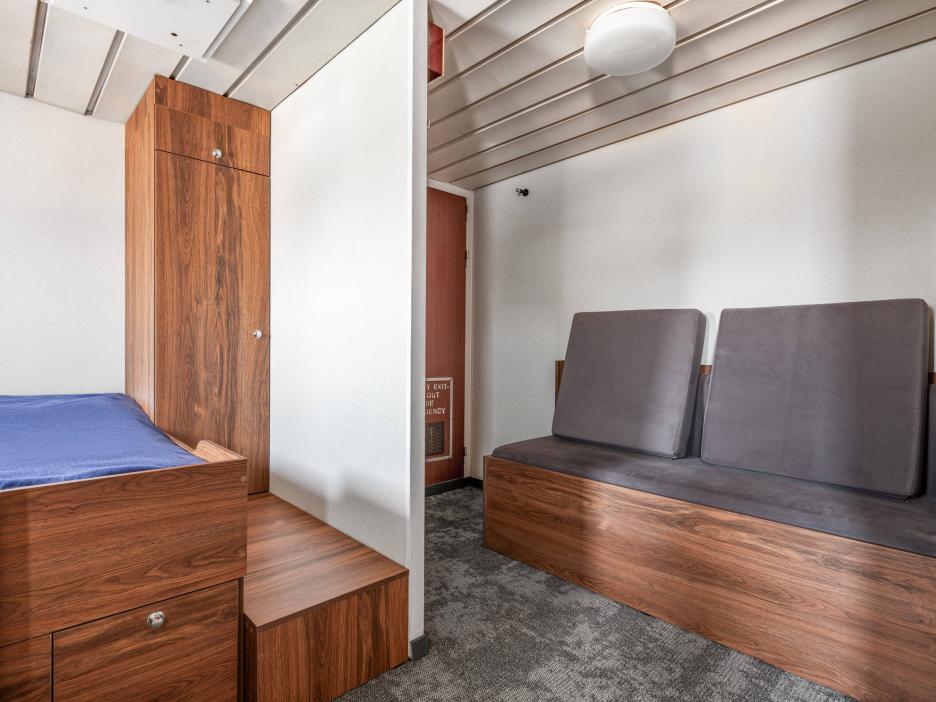
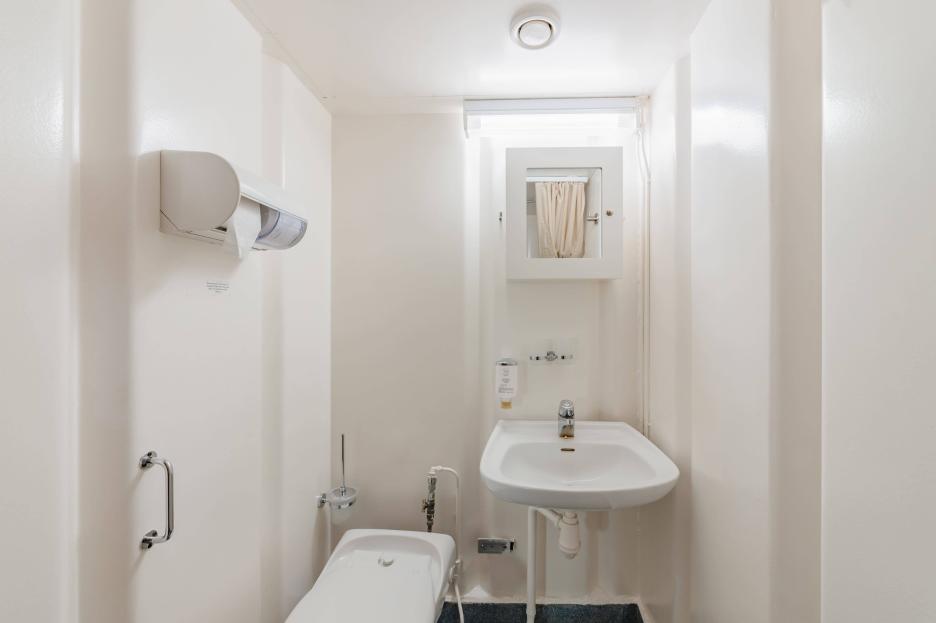
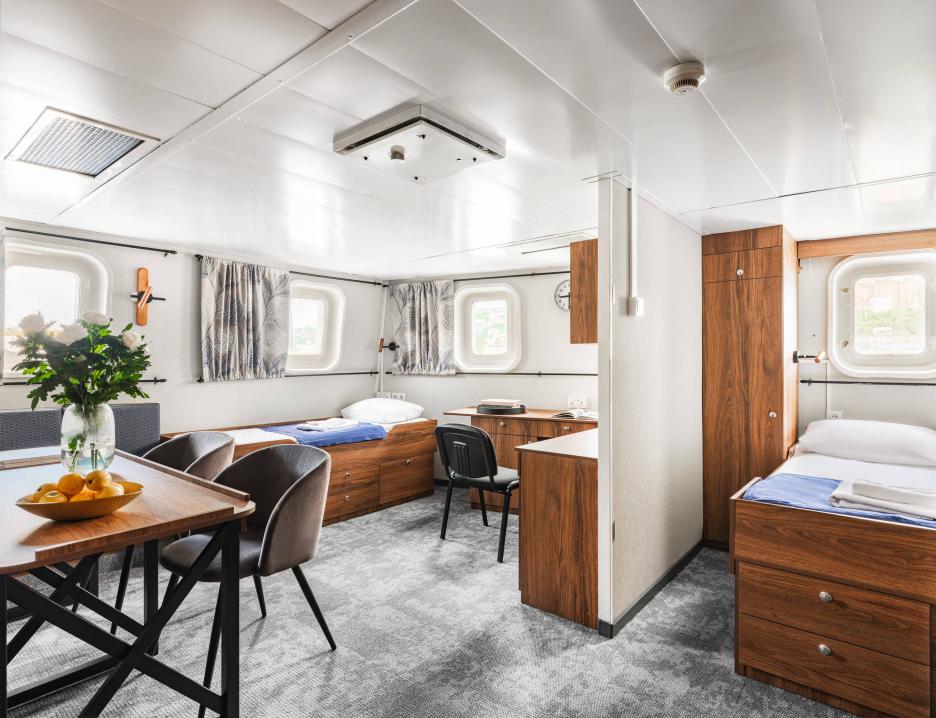
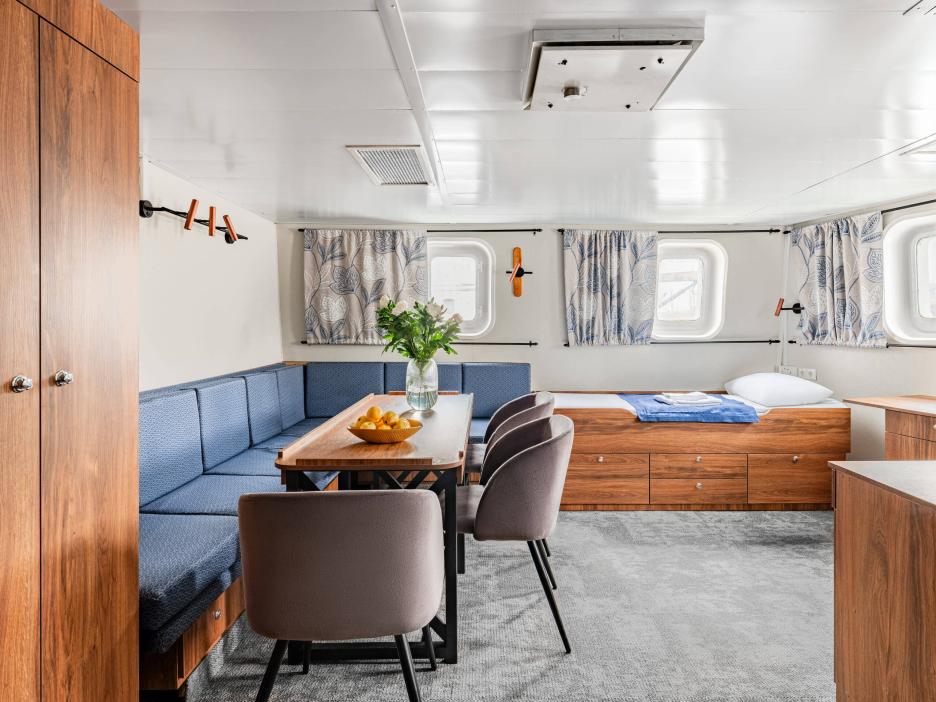
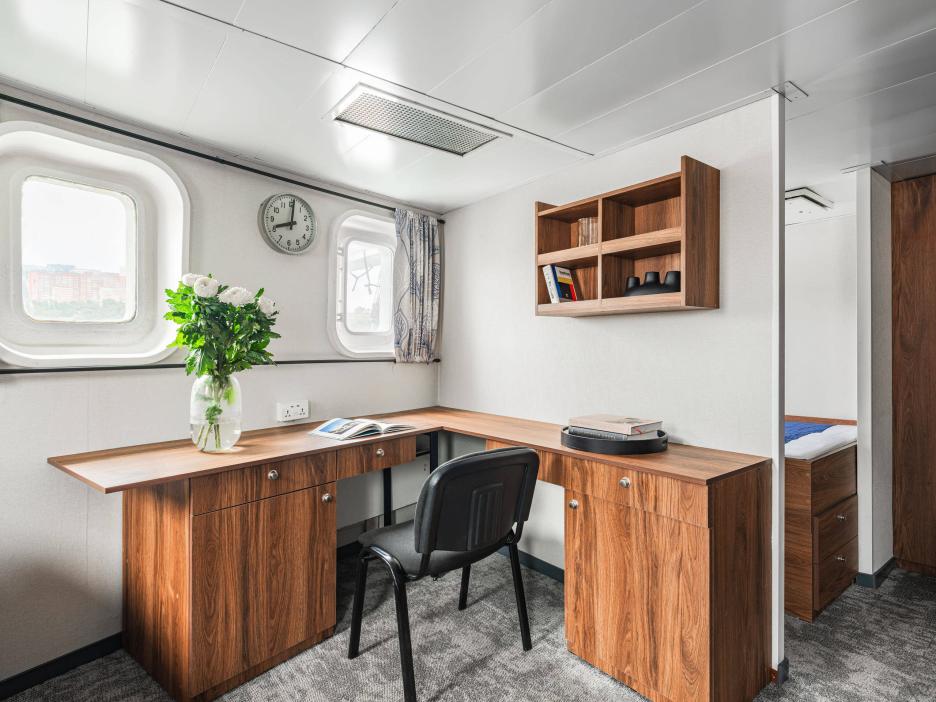
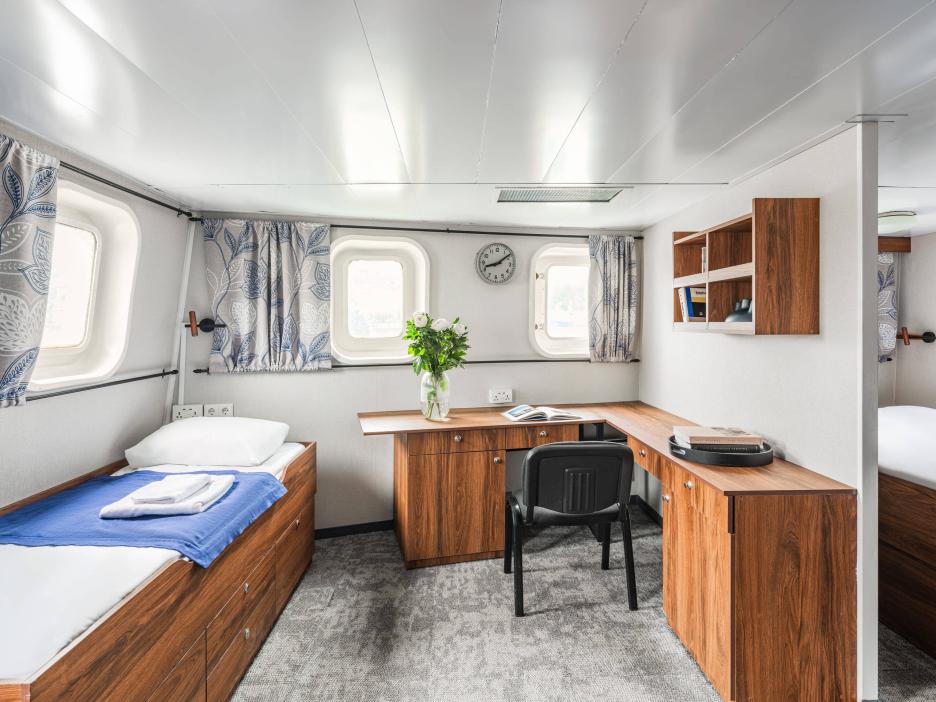
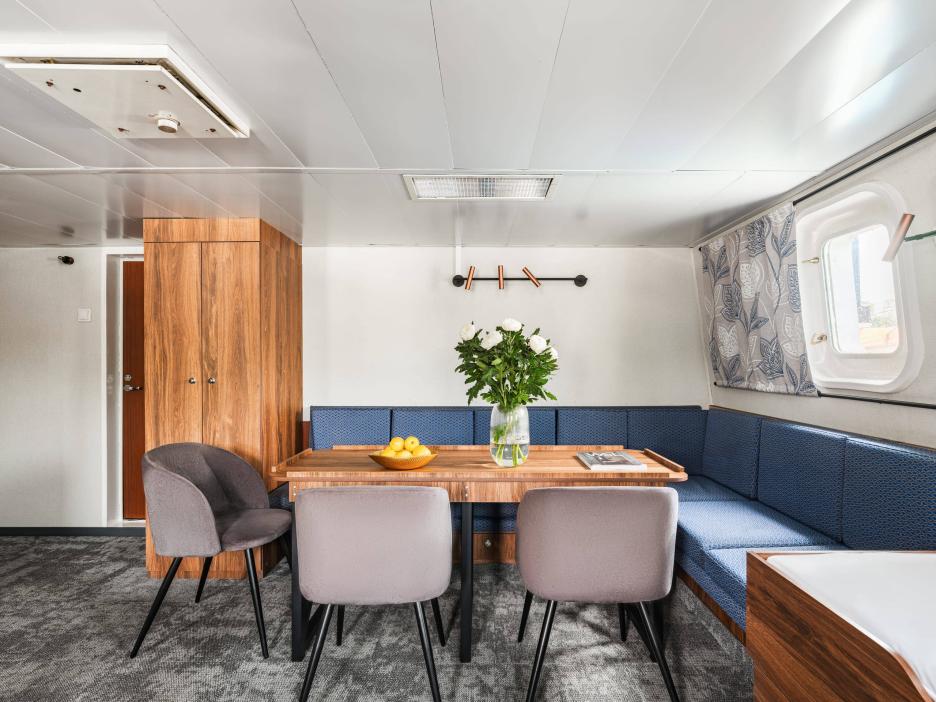
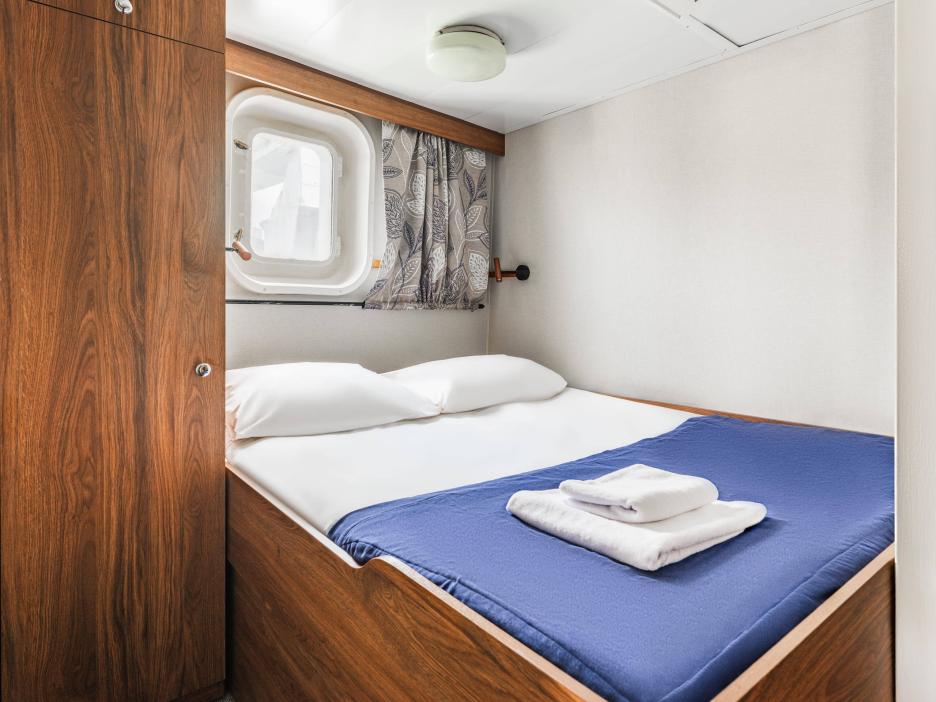
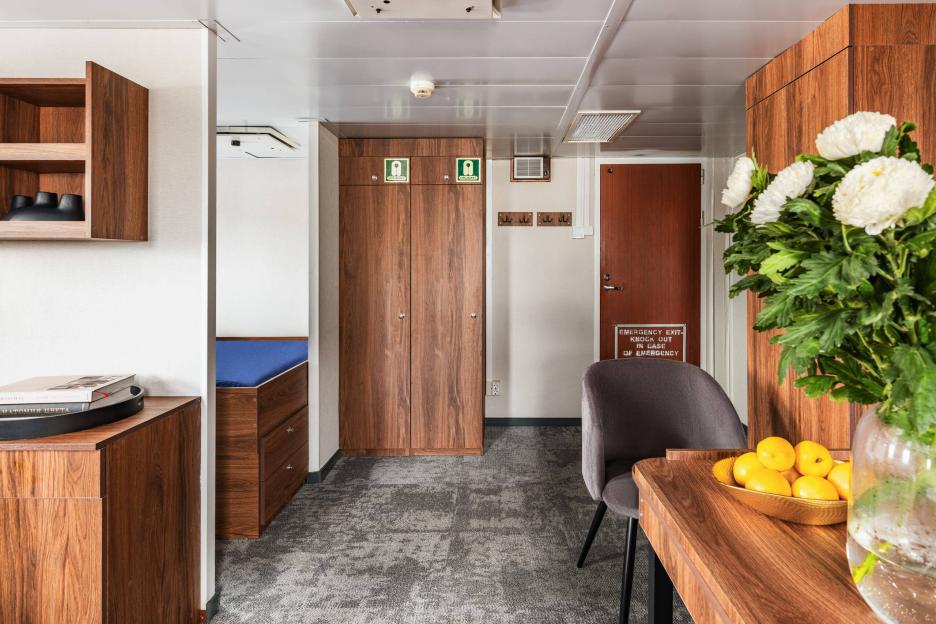
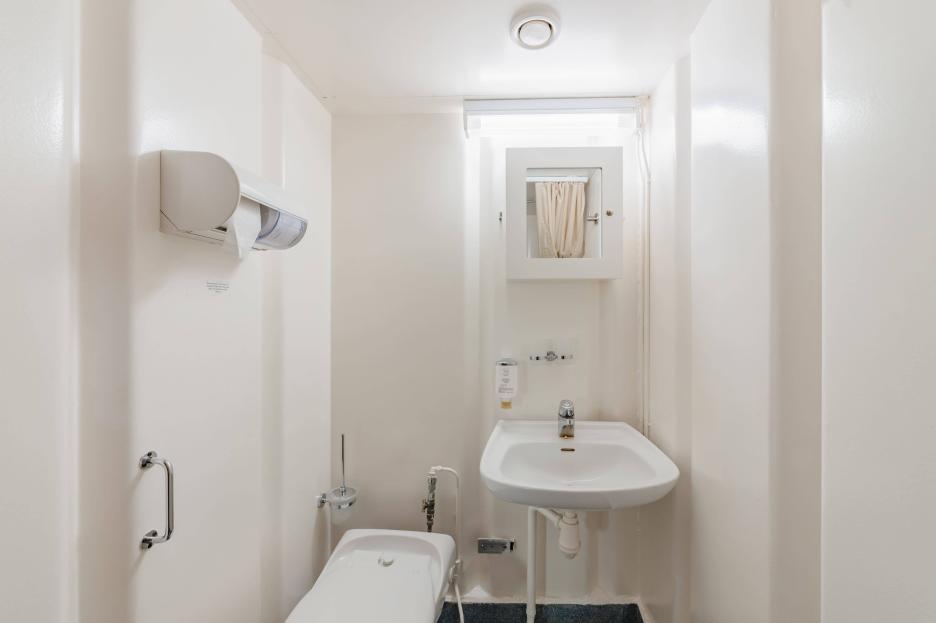
Small vessel, some cabins may have shared facilities
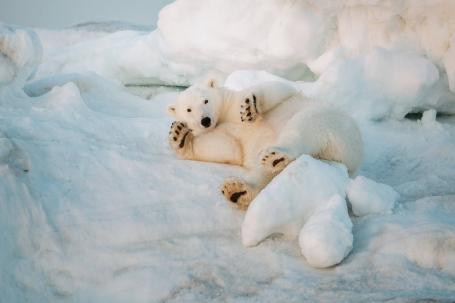
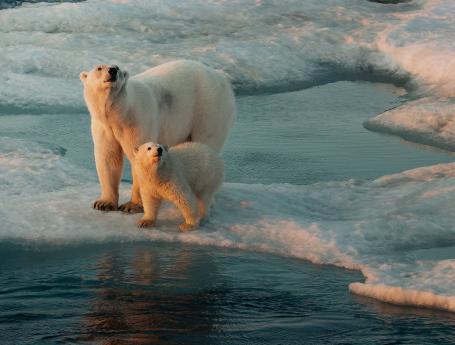
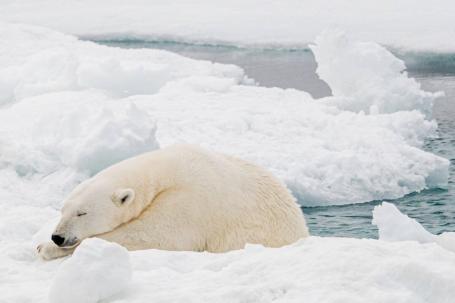
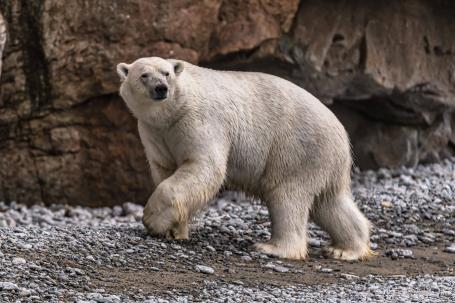
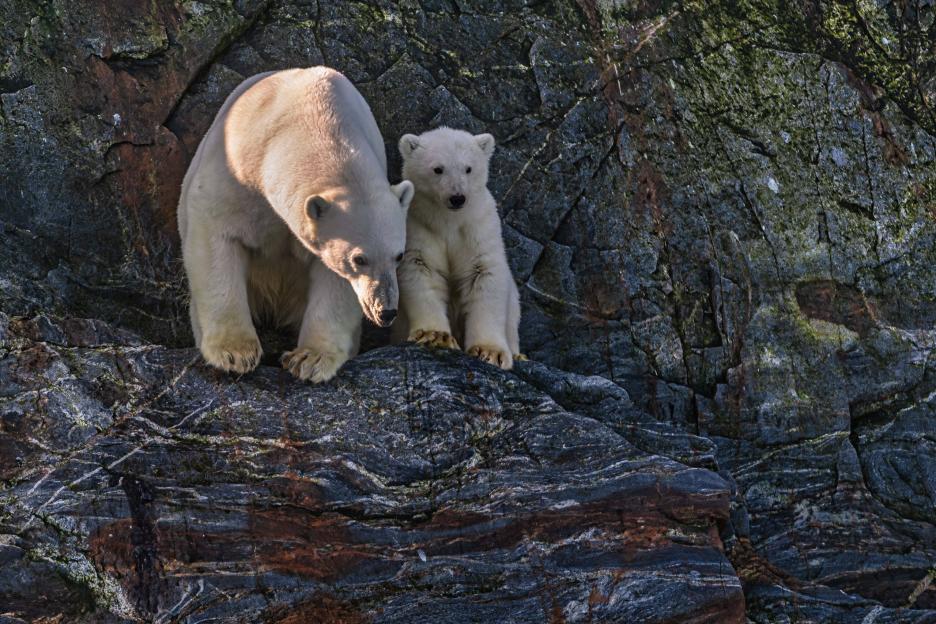
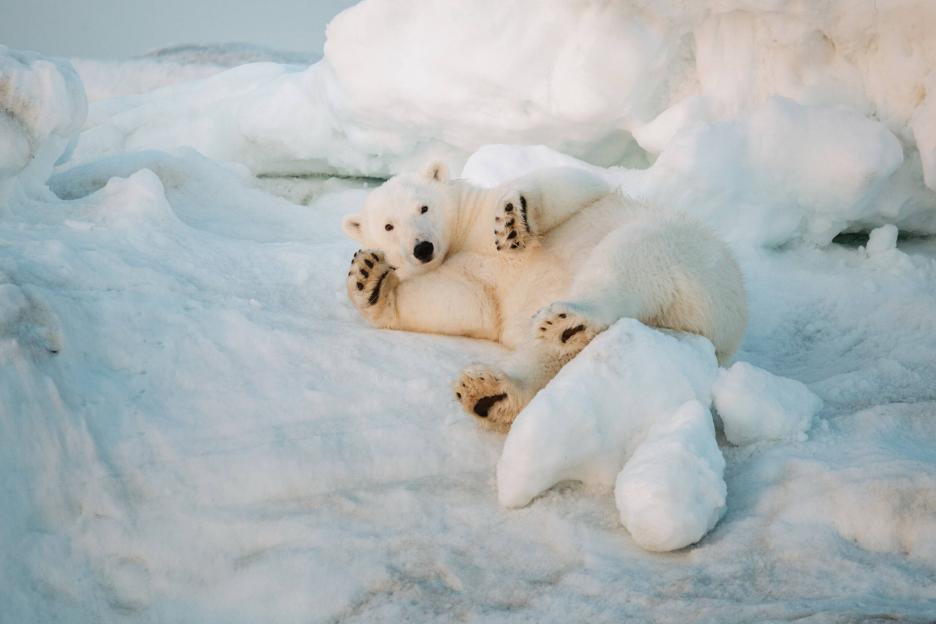
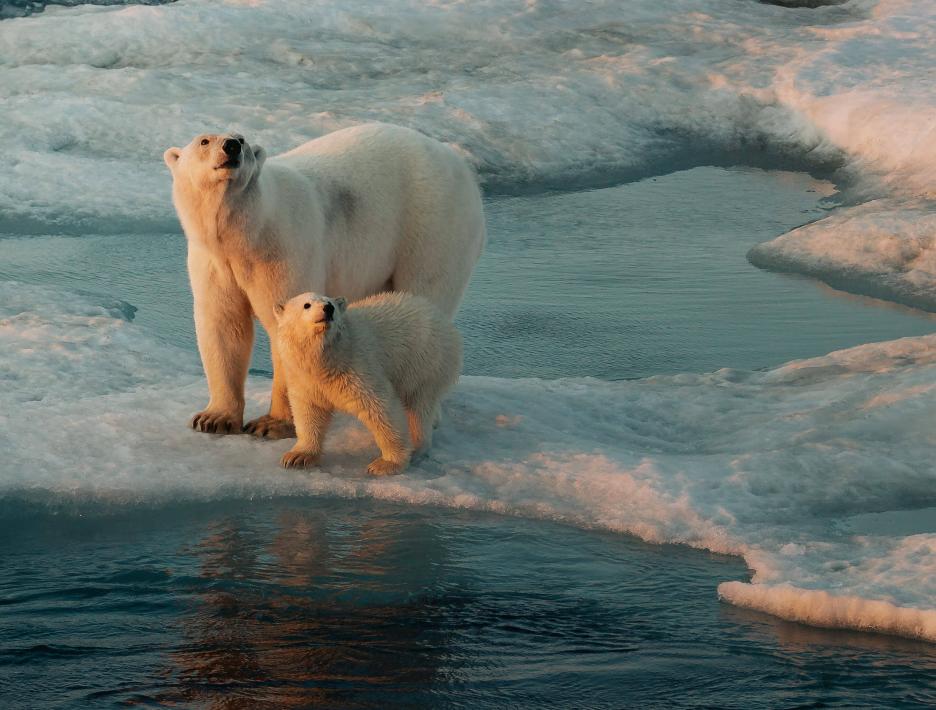
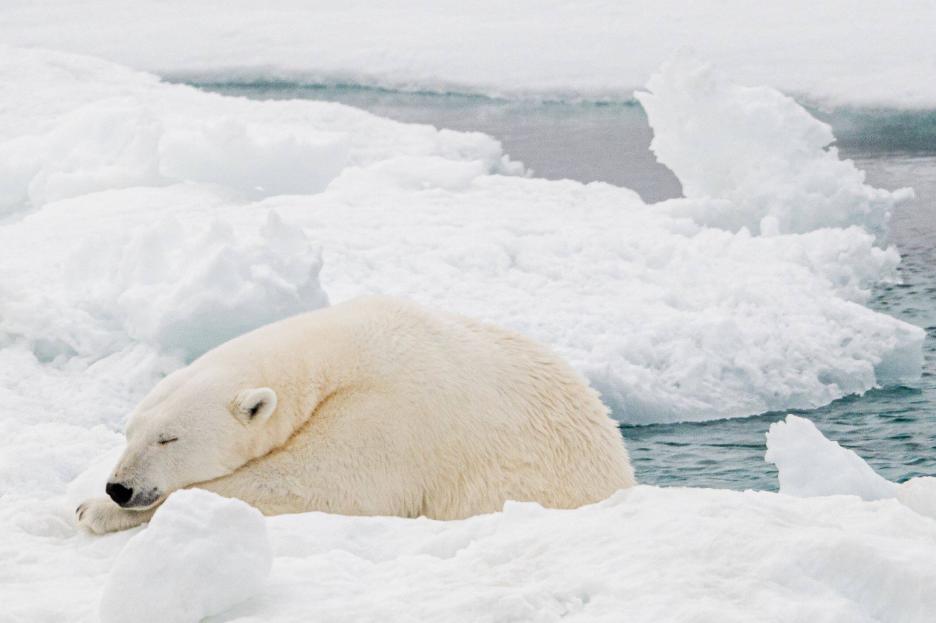
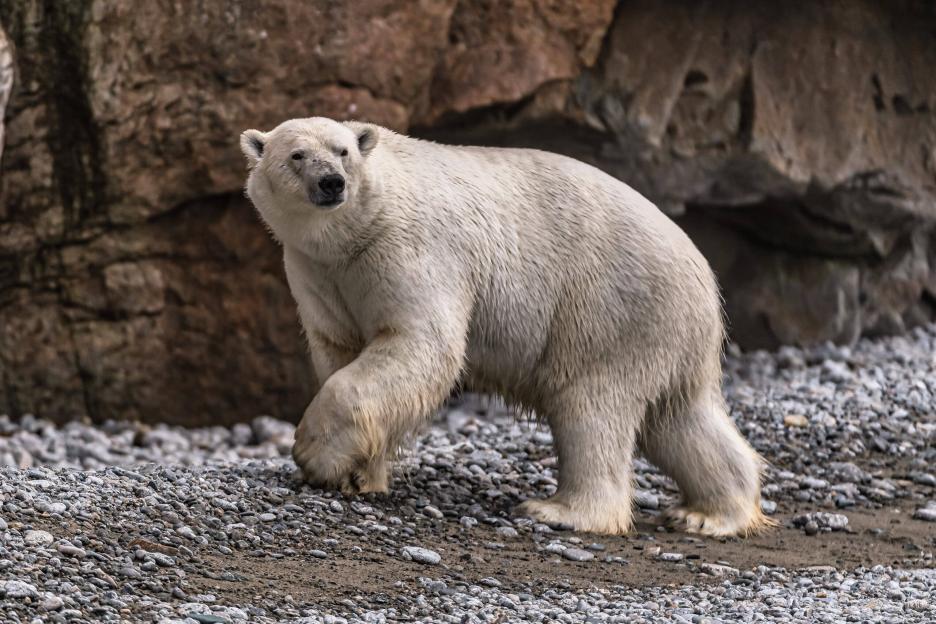
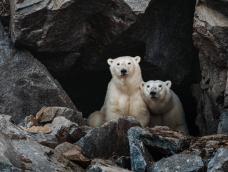
Every spring, hundreds of female polar bears emerge from their maternity dens on Wrangel Island with their cubs. They spend the summer here before heading out onto the pack ice. Join an expedition to one of Russia’s most remote and hard-to-reach destinations — a protected wilderness in the heart of the pristine Arctic.
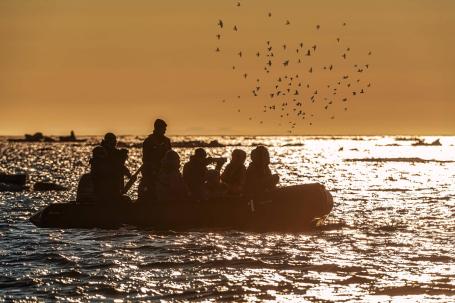
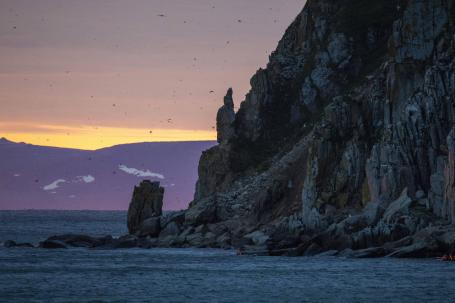
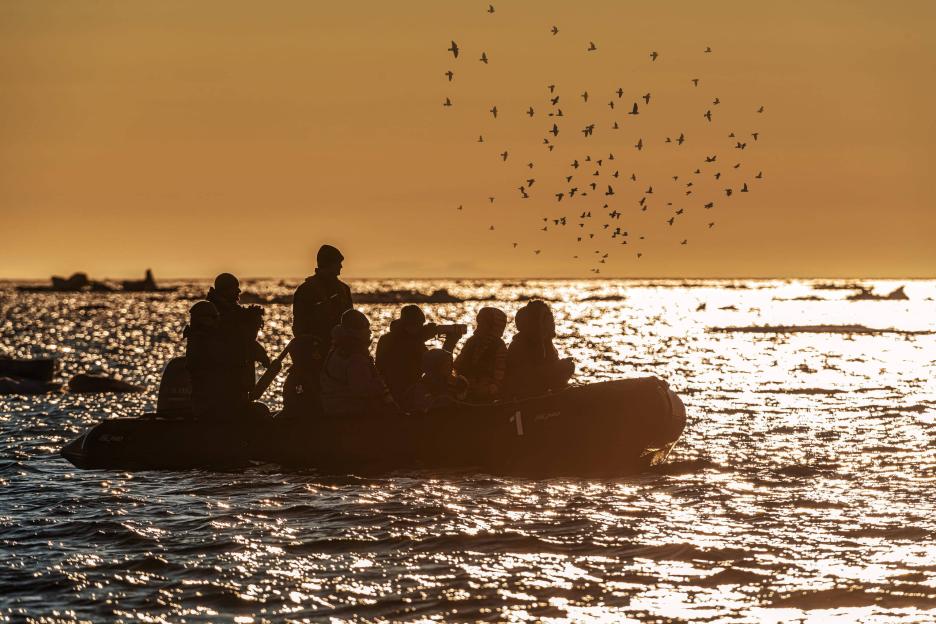
You will travel from Anadyr to Wrangel Island aboard an ice-class expedition vessel. Along the way, you will go ashore on uninhabited islands and the wild coastline of the Chukotka Peninsula, approach coastal cliffs and bustling seabird colonies by Zodiac, and visit several historic sites. You’ll also see settlements of the region’s Indigenous peoples, including Chukchi and Yupik communities.
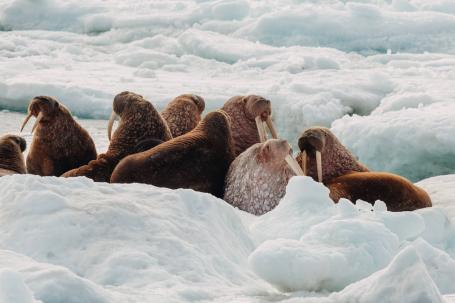
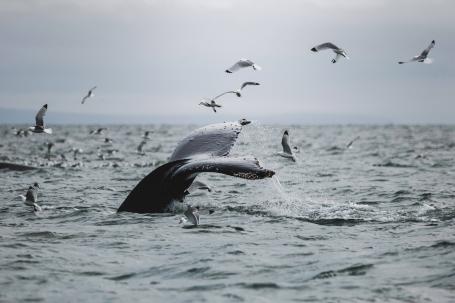
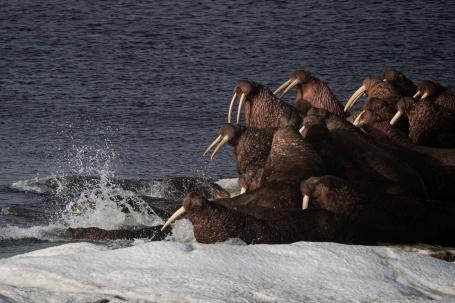
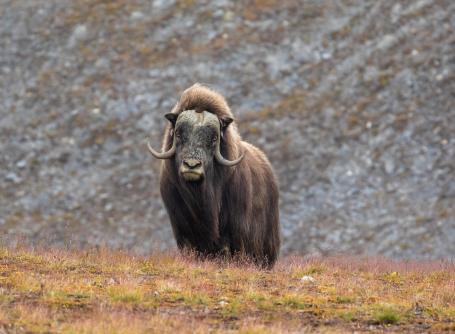
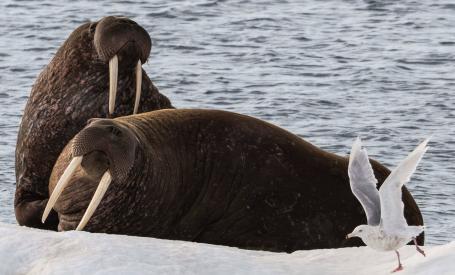
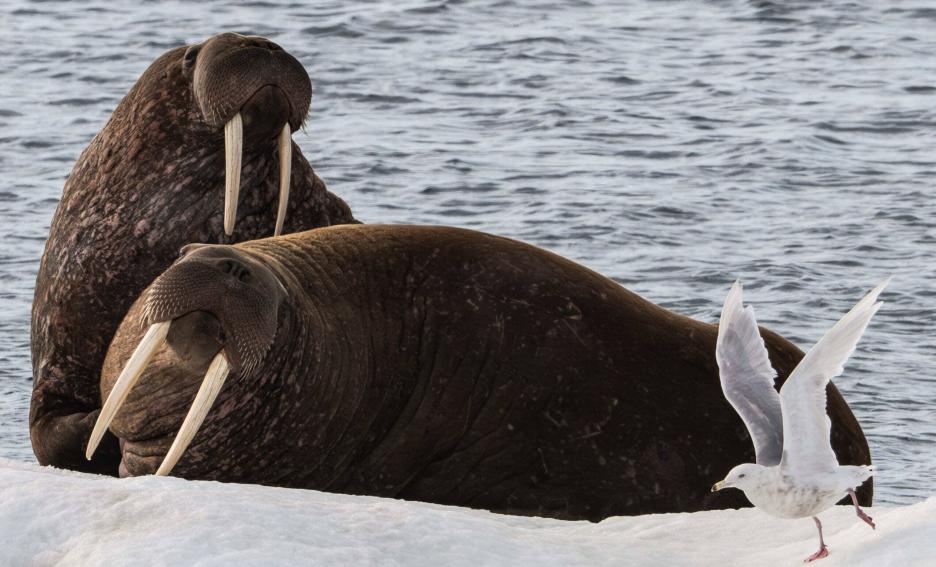
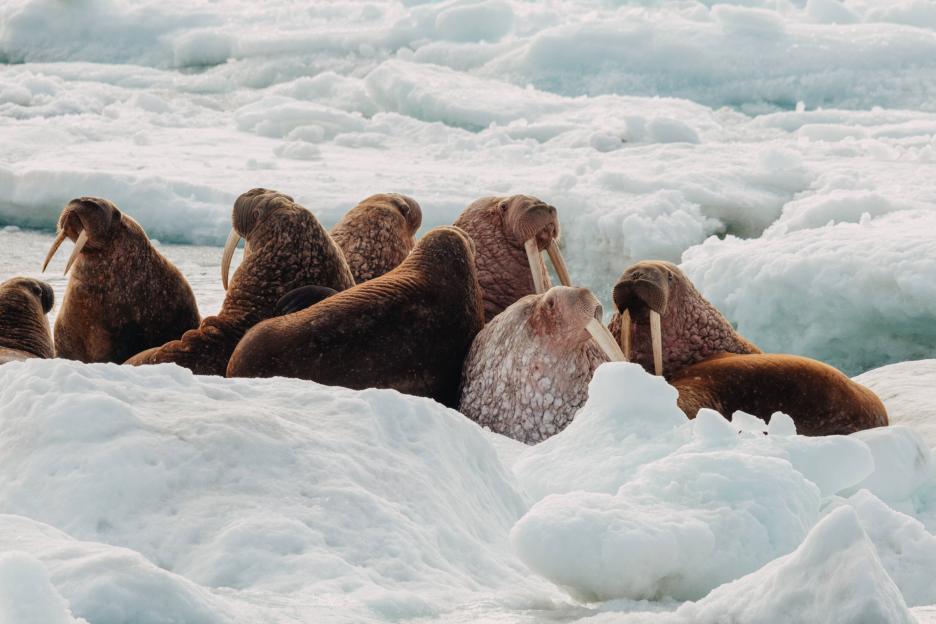
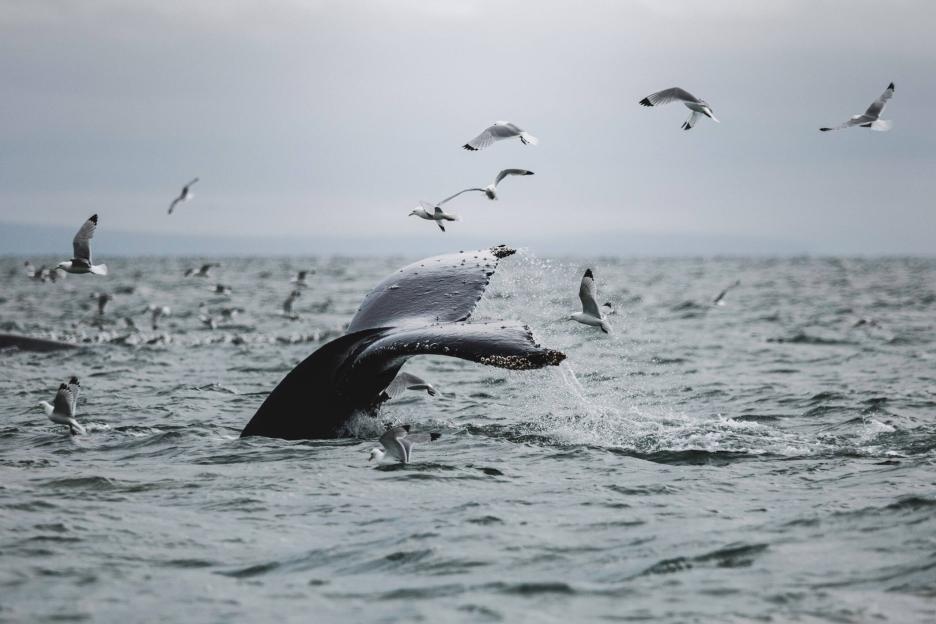
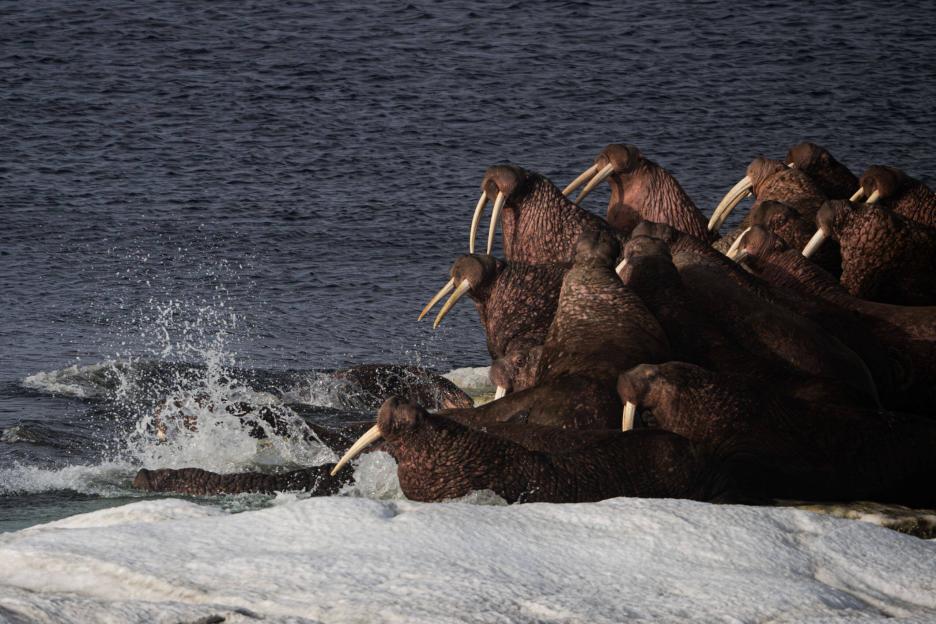
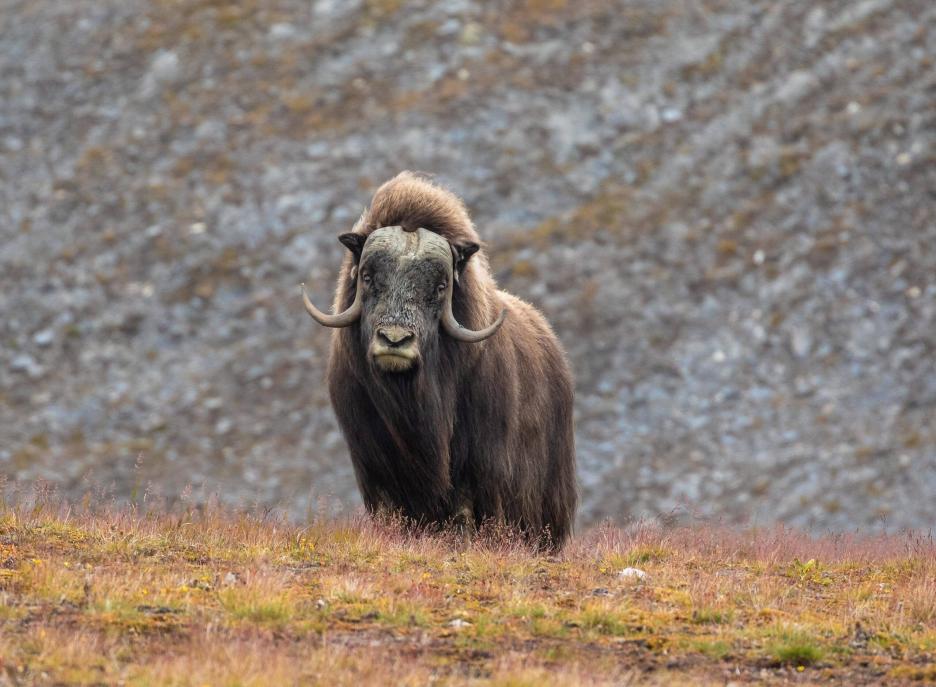
You will spend three days exploring Wrangel Island Nature Reserve. In addition to polar bears, you may encounter walruses, musk oxen, gray and humpback whales, Arctic foxes, snowy owls, and rare white geese.
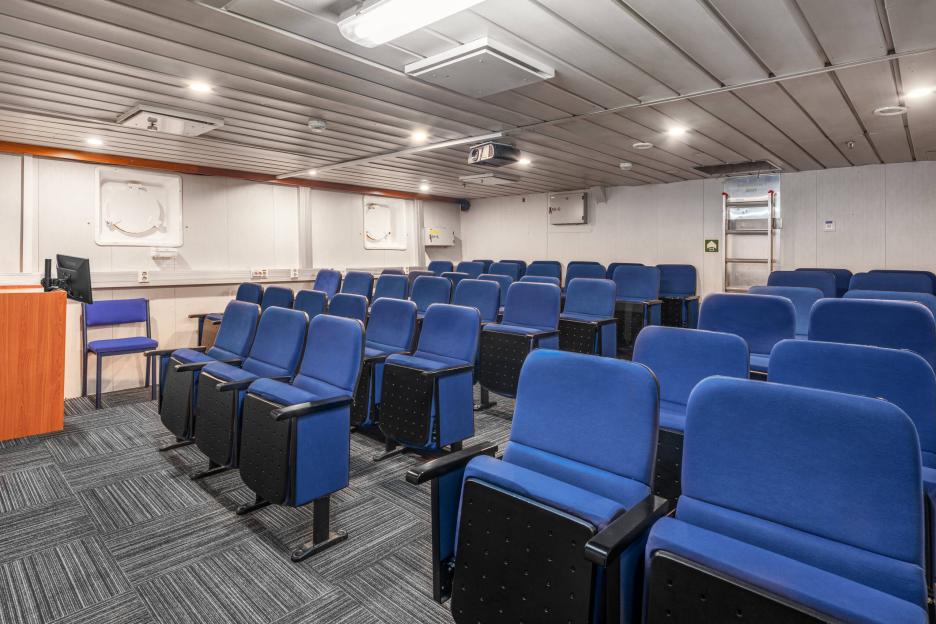
On board, experts will give lectures on the history, culture, and geology of the Arctic islands, as well as their unique wildlife and plant life.
The cruise is primarily conducted in Russian, but many members of the expedition team, including the expedition leader, speak English. Please contact our managers for more information.
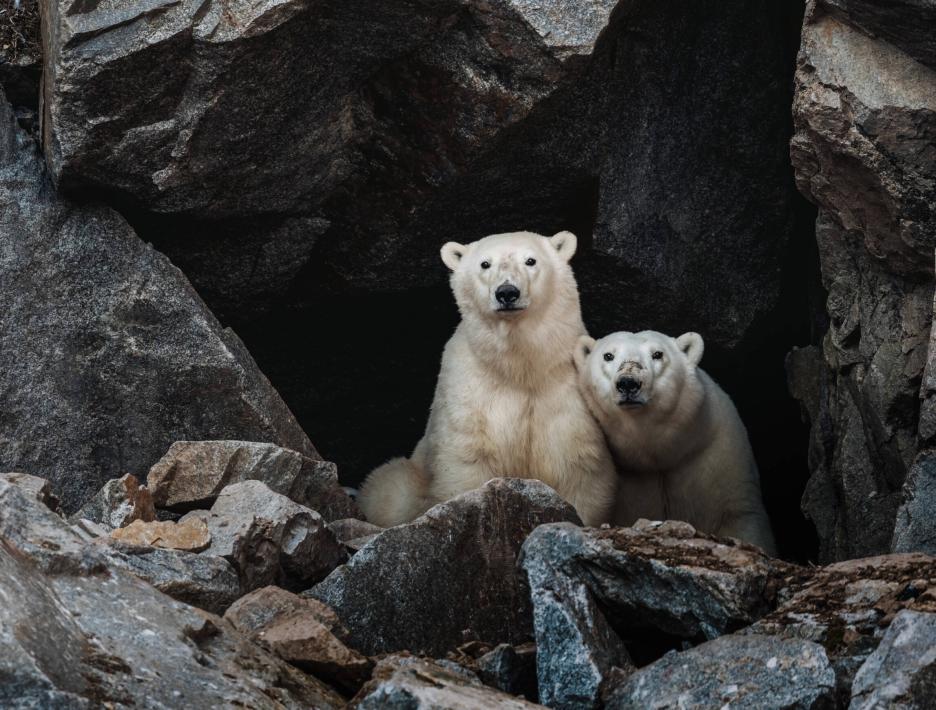
Visit Wrangel Island, home to around 400 female polar bears raising their cubs
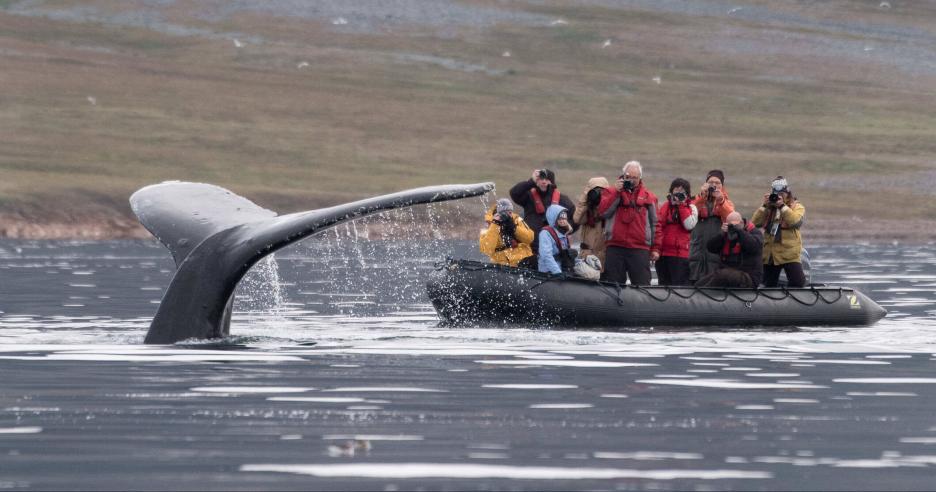
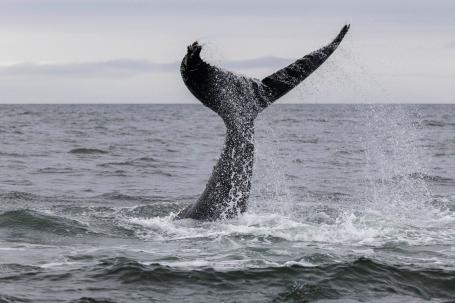
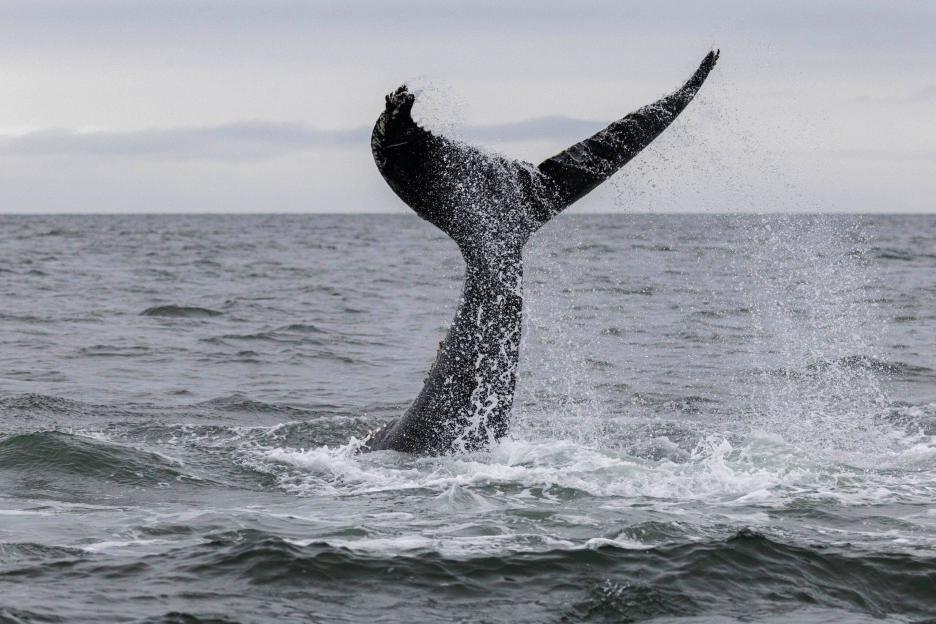
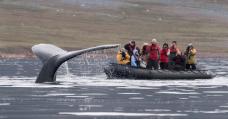
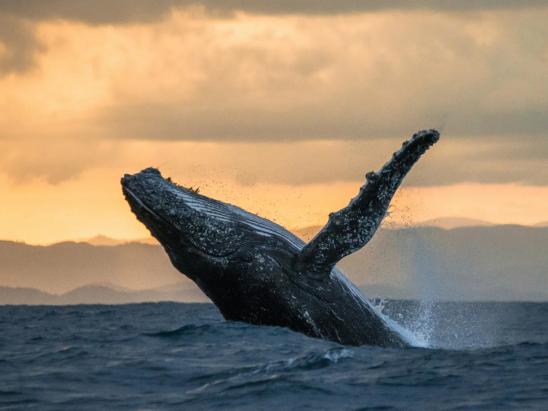
Take Zodiac cruises for the chance to see whales
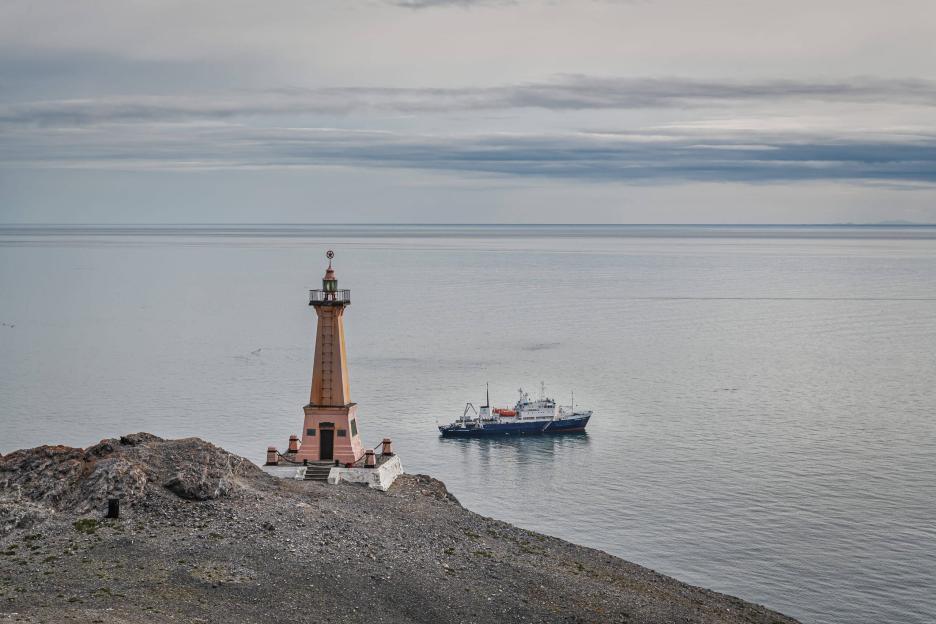
Reach Cape Dezhnev, the easternmost point of the Eurasian mainland
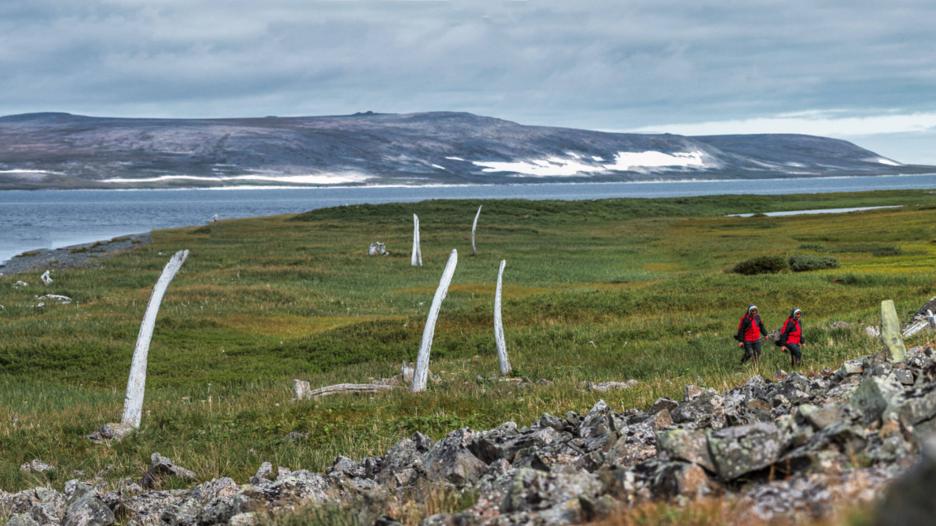
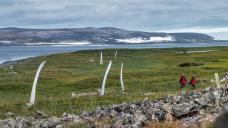
On Yttygran Island, discover Whale Bone Alley, a unique monument to the culture of the ancient Eskimo people
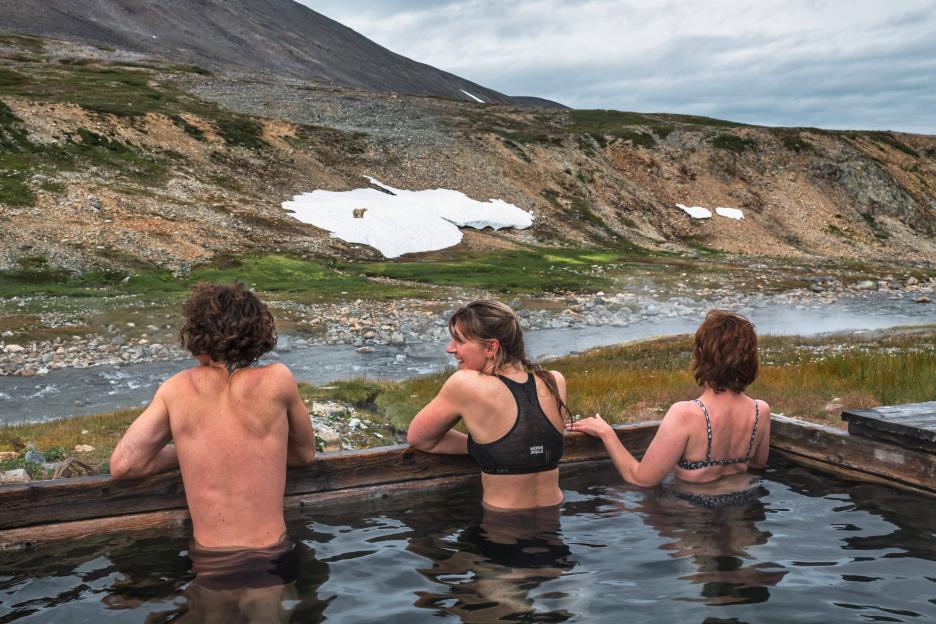
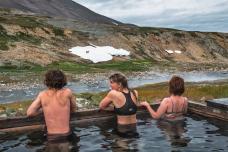
Walk across the tundra and take a dip in the hot springs near Gil’mimyl Bay
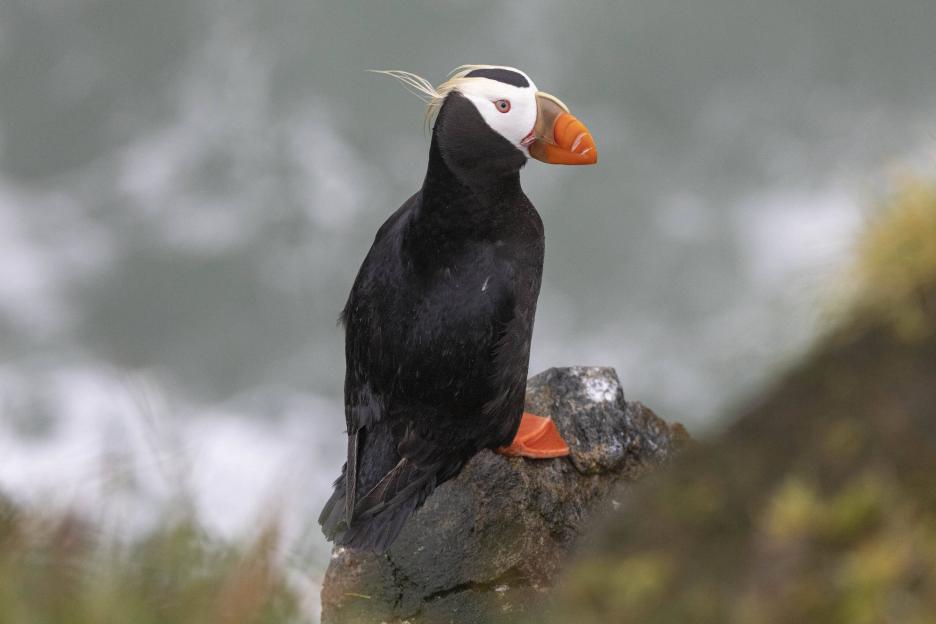
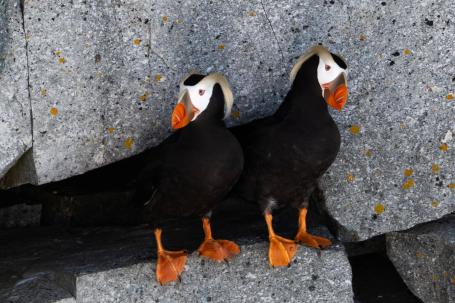
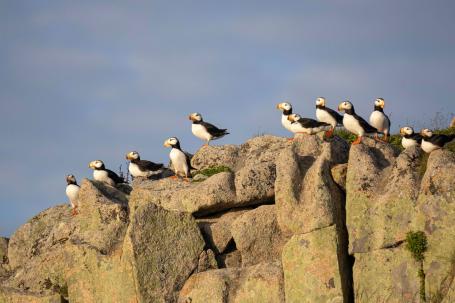
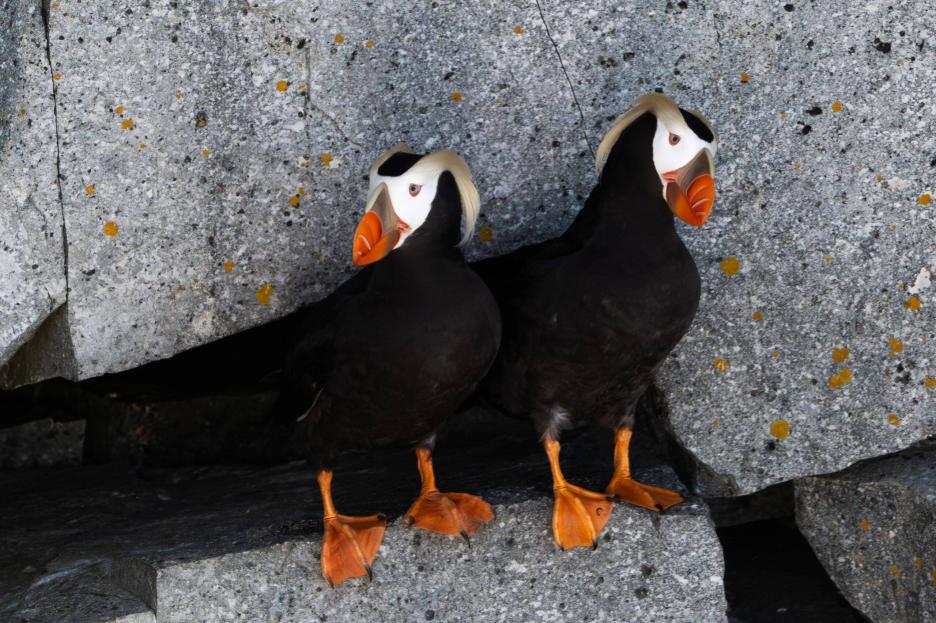
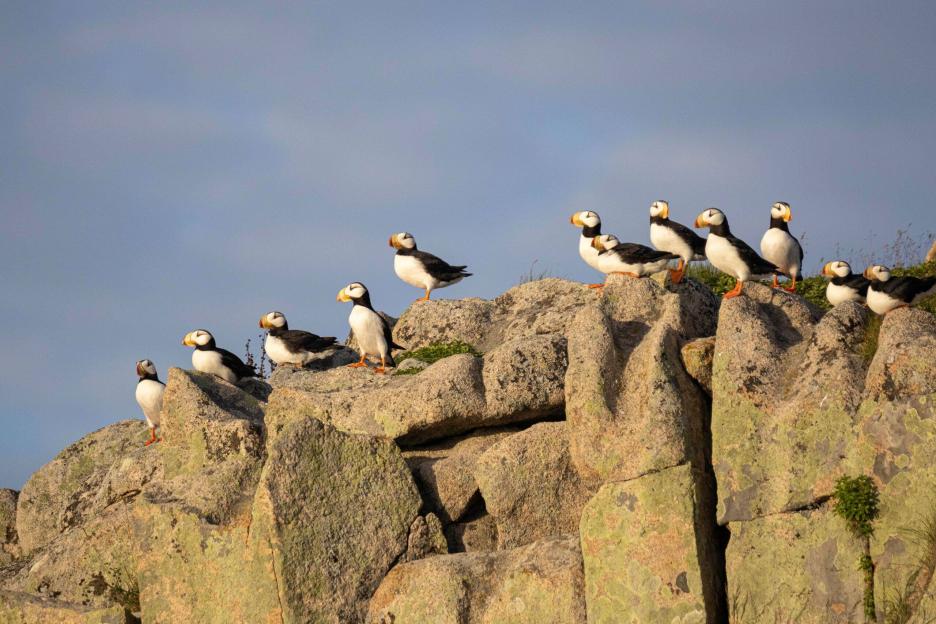
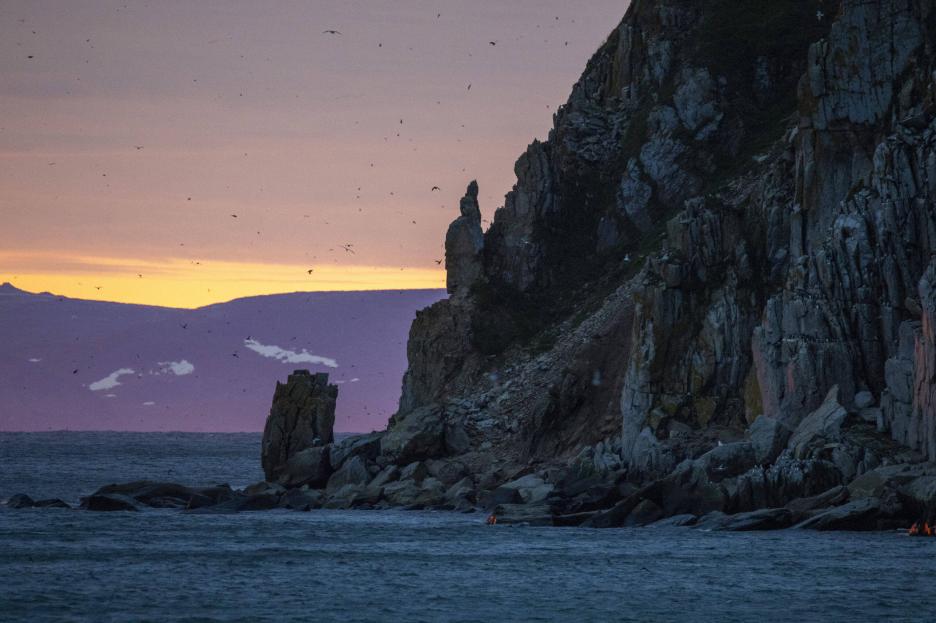
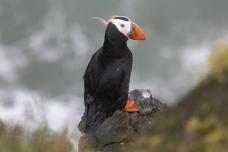
Admire vast colonies of guillemots, horned puffins, and tufted puffins
The itinerary and landing sites may be adjusted depending on weather conditions, sea ice, and the actual progress of the expedition. Wildlife sightings cannot be guaranteed. Our guides will do everything possible to ensure you have the most in-depth experience of the region.
In Anadyr, you will be transferred to the port, where you’ll board the expedition vessel and settle into your cabin. After a welcome lunch, you’ll receive a safety briefing and meet the expedition team before setting out into the open sea. In Anadyrsky Liman, you may have the chance to spot beluga whales.
You will spend the day crossing Anadyr Bay, a vast expanse of water that rivals many seas in size.
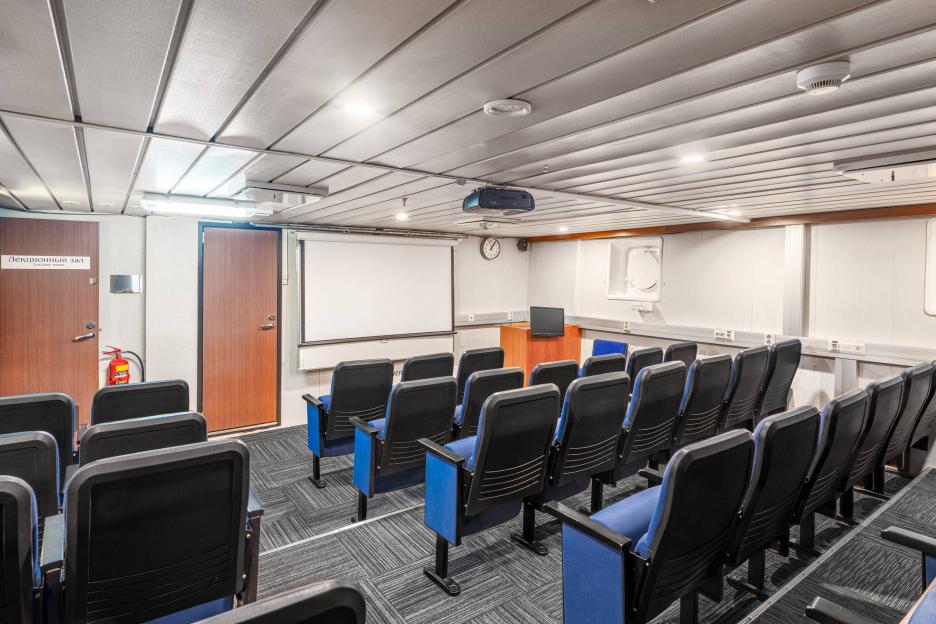
This day offers a chance to learn more about the region and life at sea. You’ll attend engaging lectures by researchers, watch documentary and feature films in the lecture hall, and meet the captain, who will share stories about the vessel’s history and its long voyages across the world’s oceans.
You will continue along the southeastern tip of the Chukotka Peninsula.
During your landing on Yttygran Island, you’ll explore Whale Bone Alley, a unique monument to ancient Eskimo culture. This sacred site consists of the bones of bowhead whales driven into the ground, and researchers believe it dates back to no later than the 16th century.
Next comes a sea crossing to Yanrakynnot Village. The village lies on a hillside overlooking Senyavin Strait, at the mouth of the Marich River. In the surrounding area, you’ll see the Whale Cemetery, where hundreds of enormous bones bear witness to the traditional Chukchi marine mammal hunting culture.
Today, you will reach Cape Dezhnev, the easternmost point of mainland Russia and Eurasia. The mainland coast of North America lies just 86 kilometers away, and in clear weather, you may be able to see the shores of the neighboring continent.
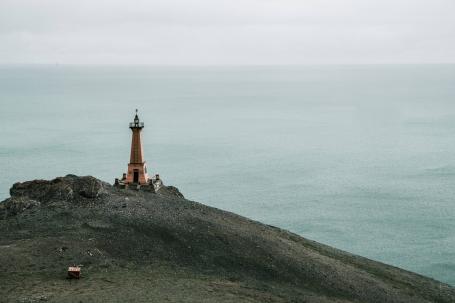
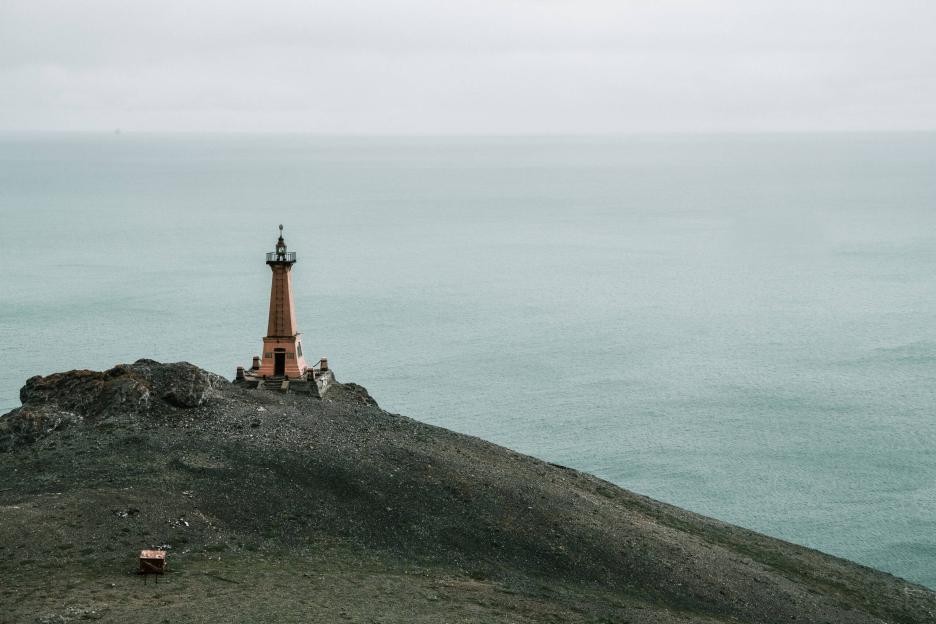
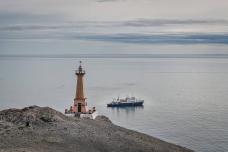
You will visit the monument to Semyon Dezhnev and the lighthouse. The monument stands 12 kilometers from Cape Dezhnev and the actual easternmost tip of Eurasia. As Dezhnev did in 1648, you won’t land at the very tip, where sheer cliffs make access impossible.
You will then continue to Uelen, the easternmost settlement in Eurasia and the largest center of traditional bone carving in the Russian North. You’ll visit Chukotka’s first bone-carving workshop, founded in 1931, and sample local delicacies including fish, caviar, whale meat, and walrus meat.
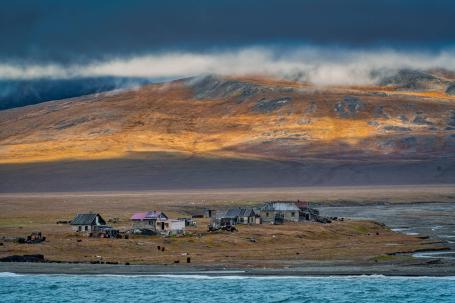
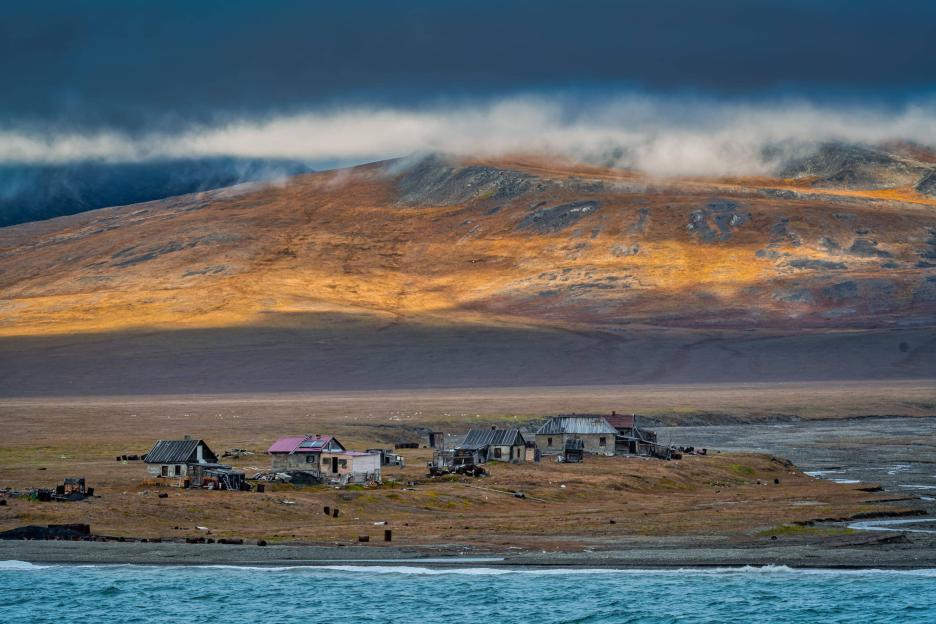
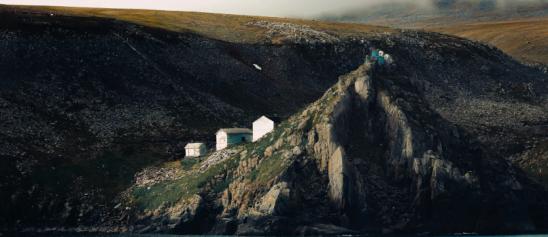
Continuing across the Chukchi Sea, you will land on tiny Kolyuchin Island, which covers just 8 square kilometers. Until 1992, the island was home to a Russian meteorological station, and you’ll see what remains of it today.
Today, the uninhabited island has been claimed by walruses and vast numbers of seabirds. Near the abandoned buildings is one of the Arctic’s most spectacular seabird colonies, where crested auklets, guillemots, and gulls nest. Polar bears also inhabit Kolyuchin Island.
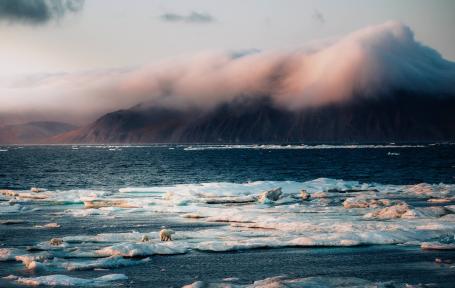
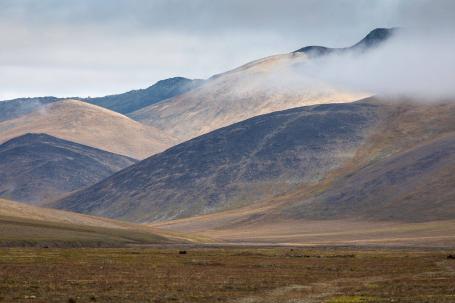
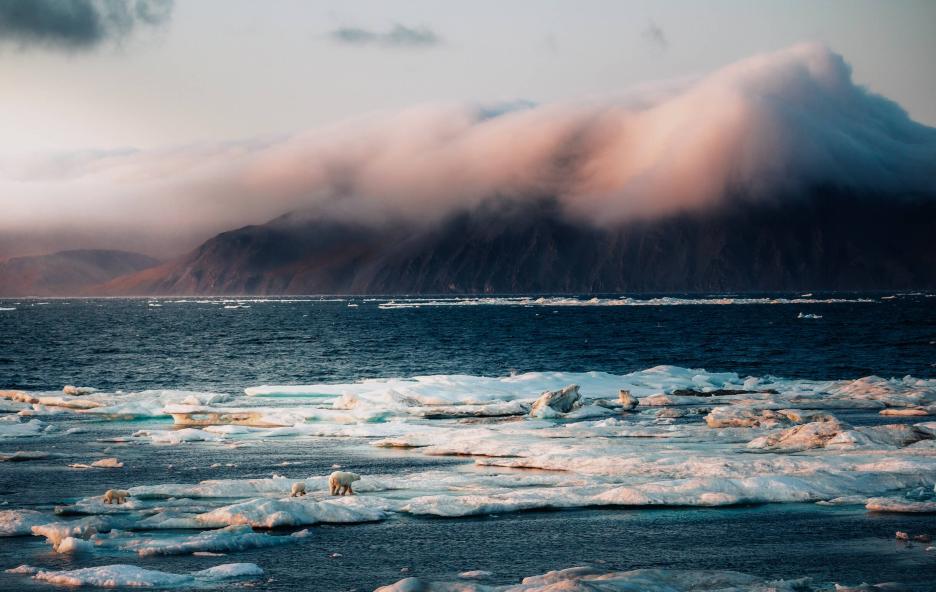
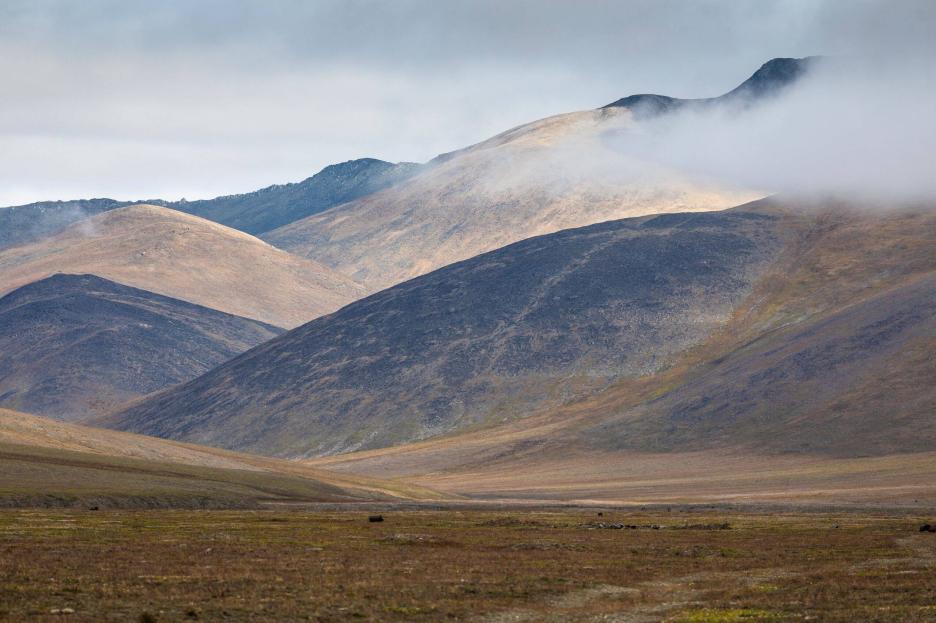
You will spend these three days exploring Wrangel Island Nature Reserve, which encompasses two islands: Wrangel and Herald. Weather permitting, you’ll make several landings along the coast and discover the unique wildlife of the Arctic, with opportunities to see polar bears, walruses, musk oxen, Arctic birds, and spectacular northern landscapes.
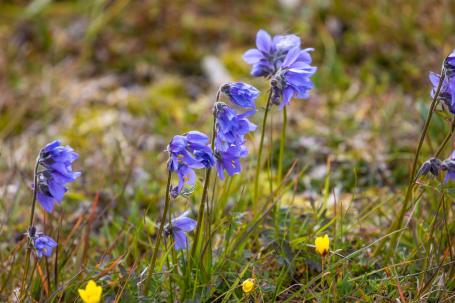
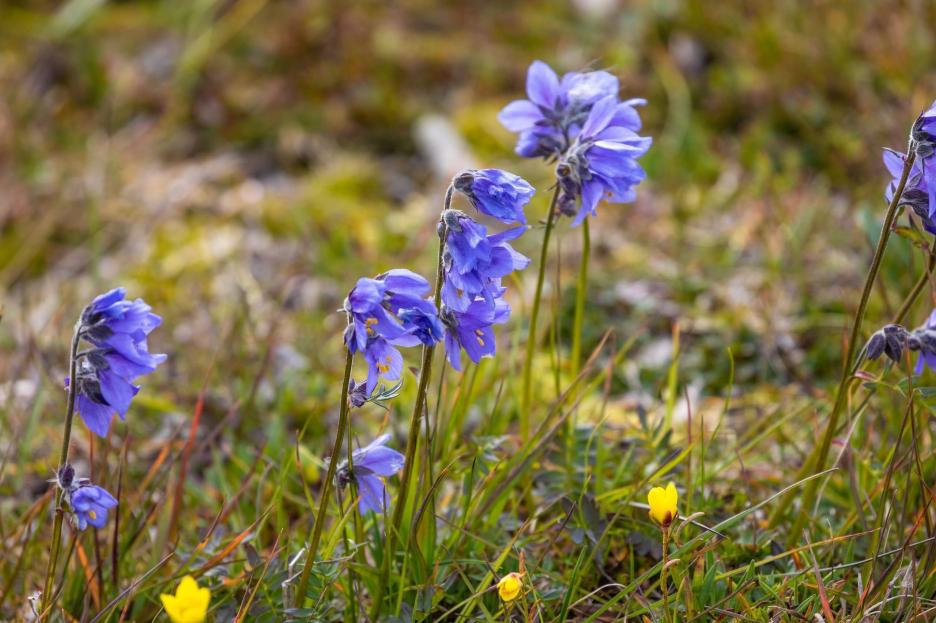
The natural complex of Wrangel Island Nature Reserve is a UNESCO World Heritage Site. It has the highest density of polar bear maternity dens in the world, and more than 50 bird species nest here. The surrounding waters are home to beluga and gray whales, as well as, more rarely, bowhead whales. More than 400 species and subspecies of plants have been recorded on Wrangel Island—more than on any other Arctic island. Around 40 species and subspecies of plants, insects, birds, and mammals found here occur nowhere else in the world.
If sea-ice conditions are favorable, you’ll be able to approach Herald Island, located 40 kilometers east of Wrangel Island. The island has steep, rugged shores that make landings difficult, but from the expedition boat you’ll be able to observe seabird colonies and photograph polar bears.
The vessel will reach the coast of the Chukchi Sea. Today, you will explore Kolyuchinskaya Bay, a vast inlet clearly visible from space. Aboard Zodiacs, you will approach its rocky shores and bustling seabird colonies, home to a variety of Arctic species, including the striking emperor goose.
After rounding Cape Dezhnev, the vessel will head toward the center of the Bering Strait. Weather permitting, you’ll land on Ratmanov Island, Russia’s easternmost island, which lies just across the strait from the American island of Kruzenshtern. The International Date Line runs between these two rocky islands, which is why they are known as “Tomorrow Island” and “Yesterday Island.”
Today, you will encounter whales, take a dip in thermal springs, and explore Beringia National Park.
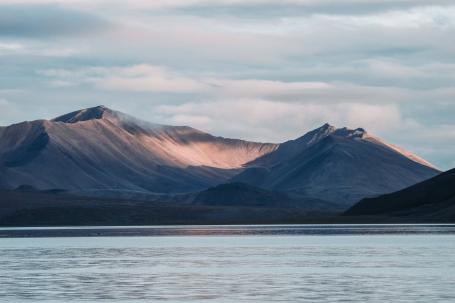
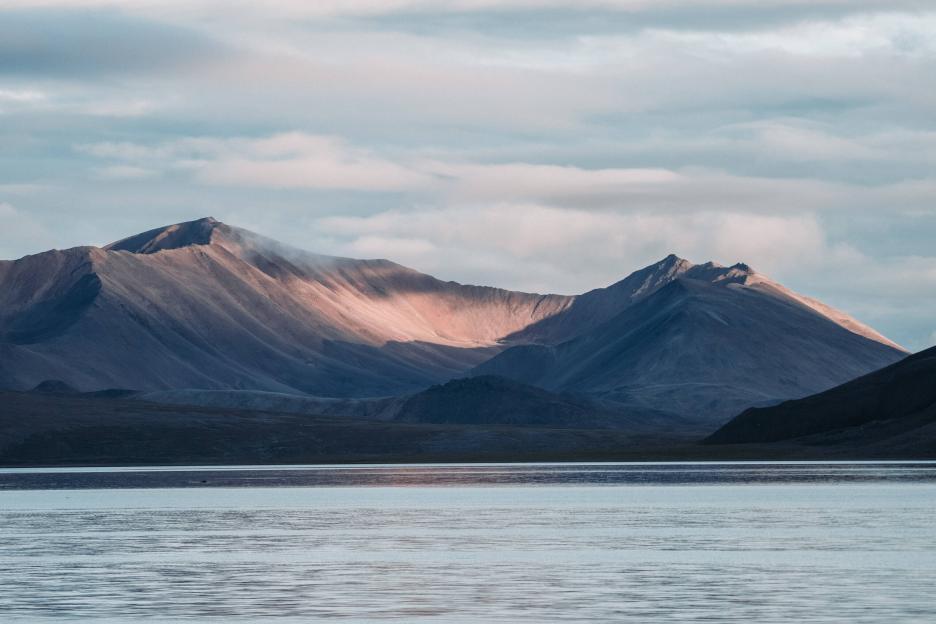
The vessel will enter Penkegney Bay, part of Beringia National Park. For those who enjoy longer hikes, there will be a 14-kilometer trek across the tundra to the hot springs. If you prefer a shorter outing, you can visit Merkinkan, an island inhabited by tufted puffins, observe whales, and take a short 3-kilometer trek from Gil’mimyl Bay to the hot springs.
Gil’mimyl Bay is also part of Beringia National Park. A short walk will reward you with a relaxing soak in the thermal springs and spectacular views of the park. Afterward, you will return to the vessel. Weather permitting, a picnic dinner may be arranged on shore in one of the park’s gazebos.
Novoye Chaplino is one of the few remaining Yupik settlements in Chukotka, with a population of around 400 people. Here, you will visit the local school and enjoy a traditional performance in Yupik clothing at the community center. You may also have a glimpse into the demanding daily life of marine mammal hunters, including the traditional processing of a whale or walrus.
The program also includes an opportunity to purchase handmade souvenirs and sample unusual dishes from Yupik cuisine. Whales frequently enter Tkachen Bay, where Novoye Chaplino is located, so there is a good chance of spotting them from the shore.
You will spend the day at sea on the way to the port of Anadyr.
There will be another full day of lectures and a chance to consolidate the knowledge and experience you’ve gained throughout the expedition.
Early in the morning, the vessel will enter the port of Anadyr. After breakfast, you will be transferred to your hotel or to the airport for your flight home.
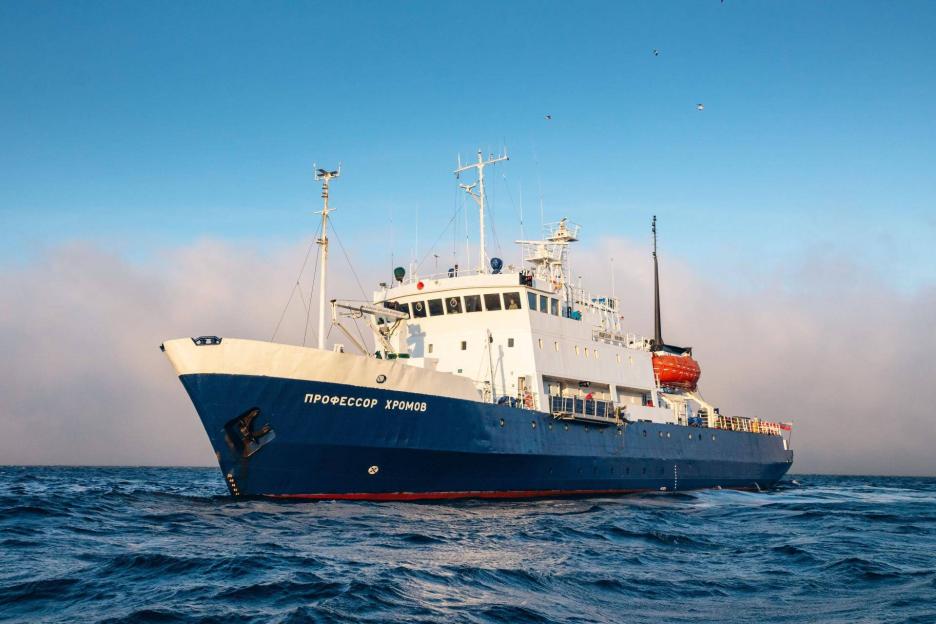
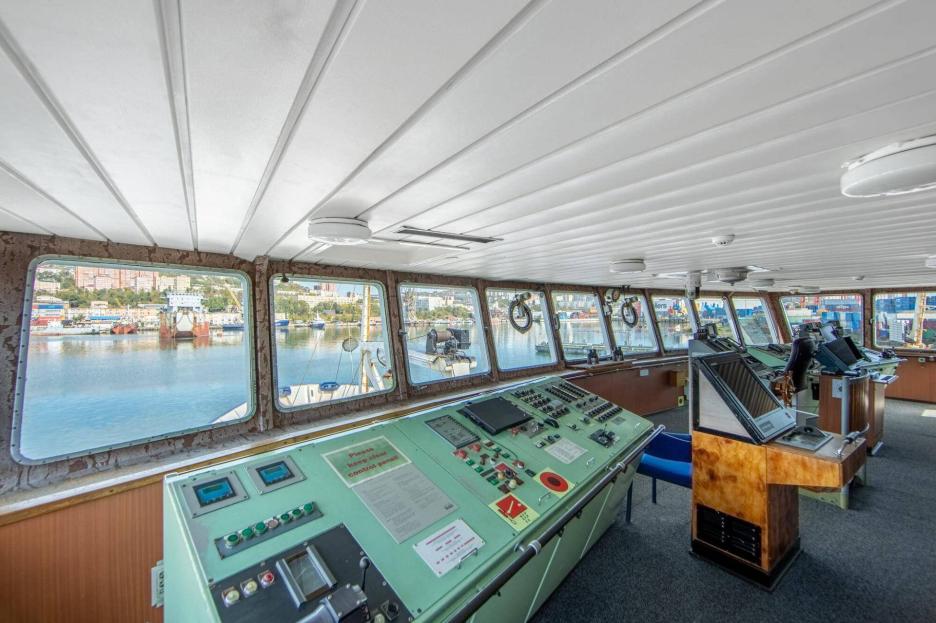
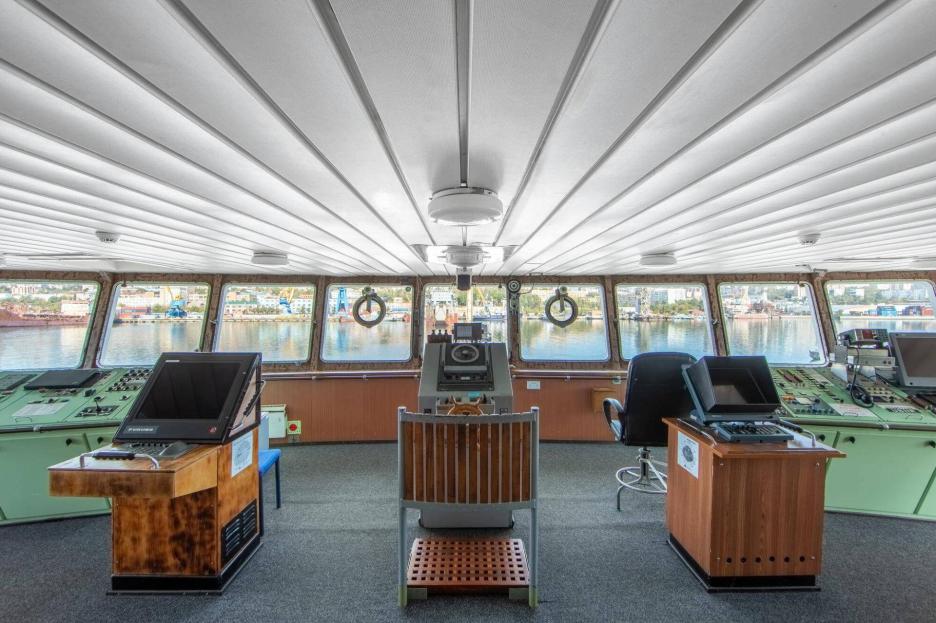
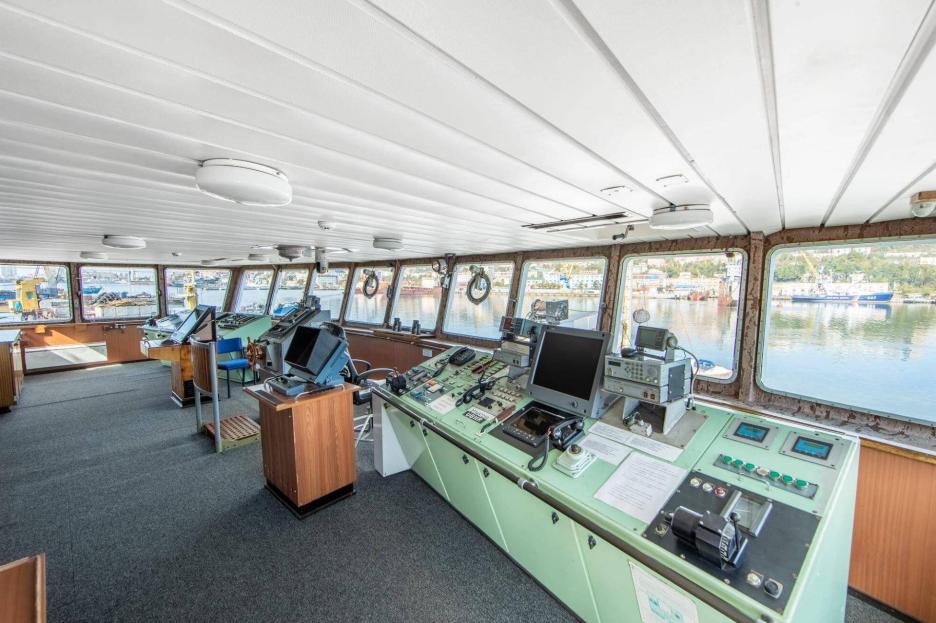
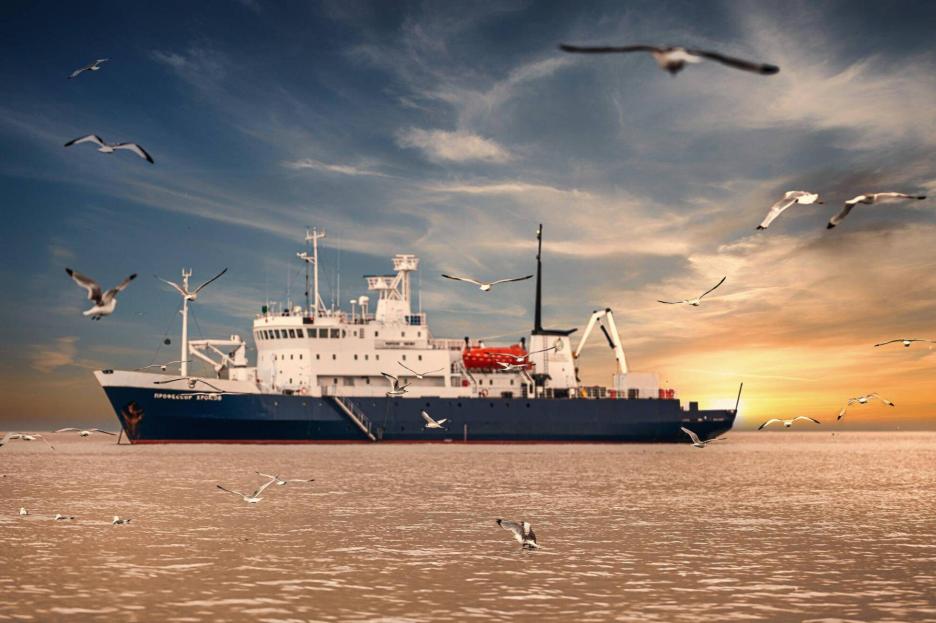
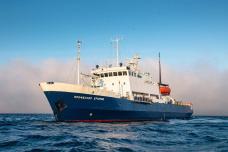
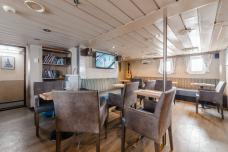
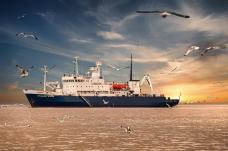
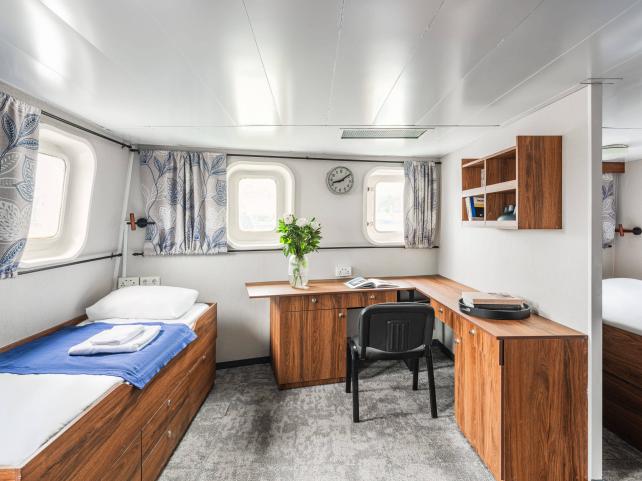
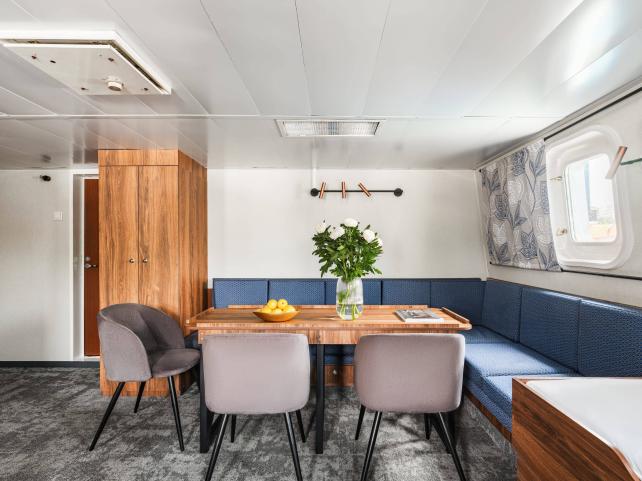
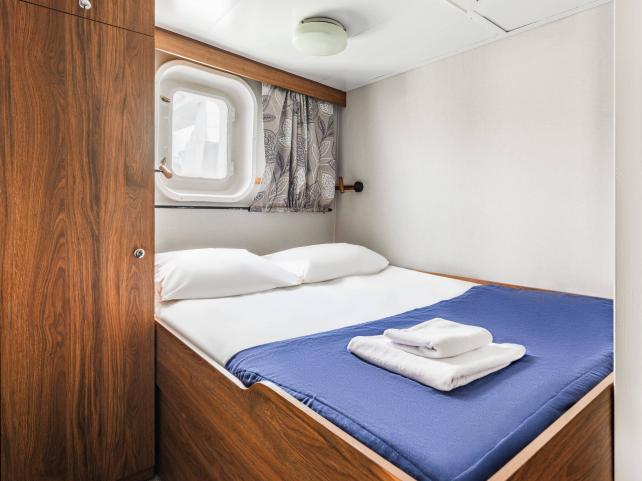
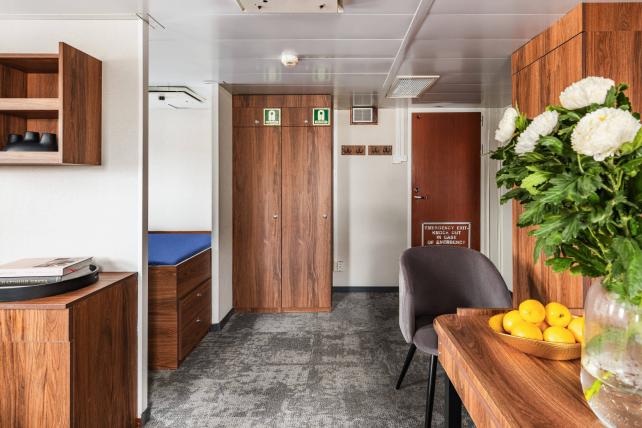
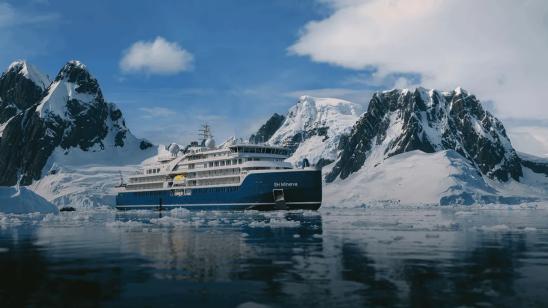
This is one of the last few small expedition ships still operating in the Russian Far East and the Arctic. Her size and manoeuvrability make it possible to navigate through narrow straits and anchor in small bays. With Arc 5 ice class (per the Russian register), Professor Khromov is a fully ice-strengthened vessel — perfect for expedition travel.
With just 46 passengers on board, expeditions aboard Professor Khromov focus on getting you ashore as often—and for as long—as possible, with maximum safety and comfort.
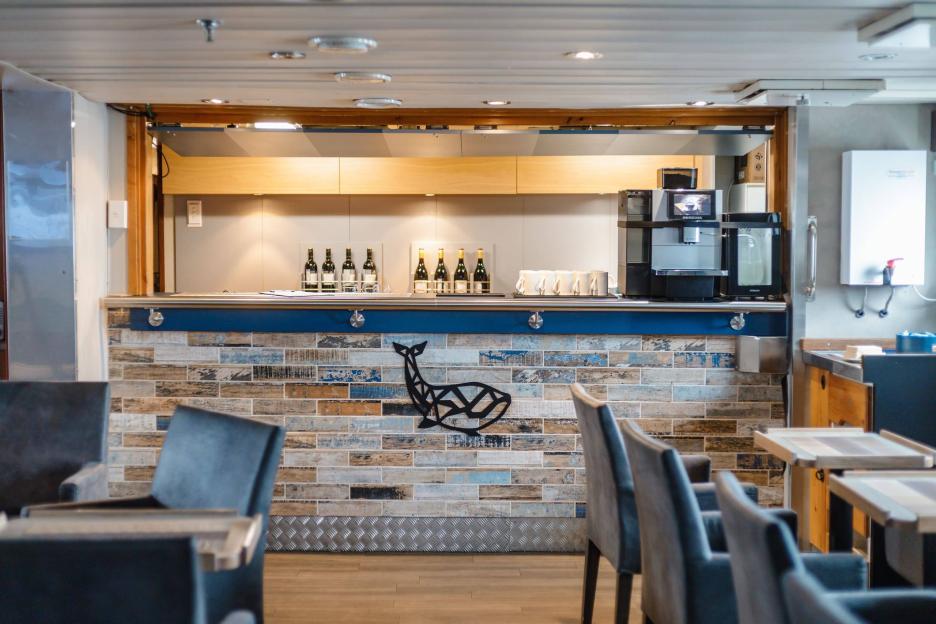
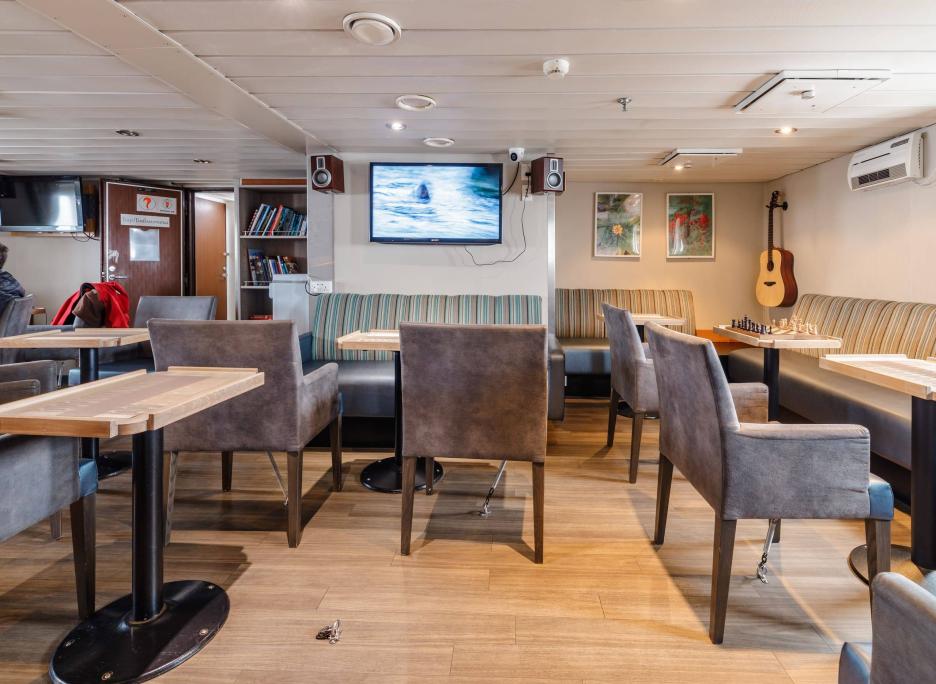
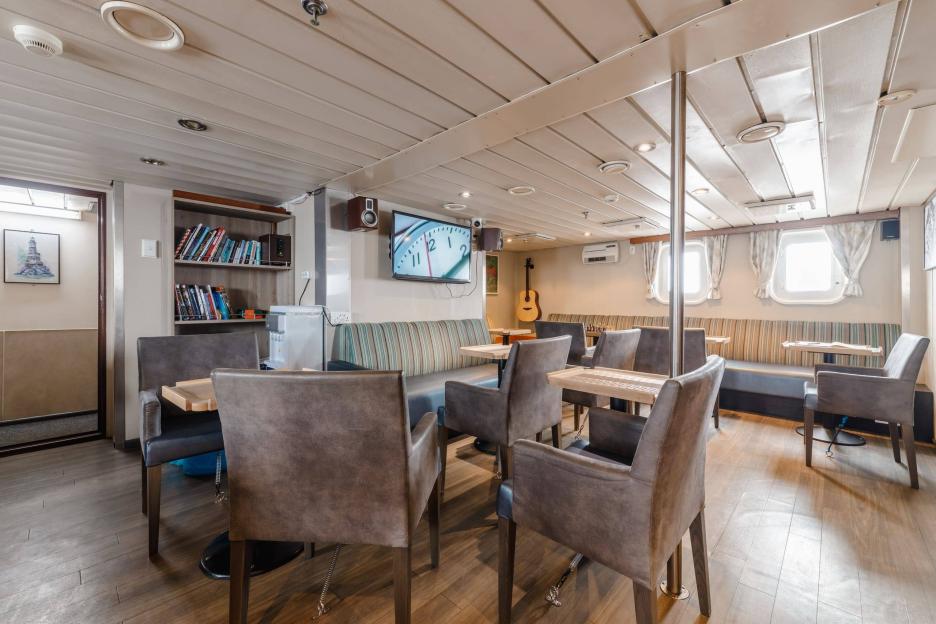
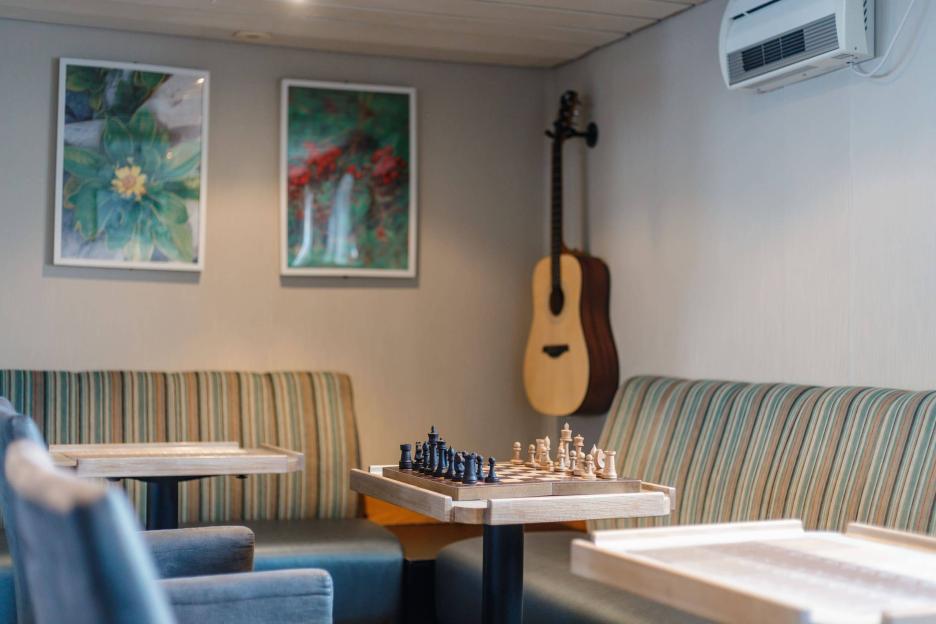
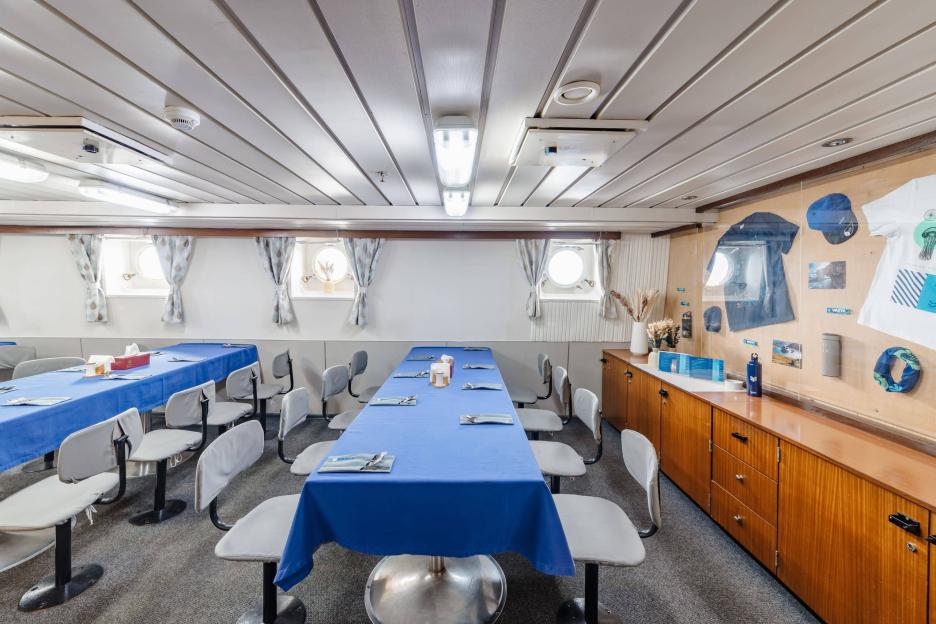
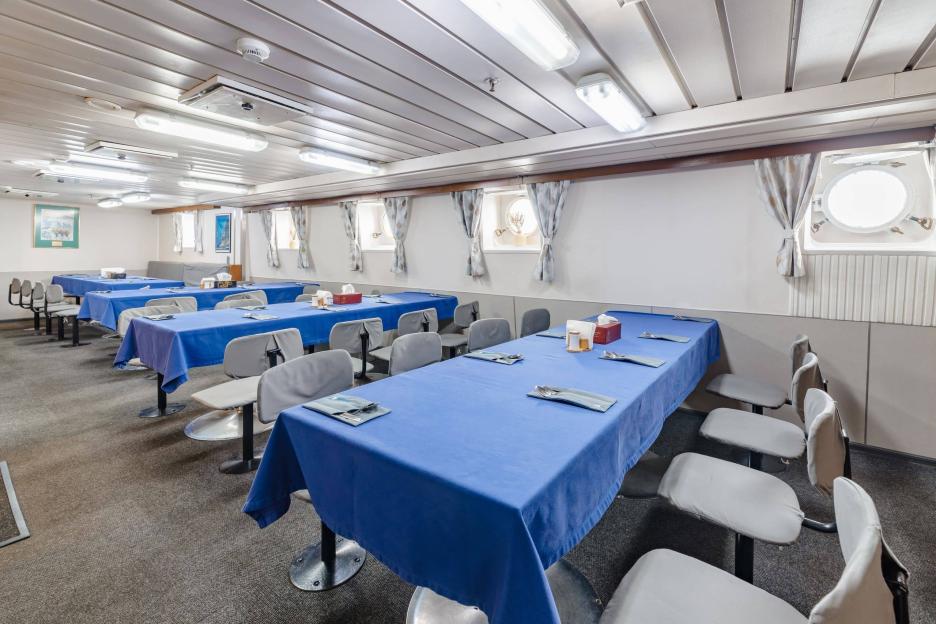
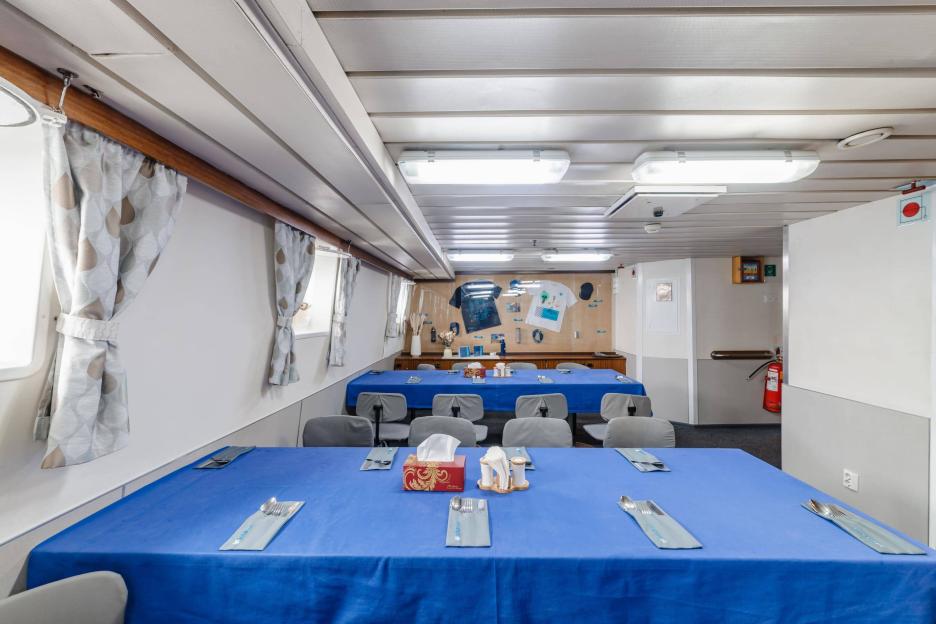
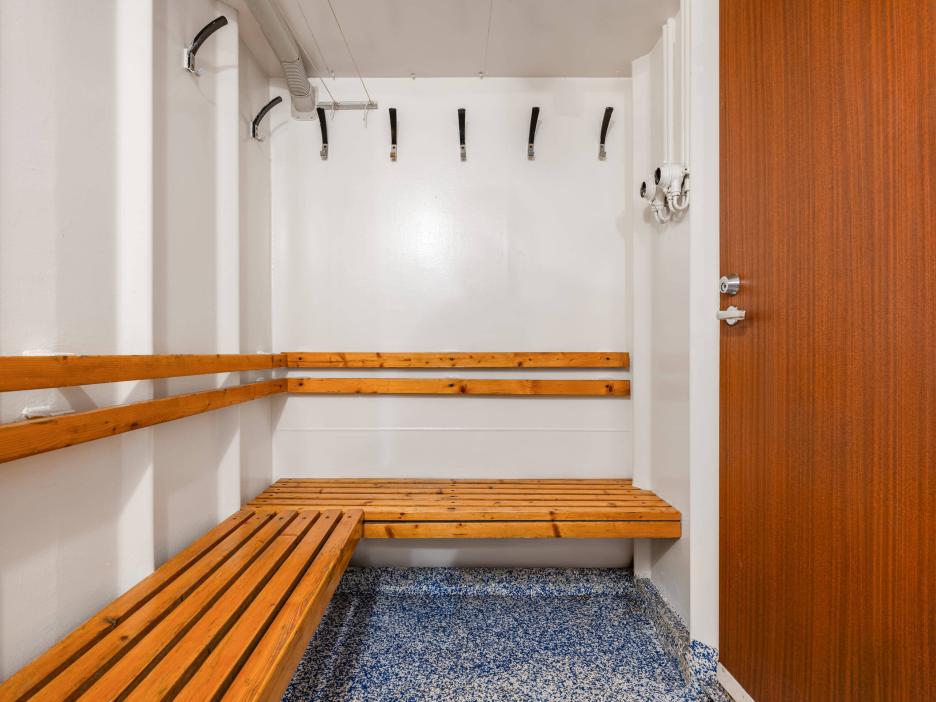
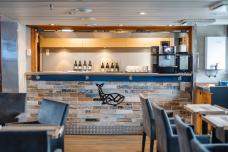
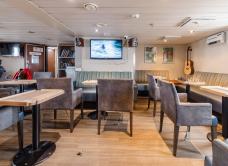
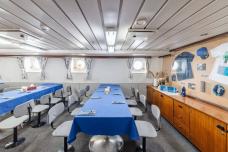
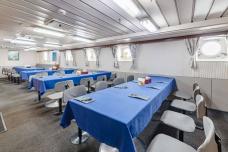
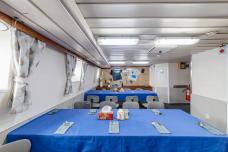
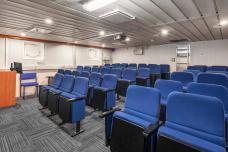
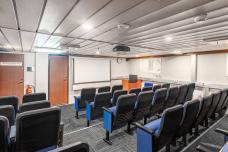
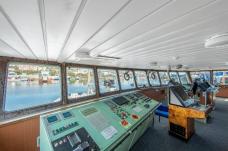
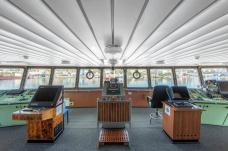
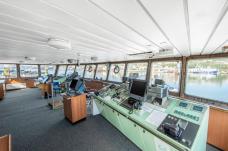
Facilities on board: bar, restaurant, lounge, library with a collection of thematic literature, lecture hall, sauna. Access to the navigation bridge, wildlife, and marine life viewing from open decks.






















Rates depend on the cabin type. The price is per person with double occupancy in a cabin.
The final price in USD depends on the Central Bank of Russia’s exchange rate.
A 5% bank fee is not included in the USD price. We reserve the right to revise the rate in the event of significant market currency fluctuations (RUR/USD).
To book your trip, a 20% deposit is required. The next 30% is due 60 days before departure, with the remaining 50% due 30 days before the start of the trip.

When choosing your clothing and footwear, keep the Arctic conditions in mind. Temperatures at the northernmost points of the itinerary can drop below freezing. Sometimes weather or sea conditions make landings impossible, in which case the vessel will cruise along the coast instead.
To make sure nothing distracts you from the stark beauty of the Arctic landscape, bear in mind that the coast can be extremely windy, making the temperature feel even colder. Even in relatively calm seas, you can expect some spray when traveling by Zodiac, so your clothing should be both waterproof and windproof. Most body heat is lost through the head, hands, and feet, so be sure to protect these areas well. We also recommend bringing a portable sitting pad. Don’t forget your camera and other electronics—a waterproof case or cover is essential for taking photos in rain or drizzle.
Clothing: warm trousers, waterproof trousers, thermal underwear, a sweater, a turtleneck, a warm woolen hat that covers the ears, a balaclava or scarf, warm socks, and a waterproof, windproof jacket with a hood. You may also want to bring something smart-casual for the farewell evening (high heels are not recommended).
Footwear: trekking boots are not essential, but are recommended for longer walks ashore. If you prefer trekking boots to rubber boots, bring them in your backpack and change into them once you reach shore. Boots with a deep, rugged tread will provide the best grip.
Some landings may require you to wade through water up to 25 cm deep. Rubber boots will be provided free of charge for the duration of the cruise. If a landing involves getting wet, you can pack your trekking boots in your backpack and change into them once you reach shore.
If you prefer to bring your own rubber boots, choose a pair with a thick, rugged sole and a shaft that reaches at least mid-calf.
Shorelines can be quite slippery, so make sure your boots fit comfortably over warm woolen socks. You’ll also need sandals, sneakers, or other comfortable footwear for wearing on board, as well as shower slippers.
Other essentials: a small backpack for shore excursions (preferably waterproof), warm waterproof gloves, sunglasses, sunscreen (a rich, nourishing cream is preferable in windy weather), lip balm, binoculars, earplugs, a swimsuit (for the sauna, hot springs, and optional swimming in the ocean), and a towel.
Documents: passport, airline ticket, and a copy of your insurance policy.
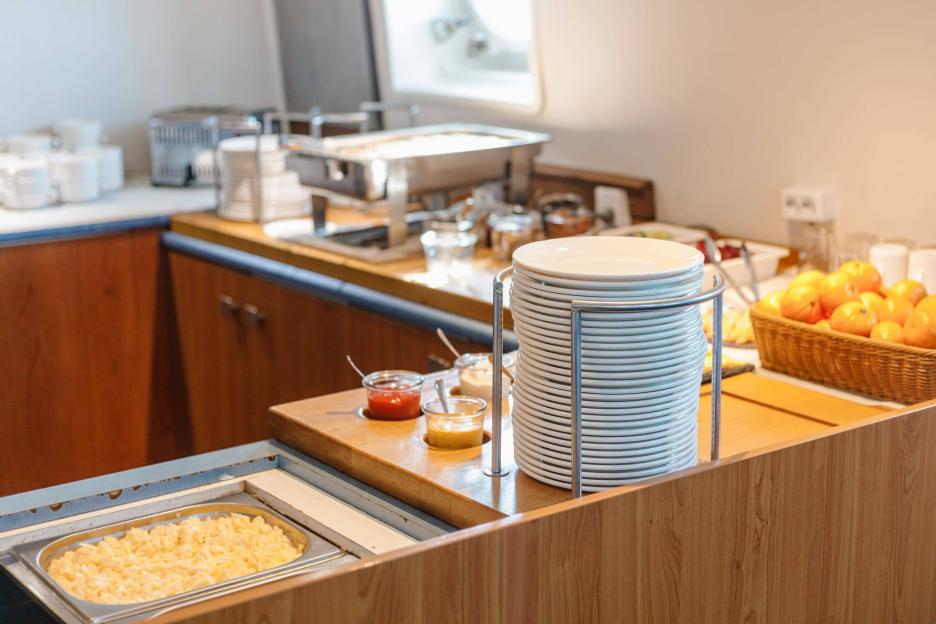
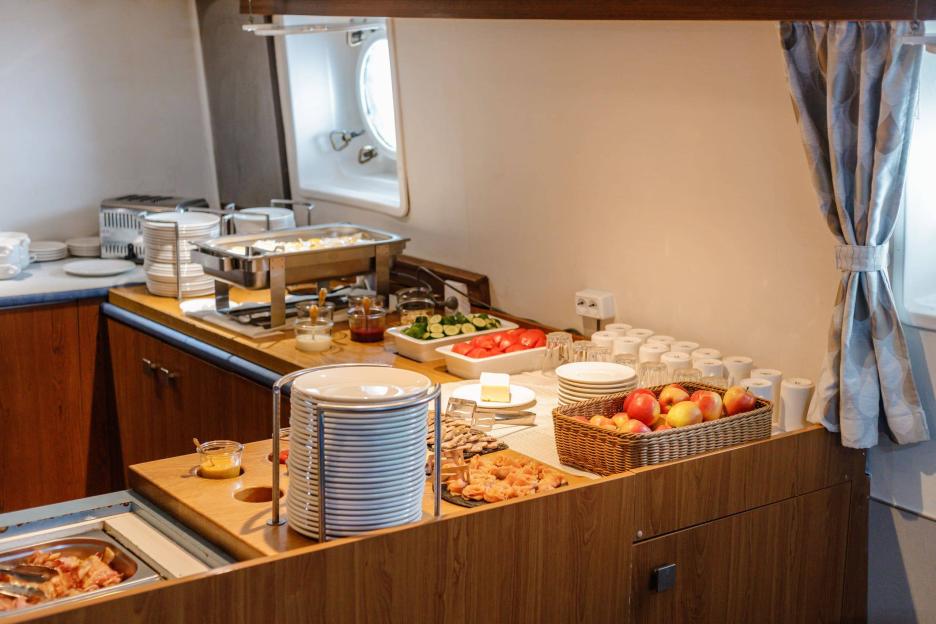
Three meals a day will be provided on board. Breakfast, lunch, and dinner are served buffet-style, with hot dishes, fresh vegetables and salads, desserts, and drinks.
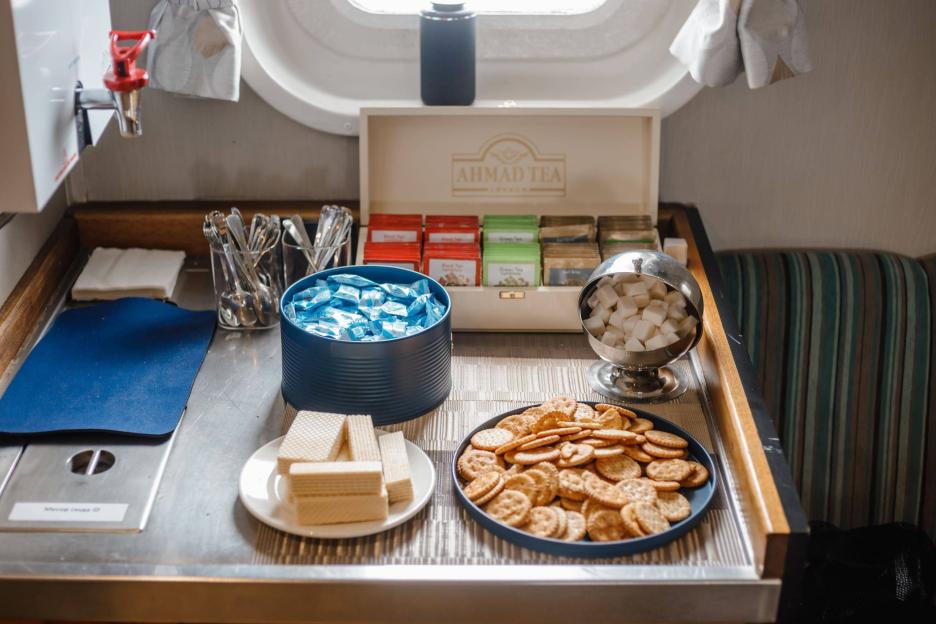
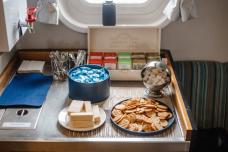
You’ll also have complimentary 24-hour access to a tea station with drinks and snacks.
Our chefs can accommodate special dietary requirements if needed, so please let us know in advance.
Your group will be accompanied by an expedition team, including a tour leader, guides, and lecturers.
Medical insurance covering emergency evacuation is mandatory. The cost of insurance is not included in the cruise price and must be paid separately. If you need assistance arranging insurance, please let our manager know when booking.
To book your trip, a 20% deposit is required. The next 30% is due 60 days before departure, with the remaining 50% due 30 days before the start of the trip.
Rough seas are possible, but motion sickness medication is effective and available at the reception desk if needed.
If you’re unsure whether you get seasick, try waiting before taking medication — some travelers find that ignoring mild symptoms helps their body adjust naturally within a few hours.
Helpful tips:



Leave your phone number
and we will definitely contact you
Thank you for contacting us!
We will contact you soon.
Booking application
Thank you for contacting us!
We received your application and will definitely contact you to discuss the details of the trip.
We are currently receiving many requests, and we don't always manage to respond to you promptly. We will contact you during business hours, and if you left an application in the evening, we will contact you the next morning.
Booking application
Thank you for contacting us!
We received your application and will definitely contact you to discuss the details of the trip.
We are currently receiving many requests, and we don't always manage to respond to you promptly. We will contact you during business hours, and if you left an application in the evening, we will contact you the next morning.
Booking application
Thank you for contacting us!
We received your application and will definitely contact you to discuss the details of the trip.
We are currently receiving many requests, and we don't always manage to respond to you promptly. We will contact you during business hours, and if you left an application in the evening, we will contact you the next morning.
Booking application
Thank you for contacting us!
We received your application and will definitely contact you to discuss the details of the trip.
We are currently receiving many requests, and we don't always manage to respond to you promptly. We will contact you during business hours, and if you left an application in the evening, we will contact you the next morning.
Booking application
Thank you for contacting us!
We received your application and will definitely contact you to discuss the details of the trip.
We are currently receiving many requests, and we don't always manage to respond to you promptly. We will contact you during business hours, and if you left an application in the evening, we will contact you the next morning.