
RussiaDiscovery Magazine

We write about Russia so that the native land ceases to be Terra Incognita.

topchaeva
bobir
konstantin

Authors

Coming Soon

We collaborate with masters of words who are in love with travel.

The Best Places to See the Northern Lights

Your guide on when, where, and how to witness the magical aurora borealis

Travel Ideas
06.09.2025
10 minutes
344
Article photo

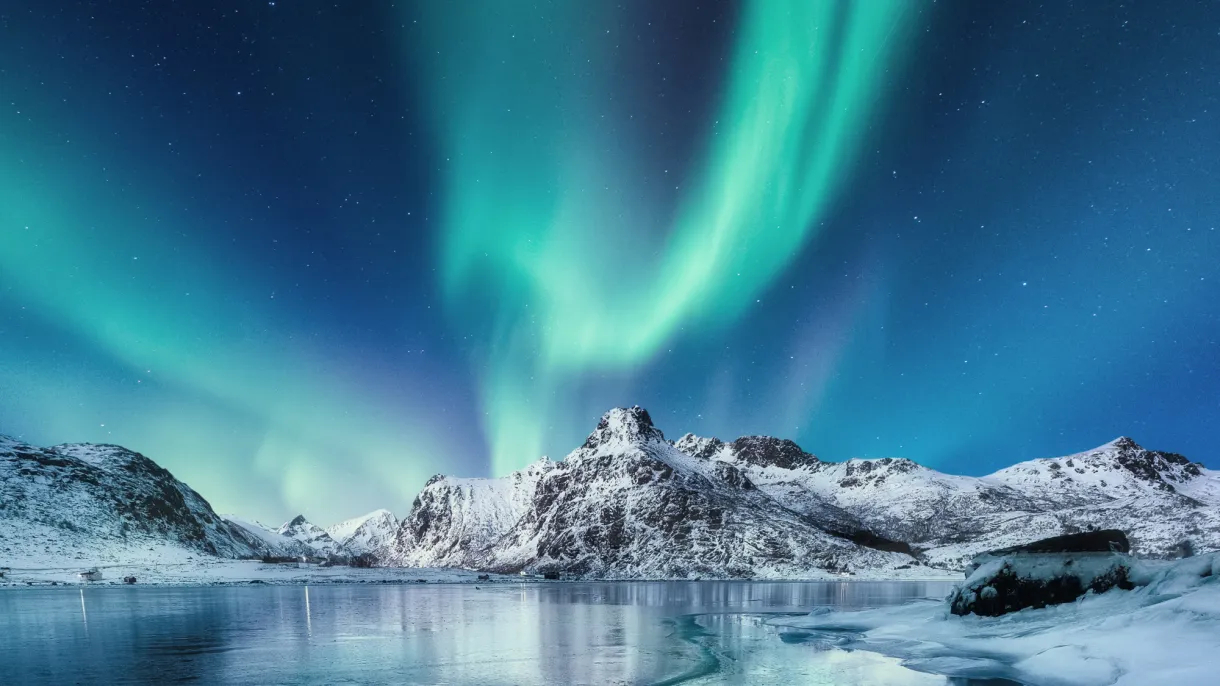
The Northern Lights are most often seen at high latitudes, close to the Earth’s poles. In Russia, this natural wonder is usually visible within the Arctic Circle, which covers about one-fifth of the country.


In this article, we’ll share the best regions in Russia to see the Northern Lights and the ideal time to visit. You’ll also find practical tips on how to prepare for your trip and maximize your chances of witnessing the aurora.
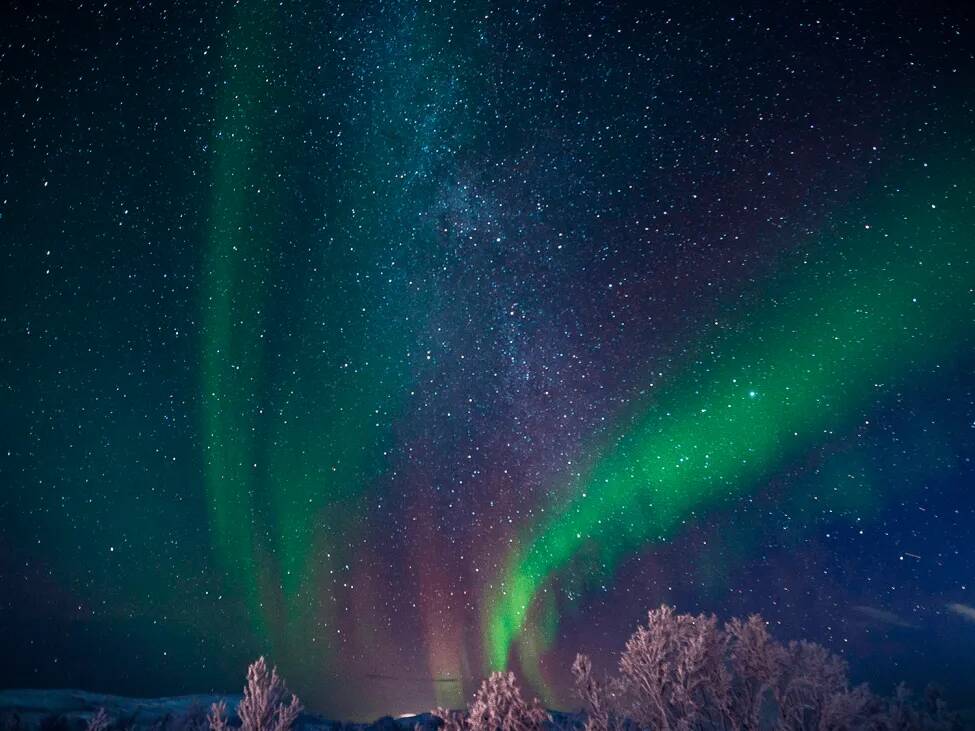
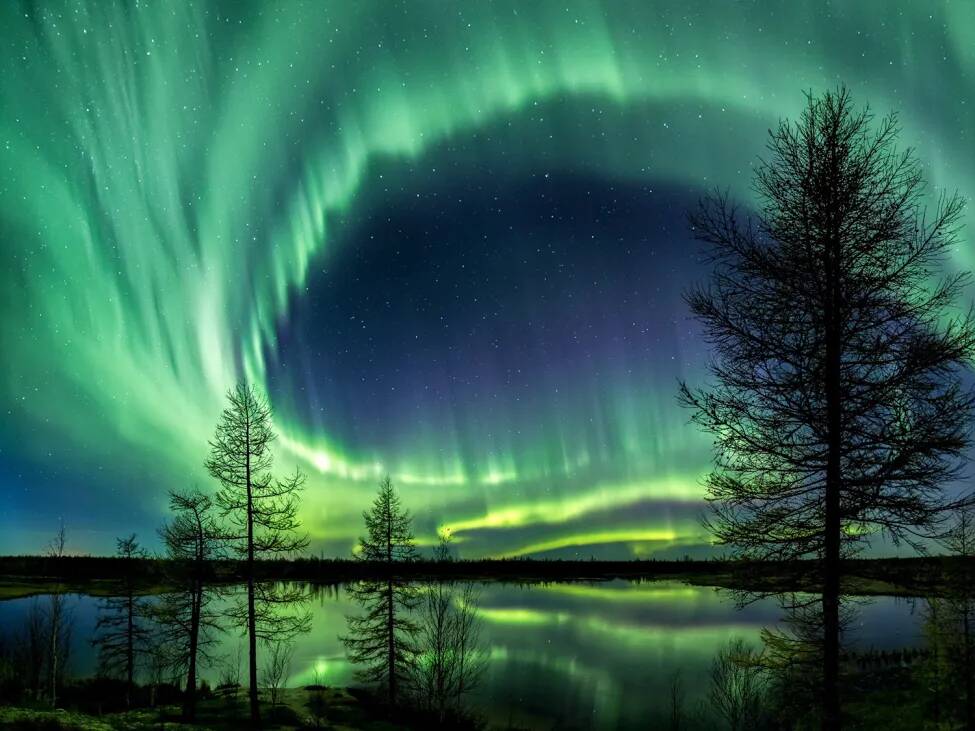
What Are the Northern Lights?

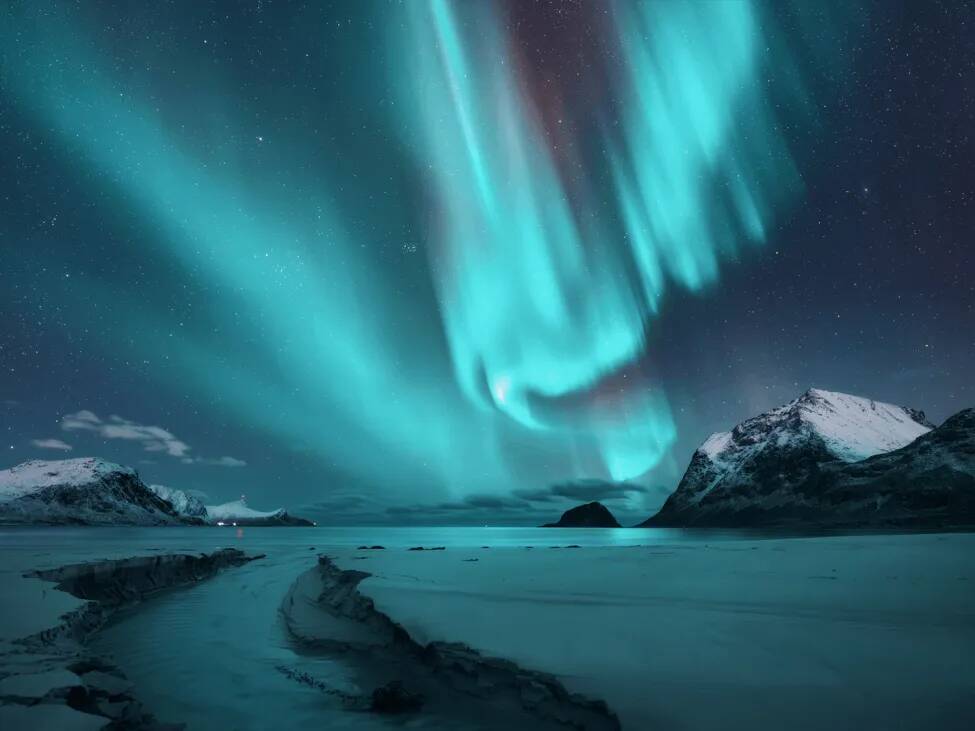
The Northern Lights — also known as the Aurora Borealis, Polar Lights, Pazori, or Celestial Carnival — occur when solar flares release charged particles that enter the Earth’s magnetic field. These particles, often called the solar wind, rush toward the poles and collide with molecules in the upper atmosphere.

This interaction produces photons, creating the dazzling glow we see in the sky. The size, color, and brightness of the aurora depend on the intensity of solar activity — the stronger the solar flares, the more vivid the display.

The longer the night, the greater your chance of witnessing the Northern Lights

When Is the Best Time to See the Northern Lights?

The aurora season typically lasts from late August to early April. As a general rule, the darker and longer the night, the better your chances of seeing the aurora. However, other factors also matter: the sky should be clear, cloud-free, and far from city lights.

That’s why the best places to see the Northern Lights are often remote and hard to reach. When snow blankets the ground, the experience becomes even more magical — the bright aurora contrasts beautifully with the dark sky and the white, glistening landscape.

The aurora borealis often appears and disappears in a matter of moments, so it’s important to be well prepared for your “hunt.” Careful planning is key: choose your viewing spot in advance, arrange reliable transportation, and be ready to wait patiently in the cold.

Top 9 Places in Russia to See the Northern Lights

Strictly speaking, the best place to see the Northern Lights is from space — from orbit, you can witness the so-called auroral oval that forms around Earth’s magnetic poles. But for now, it’s much easier (and far more enjoyable) to experience this breathtaking phenomenon from the ground.

In Russia, the aurora season usually lasts from late August to early April

Kola Peninsula

The Kola Peninsula is the most accessible and comfortable place in Russia to observe the aurora borealis. Here, you can watch the Northern Lights from late August through April. In winter, your chances are higher — the polar night lasts 42 days, giving you more time to see the lights.

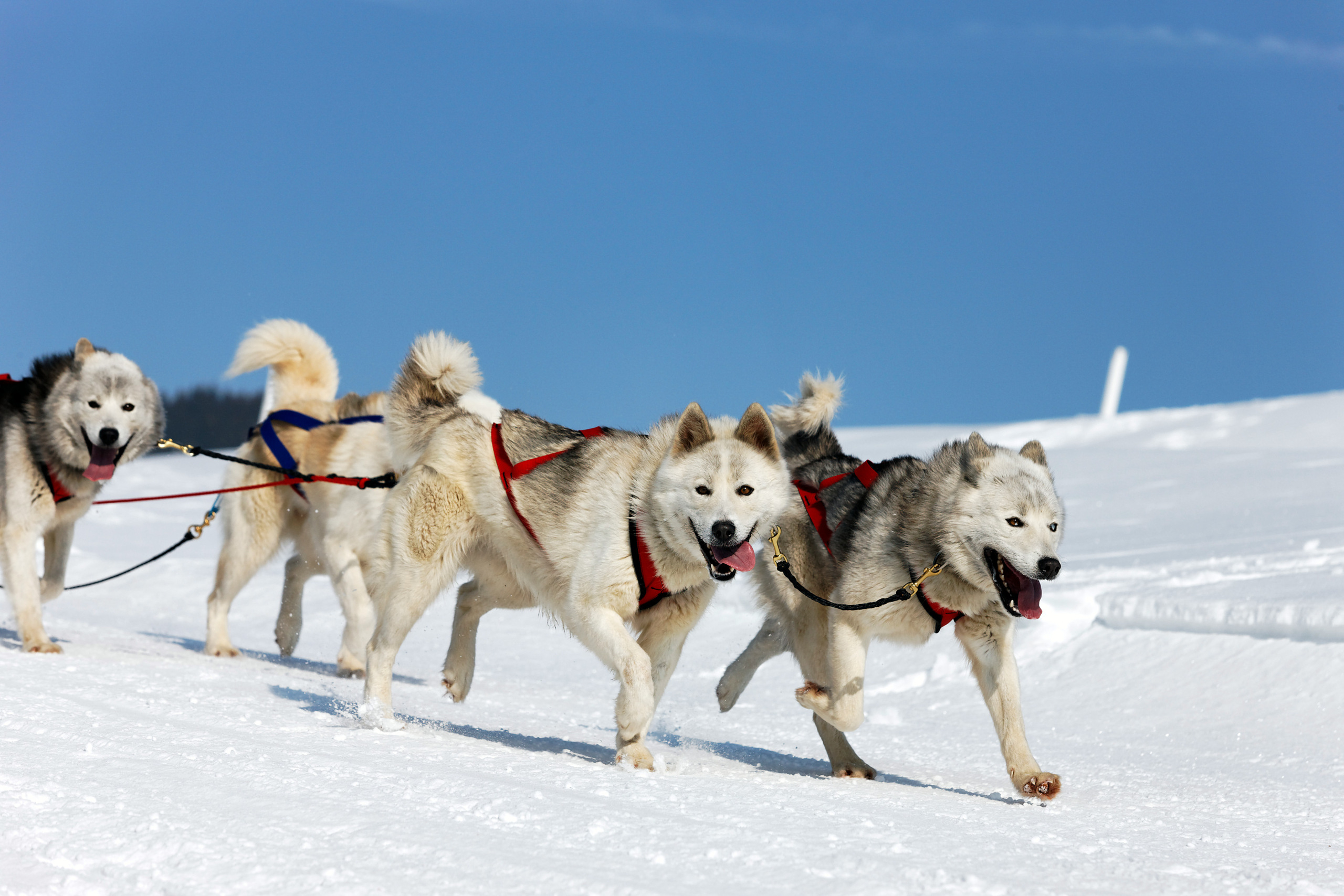
On the Kola Peninsula, you can spend the day snowmobiling, enjoying dog sled rides, and learning about the traditional Sami way of life. In the evenings, head out on aurora-hunting trips around Murmansk, the Lovozero tundra, or the shores of the Barents Sea.

A Date with the North

A Date with the North

Journey to the Kola Peninsula and Teriberka

Dates and prices are being updated.
You can book the tour
in advance and get a discount.

Get discount

Nenets Autonomous Okrug

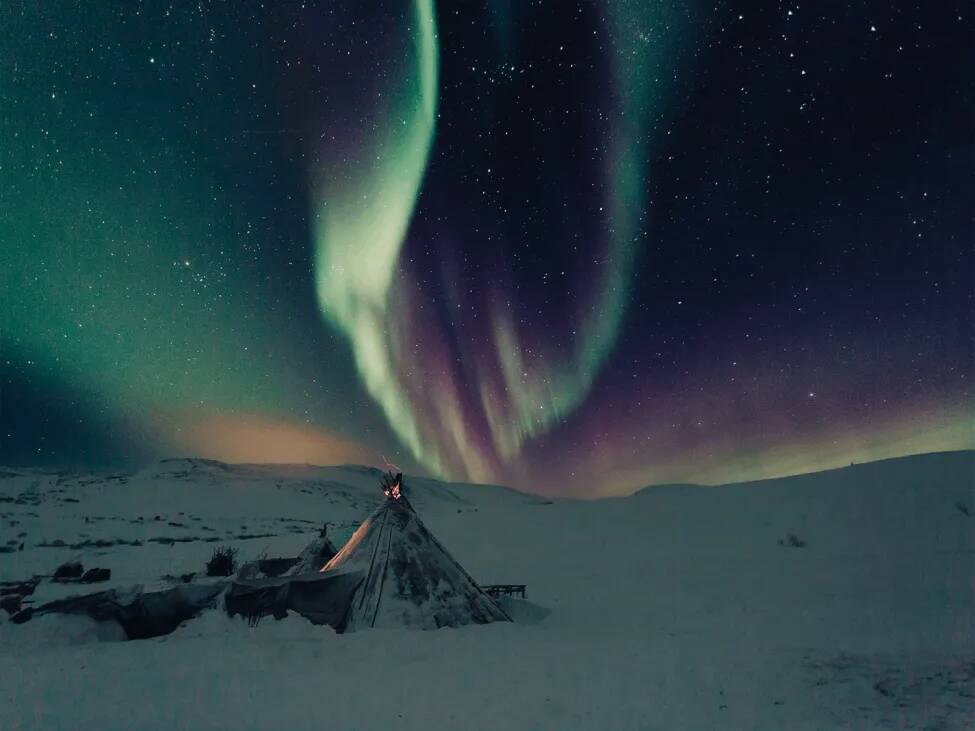
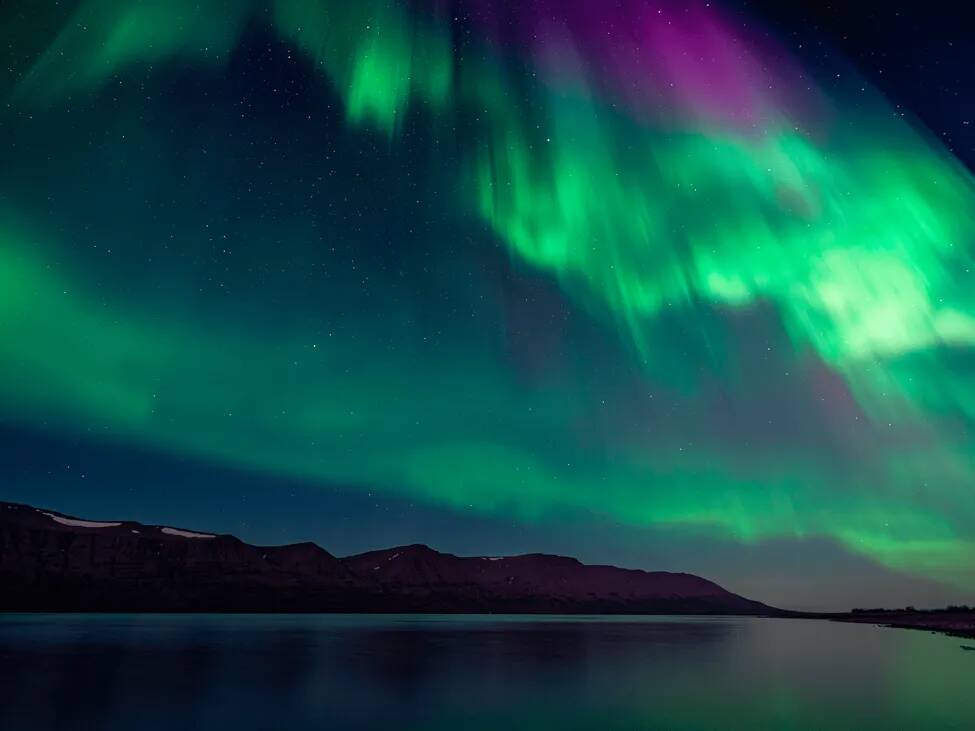
In the Arctic, the Northern Lights appear especially vivid — shimmering in hues of purple and green, like a celestial veil scattered with stars.

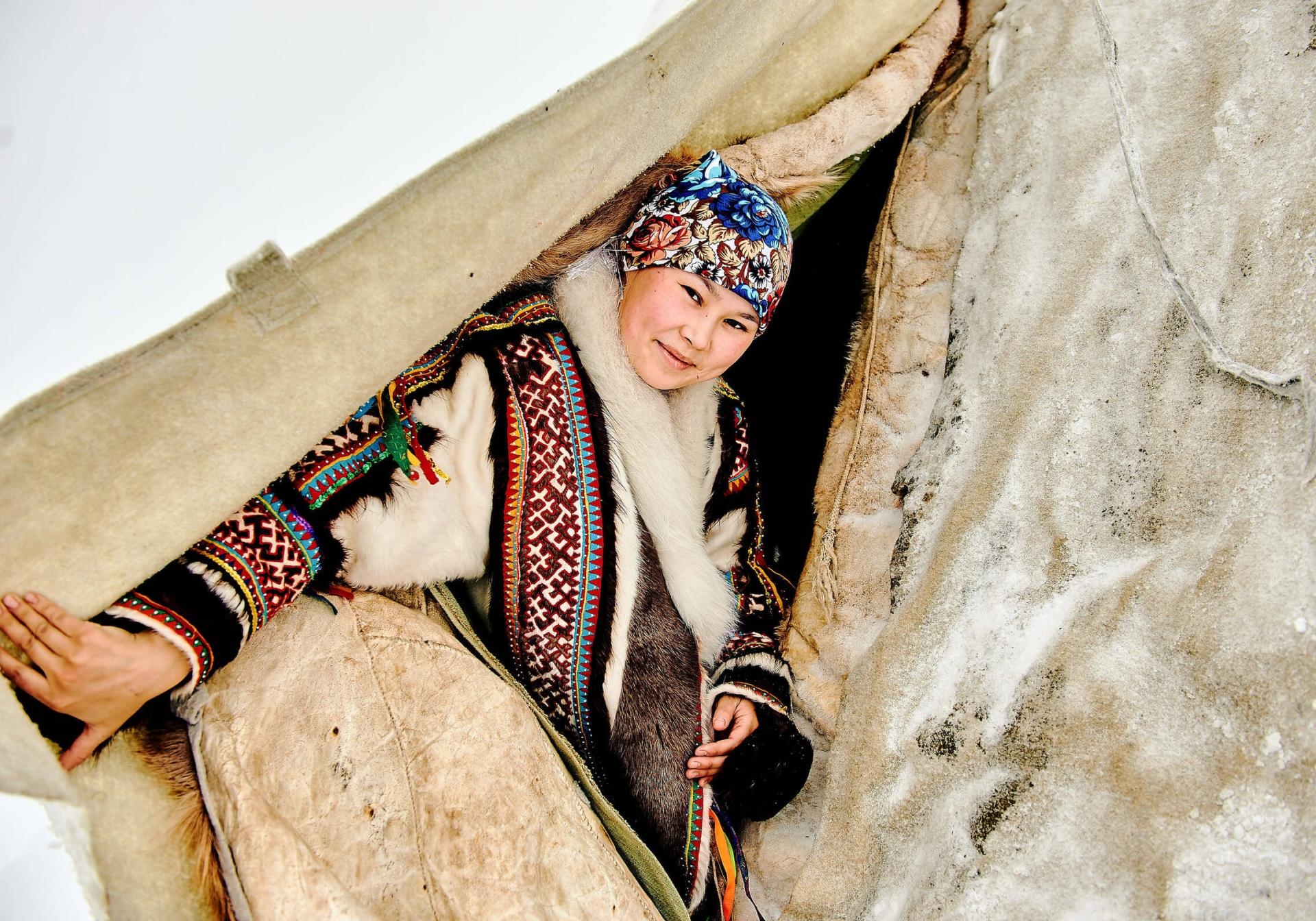
This mesmerizing phenomenon has deeply influenced the culture of local peoples, as residents of reindeer herding communities in the Nenets Autonomous Okrug often recount. In ancient times, the Sami believed the Northern Lights were the souls of their departed relatives rising into the sky.

The Sami believed the Northern Lights were the souls of the departed ascending to the sky

There was also a belief: the faster the Northern Lights moved, the stronger the wind that was coming. Each color of the aurora had its own meaning — red symbolized battles between the souls of the dead, blue and light blue represented peace and calm, while green meant that the souls of those who died unnatural deaths were wandering across the sky.

Arkhangelsk Region

The vivid northern lights can be seen, for example, in Kenozersky National Park, where the night sky remains free from light pollution. The Pomors who once lived in these lands called it “spolokh,” meaning a flash or glow in the sky, and believed it reflected the scales of fish migrating through the polar seas.

When traveling through the Arkhangelsk Region, the aurora borealis becomes a delightful addition to ski and snowmobile tours across scenic forests and snow-covered lakes.

The Pomors called the Northern Lights “spolokh” — meaning a flash or a glow in the sky

Komi Republic

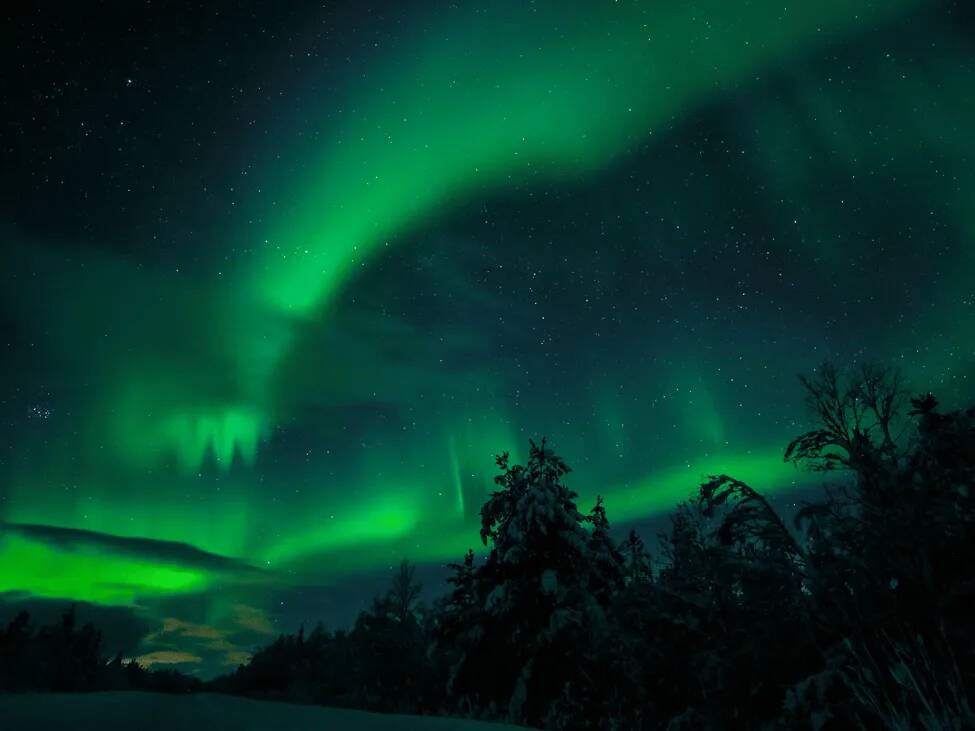
The best places to observe the aurora borealis are in the northern regions — Vorkuta, Inta, and Pechora. It typically appears as a yellow-green glow in the night sky. Interestingly, scientists have discovered that the color of the aurora depends on the altitude at which the glow occurs.

Krasnoyarsk Krai

Spectacular displays of the aurora borealis can be seen across the northern part of Krasnoyarsk Krai, but some of the most vivid shows of color appear over the Putorana Plateau. This region is breathtaking in itself — it’s no coincidence that it’s called the land of ten thousand lakes and a thousand waterfalls.

The geographic center of Russia is located here, and just to the south lies the “Russian pole of inaccessibility” — the point farthest from any transport routes. Starting in early September, you have a good chance of seeing the northern lights on the Putorana Plateau. For hundreds of kilometers, there’s nothing but mountains, deep canyons, dramatic fjords, and a maze of rivers, lakes, and waterfalls.

The color of the northern lights depends on the altitude at which the glow occurs

Yamal Peninsula

In winter, the northern lights often illuminate the vast snowy expanses of the Yamal tundra. The Khanty people believe the lights are the sled tracks of Vecherina — a girl riding a reindeer across the sky.

According to legend, she was the one who introduced reindeer to humans and taught them to live and work together. To learn more about the traditions of Yamal’s nomadic reindeer herders, sample local cuisine, listen to tundra legends about the aurora borealis, and, if you’re lucky, witness the lights yourself — join us on a journey to Yamal.

Nomadic Winter

Nomadic Winter

Ethno-tour to Yamal

Dates and prices are being updated.
You can book the tour
in advance and get a discount.

Get discount

Chukotka

Chukotka, a remote region of the Far North, is home to Beringia National Park, the easternmost protected area in Russia. The Northern Lights in Chukotka are the easternmost in Russia, visible from capes on the shores of the Arctic Ocean. Join one of our Chukotka expeditions and experience a dream worthy of true Arctic romantics.

The Northern Lights in Chukotka are the easternmost in Russia

Sakha Republic (Yakutia)

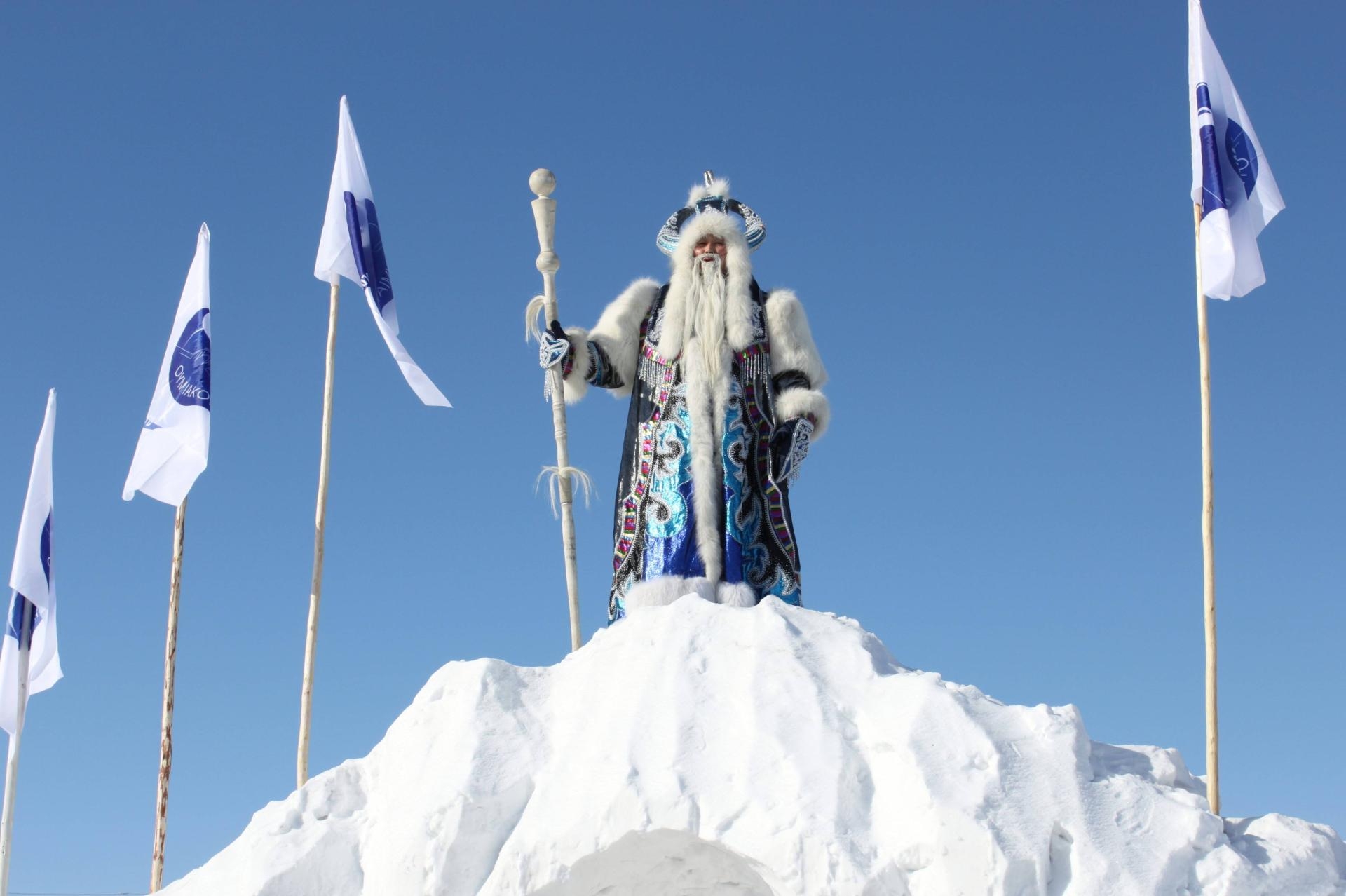
In extremely low temperatures, the air becomes especially clear and clouds are less likely to form, which makes the Northern Lights particularly visible at the Pole of Cold in Oymyakon, Yakutia.

On our Oymyakon tour, you’ll not only witness this celestial spectacle but also explore the famous Lena Pillars and learn about the daily life and traditions of the Even reindeer herders.

Expedition to the Pole of Cold

Expedition to the Pole of Cold

Ethnic trip to Yakutia in winter

Dates and prices are being updated.
You can book the tour
in advance and get a discount.

Get discount

Svalbard

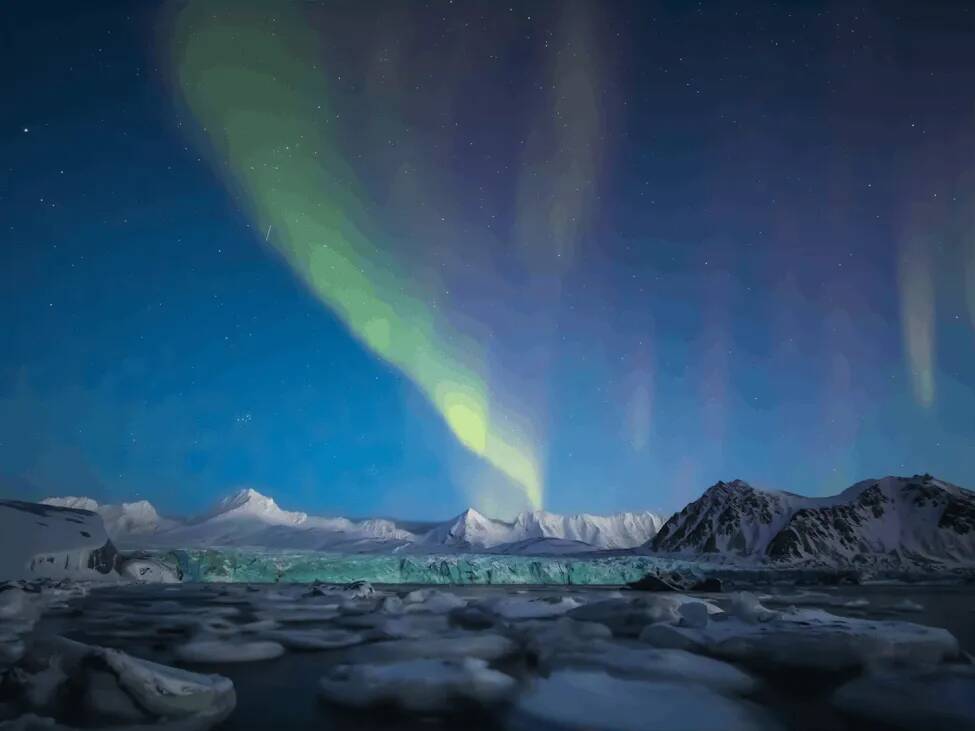
This remote Norwegian archipelago lies deep within the Arctic Circle, close to the Earth’s magnetic pole—the birthplace of the aurora borealis. As a result, the Northern Lights here differ in color and intensity from those seen over the Russian Arctic.

Svalbard is also home to two Russian settlements, Barentsburg and Pyramiden. Although they are formally under Russian jurisdiction, their tourist accessibility is about the same as that of Norwegian towns. Here, you can also encounter polar bears, admire stunning fjords, and explore magnificent glaciers.

On Svalbard, the aurora borealis is known for its remarkable intensity

Checklist for Hunting the Northern Lights

Spotting the Northern Lights isn’t as difficult as it might seem at first glance. Of course, a bit of luck always helps, but if you follow a few simple tips, your chances of success will increase significantly:

  • Travel in search of the aurora from late August to early April — this is the best time to see the Northern Lights.
  • Check the aurora and cloud forecasts for your chosen observation spot.
  • Pick a location far from city lights to avoid light pollution.
  • Be patient and prepared: the aurora may take several hours to appear. Dress warmly, and bring snacks and a thermos of something hot.

Northern Lights Forecast

If you want to know where and when to catch the aurora, we recommend using the following services:

1. Aurora Forecast

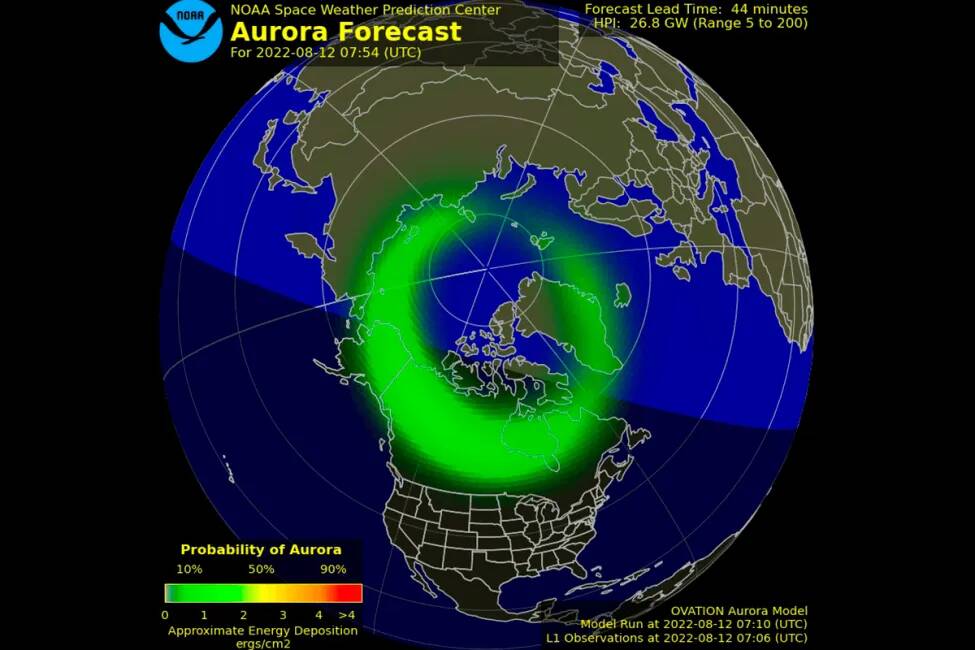
This widget visually shows the regions where the chances of seeing the aurora are highest.

Aurora probability map

2. Weather Forecast

Pay special attention to cloud cover — you can easily track it on windy.com. If you’d like to make your own Northern Lights forecast, study the space weather reports.

The most important factors are geomagnetic activity and solar flares. You can find this data, for example, on the website of the IZMIRAN Institute.

How to Photograph the Northern Lights

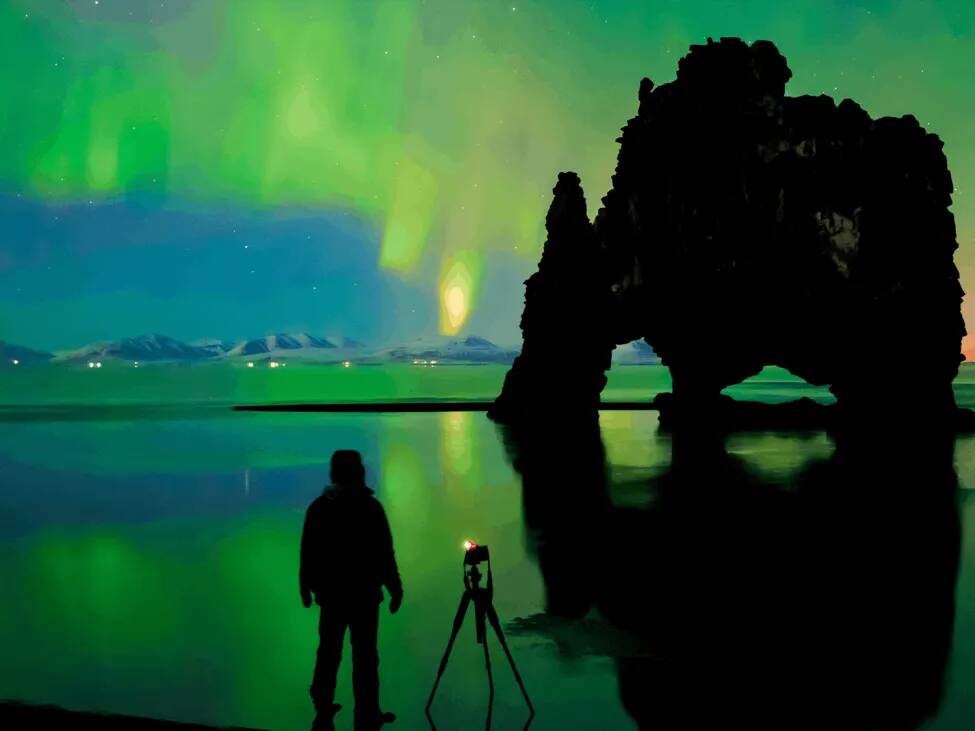
Capturing a beautiful shot of the aurora on a smartphone is difficult, even with a long exposure. For the best results, use a camera with high light sensitivity and noise reduction. Choose a wide-angle lens with an aperture of f/2.8 or wider and minimal vignetting. And don’t forget a tripod — it’s essential for sharp, stable images.

We recommend bringing a tripod for photographing the Northern Lights

If you’re dreaming of going on a Northern Lights “hunt” but aren’t sure where to start, we’re here to help. We’ll organize an unforgettable adventure — all you need to do is pack your suitcase.

Explore our collection of tours with excellent chances to see the aurora. If you have any questions, call us at +7 (495) 104-64-36 or email us at hello@russiadiscovery.ru

Contributors
Elizaveta Strogalshchikova
Managing Editor
Ezhena Bykova
Proofreader
Maria Potapova
Translator

Notice an error or inaccuracy?

Write to us

Great-Value Flights to the Russian Far East with Aeroflot

2.02.2026
6 minutes
121

Discover Russia: Inviting the World to Explore

8.10.2025
8 minutes
238

Where to See Polar Bears: The Best Places to Meet the Symbol of the North

7.10.2025
15 minutes
103

Wrangel Island: A Journey to the Edge of the World

4.09.2025
16 minutes
520

A Week in Karelia: Dog Trekking, Cycling, and Rafting

12.08.2025
7 minutes
123

Best Places to Visit in Kamchatka

16.07.2025
1 minute
124