RussiaDiscovery Magazine

We write about Russia so that the native land ceases to be Terra Incognita.

topchaeva
bobir
konstantin

Authors

Coming Soon

We collaborate with masters of words who are in love with travel.

Winter Traditions Across Russia

Christmastide fortune-telling, New Year celebrations, and winter solstice rituals

Travel Ideas
05.02.2026
12 minutes
35
Article photo

Across Russia—from the Arctic tundra to the southern mountains, and from the Kola Peninsula to Chukotka—many Indigenous peoples have preserved traditions shaped by nature’s rhythms and centuries-old ways of life.


A special place among these customs belongs to the New Year and other winter celebrations. In this article, we explore how different regions mark the season, the rituals they perform, and the traditional dishes served during these festive occasions.

Winter Solstice Traditions

In winter, daylight hours grow shorter. Today, electric lighting means this has little impact on our daily routines, but for earlier generations, preparing for the long winter months was an essential part of life. This was especially true in the Russian North, where the polar night lasts for several months. Nomadic peoples shortened their migration routes and prepared sheltered winter camps, the Pomors turned to sea hunting, and reindeer herders focused on caring for their herds.

Food preservation was equally important. Meat was dried, smoked, or stored in snow and ice, allowing it to last until spring. Oil lamps and hearth fires replaced the sun as sources of light, giving rise to shared traditions—songs around the fire, games, and long evenings spent together—that helped lift spirits during the darkest months.

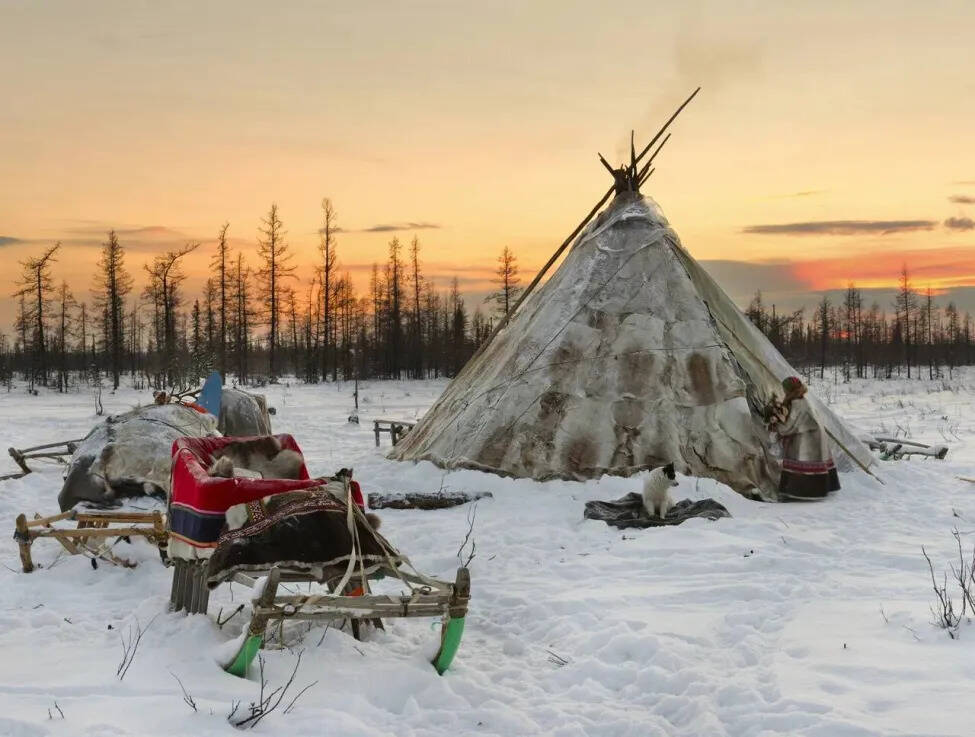
The lives of nomadic peoples are closely tied to the rhythms of nature

The winter solstice marked a significant turning point in the natural calendar. From this day onward, daylight gradually begins to return, signaling that the harshest part of winter is over and spring is drawing closer. Communities traditionally celebrated by lighting bonfires, singing, and making offerings to the fire, symbolically helping the sun make its return.

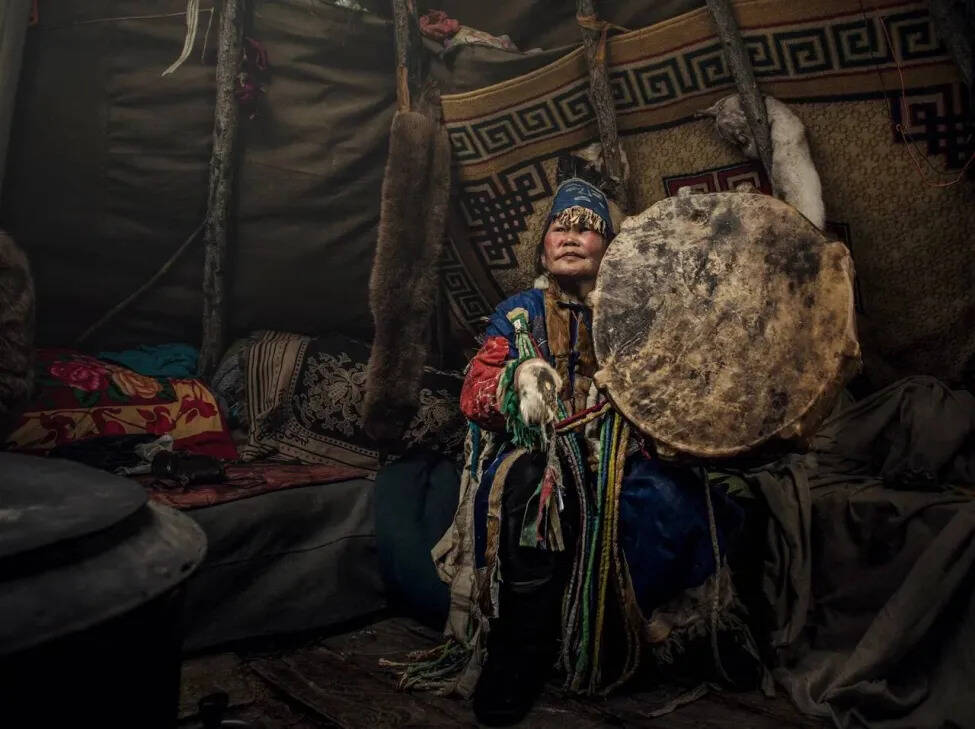
Many of these ancient traditions are still observed in parts of Russia today. The Nenets and other Indigenous peoples of the North gather around ceremonial fires, offering prayers and singing traditional songs. Shamans perform smoke-cleansing rituals to ward off misfortune, and communities across the taiga and tundra pray for the health of their reindeer herds and success in the hunt. Visitors can witness these traditions in northern villages, at cultural festivals, and in ethnographic parks and open-air museums.

Shamanic traditions remain an important part of the cultures of many Indigenous peoples in Siberia and the Russian Far East

Christmastide (Svyatki)

Svyatki, or Christmastide, is a holiday where Christian traditions intertwine with ancient pagan customs. In the Orthodox tradition, it is a time to celebrate the birth of Christ. In pre-Christian beliefs, it is a mystical period when the boundary between the human and spirit worlds is believed to become thinner.

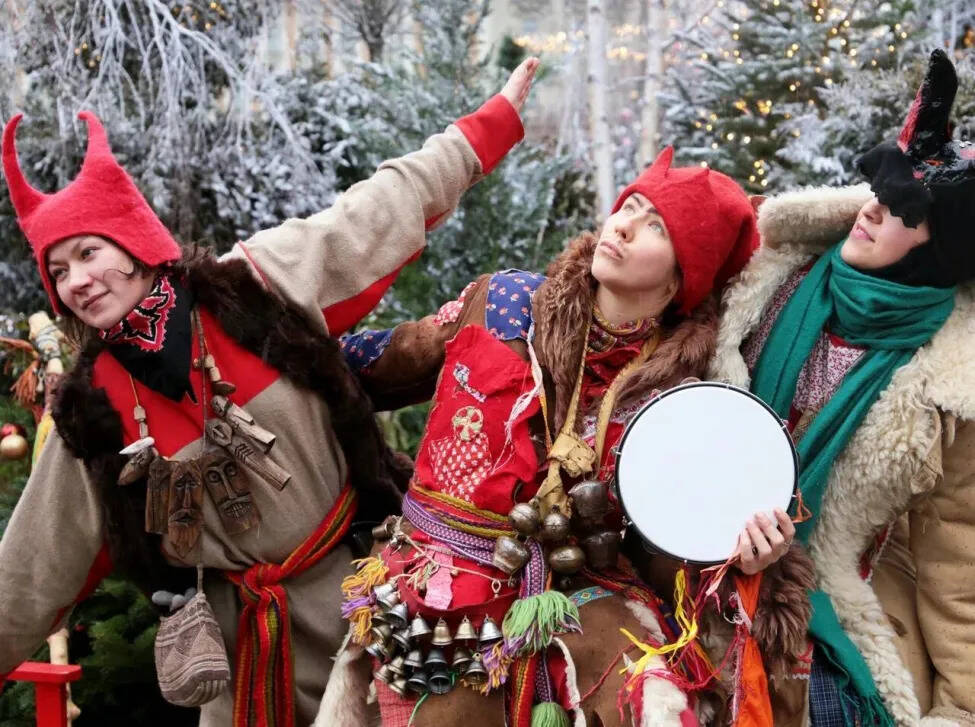
Svyatki lasts from Orthodox Christmas (7 January) to Epiphany (19 January). Festive folk traditions—including kolyadki (caroling), fortune-telling, and vertep—take place alongside church services and religious observances. Young people dance in circles and tell fortunes about their future spouses. Costumed performers go from house to house, staging short plays and singing shchedrovki.

Christmastide is one of Russia's most joyful traditional winter celebrations

During this period, cities host open-air fairs filled with artisan stalls, local food, and holiday markets. On the Epiphany Day, many Orthodox Christians follow the tradition of immersing themselves in ice holes cut into frozen rivers or lakes. In many ways, the symbolism of Svyatki echoes that of the winter solstice: both celebrate the return of light and express hopes for a prosperous year ahead.

How different peoples of Russia celebrate Svyatki:

  • The Pomors, who live along the White Sea coast and in the Arkhangelsk Region, pray for a successful fishing season and gather for festive meals featuring smoked fish.
  • The Komi symbolically "sweep" evil spirits out of their homes with juniper branches, then chase them on horseback toward the Epiphany waters.
  • The Ukrainian communities of the Saratov Region perform the tradition of posevaniye ("sowing"): they visit homes, scatter grain, and wish prosperity, health, and good fortune upon the household and its livestock.
  • The Veps traditionally held public bride-viewing ceremonies on Epiphany. Young women stayed with relatives in neighboring villages to broaden their circle of acquaintances and potential suitors.
  • For the Sámi, 7 January is the Festival of Pure Snow. They light a bonfire using a ritual birch tree prepared during the summer, brew herbal tea and salmon fish soup over the fire, and share the festive meal outdoors on the snow. The celebration also includes shamanic songs, prayers for success in reindeer herding, traditional games, Sámi football and reindeer sleigh rides.
  • The Indigenous peoples of the taiga and tundra, including the Nenets, Evenki, Khanty, and Mansi, perform ceremonies for the health of people and animals, hold shamanic rituals, dance in circles, and celebrate successful hunts with communal feasts.

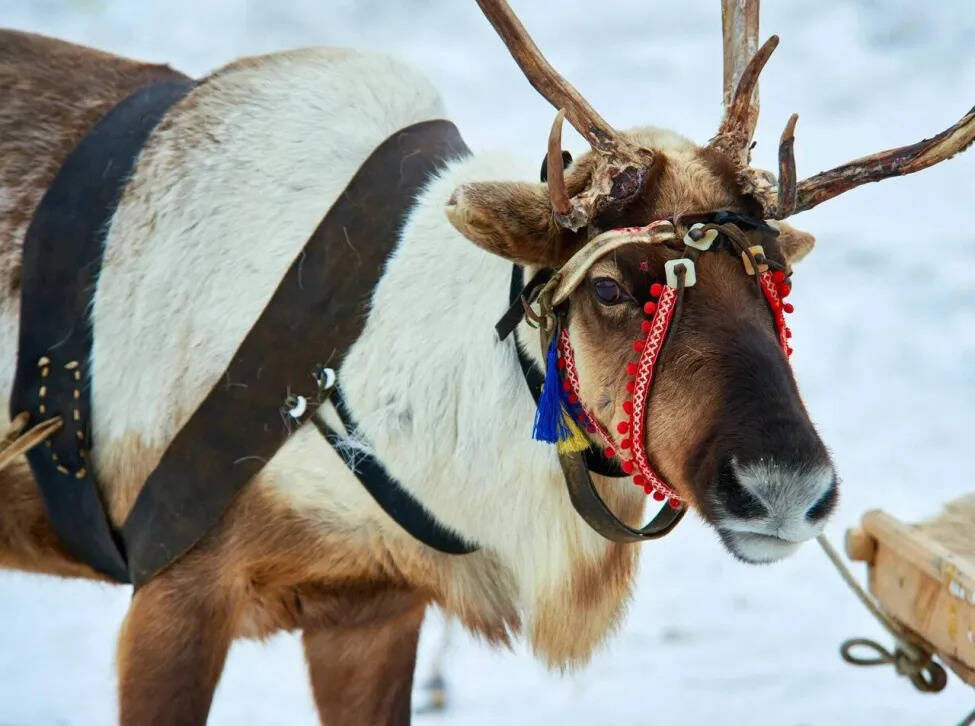
The reindeer has long been central to the livelihoods and culture of the peoples of the Russian North

For travelers, Svyatki offers a unique opportunity to experience the richness of Russia's cultural traditions—from vertep puppet theatre in Russian villages to shamanic songs in the tundra. Between 7 and 19 January, cities and cultural centers host public festivals and performances. In rural communities, celebrations are typically more traditional and intimate.

How Different Peoples of Russia Celebrate the New Year

Pegytti — New Year in Chukotka

Pegytti is celebrated on the night of the winter solstice (in 2026, from 21 to 22 December). The festival takes its name from the Pegytti constellation, known in modern astronomy as Aquila. According to Chukchi tradition, the appearance of its brightest star marks the arrival of the New Year.

The Chukchi perform rituals to gain the favor of benevolent spirits known as vairgyt:

  • Lighting a sacred fire. Every family keeps its own traditional fire-making tools, passed down through generations. Typically, these consist of a wooden board with small holes and a wooden spindle. Fire created this way is considered sacred and is used for ritual bonfires and offerings to the spirits.
  • Making an offering. Traditionally, a reindeer was sacrificed. Today, many families use symbolic substitutes such as yukola, dried intestines, or a sealskin.
  • Painting family members' faces with the blood of the sacrificial animal to conceal them from evil spirits.
  • Holding traditional competitions, including wrestling, dog-sled and reindeer-sled races, listening to shamans playing ceremonial drums, and singing ancestral songs.

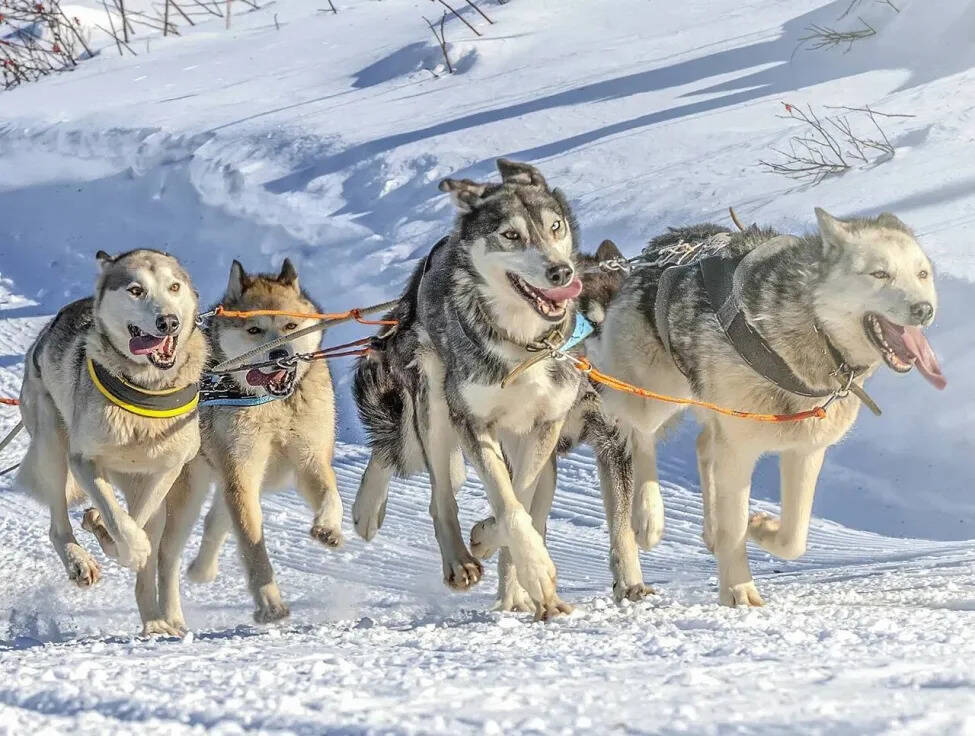
Every year, Kamchatka hosts the large-scale Beringia dog sled race

Roshtuvan Kud — New Year in Mordovia

In Mordovia, the New Year begins on the winter solstice, and the celebrations continue until Christmas. Before the festivities begin, women pray for the well-being of their people. Young people gather in the Roshtuvan Kud ("Christmas House"), where they prepare sweet kvass and pies filled with guelder rose berries.

On 31 December, everyone dresses in traditional carnival costumes decorated with Mordovian ornaments and takes part in festive celebrations filled with songs and dances. Children dress up as bears and mythical characters.

Surkhuri — New Year in Chuvashia

Surkhuri is celebrated during the winter solstice period. Its name, meaning "sheep's leg," comes from an old fortune-telling custom. Young women would enter a sheepfold, blindly grab a sheep by the leg, and pull out a tuft of wool. White wool foretold a fair-haired future husband; black wool meant he would be dark-haired.

Today, Surkhuri is celebrated with lively festivities featuring songs, dances, caroling, fortune-telling, and generous feasts. It is believed that eating heartily during the holiday ensures prosperity throughout the coming year. Traditional dishes include yăva pastries made from unleavened dough, festive porridge, flatbreads, sausage, and roasted peas.

A particularly fun tradition involves fortune-telling with meat dumplings. Each dumpling contains a symbolic surprise: a coin promises wealth, salt predicts tears or hardships, and flour represents abundance and prosperity.

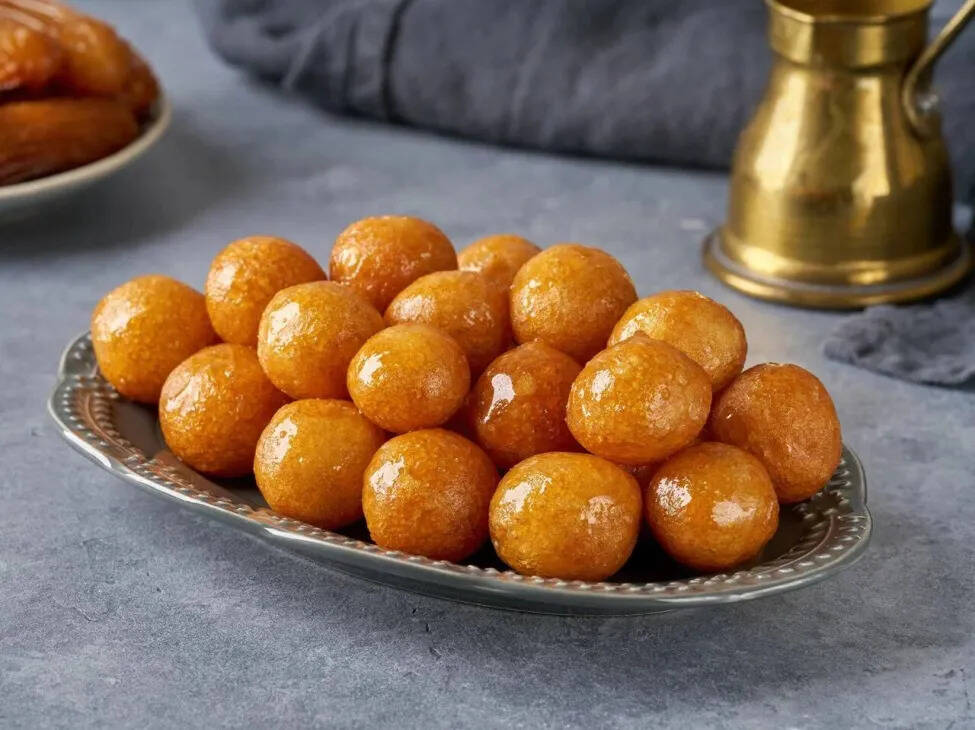
Yăva pastries are one of the symbols of the Chuvash New Year

Sagaalgan and Zul — Two Buddhist New Year Celebrations

Sagaalgan (the Buryat White Month) and Zul (the Kalmyk New Year) are two closely related Buddhist festivals. Both are celebrated on the 25th day of the 10th lunar month, so their dates change each year. In 2026, Sagaalgan falls on 18 February, while Zul is celebrated on 14 December. Both holidays center on purification, prayer, and family traditions.

New Year traditions of Sagaalgan and Zul:

  • On the day before the New Year, families stay at home, thoroughly clean their houses, and pray. Quarreling and long journeys are avoided.
  • Special "white foods"—such as sour cream, cheese, cottage cheese, and fermented milk—are prepared as symbols of purity.
  • The celebrations begin with a service at a Buddhist temple. Buryats exchange khadags, ceremonial silk scarves.
  • The morning is spent with family before welcoming guests later in the day.
  • Buryats perform a symbolic cleansing ritual using a piece of dough called tabalen, believed to absorb illness and negative energy. Before sunrise, they place tea and a piece of ice outside their yurt—or on a balcony. The tea is offered to the protective goddess Palden Lhamo, and the ice is left for her horse. If the ice has partially melted by morning, it is considered a sign that the goddess has visited and blessed the household.
  • Kalmyks light zulin—special butter lamps made from dough—for every family member. Each lamp contains a bundle of feather grass stems used as a wick. The number of stems corresponds to the person's age, with one or two extra added to symbolize a long life. In the evening, the head of the household lights the lamps outdoors and prays for the longevity of loved ones. Once the flames go out, the wicks are removed, and the dough is fried into flatbreads, which the family shares together.

Nowruz — New Year in Tatarstan

Nowruz is celebrated on the vernal equinox. In the morning, children and young people visit elderly neighbors, singing, dancing, receiving treats, and asking for blessings.

The festivities feature horse races, running competitions, archery, and kuresh, the traditional Turkic style of wrestling. The celebration also includes the selection of Navruzbike, the most beautiful and accomplished young woman, who is asked to predict the coming harvest and the fortunes of the year ahead. The festival concludes with the burning of a straw effigy dressed as a woman, symbolizing the departure of winter.

In 2009, UNESCO added Nowruz to the Representative List of the Intangible Cultural Heritage of Humanity.

Traditional festive dishes include beshbarmak, pilaf, kazysumalakchak-chak, tea with milk or cream, and kumis. Like Orthodox Easter, Nowruz among Turkic peoples also includes the tradition of decorating eggs.

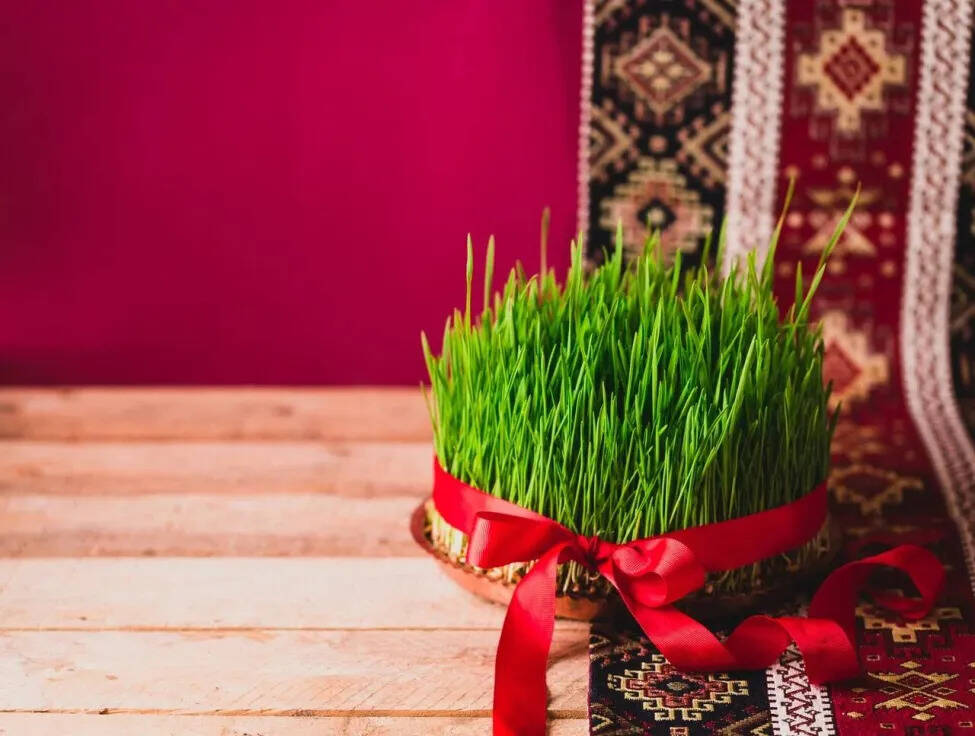
Homes are decorated with fresh wheat sprouts during the Nowruz celebrations

Ysyakh — New Year in Yakutia

The Yakuts celebrate the New Year at the height of summer. Ysyakh, meaning "abundance," is held around the summer solstice. The dates vary each year; in 2026, the celebrations will take place from 10 to 25 June.

The Yakuts celebrate the New Year with a number of distinctive rituals:

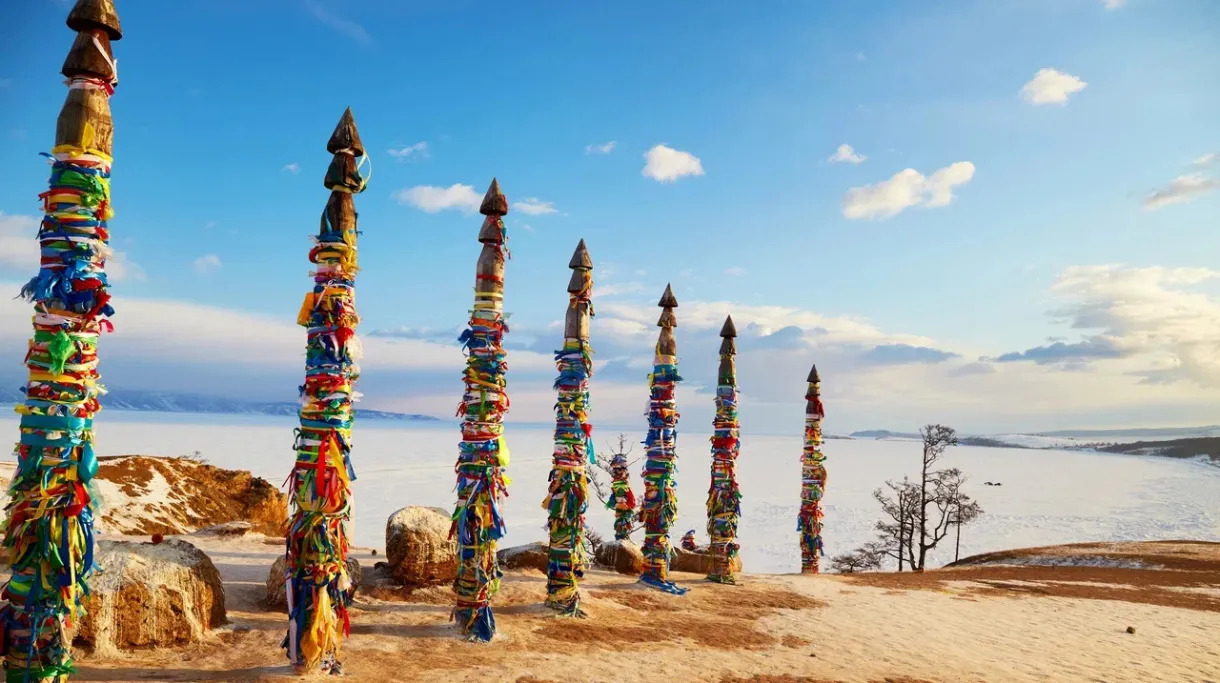
  • Welcoming the Aiyy—benevolent deities who, according to Yakut beliefs, descend to Earth during Ysyakh. To welcome the fiery horses of the Aiyy deities, the Yakuts erect serge—traditional horse-hitching posts. These are decorated with colorful ribbons as a sign of respect and welcome to the gods.
  • Performing the Osuokhai, a circular dance that follows the path of the sun, symbolically closing the old year and welcoming the new.
  • Feeding the fire by offering kumis, butter, and flatbreads to thank and appease the spirits.
  • Burning old belongings to leave the past behind.
  • Drinking kumis and exchanging algys, traditional words of blessing and good wishes.
  • Holding horse races and traditional sporting competitions to test participants' strength and readiness for the challenges of the coming year.

Traditional Crafts and Household Customs

Many of Russia’s Indigenous peoples continue to preserve their traditional crafts and livelihoods, passing down skills and knowledge from one generation to the next.

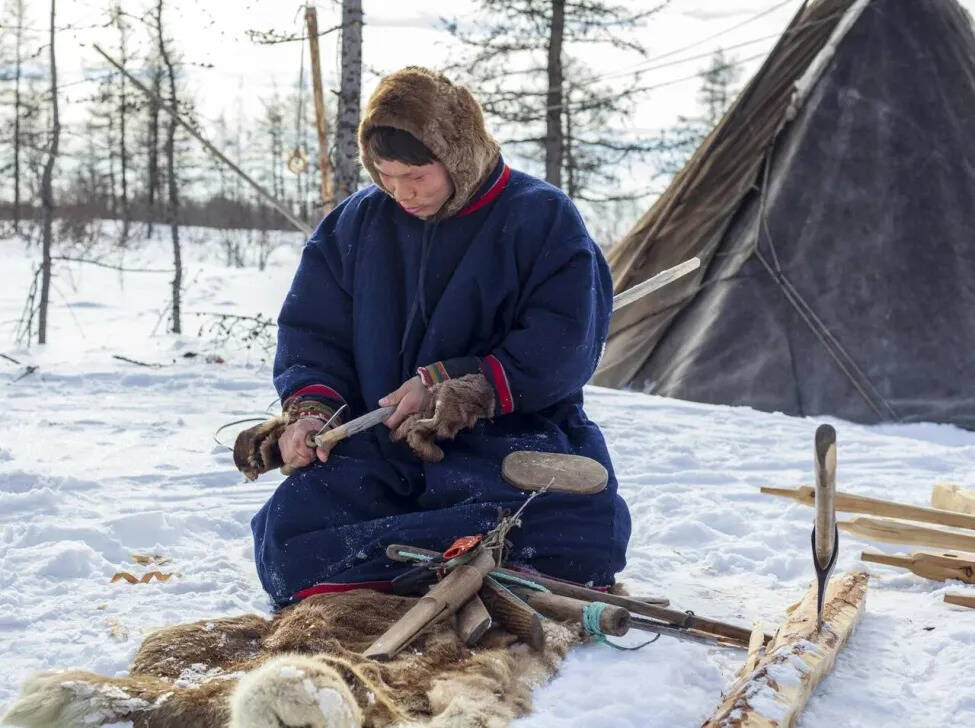
Daily life and local traditions have long been shaped by the natural environment. In the tundra, people migrated with their reindeer herds, cared for the animals, built traditional sleds, and tanned reindeer hides. In the forests, they mastered woodcarving and fur processing. Along the coasts, communities built boats and relied on fishing, smoking, salting, and air-drying their catch to preserve food throughout the winter.

Reindeer herders still craft traditional sleds by hand today

These craft traditions remain alive in mountain villages, Old Believer settlements, and nomadic communities. Ethnographic parks and cultural festivals offer demonstrations by skilled artisans, and visitors can join hands-on workshops to create their own souvenirs to take home. Many experiences also include cooking traditional dishes and sampling regional specialties.

What you can see and experience across Russia in winter:

Altai. Discover shamanic rituals, take part in blacksmithing and woodcarving workshops, and visit an Old Believer village, where you can enjoy herbal tea with high-mountain honey and make your own traditional protective doll.

Lake Baikal. Try ice fishing for grayling on the frozen lake and learn about the everyday life of local fishermen. Make a wish at the Buddhist Stupa of Enlightenment, then visit a cozy Buryat yurt to sample traditional cuisine and Siberian herbal tea.

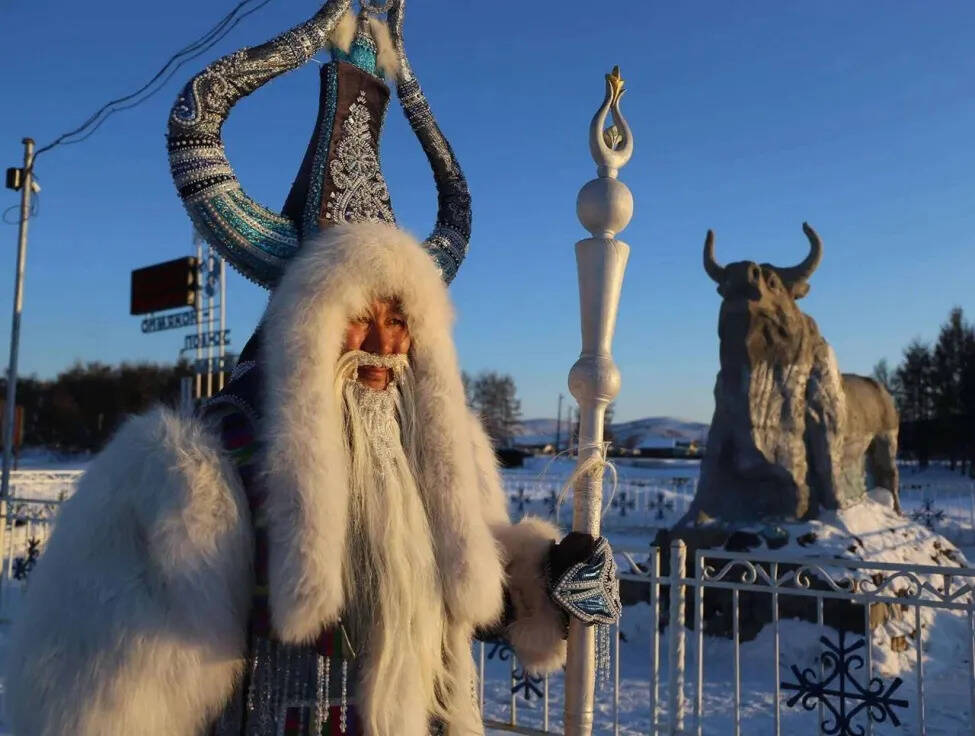
Yakutia. Visit reindeer herders' camps and take part in the algys purification ritual, which includes the ceremonial lighting and offering of fire. You'll also travel to Oymyakon—the Pole of Cold—and receive a commemorative certificate from Chyskhaan, Yakutia's Father Frost.

Yakut Chyskhaan is the Spirit of Cold, depicted as half man and half bull

Siberia. Taste traditional stroganina (thinly sliced frozen raw fish) and Siberian omul. Hike among the striking syenite rock formations of the Krasnoyarsk Stolby Nature Reserve, then unwind in a traditional Siberian banya, surrounded by the rich aroma of wood.

The Kola Peninsula. Befriend playful huskies, glide through snow-covered landscapes by sleigh, and embark on a voyage across the Barents Sea, with the chance to spot majestic whales.

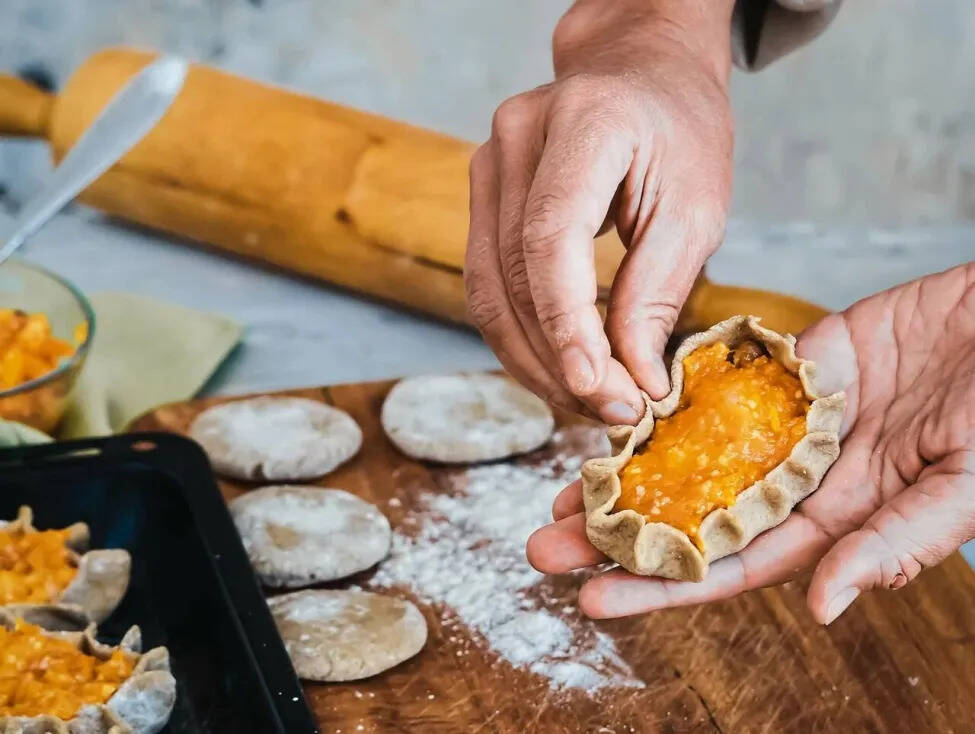
Karelia. In the Russian North, join a cooking workshop and prepare regional specialties such as kalitki pastries, mushroom soup, and Scandinavian-style trout. Ride through snowy forests on a husky sled before relaxing in a traditional lakeside banya on the shores of Lake Ladoga.

Karelian kalitki can be filled with berries, mushrooms, potatoes, or cottage cheese

Kamchatka. Ride a dog sled through snow-covered forests, relax in natural hot springs, and enjoy ice fishing for smelt, char, flounder, herring, rainbow trout, and grayling.

Yamal. Experience the life of a Nenets reindeer herder by staying in a traditional chum tent in the tundra, tasting meals cooked over an open fire and in a wood-burning stove, and learning how to harness and drive a reindeer sled.

The Caucasus. Visit Chechnya's magnificent mosques and hike through the mountains of Dagestan. Sample regional cuisine and discover traditional craftsmanship at the Kubachi Ethno House and the Carpet Museum in the ancient city of Derbent.

To learn more about the traditions of Russia's Indigenous peoples and take part in authentic workshops, festivals, and traditional ceremonies, explore our collection of ethnic and cultural tours. Browse the full selection on our website. If you have any questions, feel free to call us at +7 (495) 104-64-36 or email us at hello@russiadiscovery.ru —we'll be happy to help.

Contributors
Ekaterina Usova
Executive Editor
Sofya Schmidt
Proofreader
Maria Potapova
Translator

Notice an error or inaccuracy?

Write to us

Swan Hellenic: Expedition Cruises and Ships

21.05.2026
11 minutes
165

Great-Value Flights to the Russian Far East with Aeroflot

2.02.2026
6 minutes
986

Guide to Arkhangelsk: What to See in the Capital of Pomorye

5.12.2025
17 minutes
294

“This Is Our Apology to Nature”: How Marine Mammals Are Being Rescued in Russia

21.10.2025
14 minutes
333

Discover Russia: Inviting the World to Explore

8.10.2025
8 minutes
741

Where to See Polar Bears: The Best Places to Meet the Symbol of the North

7.10.2025
15 minutes
1061