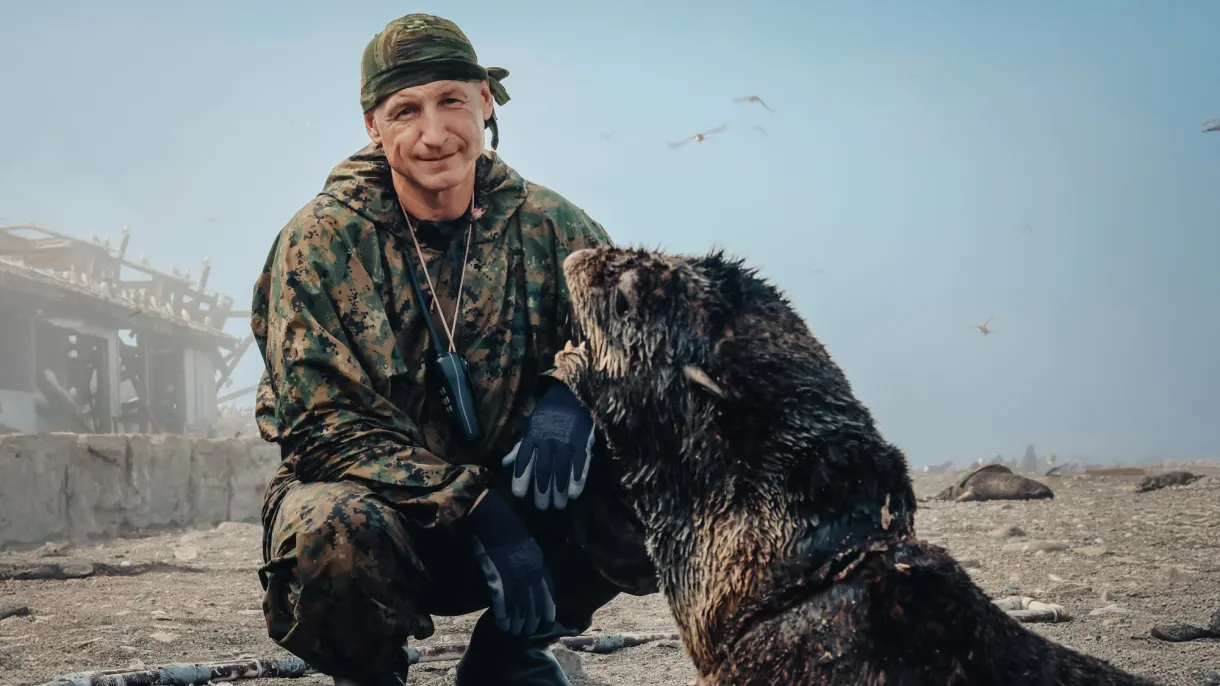
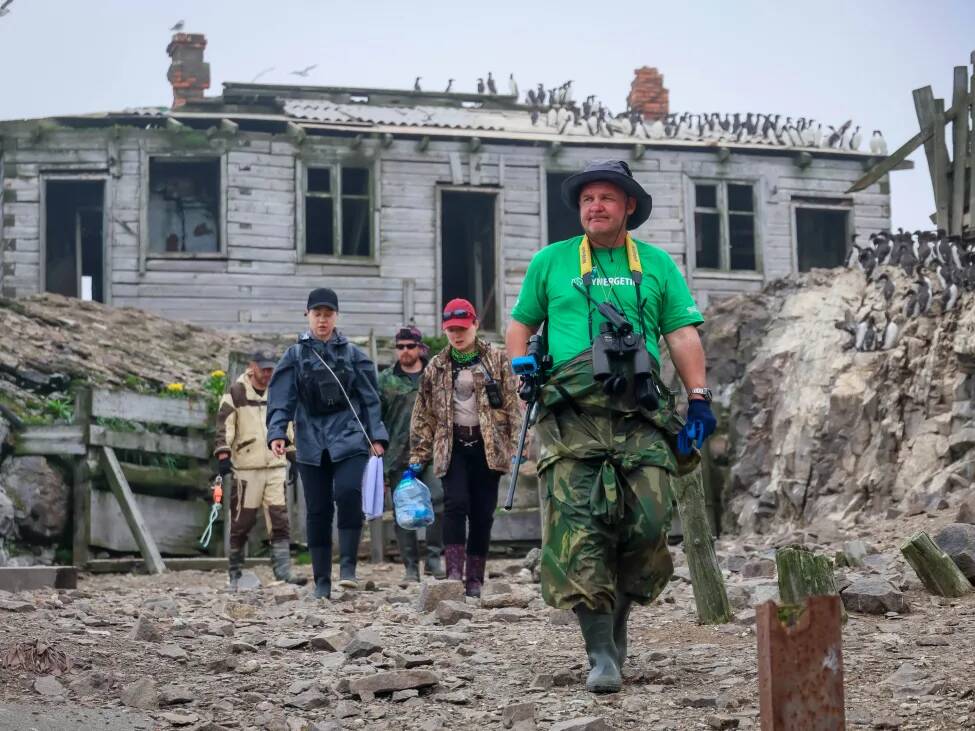
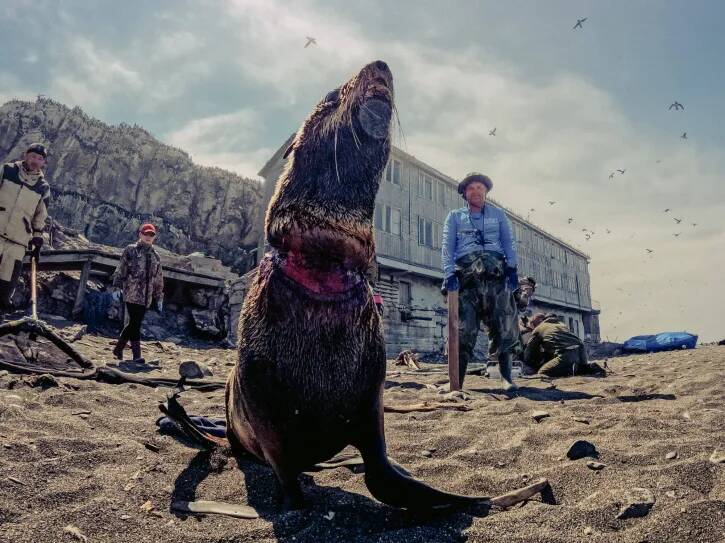
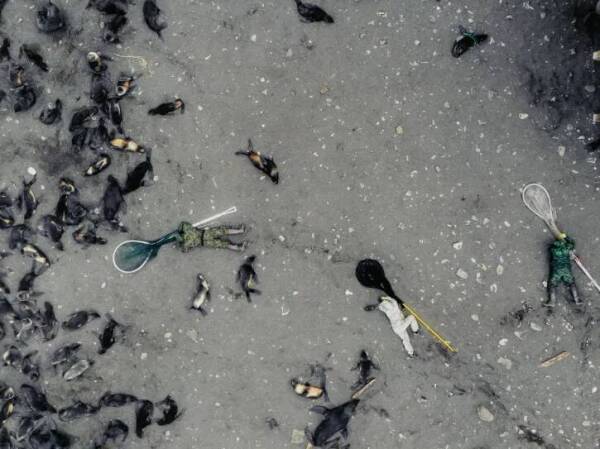
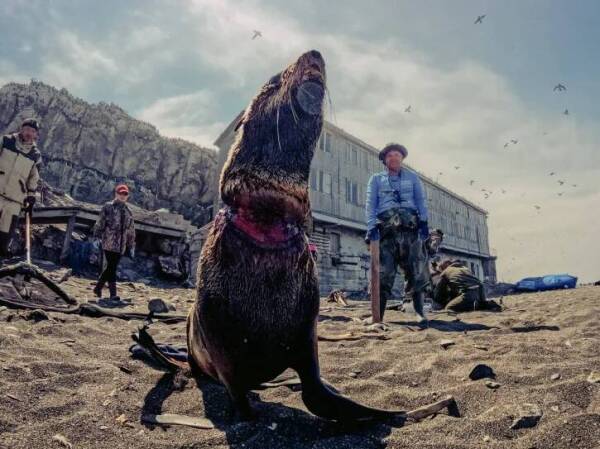
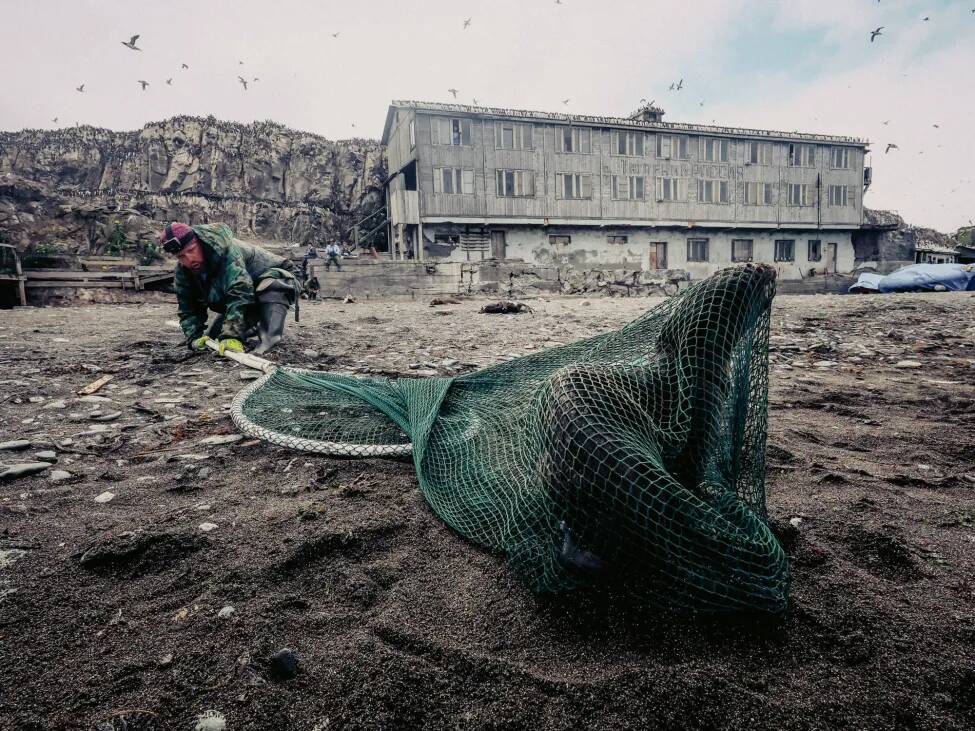
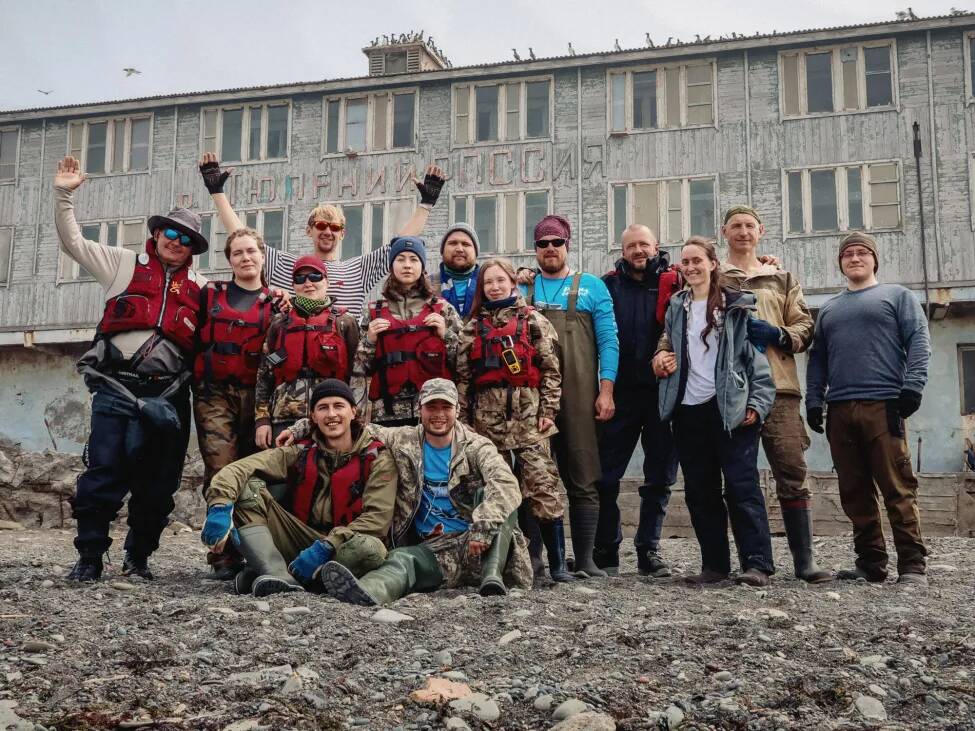
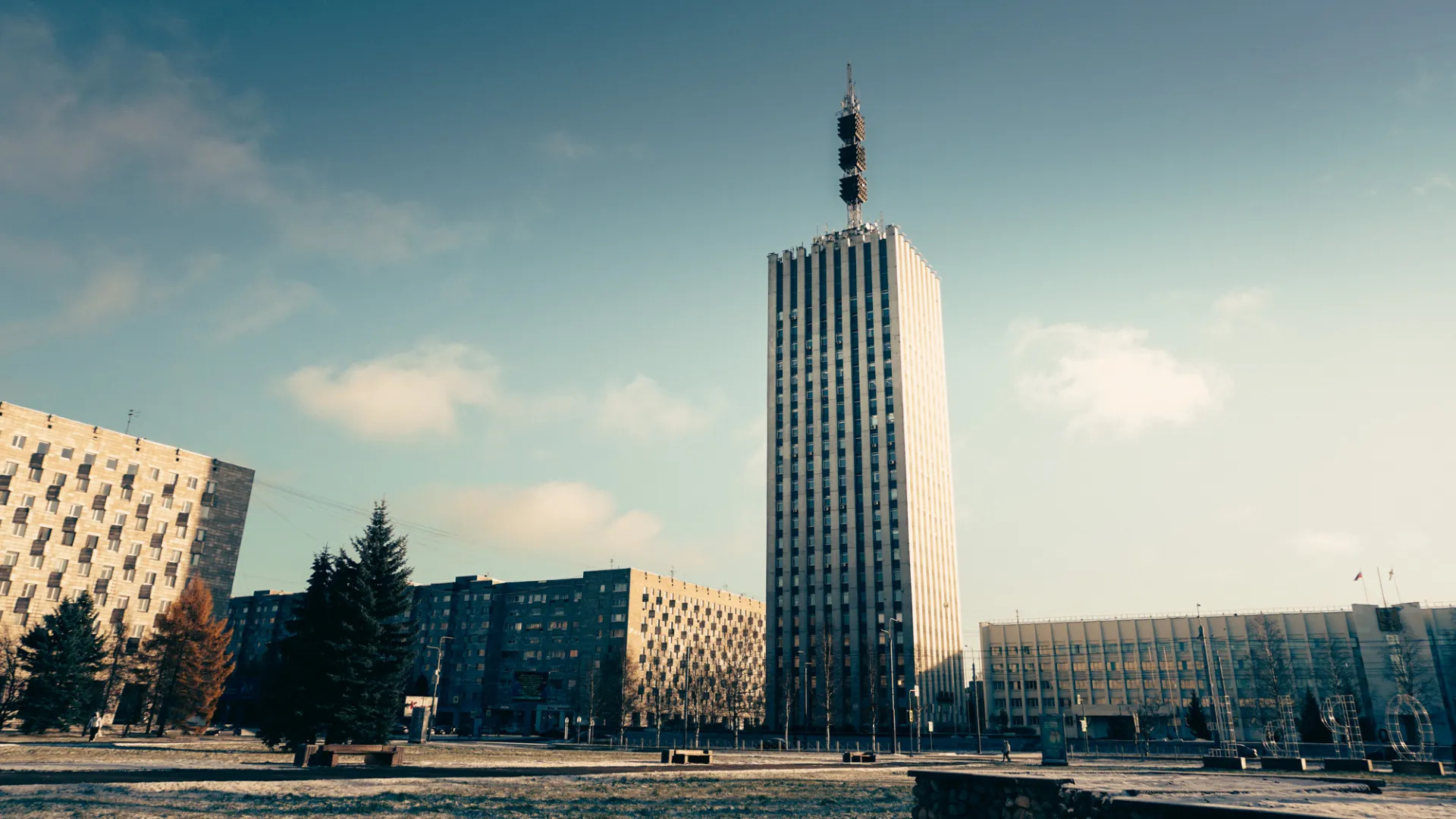
In the 1970s, a large complex was built on the island — a three-story building along with infrastructure for the commercial harvesting of fur seals. At the time, the Soviet Union needed foreign currency, and seal pelts were intended for export. The main building remains relatively well preserved, although it clearly requires major restoration. For now, scientists and volunteers, including our team, take care of it. The remaining technical buildings on the island are in extremely poor condition and should ideally be dismantled.
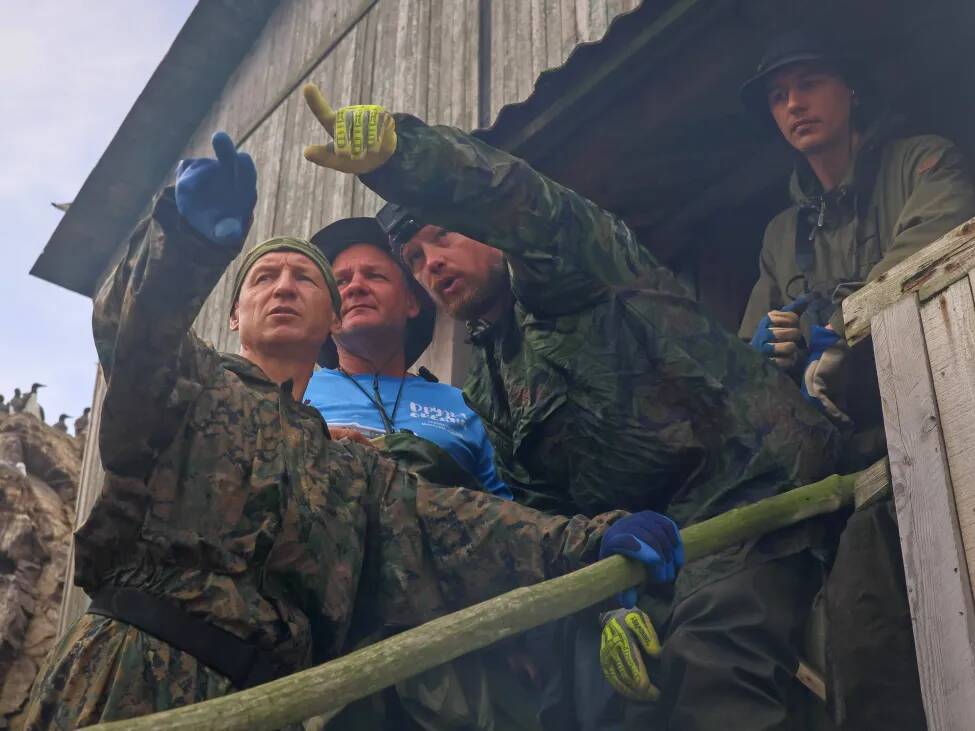
We stay in that same three-story building during the expeditions, while the rest of the island belongs to seals and seabirds. Inside, there are still usable living quarters, a kitchen, and utility rooms. We bring everything we need ourselves — food, water, fuel, and supplies. Water is especially important: for drinking, washing, and technical needs. Logistics are always challenging, and every expedition comes with its share of worries, but so far we’ve managed.
We sleep on beds in sleeping bags, and in the “indoor” areas we only wear clean clothes — work on the rookery, as you can imagine, is far from sterile. We take turns cooking and cleaning. During the first few days, meals are more varied, and later we switch to a standard field-camp menu. There is no refrigerator on the island, so we mostly bring canned goods and simple food rather than anything elaborate. Meals are cooked on gas stoves, and we transport the gas cylinders ourselves.
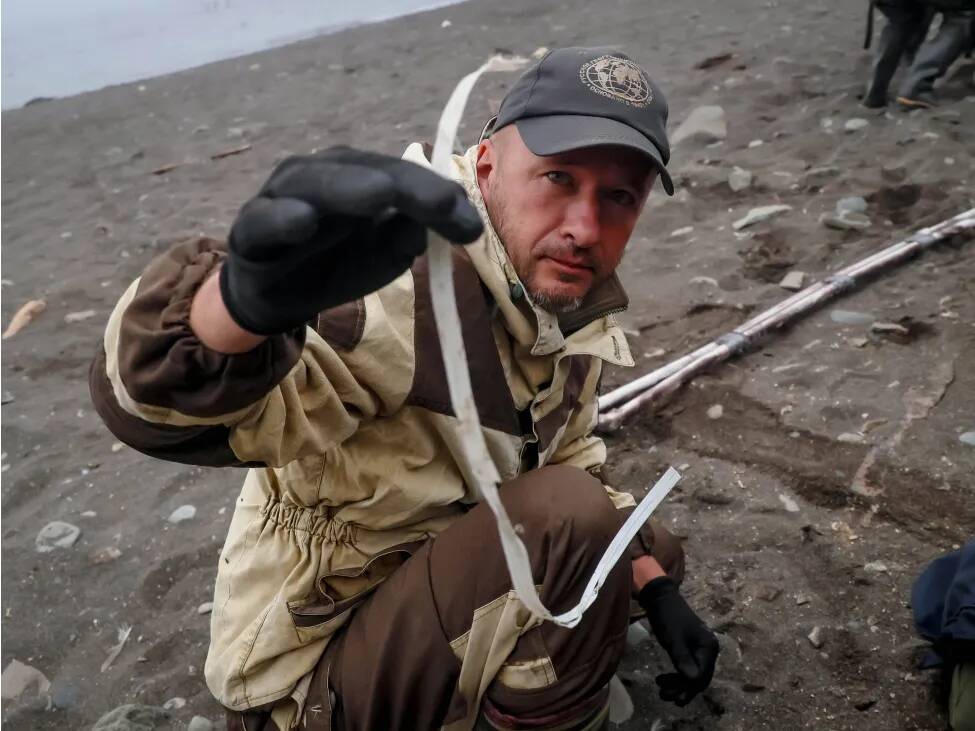
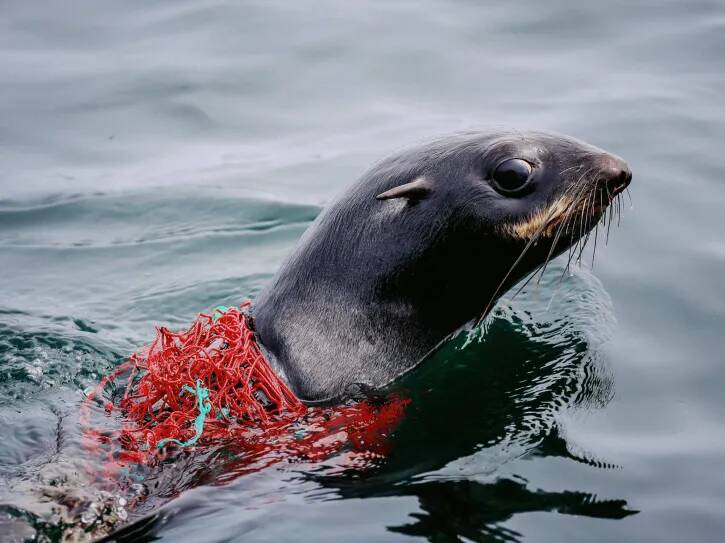
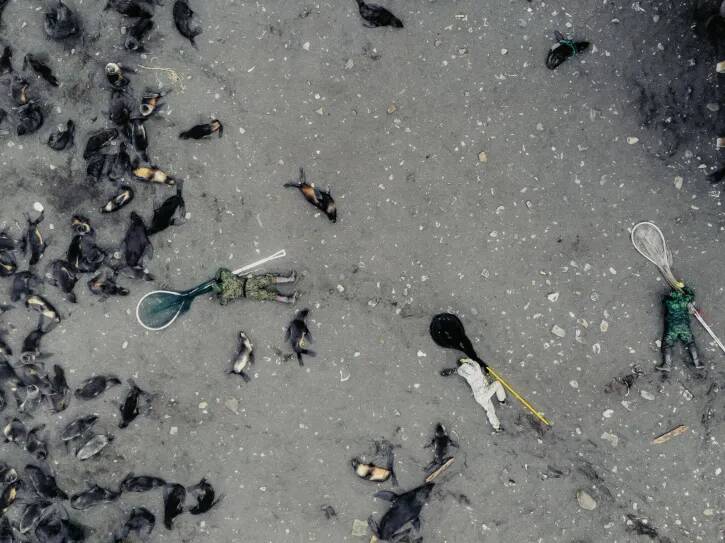
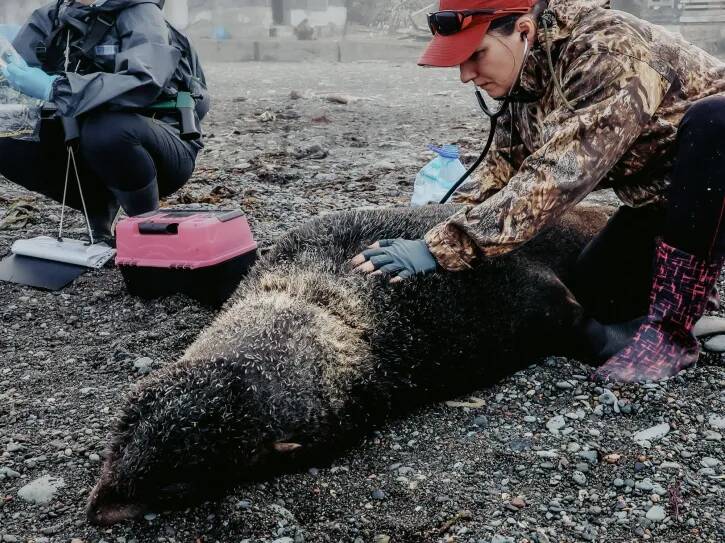
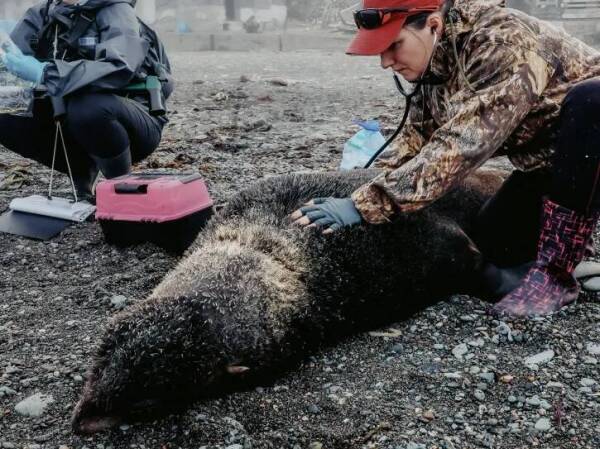
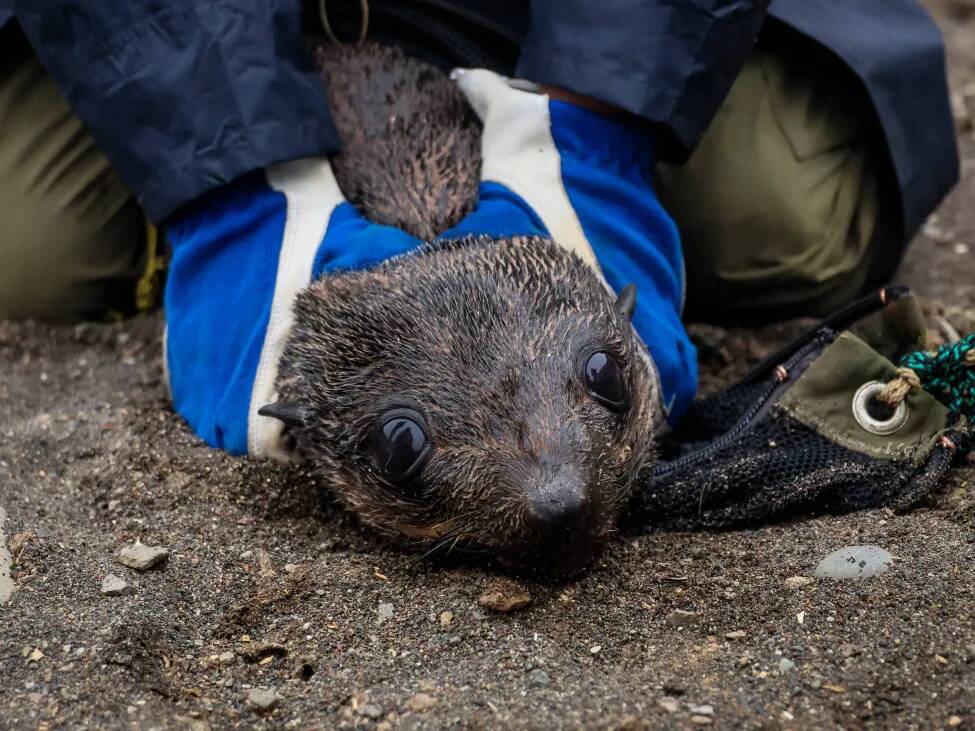
During the expedition, the day often begins not with breakfast, but with rescue operations. At night, seals come ashore to rest, while during the warmer daytime hours they head back into the sea. In the early morning, when the animals are sleepy, relaxed, and undisturbed, injured seals are often found near the house. That’s why the first volunteers outside immediately begin searching for them.