RussiaDiscovery Magazine

We write about Russia so that the native land ceases to be Terra Incognita.

topchaeva
bobir
konstantin

Authors

Coming Soon

We collaborate with masters of words who are in love with travel.

Guide to Arkhangelsk: What to See in the Capital of Pomorye

Things to do, where to eat, and what to bring back from your trip

City Guides
05.12.2025
17 minutes
67
Article photo

Arkhangelsk was Russia’s first seaport. Built across a network of islands, the city became the gateway to the Arctic and a starting point for the exploration of the Russian North.


This northern land is steeped in stories of explorers and preserves the centuries-old traditions of the Pomors. Even today, among its residents, you'll find adventurous spirits ready to set sail for the horizon.

Arkhangelsk on the Map

Arkhangelsk attractions on the map

Where Is Arkhangelsk Located

The Arkhangelsk region became Russia’s first “window to Europe” — and it was opened by Ivan the Terrible. In 1553, English sailors landed at the mouth of the Northern Dvina River while searching for a northern sea route to India. This encounter led to the establishment of trade and diplomatic relations between Britain and Russia.

In 1583, fearing war with Sweden, Tsar Ivan IV ordered a fortress to be built around the Archangel Michael Monastery, along with a harbor nearby. The settlement of Novokholmogory became the center of Russia’s foreign trade with Europe and generated more than half of the state treasury’s revenues. In 1613, the settlement was renamed Arkhangelsky Gorod (“Archangel City”) and later became Arkhangelsk.

Modern residents of Arkhangelsk have their own nickname for the city: they simply call it Arkh.

How to Get There

By plane. Arkhangelsk International Airport (Talagi), named after writer Fyodor Abramov, is located 10 kilometers from the city center. In 2023, both the airport terminal and runway underwent major renovations. Public transport connects the airport with the city center, and taxis can be booked through the Yandex Go app. The trip usually takes between 15 and 30 minutes.

Twelve kilometers south of Arkhangelsk is Vaskovo Airport, which handles domestic flights. From there, travelers can fly to the Solovetsky Islands, Letnyaya Zolotitsa, Mezen, and other settlements across the region.

By train. Arkhangelsk is connected by rail with Moscow, St. Petersburg, Murmansk, and other major Russian cities. The journey from Moscow’s Yaroslavsky Railway Station to Arkhangelsk-Gorod Station takes around 20 hours.

The Northern Dvina River is the main artery of the Arkhangelsk region

The railway reached Arkhangelsk in 1897 thanks to funding from industrialist and philanthropist Savva Mamontov. This marked an important milestone in the development of the Arctic. Industry expanded here, and the ports were thriving.

The first railway station building, Arkhangelsk-Pristan, was constructed that same year on the left bank of the Northern Dvina River. Fires and floods did not prevent the station from serving the city for nearly 70 years. 

Planning and surveying for a bridge took almost as long. A city spread across islands needed a permanent crossing, but only got one in 1964. That is how the world’s northernmost railway bridge came into being. Construction of a new railway station on the right bank of the Northern Dvina began at the same time — and this is where trains arrive today.

Top Attractions in Arkhangelsk

Arkhangelsk Regional Museum

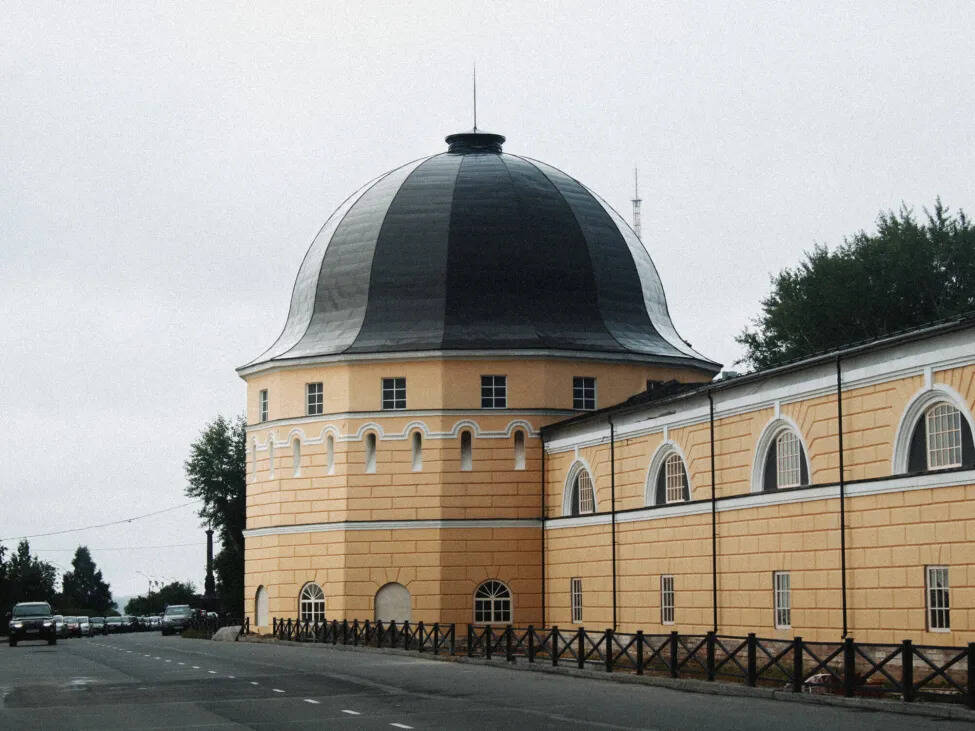
The Arkhangelsk Regional Museum is one of the oldest museums in Russia, founded in 1837. It includes five branches, two of which are housed in historic buildings — the Arkhangelsk Gostiny Dvor trading complex and the Novodvinsk Fortress. The museum hosts scientific conferences and guided tours and organizes exhibitions dedicated to the nature and history of the Pomor region.

The museum’s collection includes more than 265,000 items. Among its most valuable holdings are unique collections of Old Russian embroidery, tempera paintings, manuscripts and early printed books, and carved Kholmogory bone artworks. The mineralogical collection is also particularly notable, including a slab bearing traces of Ediacaran fauna dating back around 550 million years.

Address: 85/86 Northern Dvina Embankment

Gostiny Dvor — the main building of the Regional Museum

Russian Arctic Museum and the Arctic Embassy Visitor Center

This museum is a project of the Russian Arctic National Park. Its exhibitions occupy the third floor of the Arkhangelsk Shipping Company building. Here, visitors can see artifacts brought from the Franz Josef Land and Novaya Zemlya archipelagos. Among the exhibits are animal bones, minerals, objects connected with Arctic explorers’ daily lives and work, and fragments of an 18th-century Pomor vessel.

The Arctic Embassy visitor center hosts lectures and film screenings about the Arctic, modern scientific research, wildlife monitoring, and the history of the Northern Sea Route. Children can take part in environmental lessons, workshops, and educational quests.

Address: 36 Northern Dvina Embankment

Northern Maritime Museum

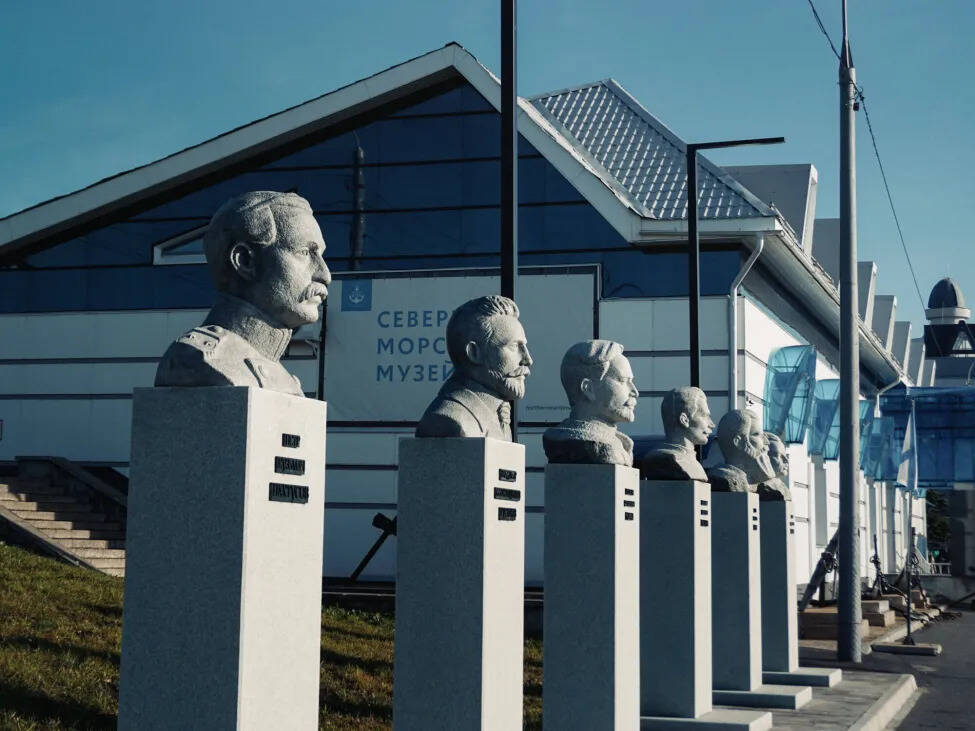
The museum occupies the former marine terminal building on the Northern Dvina Embankment, where it was established in the 1970s. In 1993, it received official state museum status. Visitors are greeted by busts of famous Arctic explorers, including Georgy Sedov, Otto Schmidt, Ivan Papanin, Vladimir Voronin, Andrey Kurochkin, Vladimir Rusanov, and Pyotr Pakhtusov.

The Arctic Heroes Alley in front of the Northern Maritime Museum

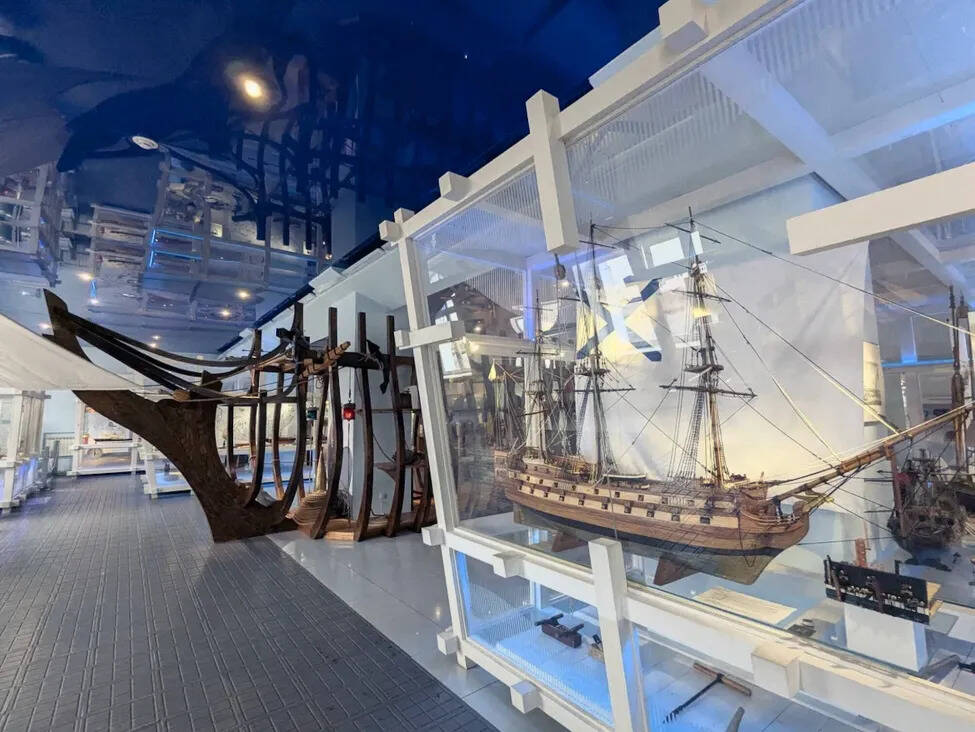
The exhibitions focus on the history of northern maritime exploration. The museum’s main display, A Millennium of Northern Navigation, is designed to resemble a sailing ship, while its white exhibition structures evoke giant icebergs. In the background, visitors hear the sounds of seabirds and crashing waves.

The collection is broadly divided into two eras. The first covers the age of sailing fleets, from the 9th century to the mid-19th century. The second focuses on metal-hulled vessels from the late 19th and 20th centuries. Visitors can explore ship models, maritime equipment, navigation instruments, archival documents, maps, and rare books.

Address: 80 Northern Dvina Embankment

The structures inside the Maritime Museum are designed to resemble fragments of a sailing ship

Pomor Shipbuilding Partnership Shipyard

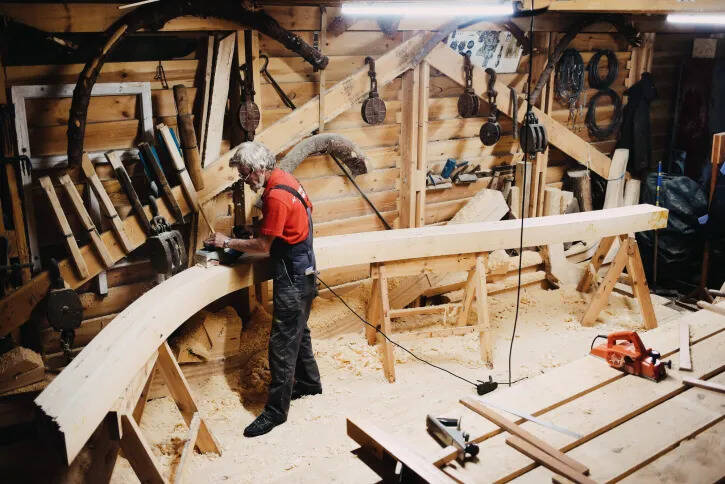
The Pomor Shipbuilding Partnership joined forces with Northern (Arctic) Federal University named after M.V. Lomonosov to preserve the traditions of northern seafaring. Here, wooden vessels are built and launched by hand. Modern-day enthusiasts are currently recreating a 20-meter sailing schooner that will eventually embark on an Arctic expedition.

The shipyard also operates a sailing school and a traditional shipbuilding school, where participants study material properties, ship modeling, and vessel construction — and gain hands-on experience building boats themselves. Guided tours are also available, offering visitors a chance to learn about research projects and see how Pomor schooners and traditional karbas boats are built.

Address: 17 Northern Dvina Embankment

We invite you to become part of this unique project on our Pomor Shipyard tour. You will work at the shipyard under the guidance of experienced mentors, explore Pomor culture and northern wooden architecture on excursions, and enjoy themed lectures, musical programs, and tastings in the evenings.

Experienced mentors supervise every stage of the work

The construction of a 20-meter schooner is one of the shipyard’s flagship projects

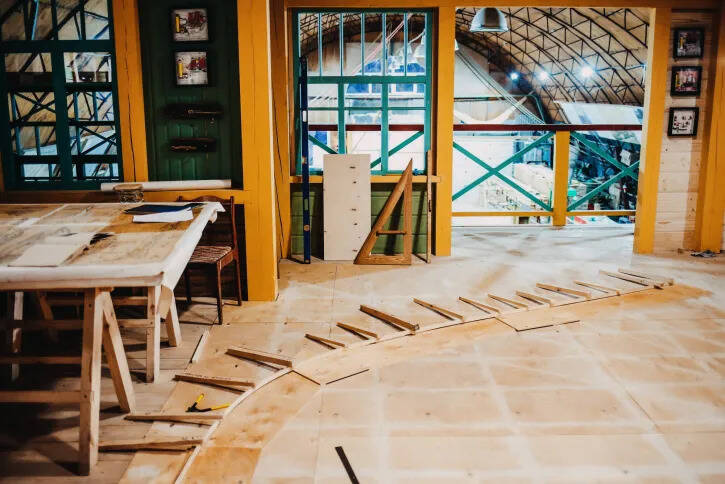
Every stage of construction follows precise calculations

Pomorsky Koch Shipyard

Another shipyard in Arkhangelsk is the project of the Foundation for the Revival of Traditional Shipbuilding and Arctic Navigation. Since 2019, a traditional Pomorsky Koch vessel has been under construction in a hangar on Moseev Island. Similar vessels were used for fishing, hunting marine mammals, and navigating the Northern Sea Route, including voyages to Novaya Zemlya, Svalbard, and Mangazeya.

Volunteers, schoolchildren, and university students all participate in the project. The shipyard also houses a museum gallery and hosts guided tours and workshops in carpentry and woodworking.

Address: 12/1 Moseev Ostrov Street

Museum of Artist and Storyteller S.G. Pisakhov

The museum is housed in the former merchant building of Andrey Butorov, a 19th-century architectural landmark. Its exhibitions are dedicated to the life and work of artist, storyteller, traveler, and ethnographer Stepan Pisakhov. He studied the oral traditions of the Russian North, traveled to Novaya Zemlya at least 16 times, visited Franz Josef Land, and reached the Kara Sea.

The museum collection includes around 300 of Pisakhov’s paintings and graphic works, as well as family photographs, manuscripts, letters, books, and furniture dating from the late 19th and early 20th centuries. The museum also offers workshops. One of the most popular, Arkhangelsk Kozuli, introduces visitors to the traditions of northern gingerbread making and teaches participants how to prepare dough and icing.

Address: 10 Pomorskaya Street

Chumbarov-Luchinsky Avenue

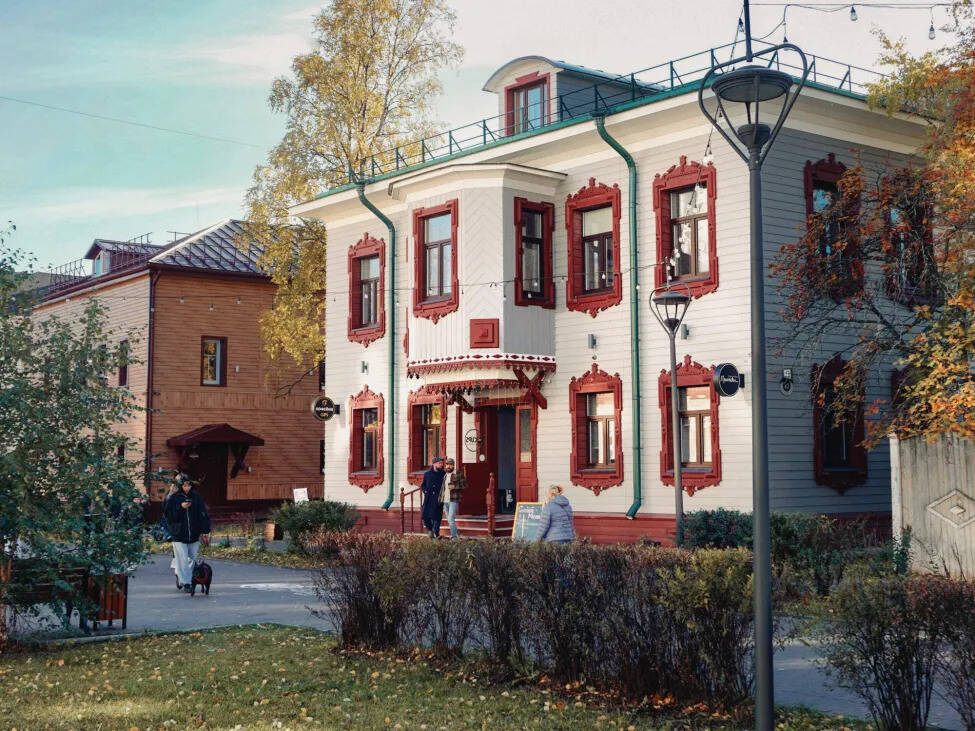
This is Arkhangelsk’s main pedestrian street, known locally as Chumbarovka. In the early 1980s, it was decided that the avenue would showcase buildings typical of late 19th- and early 20th-century architecture — with carved cornices, decorative gables, ornate window frames, and balconies. Because of this, locals sometimes call it the city’s “preserved street.”

Some buildings stand in their original locations. One example is the M.T. Kunitsyna Estate Museum Complex — once the home of a wealthy Pomor family. Inside, visitors can see reconstructed interiors from the early 20th century and join tours, craft workshops, seminars, and cultural events.

Other buildings were relocated from different districts. The carved wooden house of industrialist Andrey Chudinov, built in 1904, was moved from the Northern Dvina Embankment. Some structures are replicas built from scratch. For example, the two-story blue building with a tower recreates the 1913 home of lawyer Nikolai Nikolsky. Another replica reproduces the house of engineer Semyon Ovchinnikov. The Commercial Assembly Building, known as Marfin House, is a scaled-down reconstruction of a demolished building that once stood on Troitsky Avenue.

Chumbarov-Luchinsky Avenue is an open-air museum street

Several notable sculptures line Chumbarovka. Between Pomorskaya and Volodarsky streets, you’ll find monuments to writer Boris Shergin, storyteller Stepan Pisakhov, and one of his fictional characters — Senya Malina — sitting atop a burbot fish. Near the Literary Museum stands a bronze statue of Kozma Prutkov holding a quill and a book of poems, while near the Kunitsyna Estate there is a monument dedicated “To Russian Wives — Guardians of the Family Hearth.”

The avenue is lined with cafés and souvenir shops. If you are traveling with children, stop by the Arkhangelsk Kozuli Gingerbread Museum for a workshop on traditional icing decoration.

Museum of Fine Arts

The Museum of Fine Arts was founded in 1960 on the basis of the regional museum’s art collection. Its permanent exhibitions focus on Christian art from the 16th–19th centuries and the traditional crafts of the peoples of the Russian North from the 18th–20th centuries.

The collections include paintings, sculptures, icons, precious icon covers, church artifacts, early printed and handwritten books, as well as examples of weaving, embroidery, beadwork, and artistic bone and wood carving.

Visitors can also see works by famous artists such as Bryullov, Aivazovsky, and Shishkin, alongside pieces by contemporary painters and sculptors.

Address: 2 Lenin Square

“Wizards — Guardians of the North” Art Objects

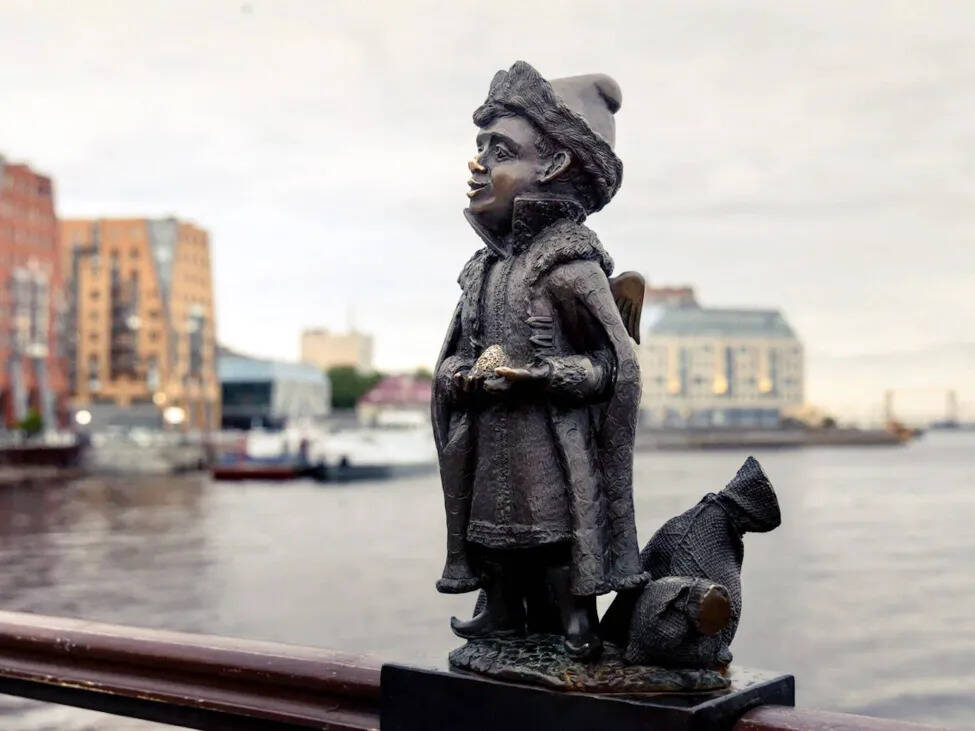
Arkhangelsk resident Denis Zheleznikov conceived the walking quest Wizards — Guardians of the North, while sculptor Olga Sagakon brought it to life. Along the Northern Dvina Embankment, small bronze wizard figures resembling children are hidden in landmark locations. Each one protects one of the symbols associated with the region.

Try to find all the wizards along the embankment

Cultural and Historical Sites Near Arkhangelsk

Malye Korely Museum-Reserve

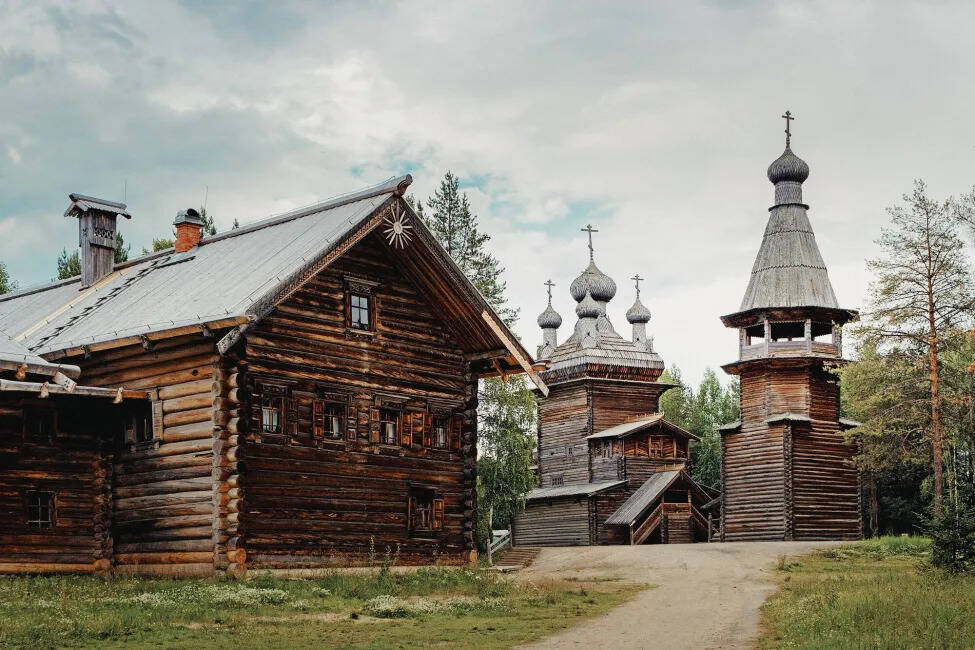
Malye Korely is one of the key attractions of the Arkhangelsk region. This open-air museum showcases some of the finest examples of northern wooden architecture. Here you’ll see traditional peasant and merchant houses, windmills, carved churches, and bell towers.

Allow at least three hours to explore the grounds properly. There are also tea houses on site where you can stop for a meal after your walk.

More than 100 historic buildings are preserved at the Malye Korely Museum-Reserve

The museum-reserve introduces visitors to the folk art and traditional crafts of the Russian North. It hosts themed exhibitions, interactive tours, and celebrations tied to traditional holidays such as Svyatki, New Year, Christmas, and Maslenitsa. At the Craft Courtyard ethnocultural center, visitors can join workshops in traditional baking, patchwork sewing, and northern embroidery.

Address: Malye Karely village, Arkhangelsk Region. The museum is about 40 minutes from Arkhangelsk by taxi or around an hour by public transport. Bus No. 104 runs from the railway station to Malye Karely village, while Bus No. 108 departs from the bus station to Bobrovo settlement and also stops in the village.

M.V. Lomonosov Historical and Memorial Museum

The village of Lomonosovo on Kurostrov Island, three kilometers from Kholmogory, is the birthplace of Mikhail Lomonosov. In 1940, a historical memorial museum dedicated to the great Russian scientist and writer opened here.

The museum stands on the site believed to have been the location of the Lomonosov family home

Visitors are introduced to the history of the Russian North in the 17th and 18th centuries. Guided tours explore the Lomonosov family, the life of Mikhail Lomonosov, and his scientific and literary achievements. The museum's exhibits include traditional peasant household items, ship models and drawings, and even the baptismal font in which Lomonosov was christened.

Among the museum’s most valuable exhibits are rare 18th-century printed books and works by Kholmogory bone carvers — the village is considered the birthplace of Kholmogory bone carving. The museum also includes a rural art gallery exhibiting works by northern artists.

Before visiting, we recommend watching the 1986 television series Mikhailo Lomonosov and animated films from the series Laughter and Sorrow by the White SeaThe Magic Ring is based on stories collected by writer and artist Boris Shergin, while If You Don’t Like It, Don’t Listen was inspired by the tales of Stepan Pisakhov.

Address: 68A Lomonosovo village, Kholmogorsky District, Arkhangelsk Region. Kholmogory can be reached by car or bus. In summer, a river ferry connects Kholmogory with Kurostrov Island; in winter, an ice crossing operates.

What Else to Do in Arkhangelsk

Experience the White Nights and Northern Lights. Summer brings the season of white nights to Arkhangelsk. It’s the perfect time for long evening walks along the streets and embankments while admiring the carved details of wooden houses. As autumn arrives, shimmering auroras can often be seen directly above the city center. Arkhangelsk is one of Russia’s most accessible destinations for seeing the Northern Lights.

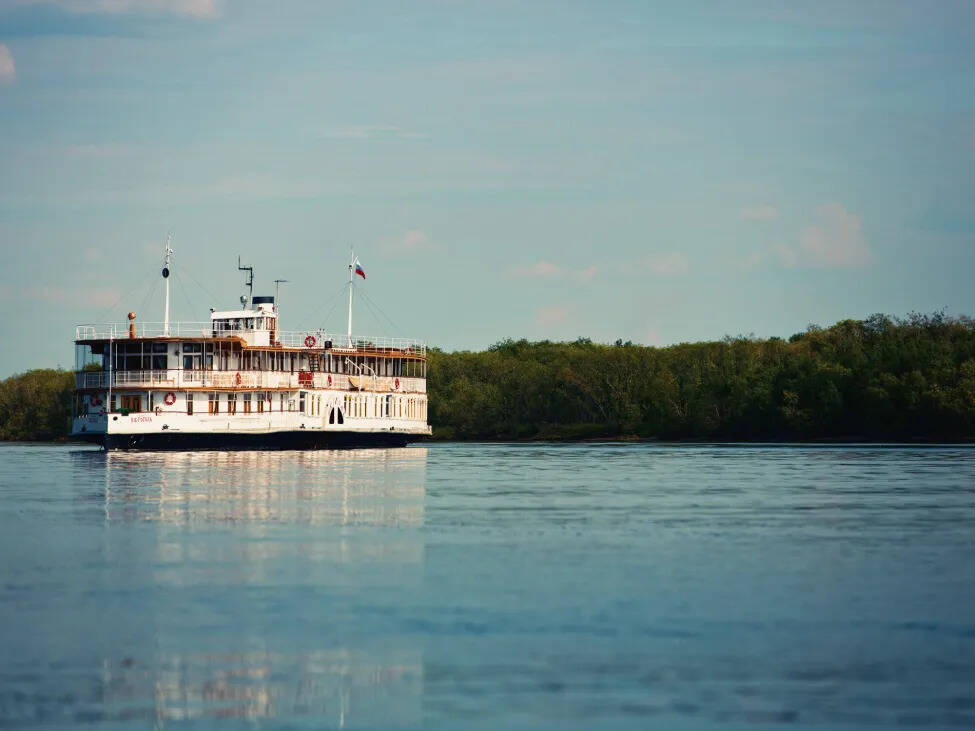
Take a Ride on the Paddle Steamer N.V. Gogol. During the warmer months, the Northern Dvina is home to Russia’s oldest operating passenger vessel and the country’s only working paddle steamer. The N.V. Gogol holds both museum and heritage monument status and has been awarded the Maritime Heritage of Russia designation.

The paddle steamer N.V. Gogol has been operating since 1911

Although the vessel is more than a century old, major renovations have kept it in excellent condition. On board are cabins for 53 passengers, a lounge area, a saloon, a bar, and even a sauna. Cruises depart from the pier behind the river terminal building. Visitors can choose between two-hour sightseeing cruises or longer eight-hour journeys with nature stops.

Visit the Street Theatre Festival. In 2025, the Viktor Panov Youth Theatre celebrated its 50th anniversary. In 1990, its performers organized Arkhangelsk’s first Street Theatre Festival, which has since grown into the largest event of its kind in Russia. The theatre remains its main organizer today.

Every year, temporary stages across Arkhangelsk host fire and drum performances, carnival processions, theatrical productions, and circus acts. The festival brings together creative communities from across the country while helping preserve Pomor folklore traditions. It traditionally takes place in late June.

The Street Theatre Festival helps emerging artists make themselves known

What to Try and Where to Eat

Arkhangelsk’s trading history and cultural traditions are reflected in its cuisine. Be sure to try kulebyaka filled with cod, shangi pastries with sour cream, pastries with northern cloudberries, and traditional kozuli gingerbread cookies. Pair them with fragrant Ivan tea (rosebay willow-herb).

Restaurant “Pomorsky”

This restaurant, designed to resemble the interior of a wealthy Pomor home, specializes in cuisine from the Russian North. The menu centers around valuable local fish species such as Atlantic salmon, cod, halibut, and herring. Homemade berry infusions and Pomor desserts complete the experience.

Address: 5 Pomorskaya Street

Restaurant “Post Office 1786”

Located in a historic building on the Northern Dvina Embankment that once housed the Arkhangelsk Governorate Post Office, this restaurant serves contemporary interpretations of northern cuisine using locally sourced ingredients.

Address: 78 Northern Dvina Embankment

Restaurant El Fuego

El Fuego specializes in Argentine cuisine while also offering traditional Pomor dishes. Here you can try paella and cod chowder, empanadas alongside northern kalitki pastries. A highlight of the restaurant is its wide selection of dishes cooked over open fire.

Address: 39 Chumbarov-Luchinsky Avenue

SantaPasta Café

SantaPasta serves Italian home-style cuisine, including signature thin-crust pizzas and handmade pasta. It’s also a good spot for morning coffee and freshly baked croissants.

Address: 21 Troitsky Avenue

Presto Café

Presto combines a pizzeria and sushi bar under one roof. Guests can choose from more than ten pizza varieties, rolls, pasta dishes, and desserts. Children’s play areas make it convenient for families, and delivery is also available.

Address: 38 Leningradsky Avenue

Pomorye Souvenirs: What to Buy and Where

At the Bird of Happiness shop on Chumbarov-Luchinsky Avenue, you'll find traditional wooden birds of happiness, agar-based fruit jellies, seaweed chocolate, seaweed chips, cloudberry jam, northern berry infusions, birch-bark containers (tuyeski), boxes decorated with Mezen or Severodvinsk folk painting, and Snow Sea cosmetics made from Arctic seaweed.

Food souvenirs can also be found at the Central Market, the Arkhangelsk Kozuli Gingerbread Museum, and Albatros grocery store. Northern food products are widely available at Pomorskoe Zdorovye.

You can also visit stores operated by the Arkhangelsk Seaweed Combine in Europark and Titan Arena shopping centers. If you miss your chance in town, seaweed products are also sold at the airport.

Kozuli are traditional gingerbread cookies decorated with icing

Traditional handicrafts are sold in specialized stores.

At Belomorskiye Uzory, you’ll find folk crafts including birch-bark containers, birds of happiness, clay toys, and northern embroidery.

Pomorskiye Shtuchki offers gifts and souvenirs inspired by Arkhangelsk, including handcrafted items made by local artisans.

At the Northern Gifts shop, visitors can write and send a letter to Ded Moroz (Father Frost) at any time of year. Alongside traditional Pomor souvenirs, the store also offers silver pieces crafted by the Northern Niello workshop, including custom-designed items made to order.

If you enjoy local merchandise, look for brands such as Doska Treska and Mnozhestvo.

Call us at +7 (495) 104-64-36 or write to us at hello@russiadiscovery.ru — we’ll be happy to answer your questions and help you choose your next adventure.

Contributors
Olga Kameneva
Executive Editor
Maria Cherdantseva
Photo Editor
Sofya Schmidt
Proofreader
Maria Potapova
Translator

Notice an error or inaccuracy?

Write to us

Great-Value Flights to the Russian Far East with Aeroflot

2.02.2026
6 minutes
562

“This Is Our Apology to Nature”: How Marine Mammals Are Being Rescued in Russia

21.10.2025
14 minutes
239

Discover Russia: Inviting the World to Explore

8.10.2025
8 minutes
581

Where to See Polar Bears: The Best Places to Meet the Symbol of the North

7.10.2025
15 minutes
731

The Best Places to See the Northern Lights

6.09.2025
10 minutes
1146

Wrangel Island: A Journey to the Edge of the World

4.09.2025
16 minutes
2119