RussiaDiscovery Magazine

We write about Russia so that the native land ceases to be Terra Incognita.

topchaeva
bobir
konstantin

Authors

Coming Soon

We collaborate with masters of words who are in love with travel.

Where to See Polar Bears: The Best Places to Meet the Symbol of the North

How to observe polar bears and where to encounter them

Travel Ideas
07.10.2025
15 minutes
37
Article photo

The polar bear is the master of the icy wilderness. This remarkable predator lives in one of the coldest regions on Earth, swimming dozens of kilometers across ancient sea ice and effortlessly navigating the snowbound Arctic expanse. Perhaps that is why people are so drawn to seeing polar bears in their natural environment—to feel the power of nature and become a little braver and more resilient themselves.


In this article, we explore where these Arctic giants live, what their way of life is like, and where to go in search of them.

Reference Information

Top Places to Observe Polar Bears

  1. Franz Josef Land (Arkhangelsk Region, Russian Arctic National Park)
  2. Wrangel Island (Chukotka, nature reserve, UNESCO World Heritage Site)
  3. Herald Island (Chukotka, part of Wrangel Island Reserve)
  4. Chukotka (coastline, whaling settlements, walrus haul-out sites)


Overview

The polar bear (Ursus maritimus) is a marine mammal and an Arctic endemic species whose life is inseparably linked to sea ice. It can be observed in the wild in high-latitude regions where population density is highest.

Franz Josef Land is an archipelago in the Arctic Ocean where polar bears live year-round on drifting sea ice and along the coast. It lies within the Russian Arctic National Park and is accessible only via expedition cruises on icebreakers.

Wrangel Island is often called the “polar bear maternity ward” due to the world’s highest concentration of maternity dens. Each year, up to 500 females give birth here. The island is part of the Wrangel Island Nature Reserve (a UNESCO World Heritage Site) and is a key area for the conservation of the species.

Herald Island is a remote neighboring island and also a protected area. Due to its isolation and lack of human impact, it serves as an ideal refuge for females with cubs.

Chukotka is a region where polar bears regularly come ashore in the summer–autumn period, especially near walrus haul-outs and whaling settlements, attracted by food remains. They can be observed from expedition vessels.

The best season for viewing is summer (July–August), when sea ice melts and bears spend more time on land, making them accessible on organized tours under strict safety regulations (minimum distance of 30 meters, guided supervision). The species is endangered and listed in the Red Data Book.

Where Polar Bears Live

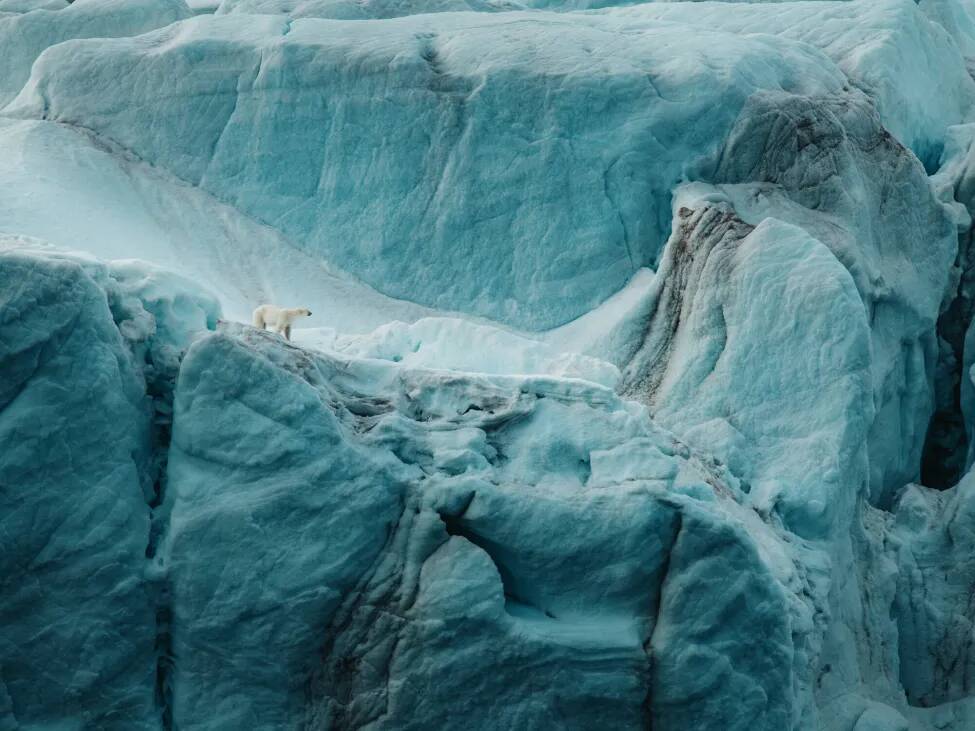
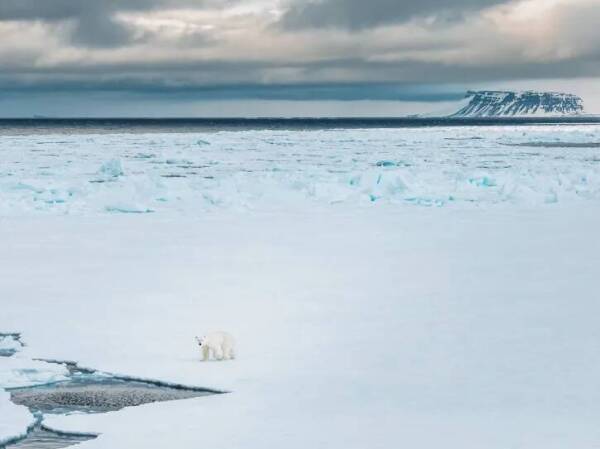
Polar bears inhabit Arctic regions beyond the Arctic Circle. Their movements follow the rhythm of the Arctic seasons. In summer, when the sea ice begins to retreat, these northern giants stay closer to the coastline. In winter, as the ice strengthens, they venture out onto drifting floes and travel far into the open sea.

A sufficient ice cover is essential for the survival of polar bears

For most of their lives, polar bears hunt while moving across drifting sea ice. Those who dream of seeing them in their natural habitat should consider expedition cruises to the Arctic. There, with proper safety precautions and respect for the environment, you can observe these remarkable animals that have adapted to life in the extreme conditions of the North.

Color and Adaptation of Polar Bears

Arctic bears only appear white—their fur is actually transparent. It contains no pigment and reflects visible light, creating the illusion of whiteness, while each hair is hollow and filled with air.

Beneath their fur, polar bears have black skin, which absorbs sunlight and retains heat. This warmth is preserved by their thick coat and a layer of subcutaneous fat, allowing them to withstand extremely low temperatures.

Under their fur, polar bears are black

Polar Bear Behavior

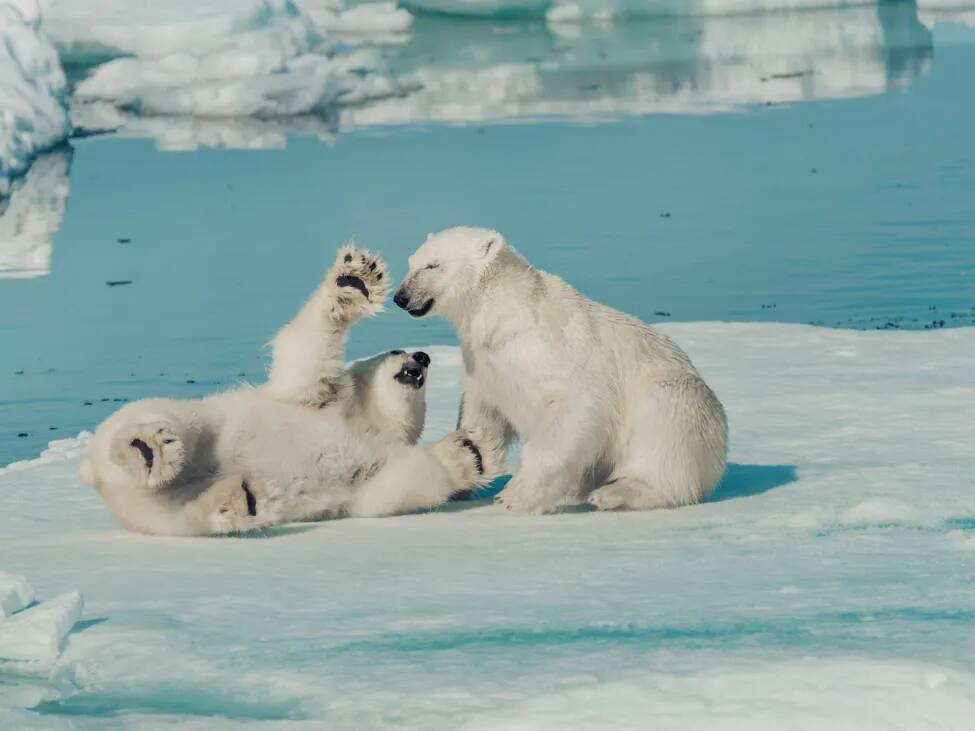
Arctic giants are primarily solitary animals, except during the breeding season. They are apex predators in their ecosystem.

Hunting

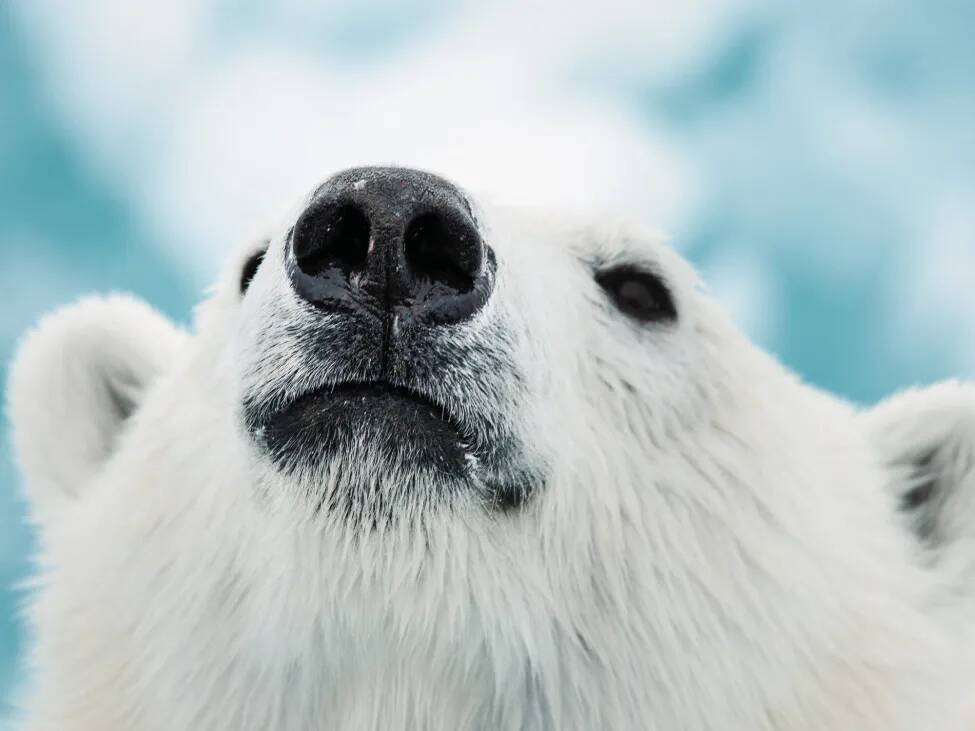
Polar bears mainly prey on seals. They hunt them on sea ice or wait patiently for hours by breathing holes that seals create in the ice. Bears can detect scents from up to 30 kilometers away and accurately locate their prey. When a seal surfaces to breathe, the bear strikes in an instant—attempting to stun it with a powerful swipe of its paw and pull it onto the ice.

The patience and endurance of these hunters are remarkable

Movement

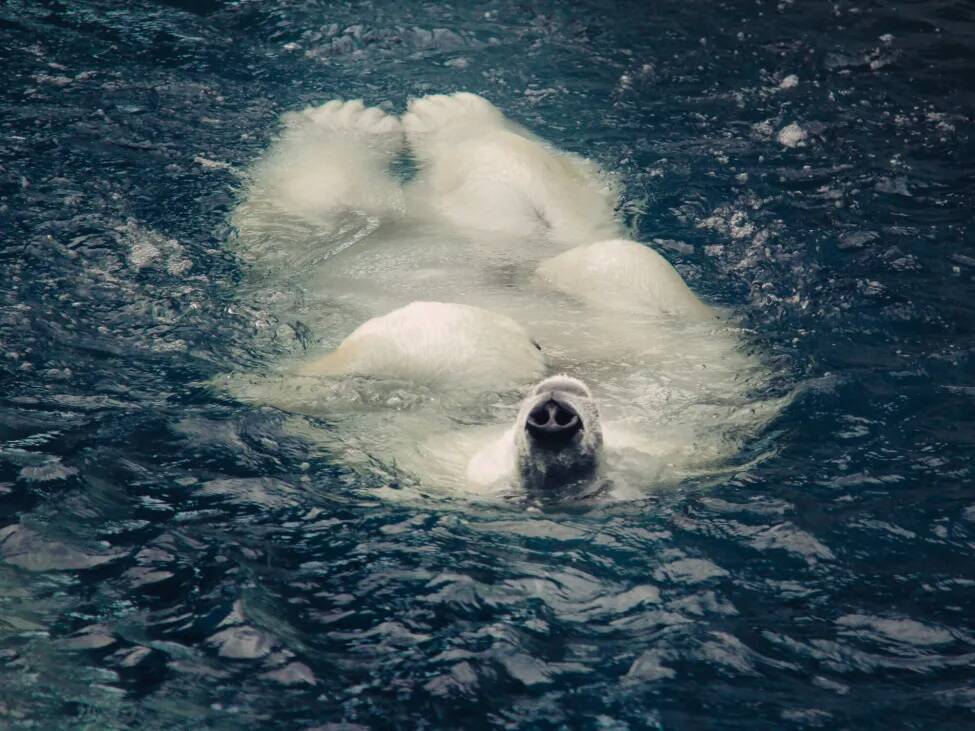
Polar bears are exceptionally well adapted to life in the water. Their scientific name, Ursus maritimus, means “sea bear.” They use their large paws as paddles and can swim for dozens of kilometers. On land, they are also capable of covering long distances in search of food.

Polar bears are excellent swimmers

Raising Cubs

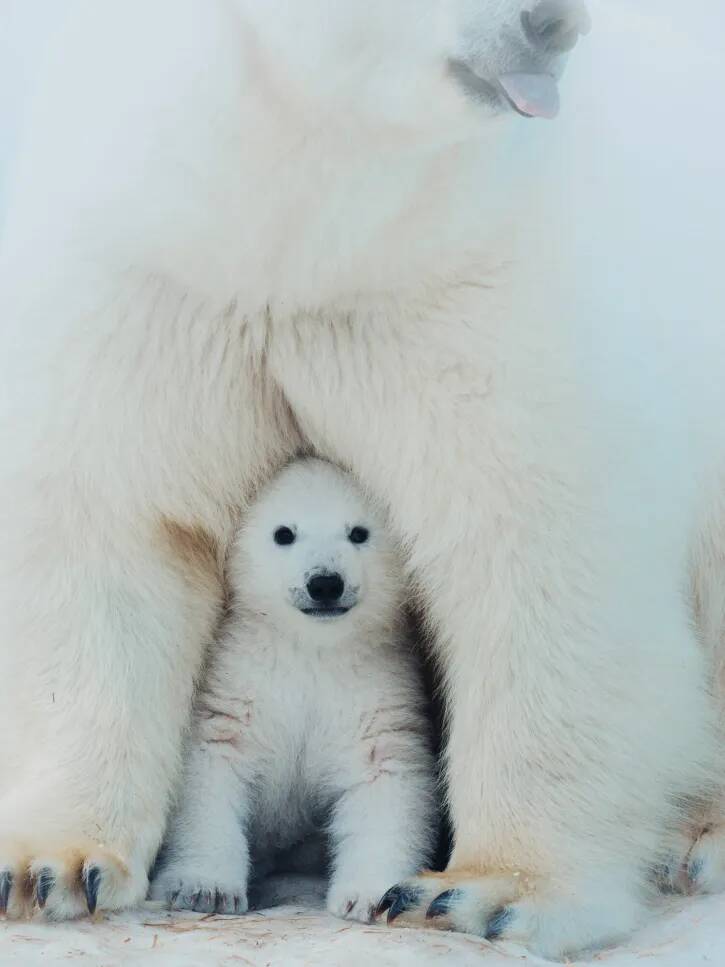
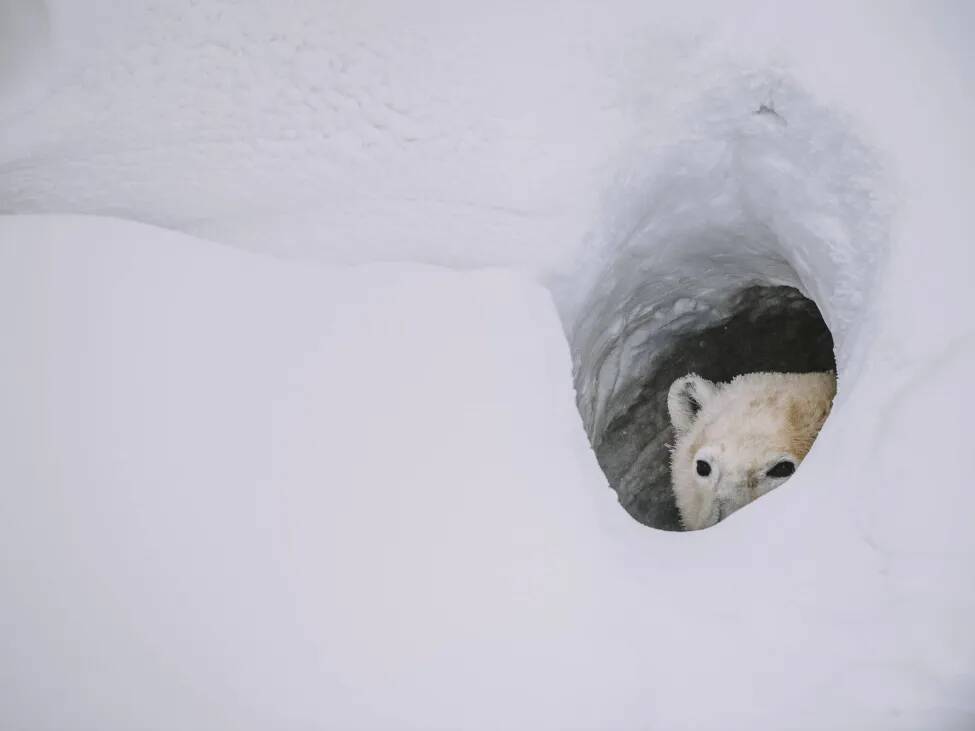
In late autumn, females build snow dens where they give birth to one to three cubs. During the first months, the cubs remain inside the den while the mother nurses them. By March, they are strong enough to follow her outside. Over the next two to three years, she teaches them essential survival skills.

A female polar bear may raise 10–15 cubs over her lifetime

Do Polar Bears Hibernate?

Unlike their brown bear relatives, polar bears do not hibernate and remain active year-round.

The exception is pregnant females. They create snow dens on land or drifting ice, where they spend the winter resting, giving birth, and nursing their cubs. This is not true hibernation: the mother’s body temperature drops only slightly, and she can wake quickly if needed. With the arrival of spring, she leaves the den and returns to hunting.

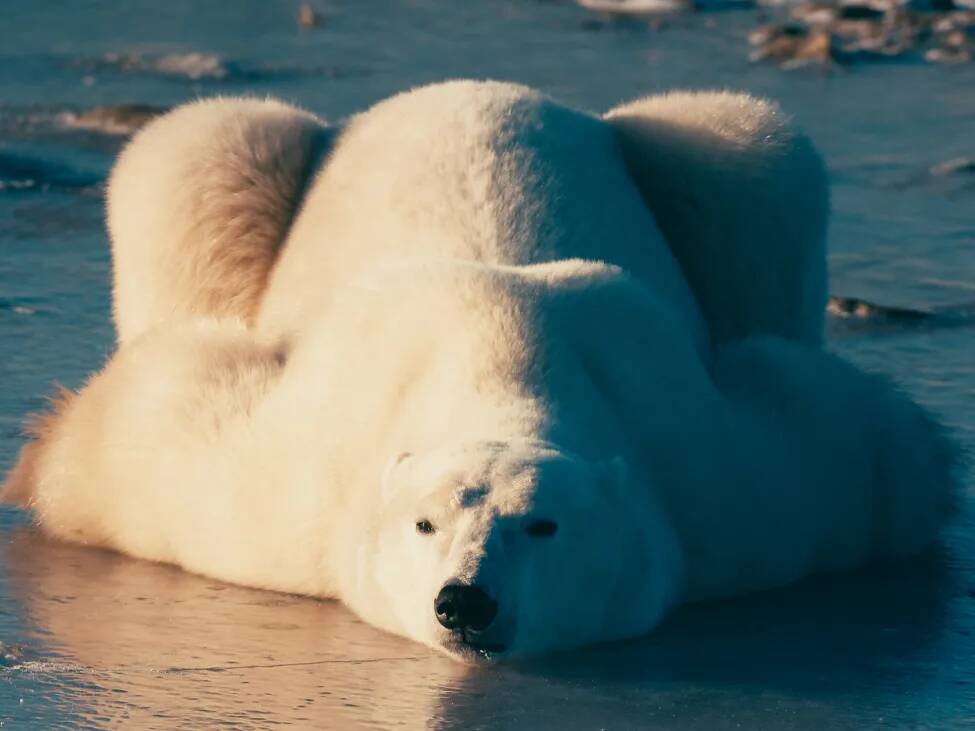
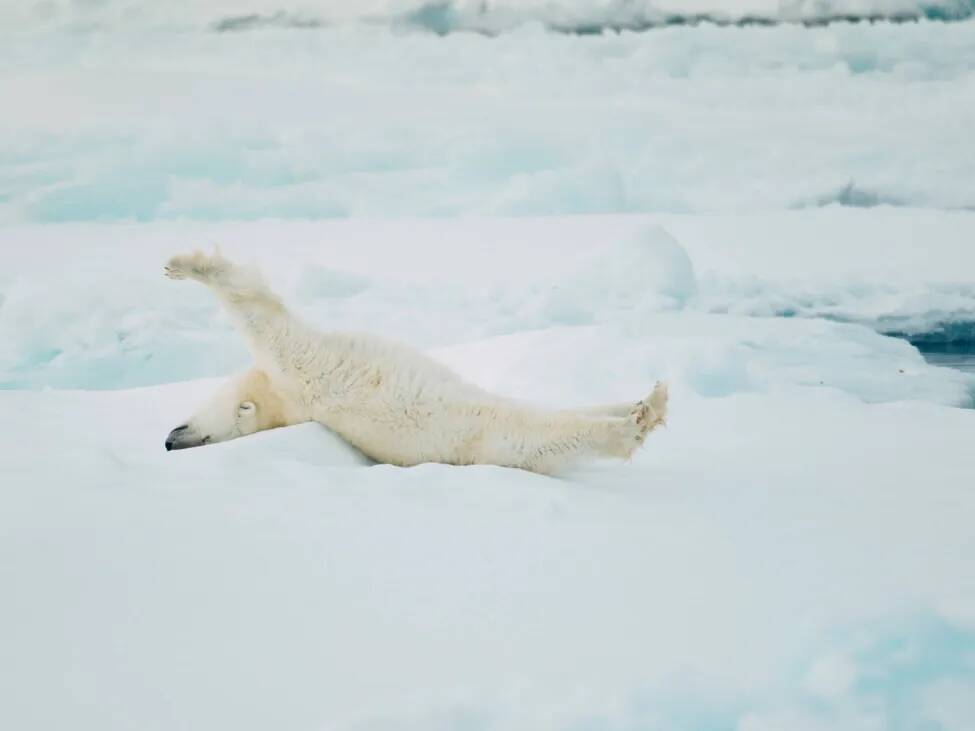
Polar bears typically need 7–8 hours of sleep per day

Where to See Polar Bears in Russia

Franz Josef Land

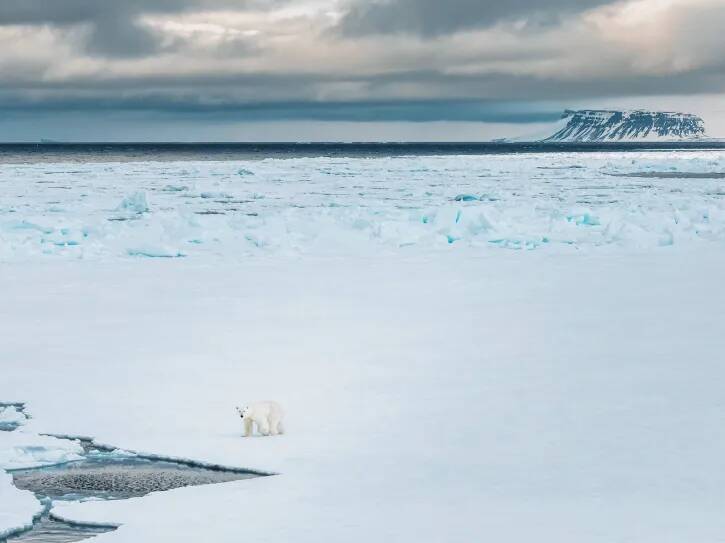
Franz Josef Land is an archipelago of 192 islands in the Arctic Ocean. It is part of the Arkhangelsk Region and protected within the Russian Arctic National Park. The area offers ideal conditions for polar bears, with abundant drifting sea ice and a rich seal population. Bears can often be spotted along the ice edge, on the coastline, and sometimes even near historic polar stations.

Travelers can reach Franz Josef Land in two ways: by joining an expedition as a volunteer with the Russian Geographical Society or by traveling as part of an organized tourist group.

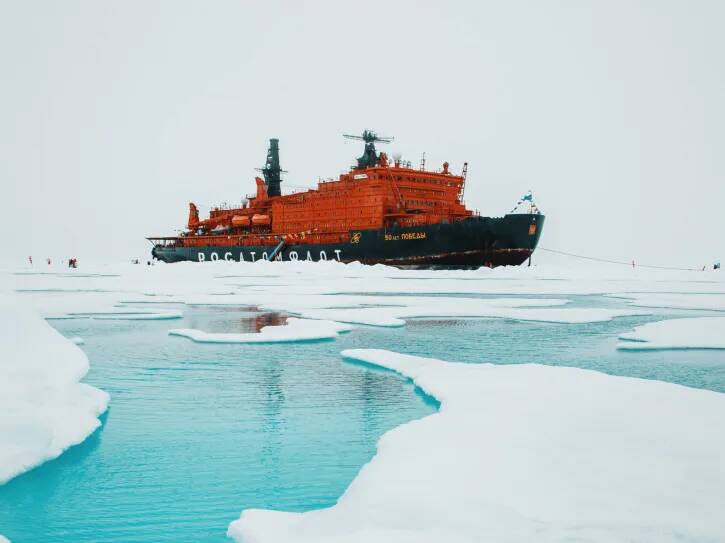
Landings on Franz Josef Land are included in our North Pole expedition cruise. On this journey, you’ll visit the first Soviet polar station, see vast glaciers, and, of course, encounter polar bears. You’ll also have the unique opportunity to send a postcard from the northernmost post office in the world.

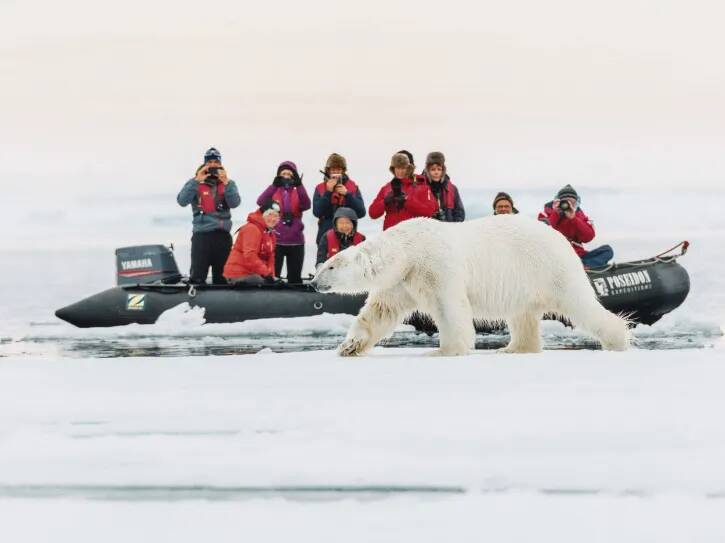
You can spot polar bears up close during Zodiac boat excursions

The journey to the North Pole takes place aboard the nuclear icebreaker “50 Years of Victory”

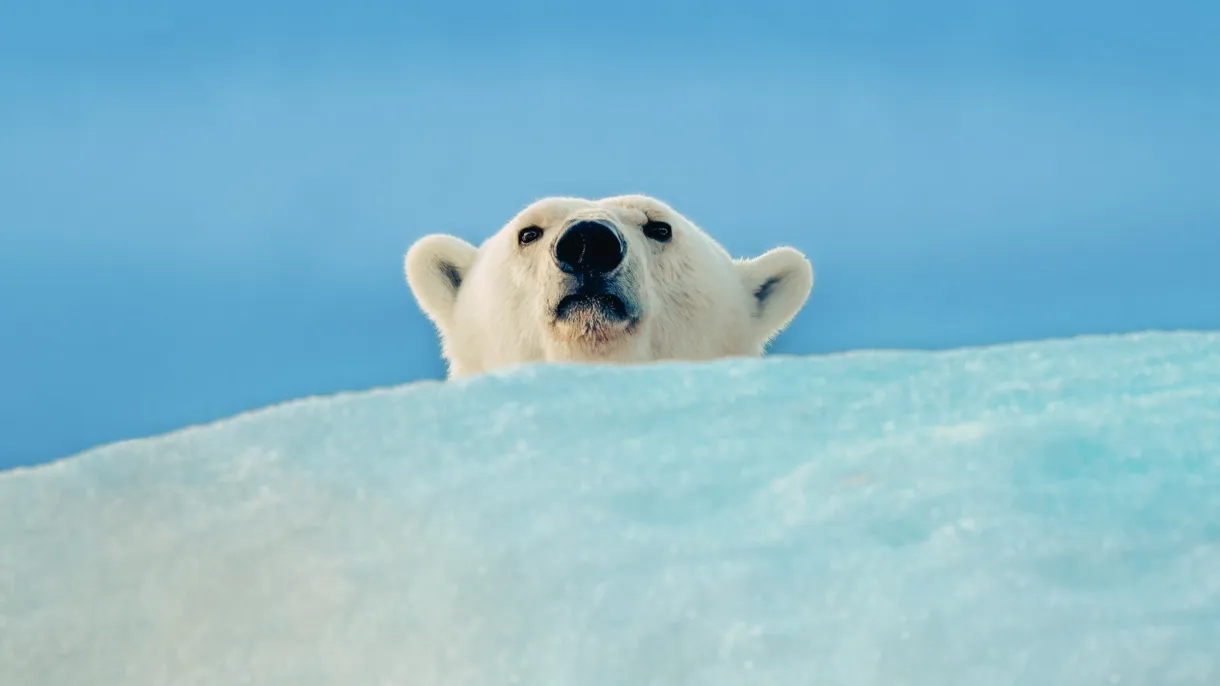
At times, the bears themselves grow curious and observe travelers in return

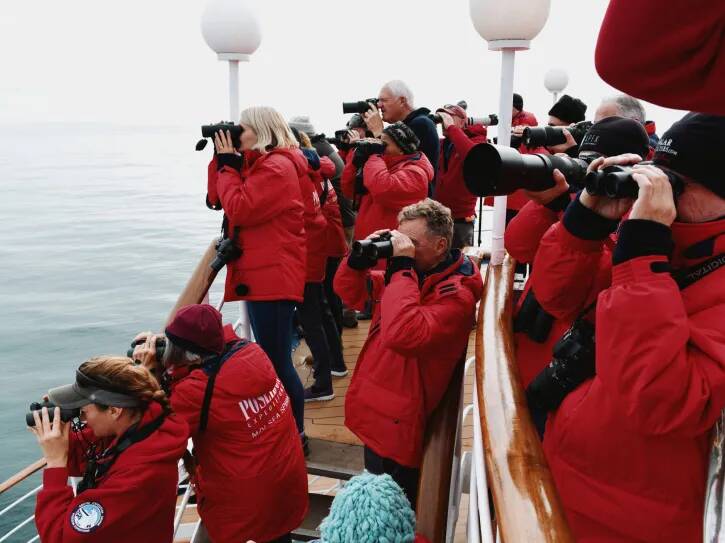
Passengers are notified over the loudspeaker when polar bears are spotted nearby

Chukotka

This vast peninsula in northeastern Russia is washed by the waters of two oceans—the Arctic and the Pacific. Polar bears come ashore here in search of food. They can sometimes be spotted near whaling settlements, attracted by remains of marine animals or by walrus haul-out sites.

Wrangel Island

Wrangel Island lies north of Chukotka, between the East Siberian and Chukchi Seas. It is part of the Wrangel Island Nature Reserve and is listed as a UNESCO World Heritage Site.

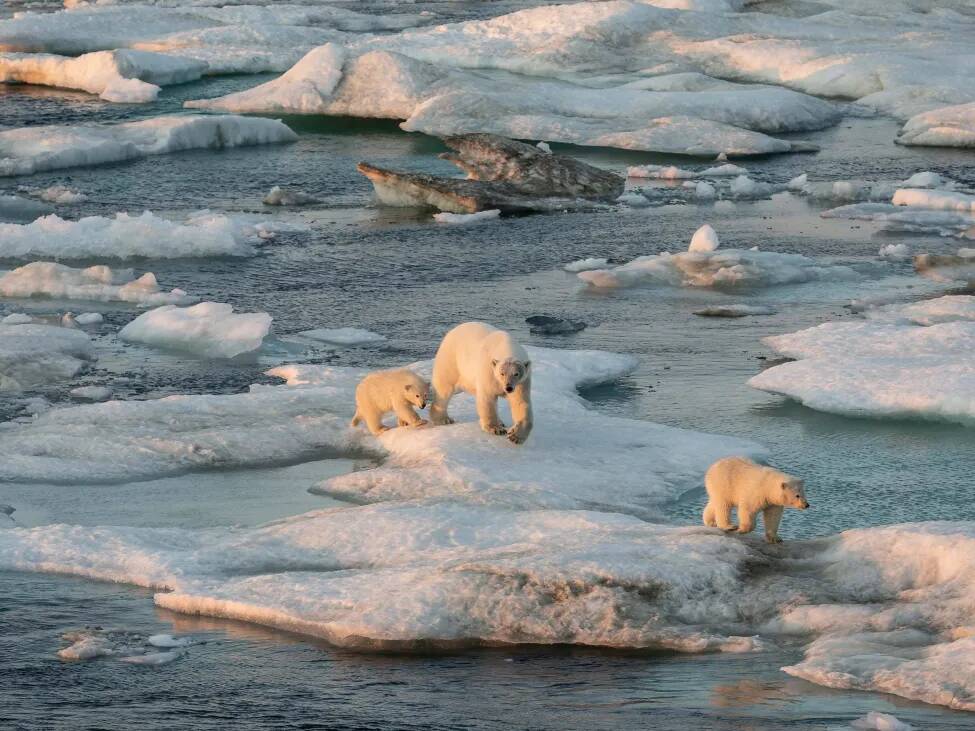
Known as the “polar bear maternity ward,” Wrangel Island is home to the world’s highest concentration of maternity dens. Each spring, hundreds of females emerge from their snow dens with cubs and head toward the sea. They spend the entire summer within the reserve. In August, when the ice retreats from the surrounding waters, dozens of bears—both males and females—come ashore and remain on the island until the sea freezes again.

Polar bears can be seen on drifting ice floes, in the tundra, and along the coast. At times, they may even approach ranger stations, which is why visitors explore the island only under the supervision of reserve staff.

Up to 500 female bears give birth on Wrangel Island each year

Herald Island

Herald Island is a small island located east of Wrangel Island. It is also part of the Wrangel Island State Nature Reserve. Its remoteness and isolation make it an ideal refuge for females with cubs.

The island is rarely visited on its own due to its steep and inaccessible shores. However, in favorable ice conditions, it can be approached as part of a journey to Wrangel Island.

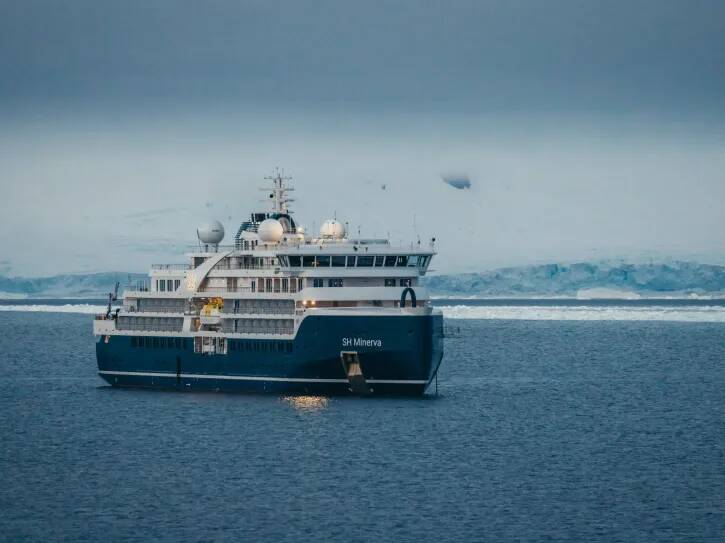
You can visit both Wrangel and Herald Islands on our “Expedition to the Land of Polar Bears”. In summer 2026, this route will debut in a VIP format aboard a premium-class expedition ship—exclusively with RussiaDiscovery.

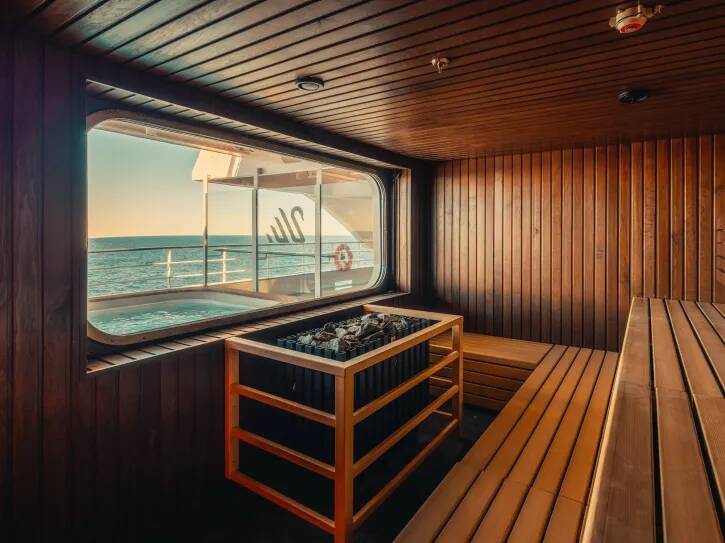
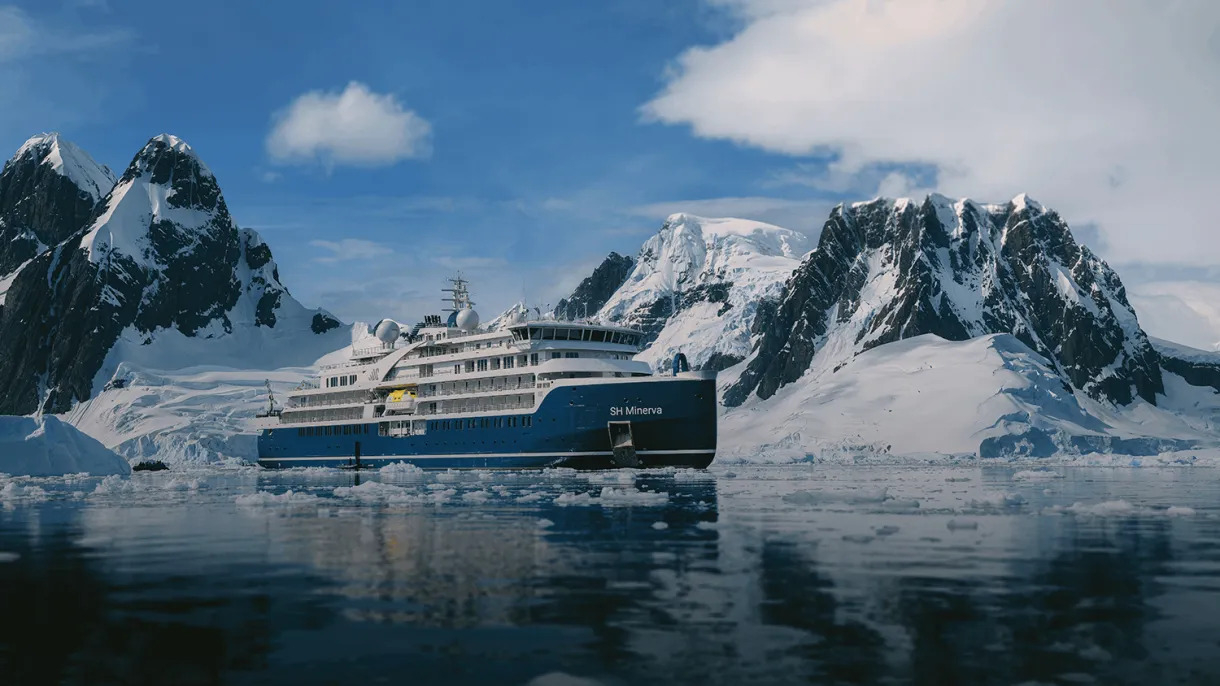
SH Minerva — a five-star hotel on water

Cabins and lounge areas with panoramic windows and private balconies

In your free time, enjoy the spa, fitness center, or a heated pool

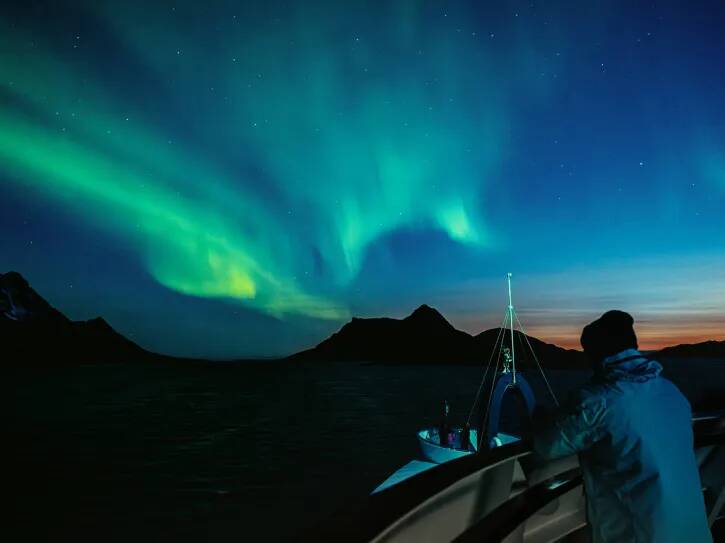
From the open deck, enjoy sweeping Arctic landscapes and the Northern Lights

Where Else to See Polar Bears Around the World

  • Canada. The town of Churchill in Manitoba is often called the polar bear capital of the world, home to one of the largest populations. In autumn, you can witness the mass migration of bears heading toward the shores of Hudson Bay as they wait for the sea ice to form.
  • Greenland. This vast, glacier-covered island offers extensive hunting grounds for polar bears. Traveling along Greenland’s coastline aboard specialized expedition vessels is an excellent way to encounter these Arctic giants.
  • USA. The northern coast of Alaska is home to polar bears. Tours departing from Utqiaġvik (Barrow) and Kotzebue offer the chance to observe them in their natural Arctic habitat.
  • Norway. On the Svalbard archipelago, polar bears actually outnumber people. By snowmobile or expedition Zodiac, you can approach their habitats without disturbing them.

Best Time to See Polar Bears

The best season for observing polar bears depends on what you would like to experience.

Spring (late March–June) is when females emerge from maternity dens with their cubs and begin teaching them essential survival skills. The chances of sightings are very high.

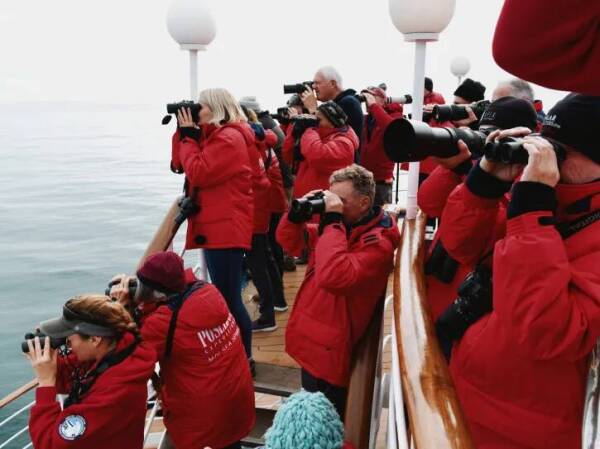
Summer (July–August) is the most popular and accessible season for Arctic cruises. The weather is relatively mild, and daylight hours are long. As sea ice retreats, bears spend more time on land, waiting for the ice to return so they can hunt seals. They can often be spotted from the ship’s deck or during Zodiac landings.

Autumn (September–October) is when the sea begins to freeze, and bears gather along the coastlines in preparation for hunting. They actively build up fat reserves for winter and display impressive hunting behavior.

Winter brings polar night to the Arctic, with temperatures dropping as low as −50°C. During this time, observing wildlife is nearly impossible.

Guidelines for Observing Polar Bears

Polar bears are the true rulers of the Arctic—we are only guests in their domain. To ensure your journey is safe for both you and the wildlife, it’s important to follow these rules:

  • Do not go in search of bears on your own. Your trip should be organized by a licensed tour operator with experienced Arctic guides.
  • Follow your guide’s instructions during shore landings. Stay with the group and be ready to return to the vessel quickly if needed.
  • Keep a safe distance. This is usually at least 30 meters. Do not attempt to get closer for the sake of a photo.
  • Never feed polar bears. This is dangerous for you and harmful to the animals, as it encourages dependence on human food and reduces their hunting skills.
  • Do not disturb the bears. Avoid loud noises and sudden movements.

Polar bears are both curious and cautious

Can You Travel in Search of Polar Bears with Children?

Arctic journeys can be long and unpredictable due to changing weather conditions. Observing polar bears requires patience and strict adherence to safety rules—something that can be challenging for younger travelers.

As children grow older, they are better able to understand and follow guides’ instructions. For this reason, most operators offering Arctic expeditions recommend traveling with children aged six to eight and above.

How to Photograph Polar Bears

Photographing polar bears is an exciting experience that requires both caution and patience. The key is to capture great images without disturbing the animals or putting yourself at risk. To ensure your photos are both high-quality and ethical, follow these guidelines:

  • Use natural Arctic light. Avoid flash, as it can startle or temporarily blind the animal.
  • Choose a long telephoto lens. A zoom lens of at least 200–300 mm is recommended, ideally 400–600 mm, to capture close-up shots while maintaining a safe distance.
  • Use drones responsibly. Drones can stress wildlife, so they should only be used with permission and under a guide’s supervision—and always at a safe distance (at least 100–150 meters away and above).

Bears don’t pose for photos—capturing the perfect shot takes time and persistence

The History of Human Interaction with Polar Bears

For thousands of years, Indigenous peoples of the North have lived side by side with polar bears. For them, this Arctic animal was not only a source of food, fur, and fat, but also a sacred creature. Hunting it was a ritual that required skill, patience, and deep knowledge of the animal’s behavior.

From the 16th century onward, European explorers began arriving in the Arctic. The polar bear became an object of scientific curiosity, and travelers eagerly documented its appearance, habits, and hunting techniques.

In the 19th century, as industrial exploration of the Arctic began, the polar bear came to be seen as prey, a trophy, or even an obstacle. With no laws to protect the species, hunters killed bears in large numbers for their skins and meat, leading to a significant decline in the population.

In the 20th century, scientists raised the alarm: the species was at risk of extinction. Arctic nations—including Denmark, Canada, Norway, the USSR, and the United States—joined forces to protect polar bears. They signed international agreements, introduced bans on commercial hunting, and launched conservation programs.

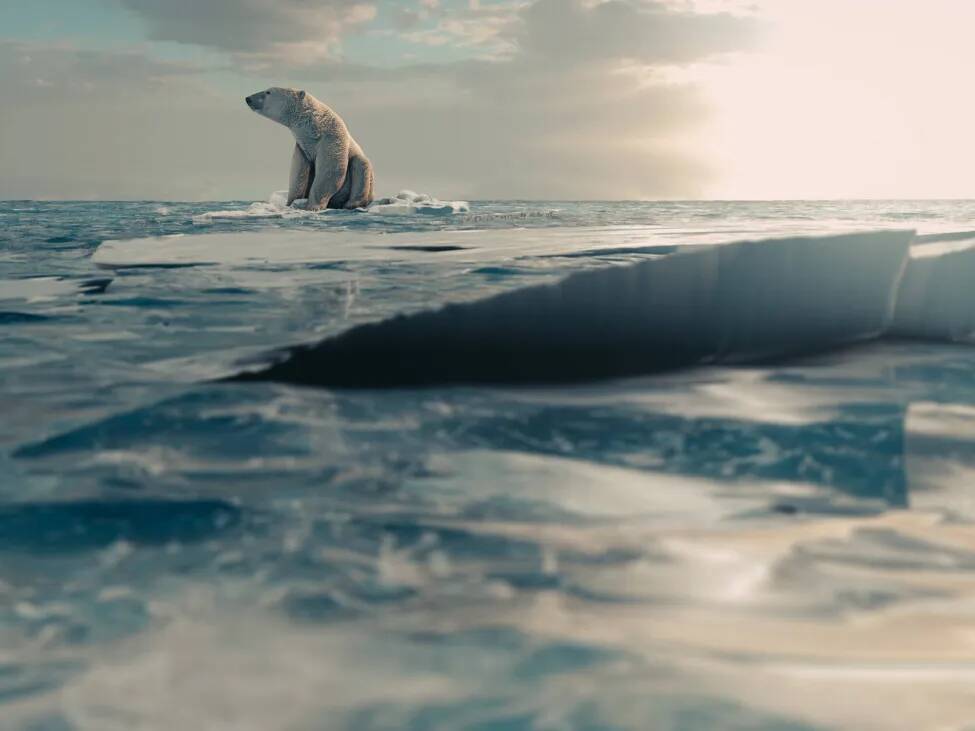
Today, polar bears are recognized not only as a symbol of the North but also as a key indicator of the health of the Arctic ecosystem. Climate change and the loss of sea ice are shrinking their habitat, posing a global challenge: to ensure the survival of the species.

Polar bears are under threat due to melting sea ice

Polar Bear Conservation

Polar bears are considered a vulnerable species, and all populations are listed in conservation registers.

According to the World Wildlife Fund (WWF), there are no more than 30,000 polar bears worldwide. Experts from the International Union for Conservation of Nature (IUCN) estimate that their numbers could decline by a further 30% by 2050 due to climate change.

In 1973, Russia, the United States, Canada, Greenland, and Norway signed the Agreement on the Conservation of Polar Bears. It prohibits unregulated hunting and requires participating countries to take measures to protect the species. Key provisions include bans on the export, import, and trade of polar bears. Every three to four years, the participating countries hold scientific meetings to exchange knowledge and coordinate future actions.

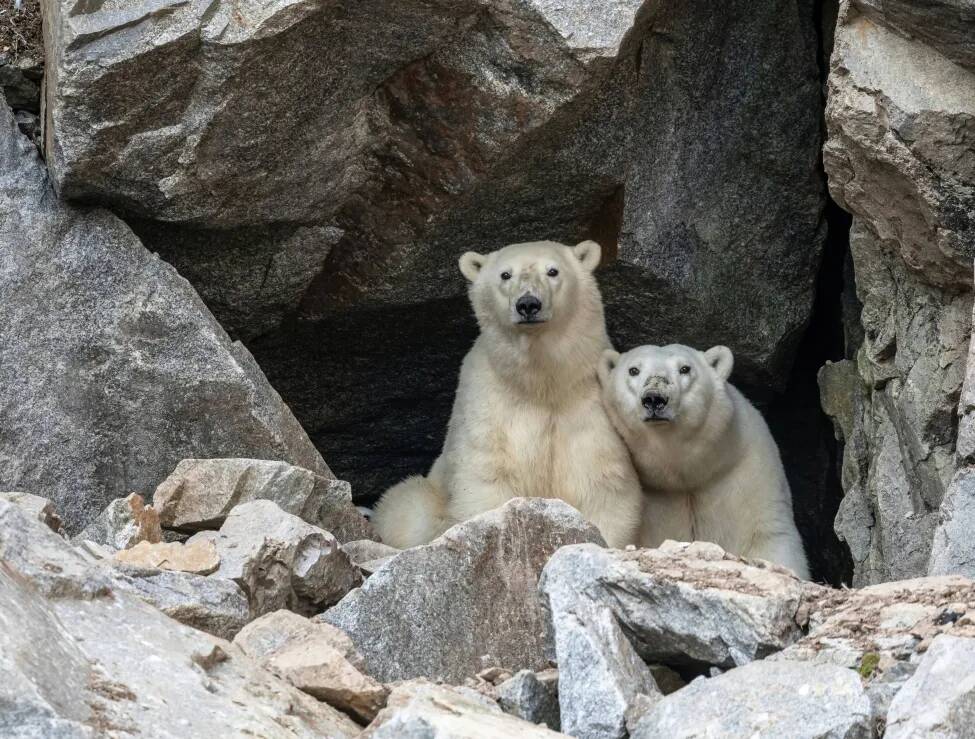
Scientists study maternity dens to gather data on populations

To assess polar bear populations, researchers conduct specialized studies: DNA analysis, monitoring the effects of pollutants on animal health, and identifying diseases that may threaten their survival.

Melting sea ice is the primary threat—but not the only one. Conservation efforts also focus on protecting Arctic ecosystems, establishing protected areas, regulating hunting, and combating poaching.

Polar Bears in Culture

For the Indigenous peoples of the Arctic, the polar bear is not just a predator but a creature of deep spiritual significance. In Chukchi and Inuit mythology, it is often portrayed as a protector of the family and a guardian of ancestral knowledge. Encounters with the bear are believed to bring strength and wisdom. The great white giant is respected and revered, as living in harmony with such a powerful being is seen as a way to avoid the wrath of nature.

The image of the polar bear has inspired artists of the 19th and 20th centuries. It appears in the works of Arctic explorer and painter Alexander Borisov, animal artist Vasily Vatagin, and primitivist Niko Pirosmani.

Polar bears also feature in literature. In “Who Lives in the Ice”, Nikolai Sladkov combines scientific accuracy with a deep love for the Arctic, exploring the nature and behavior of its inhabitants. In “The Story of Keesh”, Jack London tells of a young hunter’s confrontation with a polar bear, drawing on Inuit folklore traditions.
The Arctic resident also appears in the Soviet animated film “Umka” (1969). This story of friendship between a polar bear cub and a child has become a symbol of kindness and harmony between humans and nature.

In films and documentaries, such as the BBC series “Polar Bear” and “A Polar Year”, these Arctic animals take center stage. Through them, we see the challenges wildlife faces in the harsh conditions of Arctic winters and during summer migrations.

Explore our full collection of Arctic tours. If you have any questions or need help choosing the right program, please call us at +7 (495) 104-64-36 or email us at hello@russiadiscovery.ru.

Contributors
Olga Kameneva
Executive Editor
Maria Cherdantseva
Photo Editor
Sofya Schmidt
Proofreader
Maria Potapova
Translator

Notice an error or inaccuracy?

Write to us

Great-Value Flights to the Russian Far East with Aeroflot

2.02.2026
6 minutes
102

Discover Russia: Inviting the World to Explore

8.10.2025
8 minutes
220

The Best Places to See the Northern Lights

6.09.2025
10 minutes
313

Wrangel Island: A Journey to the Edge of the World

4.09.2025
16 minutes
446

A Week in Karelia: Dog Trekking, Cycling, and Rafting

12.08.2025
7 minutes
112

Best Places to Visit in Kamchatka

16.07.2025
1 minute
118