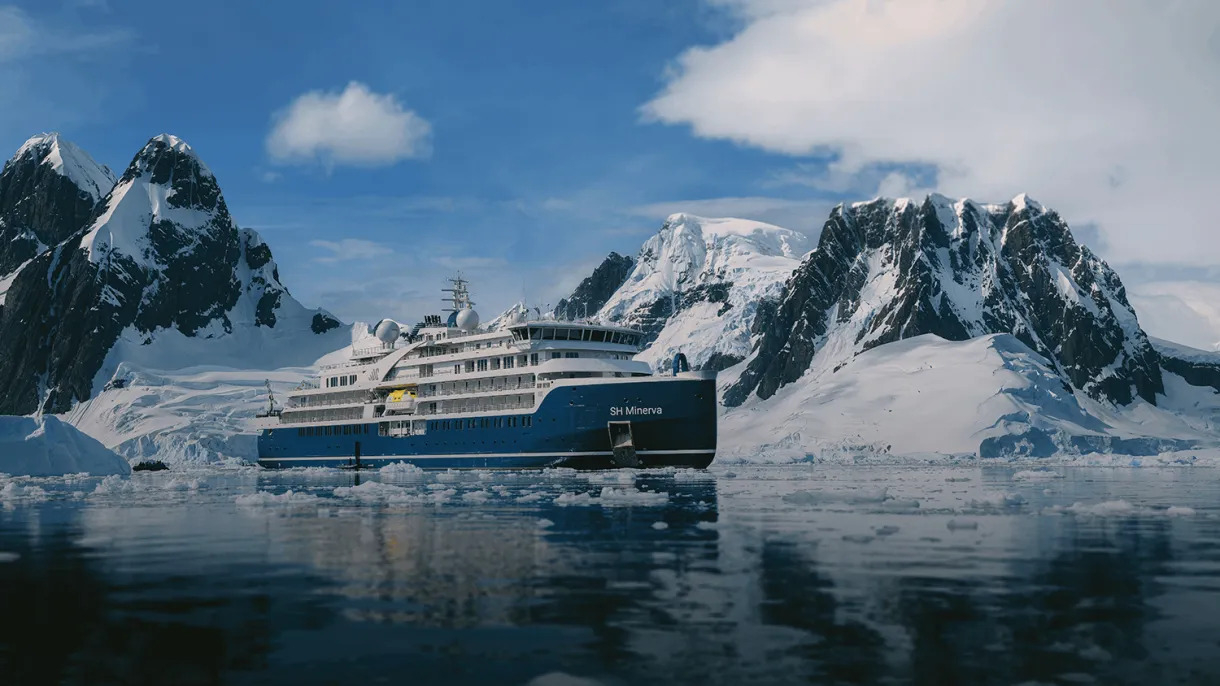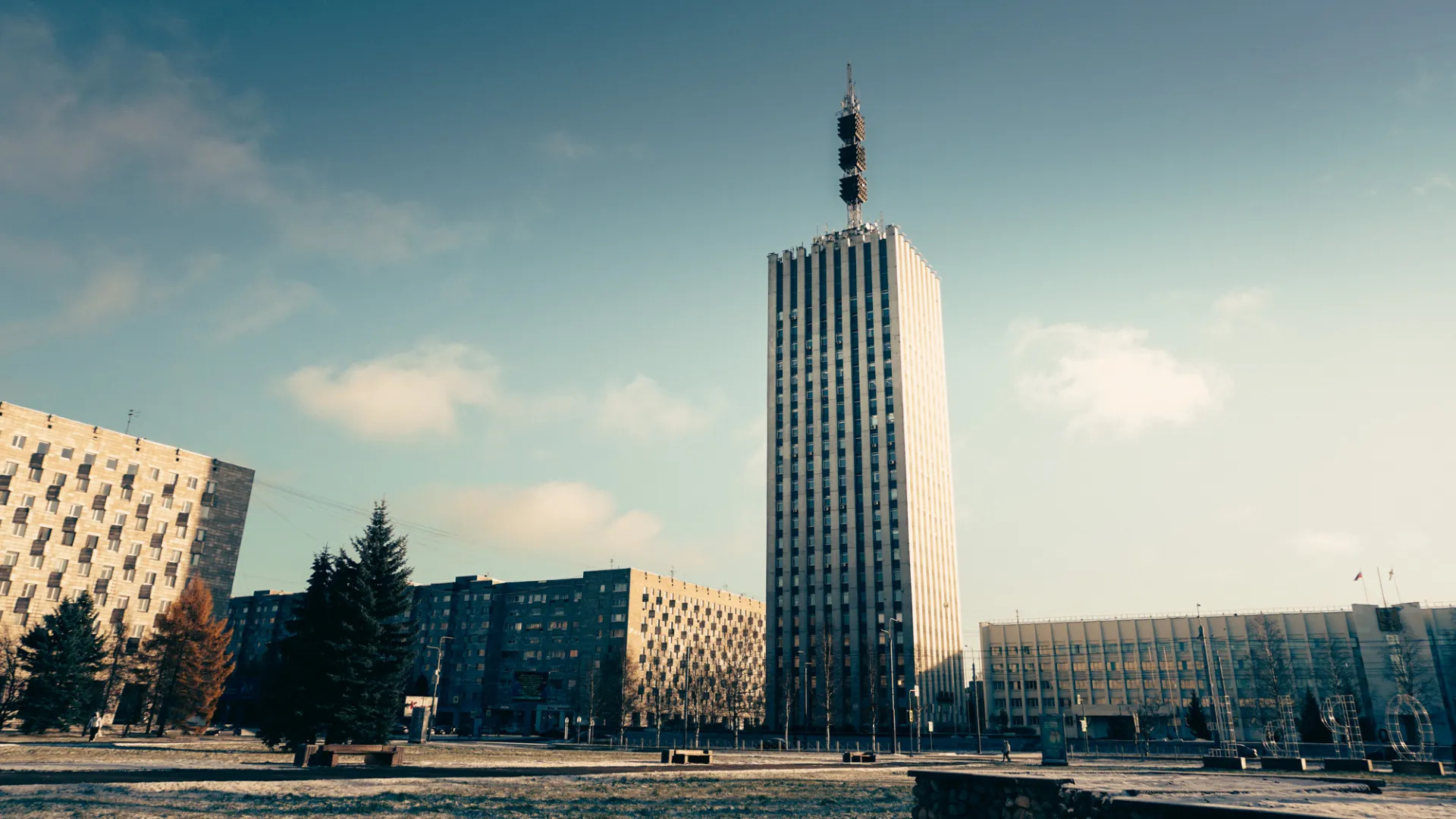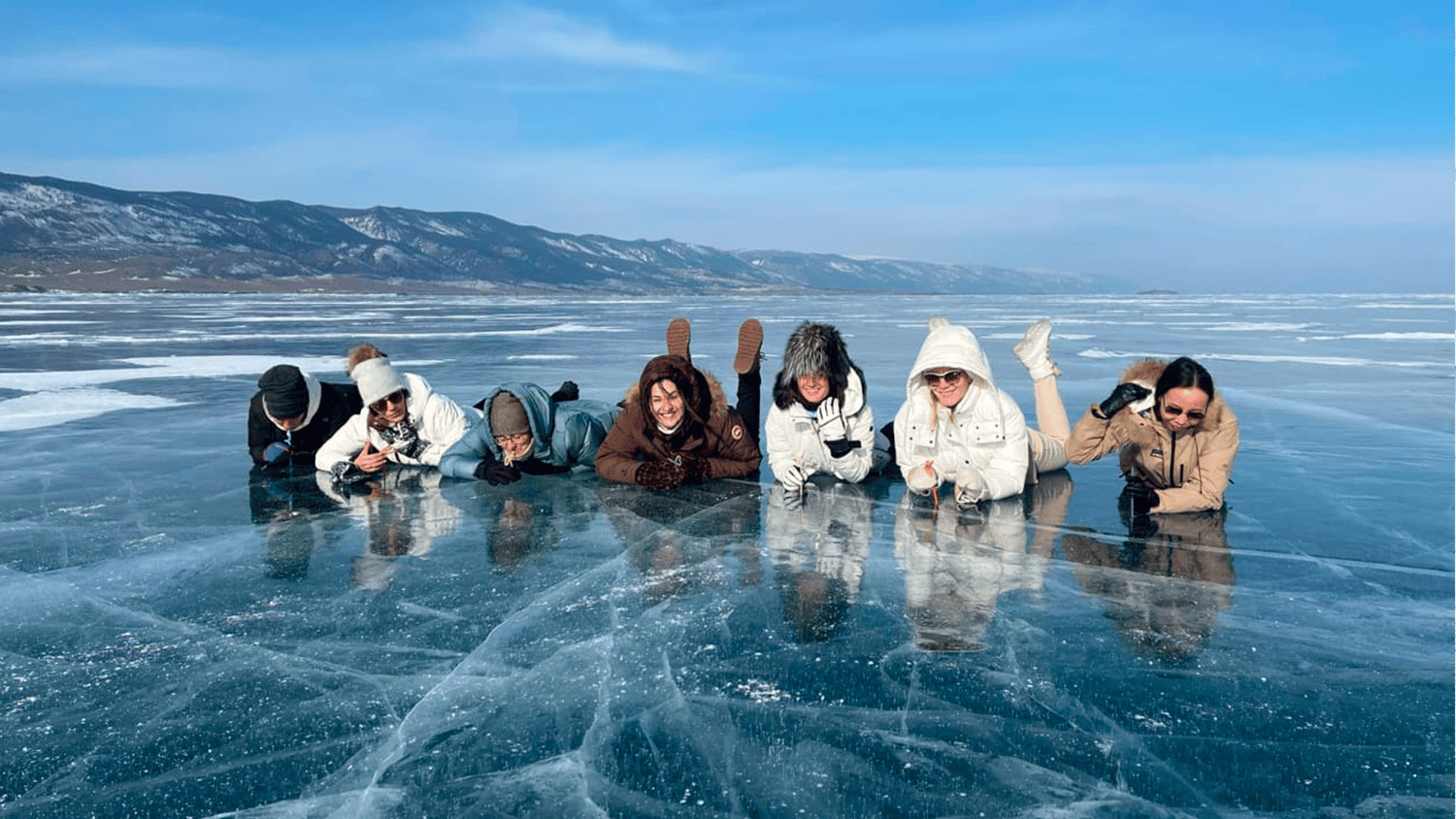



Vladivostok resembles a giant sailing ship that once moored on the shores of the Sea of Japan. The waterfront resembles a deck where travelers breathe in the salty sea air. Footpaths climb the hills like gangways, and the bridges act as strong cables that hold the city together, linking the different worlds of its neighborhoods.
Top Attractions in Vladivostok: What to See in the Capital of Primorsky Krai
How to get there, where to eat, and what souvenirs to bring home

Our Business Development Manager, Irina Milintsova, visited the capital of Primorye. She explored the city streets, discovered its main attractions, and shares her impressions in this article.
Quick Navigation
Vladivostok: What to See, Where to Go, and Where to Eat
When to Visit Vladivostok: Weather by Season
How to Get There
Expenses Beyond the Tour
Cultural and Historical Attractions of Vladivostok
Russky Bridge and Zolotoy Bridge
Submarine S-56
Russky Island
Shkot Island
Cape Tobizina
Primorsky Oceanarium
Tokarevsky Lighthouse
Millionka
Funicular
Vladimir K. Arseniev Museum of Far East History
Safari Park
Where to Eat in Vladivostok: Cafés and Restaurants
Seafood
International and Local Cuisine
Breakfast Spots
What Souvenirs to Bring from Your Trip
Seafood
General Air Travel Rules
Souvenirs with City Symbols
Vladivostok: What to See, Where to Go, and Where to Eat
When to Visit Vladivostok: Weather by Season
The active travel season runs from mid-July through September. Early summer in Vladivostok is quite cool, and the sea only warms up noticeably by July, when water temperatures can reach +25 °C. August is the hottest month, with average air temperatures around +23 °C.
Where to go in Vladivostok
How to Get There
Most flights depart from Moscow. Round-trip tickets with checked baggage start at around 30,000 rubles. For the best fares, it’s advisable to book three to four months in advance.
The flight from Moscow to Vladivostok takes about eight hours. The time difference is +7 hours ahead of Moscow. If you’d like something to read during the journey, you might browse a few articles from our Travel Magazine.
The most affordable way to reach the city center from the airport is by bus No. 107, which goes to the railway station. The journey takes just over an hour. Another option is the Aeroexpress train, operating from 7:40 am to 6:00 pm and taking about an hour as well. You can check the current schedule here. A taxi ride takes around 50 minutes without traffic. In Vladivostok, services such as Yandex Go, Uber, and Maxim Taxi are available.
A trip to the Russian Far East involves crossing time zones: on your way there, you’ll be traveling into the “future,” and on your way home, back into the “past.” To feel comfortable during the active part of your itinerary, allow at least one day for adjustment—seasoned travelers recommend two or three. It’s also worth planning a couple of extra days before departure, as there is plenty to see in Vladivostok and its surroundings.
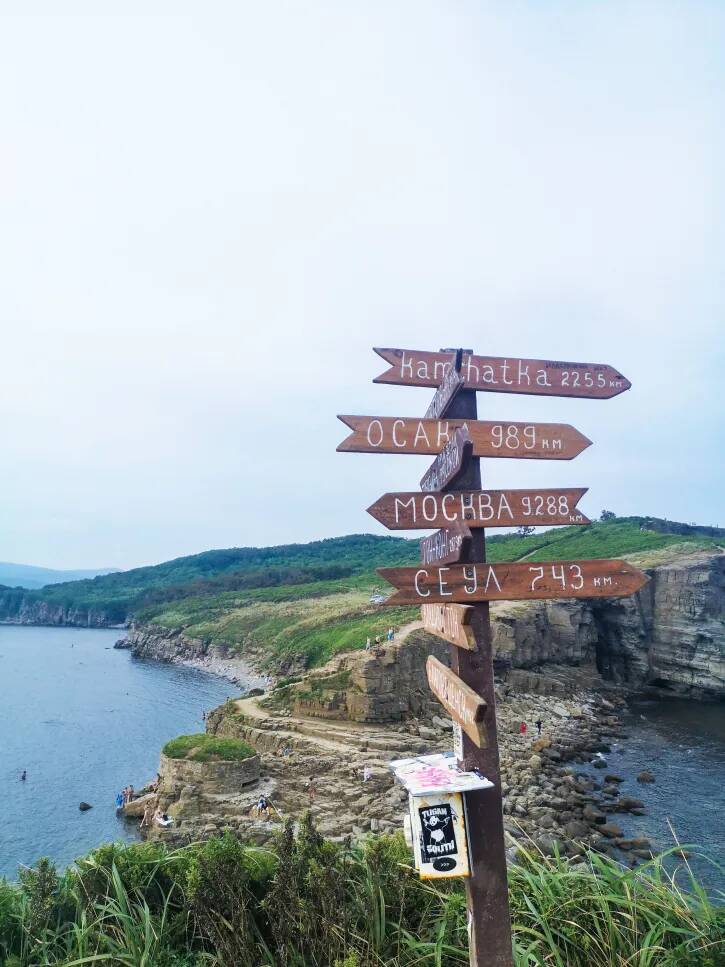
A journey to the Far East is a trip into the “future”
© Irina Milintsova
Expenses Beyond the Tour
The city center is traditionally pedestrian-friendly. Taking a taxi can cut travel time to more distant attractions by at least half. Yandex Go and Uber operate in the city at reasonable rates—for example, a ride from the airport to the city center costs around 1,000–1,600 rubles.
Restaurant prices: dinner for one person without alcohol averages between 1,200 and 3,000 rubles.
Optional excursions on free days:
- Russky Island, Shkot Island, and Tobizina Cape can be visited with private guides who provide transportation. Prices range from 10,000 to 18,000 rubles per tour for a group of up to seven people.
- Primorsky Oceanarium: tickets start at 1,100 rubles for adults and 550 rubles for children. Tickets are available at the box office or online via the official website.
- Millionka district tour: from 850 to 2,500 rubles per person.
- Museum visits: from 100 rubles per person (the lowest rates apply to eligible discounted categories).
You may also want to budget for coffee and dessert at a local café—or perhaps pick up something Chinese or Japanese in the shops. The author of this article even tracked down a bottle of Dr Pepper—those who grew up in the ’90s will understand the nostalgia.
Cultural and Historical Attractions of Vladivostok
Russky Bridge and Zolotoy Bridge
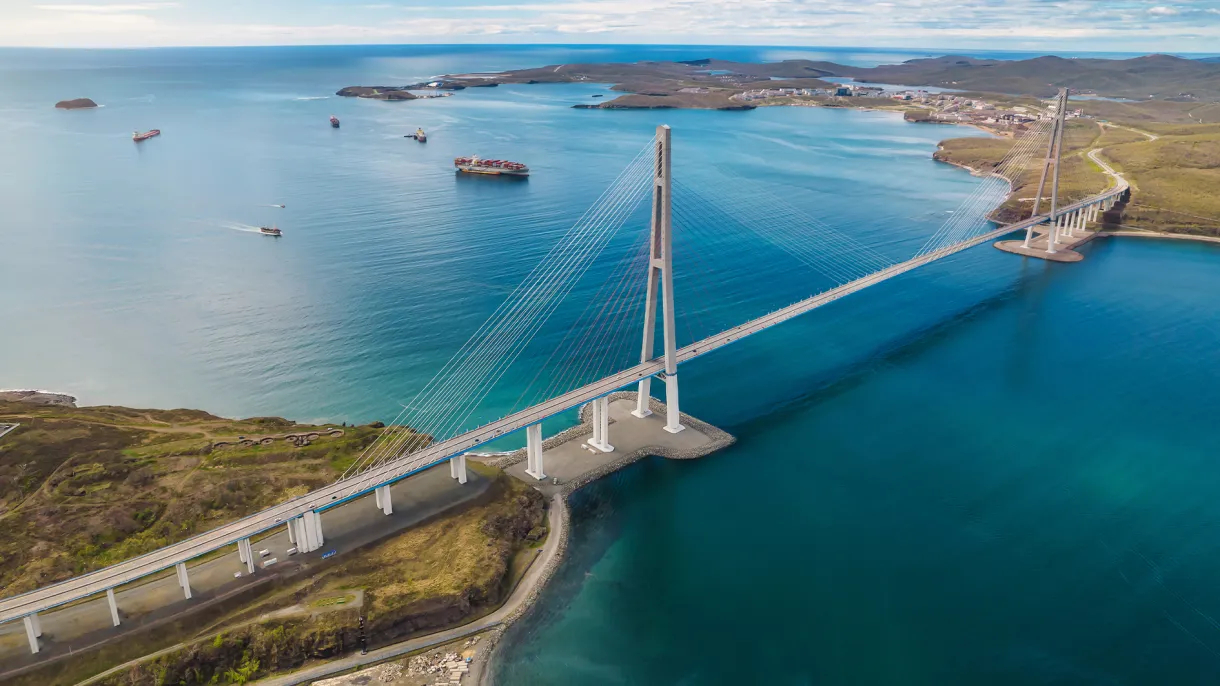
Pedestrian access is closed on both bridges, so you’ll need a car to get there. Russky Bridge is one of the city’s main landmarks. It has the longest cable-stayed span in the world and ranks second among the tallest of its kind. Locals recommend admiring it from Novosiltsevskaya Battery on Russky Island. If you’re not planning to go to the island itself, you can get off before the bridge entrance and take photos near Nazimovskaya Battery.
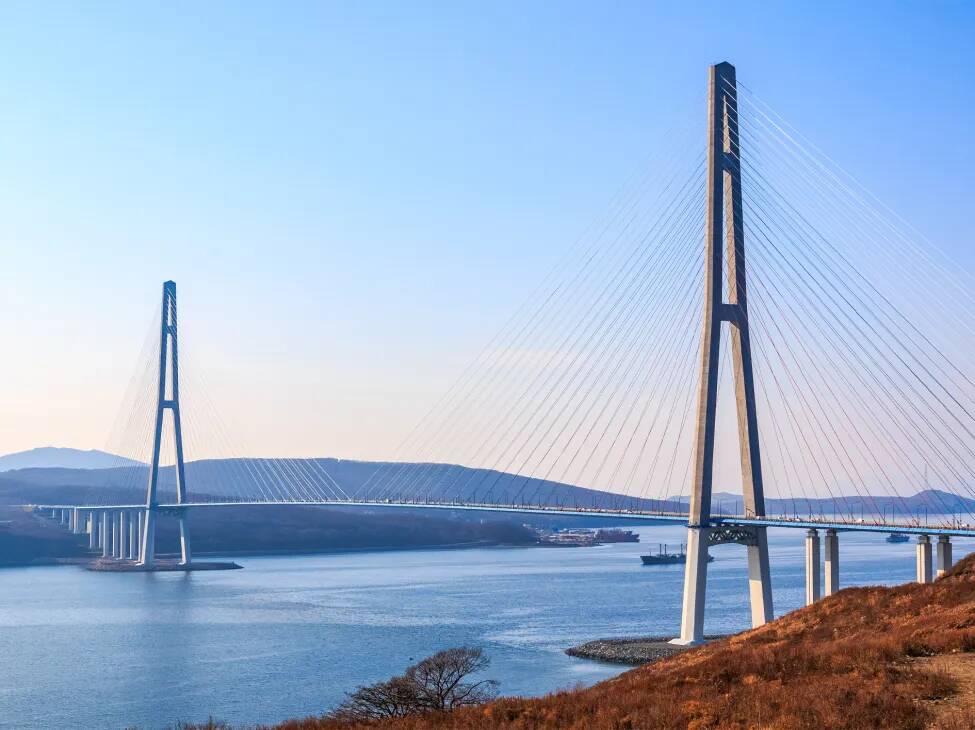
Russky Bridge is one of Vladivostok’s main landmarks
© iStock
There is still a way to cross the bridges on foot — by running. Several marathons are held in Vladivostok each year.
Zolotoy Bridge is located within the city. You can see its snow-white pylons, find great photo angles, appreciate the scale of the structure, and walk directly beneath it from Korabelnaya Embankment.
One option for a walking route: start at the Vladivostok City Museum, walk to the Submarine S-56, then continue along Korabelnaya Embankment to the landscaped Tsarevich Embankment, where you can enjoy a coffee with views of the bay and Zolotoy Bridge.
Submarine S-56
What is it like to step aboard a former combat submarine built in 1941? S-56, one of the most successful Soviet submarines, saw action during World War II. Today, the vessel has been converted into a museum: in the stern section, the machinery was removed to create an exhibition dedicated to the Pacific Fleet’s submarine forces. The first three compartments retain their original equipment. The central control post features dive and ascent controls, a periscope, a navigation table, and high-pressure air systems. The officers’ wardroom is separated from the hydroacoustic operator’s station and the commander’s cabin. Another compartment houses torpedo tubes with a full combat load of torpedoes, as well as bunks for submarine sailors.
According to the official website, the site is open daily from 10:00 AM to 6:00 PM, but it is best to check the schedule in advance.
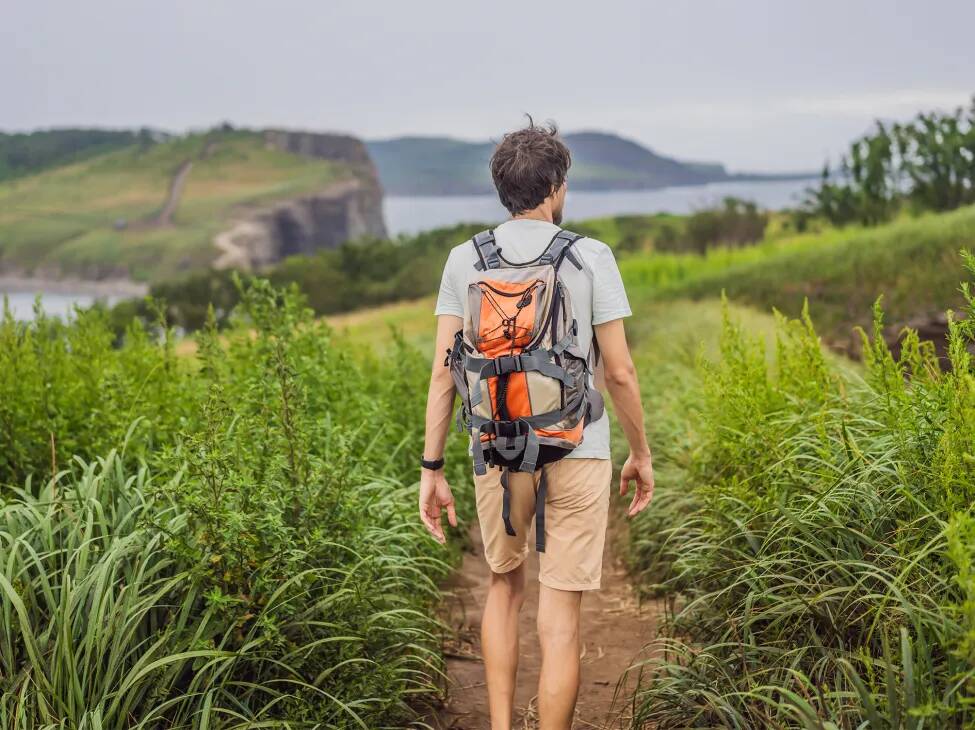
Russky Island is the largest island in Peter the Great Gulf of the Sea of Japan
© iStock
Russky Island
There are plenty of reasons to visit Russky Island — from historical, modern, and natural landmarks to the chance to drive across the Zolotoy Bridge and the Russky Bridge. The island is famous for sites connected with the military history of Primorsky Krai. These include Fort Pospelov, the Novosiltsevskaya Battery, and the legendary Voroshilov Battery, one of only two surviving 12-inch armored turret batteries in Russia. The other surviving example is Battery No. 30 near Sevastopol.
The Voroshilov Battery consists of two turrets and includes three underground levels housing living quarters, technical rooms, and ammunition storage. The turrets are connected by a poterna — a deeply buried gallery about 250 meters long. Since 2022, the Voroshilov Battery has been a branch of the Pacific Fleet Museum. It is open to visitors; details are available on the official website.
You can visit Russky Island as part of our “Discover Primorye” tour. You can also try local delicacies, take a boat trip across Peter the Great Gulf, and visit the Land of the Leopard National Park.
Shkot Island
Part of the Eugénie Archipelago in Peter the Great Gulf of the Sea of Japan, this island offers sweeping views of the endless deep-blue sea. You can reach it by walking from Russky Island along a sandbar that is submerged by almost a meter of water. It’s best to wear special footwear — aqua shoes or Crocs. Bare feet can be hurt by stones and sometimes sea urchins. This type of footwear is also useful when visiting the Tokarevsky Lighthouse and during the more active parts of the route.
A walk around Shkot Island takes about three to five hours — enough time to leisurely explore bays with stone arches, cliffs, and the lighthouse.
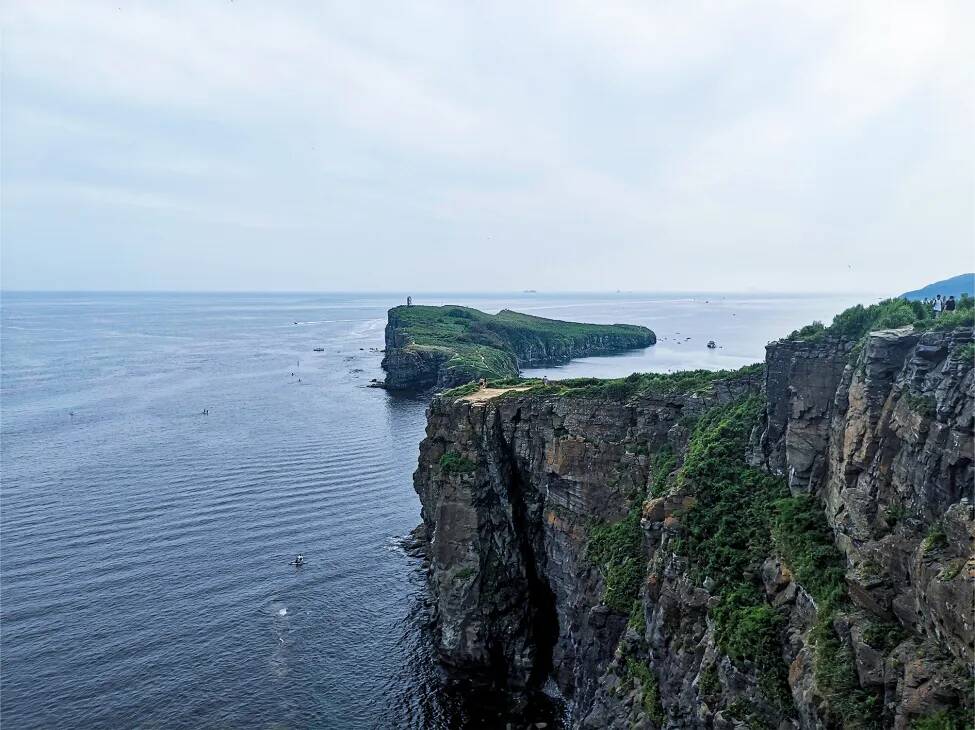
The cape on Russky Island was named after the navigator Charles Tobizin
© Irina Milintsova
Cape Tobizina
This scenic cape on Russky Island is named after the English navigator Charles Tobizin, who was the first to describe this place in the 18th century. From the rocky shoreline, favored by seabirds, you get stunning views of Ussuri Bay and Vladivostok.
Primorsky Oceanarium
A place where even a full day feels too short. The exhibition offers extensive insight into the formation of the Solar System and life on Earth, as well as modern scientific expeditions.
The story of life’s evolution in the ocean takes visitors back some 4.6 billion years and gradually moves toward more recent history. Models, multimedia installations, information panels, and fossils of ancient marine life from different geological periods complement the live exhibits.
The “Polar World” exhibition recreates the atmosphere of the Arctic and Antarctic, showcasing their unique wildlife and highlighting Russia’s role in exploring the polar regions. Visitors can also watch a film about the Mir submersible’s dive at the North Pole and see models of Pomor koch vessels and Russian nuclear icebreakers.
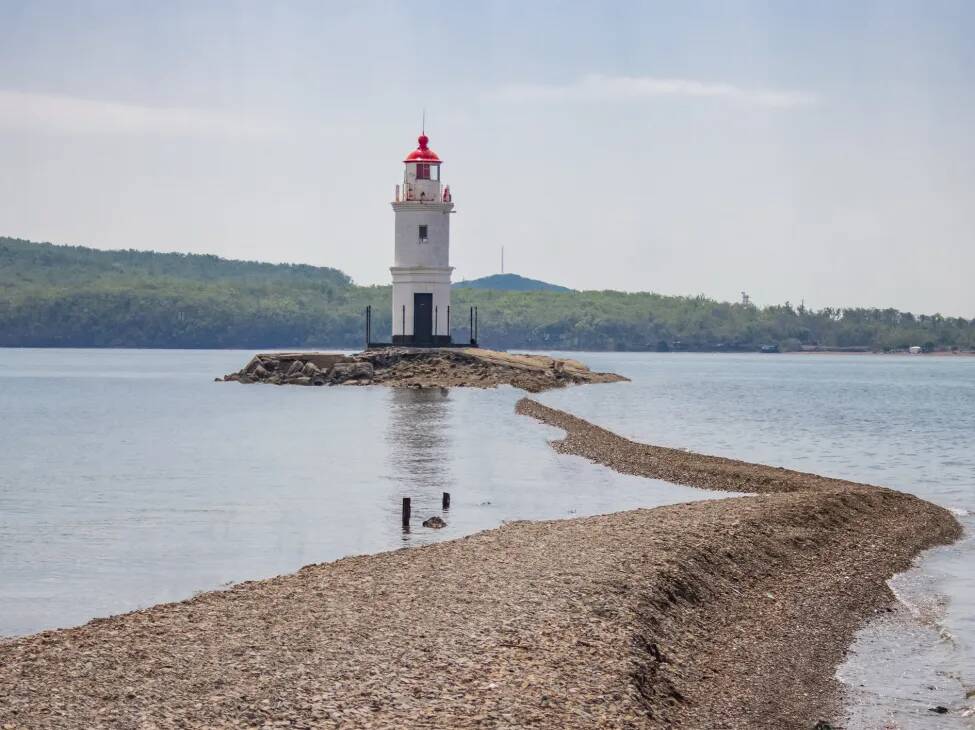
Egersheld Lighthouse is among the oldest in Russia
© iStock
Tokarevsky Lighthouse (Egersheld Lighthouse or Tokarevskaya Koshka)
There are, of course, no cats there (“koshka” means “cat” in Russian). This geographic term dates back to the Soviet era and refers to a long, sometimes shrinking sand shoal that stretches parallel to the shore. Over time, it can develop into a spit like the famous Curonian Spit. The Tokarevsky Cape shoal, almost 800 meters long, was built up by hand together with the small islet where the lighthouse stands. A narrow footbridge once ran along the dam, but time and the sea have washed it away.
The lighthouse got its second name because Tokarevsky Cape, from which it shines, is located on the Shkota Peninsula (not to be confused with the island named after the same military figure). Locals know this peninsula better as the Egersheld district. That’s how the names came into use: Egersheld Lighthouse, also known as Tokarevskaya Koshka Lighthouse.
One of the oldest lighthouses in the Russian Far East, it was built in 1910. Before that, the site was marked by a light beacon. The round white stone tower, set on an octagonal base, rises to almost 12 meters in height.
The lighthouse officially received the name Tokarevsky after the cape. The cape itself is named after Mikhail Yakovlevich Tokarevsky, chief builder of the famous cruiser Aurora and a captain of the Naval Navigators Corps.
The lighthouse is still operational and is maintained by the Hydrographic Service of the Pacific Fleet. For a long time, it was hidden from residents and tourists behind a fence, but the barrier has been removed, and visitors now come here regularly. In winter, spotted seals (largha seals) can sometimes be seen here. In summer, locals relax on the shoal. To reach the lighthouse, you’ll need to walk through water that can be almost knee-deep. Flip-flops, Crocs, or aqua shoes are recommended, as the seabed is rocky.
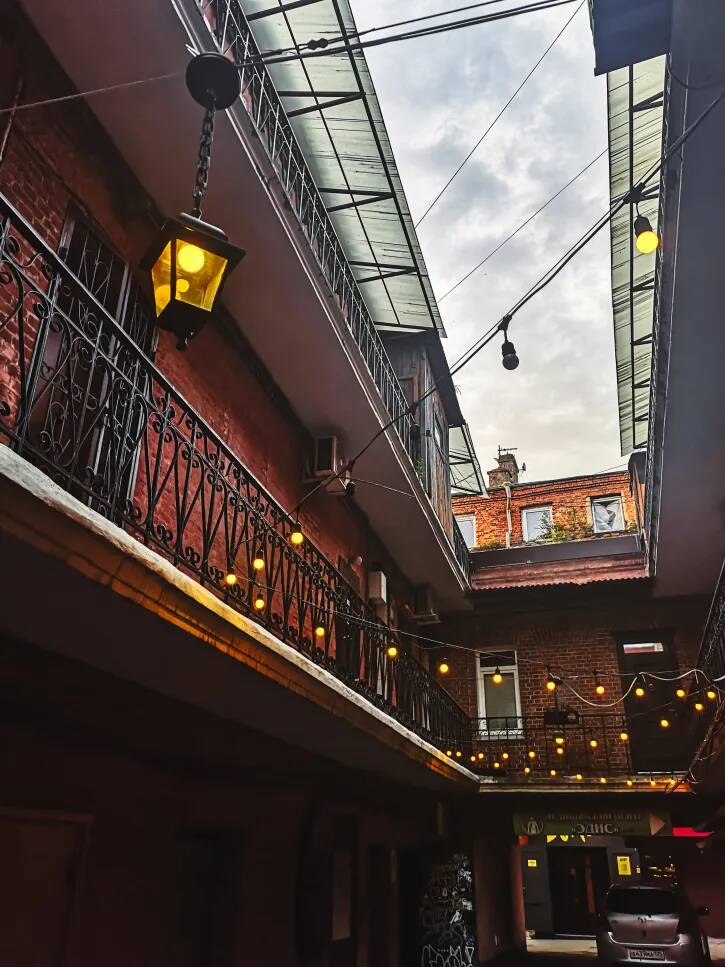
At the end of the 19th century, Millionka served as the center of Vladivostok’s Chinese community
© Irina Milintsova
Millionka
In the late 19th century, Millionka served as the center of Vladivostok’s Chinese community. Shops, restaurants, hotels, and other establishments in the local Chinatown catered to Chinese migrants. With the beginning of the Soviet era, the area became a refuge for criminal groups, and in 1936 it was shut down. Guides share more details during walking tours of Millionka. You can book guided walking tours of the famous Millionka here.
Funicular
Operating since 1962, this city landmark connects the lower and upper parts of Vladivostok. The 183-meter journey through the air takes just a couple of minutes. Most visitors ride the funicular to reach the Eagle’s Nest viewpoint for its panoramic views.
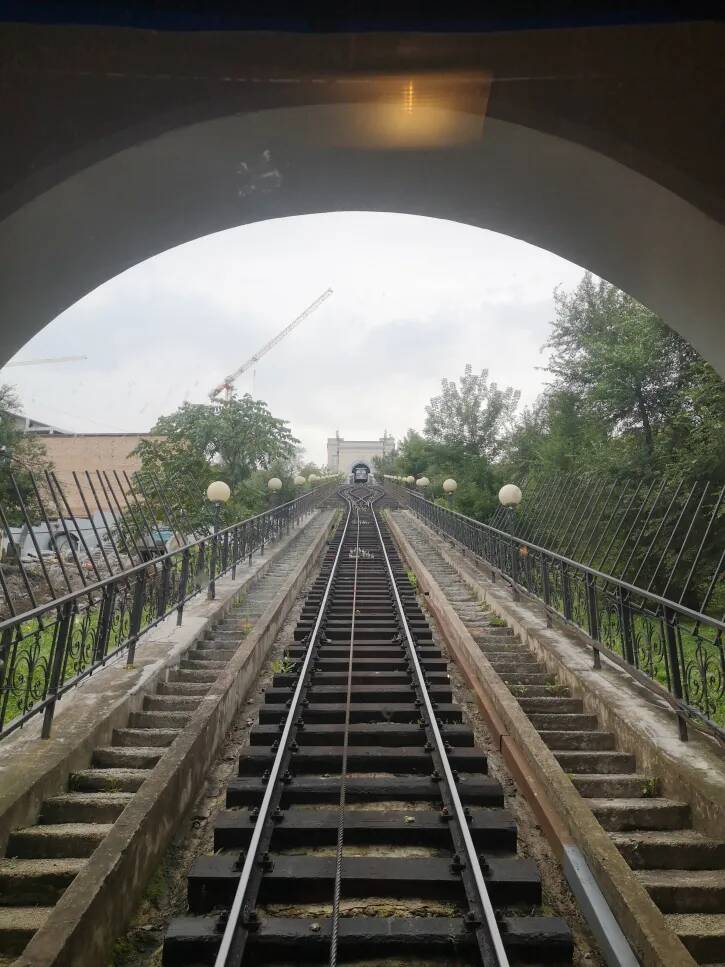
Not every Russian city can boast a funicular
© Irina Milintsova
Vladimir K. Arseniev Museum of Far East History
Here you can explore the history of the development of Primorsky Krai. The museum has several branches across the city:
- Main Building. The exhibition includes eight permanent displays. With a guided tour or audio guide, time flies by as you discover fascinating stories about artifacts ranging from the Paleolithic era, the Iron Age, the Jin Empire and the Eastern Xia state to the development of entrepreneurship and interactions between different peoples in the early 19th century.
- City Museum. This small museum features two permanent exhibitions. The first tells the story of Vladivostok’s forts and fortifications and the people behind their monumental construction. The second explores the memories and emotions of families whose lives have always been connected to the sea. The museum’s director, Viktor Shalay, describes life by the sea as: “Parting — waiting — reunion — parting — waiting — reunion.” Local residents have donated more than a hundred exhibits, including documents, photographs, and personal belongings.
- Sukhanov Family House. This memorial house-museum — the only museum in Russia dedicated to a tsarist official — is located in one of the few surviving 19th-century wooden mansions in Vladivostok. Scenes from the Sukhanov family’s daily life shed light on the fates of many people during times of major change.
- Arsenyev’s House. The home of explorer Vladimir Klavdievich Arsenyev has been preserved as it was during the life of the scientist and writer. Arsenyev inspired generations of adventurers with his most famous book, Dersu Uzala. One of the most influential film directors of the modern era, Akira Kurosawa, adapted the story into a film that won an Academy Award.
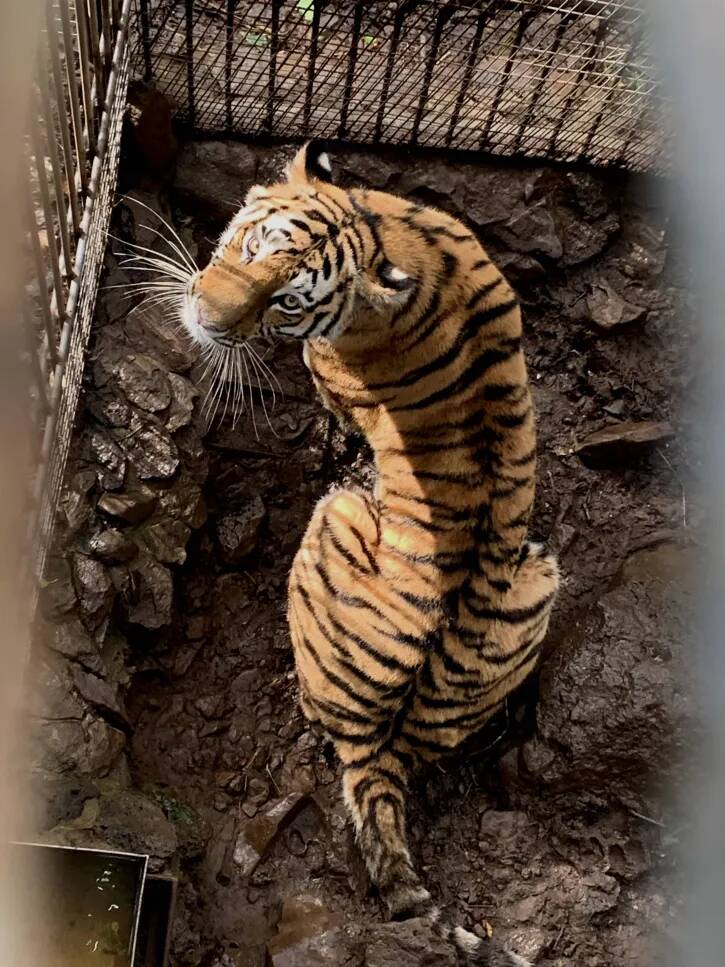
The best place to get acquainted with the symbols of Primorye is at the safari park
© Irina Milintsova
Safari Park
If you want to see the symbols of Primorye — the Amur tiger and the Far Eastern leopard — the safari park is the place to go. You may even feel inspired to follow Arsenyev’s routes. Spacious enclosures, shaded by trees, house wild cats. Animals are usually easiest to observe during feeding time or just before it.
Independent visitors must be accompanied by a guide — visits are only possible as part of a guided tour. The park is divided into zones by animal species. Alongside the big cats, you can see a lion, puma, lynx, serval, and wild forest cat. The canine family is represented by the red wolf and fox, while raccoons, badgers, yellow-throated martens, and minks live nearby.
Various bird species also live here. White-tailed eagles soar directly above amazed visitors. Injured birds are brought here for care, and those that recover are released back into the wild.
One of the most exciting parts of the visit is meeting hoofed animals inside their enclosure. Guides give visitors feed for spotted deer — and the deer are always ready for it.

Vladivostok is famous for its wide variety of seafood
© iStock
International and Local Cuisine
- Millionka — Located in the historic district of the same name in the city center. Dining here feels like visiting a museum: the owner has assembled an impressive collection of Chinese antiques.
- Supra — Perfect for lively group dining. The restaurant blends maritime and national flavors: where else can you try khinkali with scallops and truffle oil, with Kamchatka crab leg meat in caramel cream sauce, or with fresh shrimp in coconut milk tom yum sauce?
- Studio, Delo v Myase — European cuisine.
- Umami, Tokyo Kawaii — Japanese cuisine: ramen, sushi, wok dishes.
- Gusto — European cuisine.
Breakfast Spots
What Souvenirs to Bring from Your Trip
Seafood
Here’s where to buy seafood in Vladivostok and how to transport it by plane or train:
- Pervorechensky Market — 13 Ostryakov Avenue
- Rybny Ostrovok — 106B 100-letiya Vladivostoka Avenue
- More Delikatesov — 10 Novoivanovskaya Street
- RemiCity — 20 Narodny Avenue
- Samberi — 8 Kalinina Street
- Trepang Museum — 66A Verkhneportovaya Street
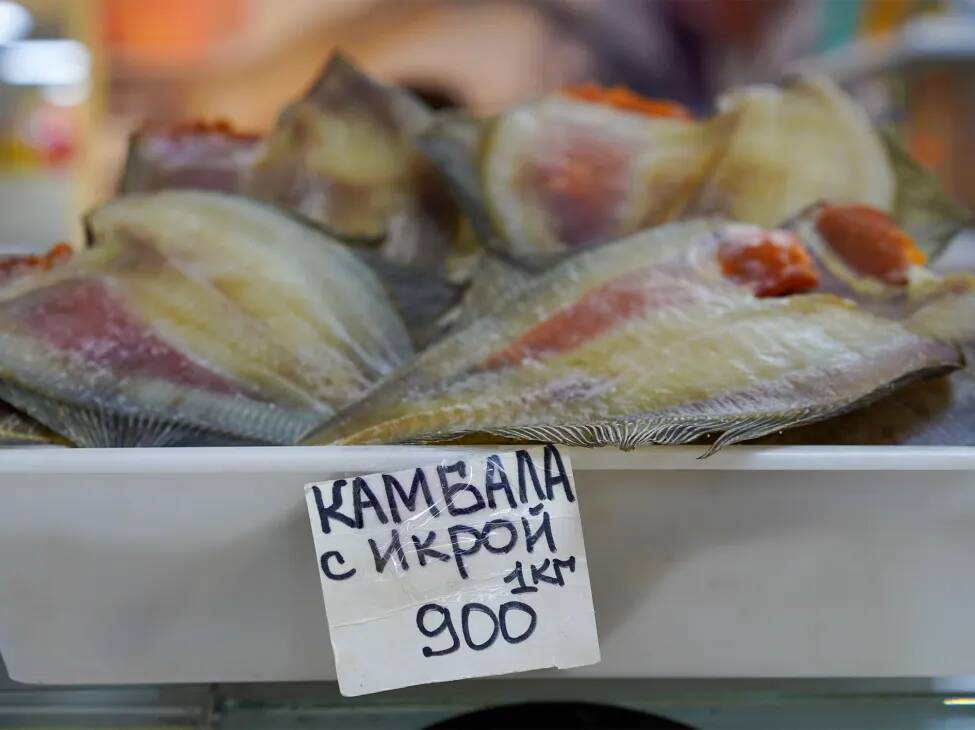
The city has countless places selling seafood
© iStock
General Air Travel Rules
Baggage and carry-on weight limits vary by airline, so check the airline website or call center in advance.
If taking fish outside Russia, you can carry no more than 5 kg. Caviar is classified as canned goods and treated as liquid by airlines. In carry-on baggage, you can take up to 10 containers of up to 100 ml each. Larger quantities are allowed in checked baggage, but all caviar must be factory-sealed and labeled with the production date and manufacturer. This measure helps combat poaching.
Most airlines allow seafood in the cabin if it is securely packaged. This is especially important for smoked products with a strong smell. Packaging should be multilayered; ideally, check such items in. There are no restrictions on transporting seafood by train — just make sure odors don’t disturb other passengers and that the packaging protects the products during transport.
Fresh, dried, and smoked seafood can spoil if stored in plastic bags or cling film. Ideally, wrap them in several layers of parchment paper and place them in an insulated bag or container. Fresh seafood should be pre-frozen or well chilled and packed in an airtight container or insulated bag with dry ice.
Souvenirs with City Symbols
You can find stylish and modern gifts for friends and family here:
- Souvenir shop in the main building of the Arsenyev Museum — 20 Svetlanskaya Street (no museum ticket required). We recommend buying local postcards and mailing them directly from Vladivostok.
- Sunduk Store — 10A Fokina Street
- Yakor Store — 12 Pogranichnaya Street
- Primorsky Confectioner — 52 Aleutskaya Street
Thinking about traveling to the Russian Far East? Browse our tour collection to find your perfect adventure. If you have any questions, we’ll be happy to help — call +7 (495) 104-64-36 or email hello@russiadiscovery.ru.
Contributors
Irina Milintsova
Author
Yulia Ilnitskaya
Literary Editor
Yulia Kopyltsova
Executive Editor
Ezhena Bykova
Proofreader
Notice an error or inaccuracy?
Write to usSee also
All articles