RussiaDiscovery Magazine

We write about Russia so that the native land ceases to be Terra Incognita.

topchaeva
bobir
konstantin

Authors

Coming Soon

We collaborate with masters of words who are in love with travel.

National Cuisine of Dagestan: From Chudu to Khinkal

A guide to the republic’s culinary traditions and must-try dishes

Travel Ideas
07.07.2025
11 minutes
74
Article photo

A journey through Dagestan is impossible without discovering its cuisine. Juicy khinkal served with rich broth, tender kurze filled with meat and herbs, and apricot porridge with urbech — the local food culture is generous in both flavors and aromas.


In this article, we explore what people eat in Dagestan, how the region’s culinary traditions developed, and which dishes are truly worth trying.

Key Features of Dagestan Cuisine

The national cuisine of Dagestan reflects the shared culinary heritage of more than 30 ethnic groups living in the republic. From one aul to another, dishes may vary in shape, ingredients, and even the way they are served. Yet there are elements that unite Dagestan cuisine across the region:

  • A focus on meat. Lamb is the staple, though beef and poultry are also common. Meat is typically stewed or boiled to achieve tenderness and a rich, full flavor. Pork is not eaten, in keeping with Muslim traditions.
  • Fish dishes. Proximity to the Caspian Sea and numerous mountain rivers means fish plays an important role in the local diet — from trout and salmon to sturgeon and common carp. Fish is grilled over coals, smoked, dried, or used to make hearty fish soups.
  • Vegetables and grains are traditional accompaniments to meat dishes.
  • Bread and baked goods. Every village has its own bread and pastry recipes. Flatbreads, chudu, and pies filled with meat, cottage cheese, greens, or pumpkin are an essential part of any meal.
  • Homemade cheeses. The most common are soft brined cheeses, similar to bryndza, made from cow’s or sheep’s milk and often flavored with herbs and spices.
  • Herbs and spices. Thyme, sage, turmeric, various peppers, mint, dill, and cilantro are widely used.
  • Herbal mountain tea. The main local drink, usually enjoyed with homemade sweets or cheese.

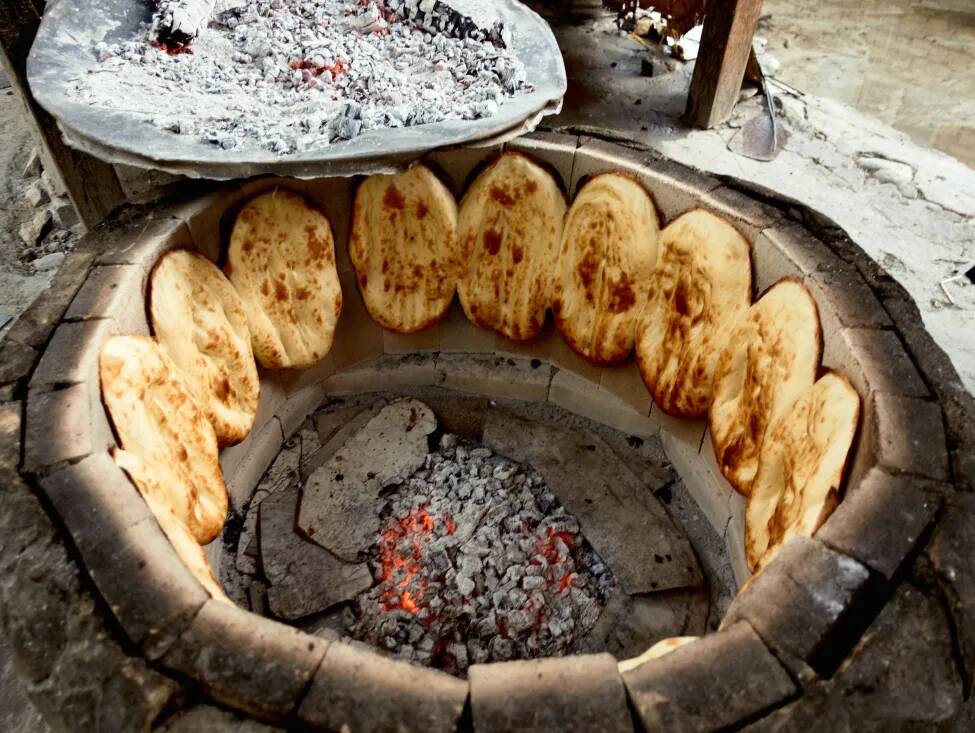
A tandoor is a traditional way of baking flatbreads in Dagestan

Dagestani cuisine is less about elaborate dishes and more about hearty, natural ingredients. Locals favor homemade food and simple cooking methods that preserve the flavor and nutritional value of each component.

Traditional meals are often served separately: meat, broth, dough, sauces, and side dishes are brought to the table individually, allowing everyone to create their own perfect combination. The food is not overly spicy or salty — approachable and enjoyable for most travelers.

History and Culinary Traditions

Dagestan is a mountainous region where farming has always been a challenge. In the highlands, people raised sheep, goats, and cattle, which is why meat has long been at the heart of the local diet. Vegetables and grains were grown on hand-built terraces carved into the mountain slopes. It required immense effort, but these terraces yielded crops such as wheat, corn, barley, peas, and flax, with fruit trees planted along their edges.

Plant-based foods complemented the diet as well: locals gathered wild herbs, nuts, and fruits. Dairy products—cheese, cottage cheese, and kefir—also played an important role. Many traditional dishes emerged from the need to use ingredients wisely. Khinkal, for example, originated as a filling meal for shepherds, and baked goods with different fillings became a way to add variety to the daily diet.

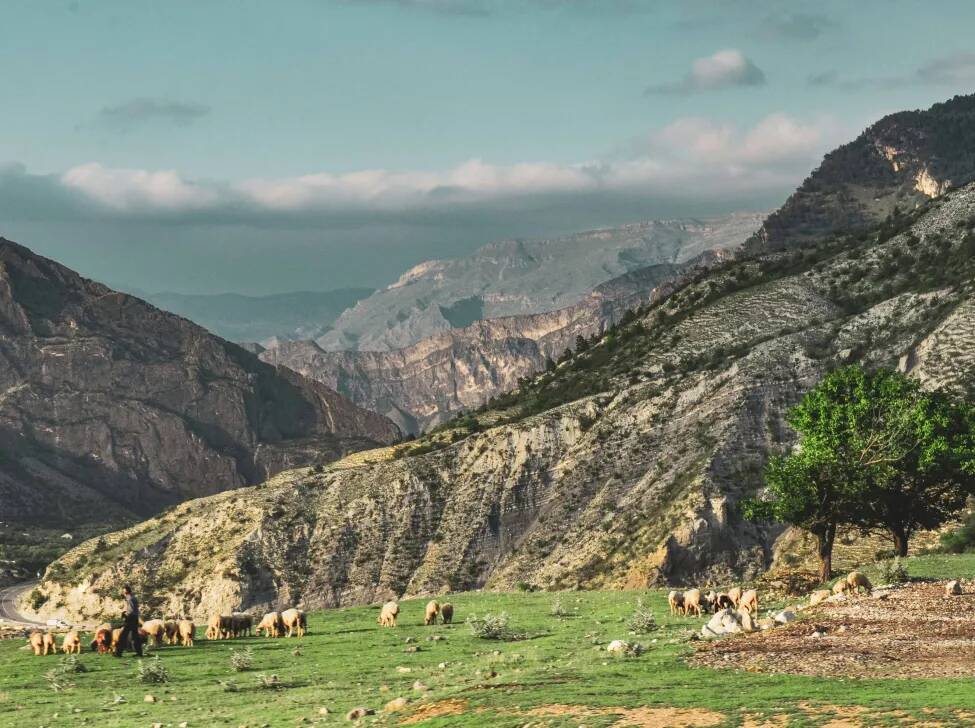
In summer, sheep graze in the mountains, and in autumn they are driven down to the plains

Cuisine in Dagestan is an integral part of culture and a key expression of hospitality. Traditional dishes are served at family meals, celebrations, and community gatherings. Food brings people together—it’s a time to talk, share news, and strengthen bonds between generations.

What to Try in Dagestan

If you’re traveling through the republic, don’t miss the chance to explore its rich culinary diversity. We’ve put together a list of dishes you absolutely have to try.

Khinkal

Khinkal is the main symbol of Dagestan cuisine. Contrary to a common misconception, it is not a “Caucasian dumpling,” but a unique dish with deep roots in the everyday life of the mountain peoples. Khinkal consists of boiled pieces of dough served with lamb, beef, or chicken, along with rich broth, potatoes, and a variety of sauces.

Khinkal is believed to have emerged as a practical way to use meat efficiently. A strong, spiced broth provided energy, the boiled meat was filling, and the dough cooked in the broth served as a side dish—making it possible to stretch a modest amount of meat to feed a large family or group.

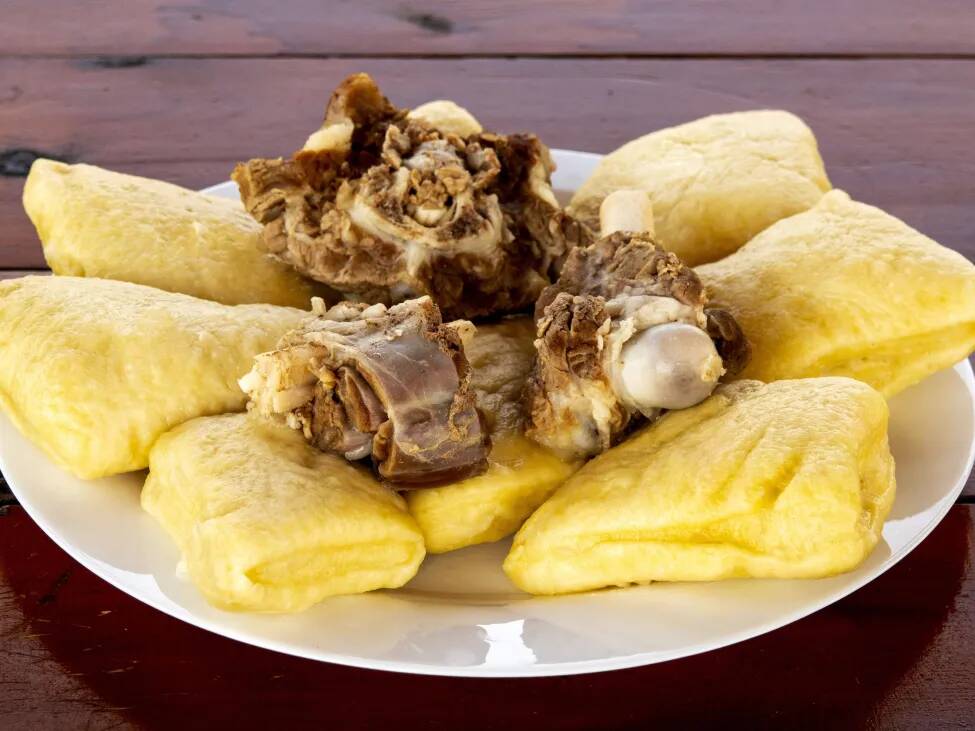
There are many regional varieties of khinkal, distinguished by the shape and type of dough: Avar khinkal comes in thick diamond-shaped pieces, Lak khinkal resembles small rolls or “ears,” Dargin khinkal is made as spiraled rolls, and Lezgin khinkal consists of thin sheets of dough. Sometimes corn flour is used; in that case, the dish is called khalpama. All components are traditionally served separately.

Khinkal is a symbol of Dagestan cuisine

Avar Khinkal

Avar khinkal can be considered a standalone dish of Avar cuisine, yet it holds a special place throughout Dagestan as a whole. Its defining feature is the dough, made with kefir and baking soda. Thanks to this, the khinkal becomes light, airy, and porous during cooking—almost sponge-like—and absorbs the rich broth exceptionally well. These soft dumplings are served with boiled meat, tomato sauce with garlic, or a garlic sauce made with kefir.

The way khinkal is eaten is just as important as how it’s prepared: first, the dough is dipped into the sauce, then followed by a sip of broth, and finally a bite of meat. This combination of fluffy dough, rich broth, and bold sauces is what makes Avar khinkal so distinctive.

Chudu

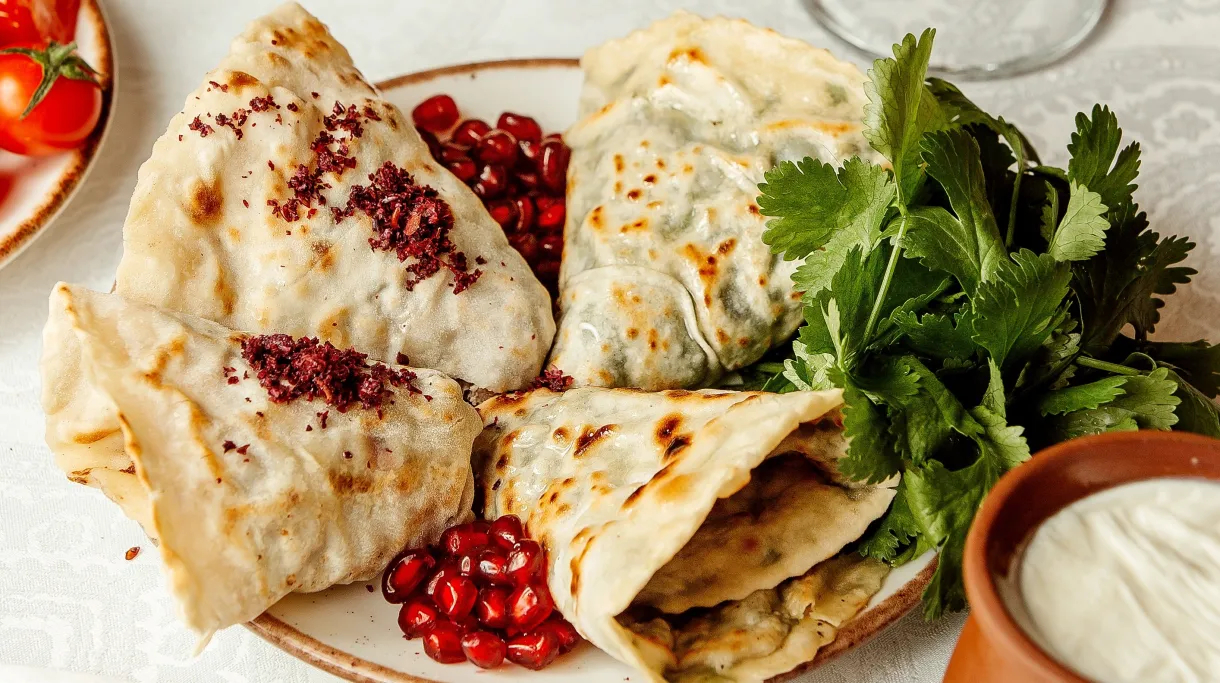
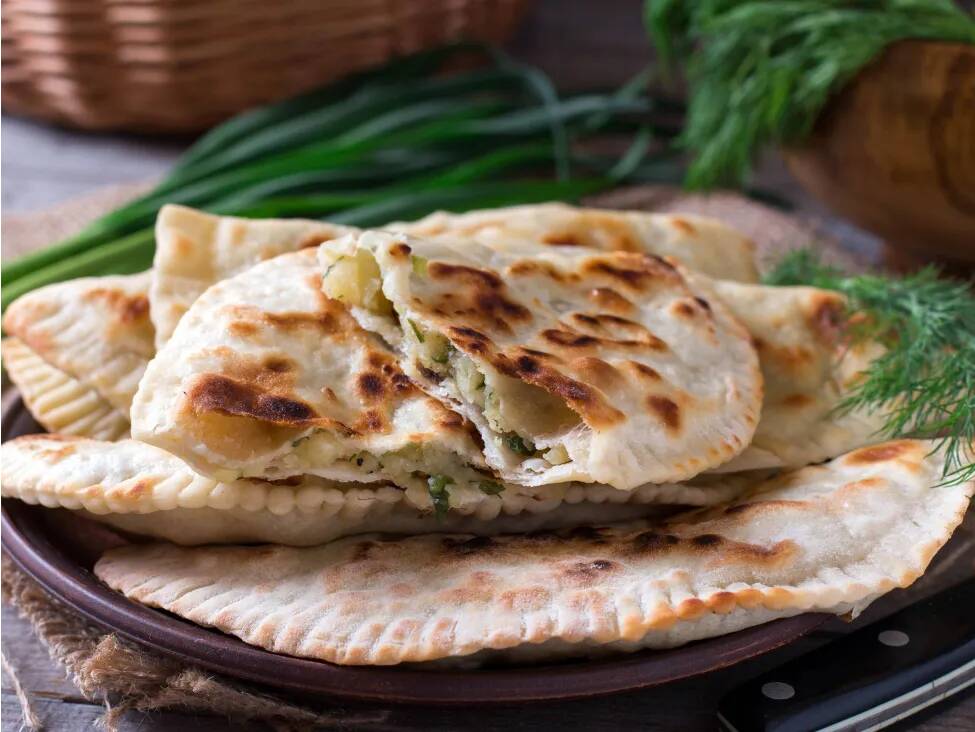
In Dagestan, chudu are thin pies or flatbreads made from unleavened dough and filled with a variety of ingredients. The dough can range from paper-thin and almost translucent to hearty, yeast-based versions. Chudu are baked on a dry skillet, cooked in a tandoor, or fried in oil.

Each ethnic group adds its own twist to the recipe. Among the Avars, chudu with cottage cheese and herbs is especially popular; the Dargins favor fillings of meat and potatoes, while the Kumyks prefer pumpkin generously seasoned with spices. There are also more unusual variations, such as fillings made with nettles or lamb offal.

Chudu can be either round or half-moon shaped

Kurze

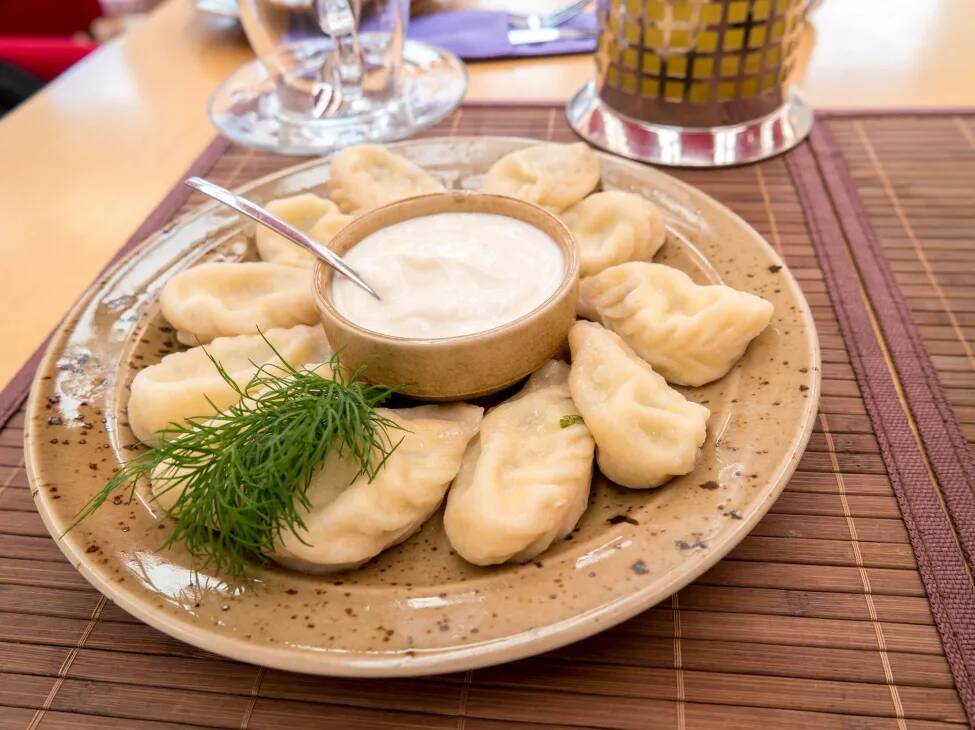
At first glance, kurze may resemble dumplings, but the similarity ends there. To begin with, the dough is usually thinner and more elastic, made without eggs or with only a minimal amount. The fillings are also far more varied: alongside lamb, kurze may include generous amounts of herbs and spices, as well as cottage cheese, potatoes, or pumpkin.

The shape sets kurze apart as well. Instead of simply sealing the edges, the dough is often braided along the entire length, forming a distinctive plait. Kurze are typically steamed or boiled, and only rarely fried. All these details give the dish a flavor and texture quite different from traditional dumplings.

Kurze are shaped using a distinctive technique, with the edges pinched into a braid

Burchak Shurpa

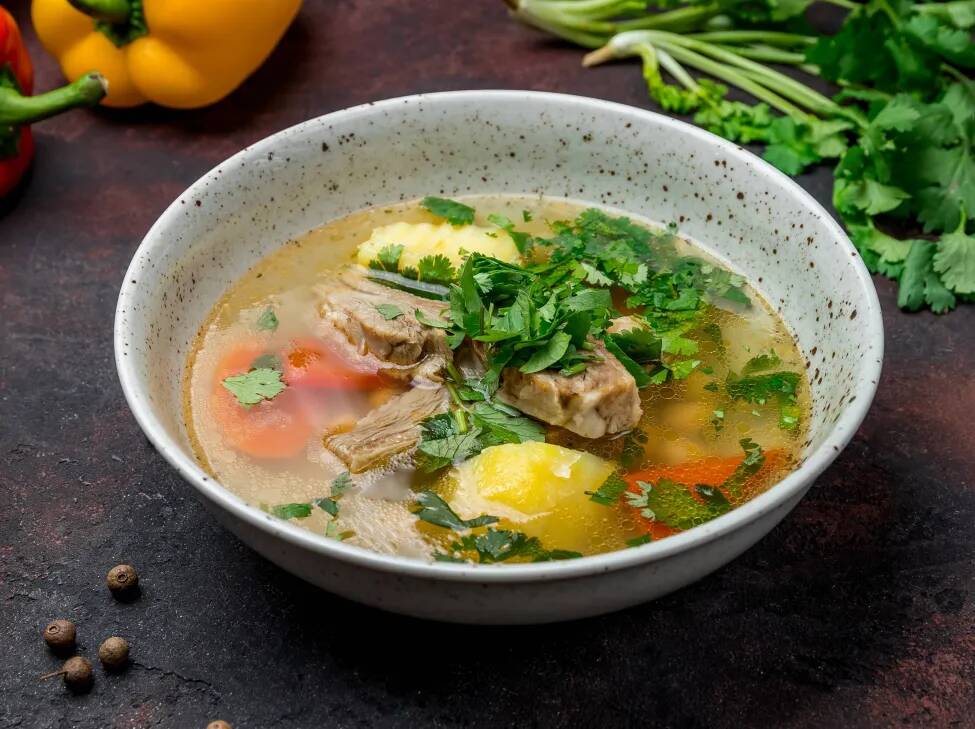
Burchak shurpa is a hearty, aromatic soup that holds a special place in Dagestan cuisine and is especially popular in the mountainous regions. Its main ingredient is beans—called burchak—which give the dish its name as well as its rich, filling character.

In addition to beans, the soup usually includes meat, most often lamb or beef, along with potatoes, onions, carrots, and spices. What sets burchak shurpa apart is the slow cooking process: the ingredients simmer gently over low heat, allowing the flavors to fully develop into a deep, satisfying broth.

Some recipes call for dried apricots or prunes, adding a subtle sweetness and a hint of complexity. Burchak shurpa is traditionally served hot and generously sprinkled with fresh herbs.

Burchak Shurpa is the Dagestan version of traditional shurpa with noodles

Dovga

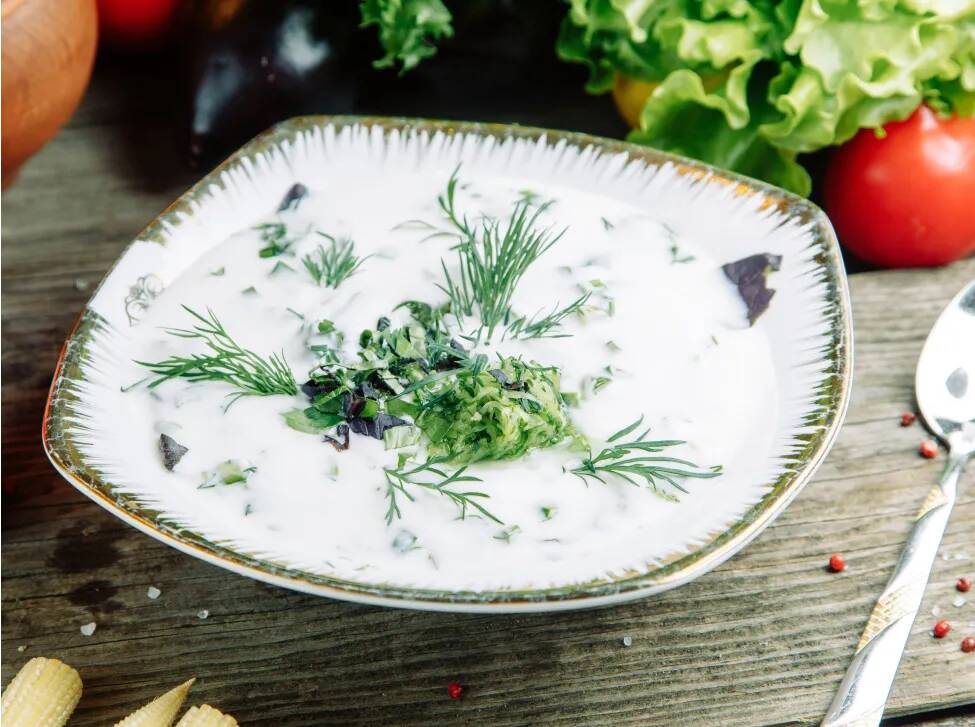
This fermented dairy soup is popular in Dagestan and other regions of the Caucasus. It’s often served cold, though some people prefer it warm. The base of dovga is sour milk, most commonly katyk or matsoni. The dairy base is thinned with water or broth to reach the desired consistency.

What really sets dovga apart is the abundance of fresh herbs. It’s packed with cilantro, dill, mint, spinach, and other greens, creating a bright, refreshing flavor. Some recipes also include rice or chickpeas. Garlic and spices such as turmeric give the soup extra aroma and a hint of spice.

Dovga is served as a first course or a light snack, especially in hot weather. It’s a seasonal dish worth trying — not only is it refreshing, but it’s also considered healthy thanks to its fermented dairy base and generous amount of greens.

Dovga is wonderfully refreshing in hot weather

Homemade Cheeses

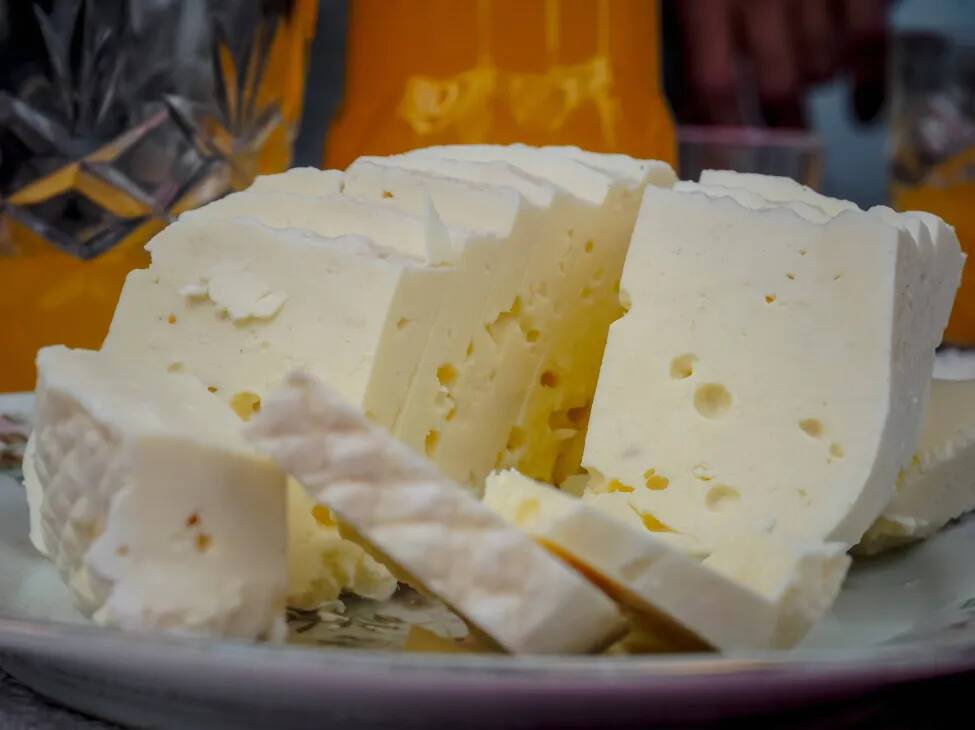
Cheese plays an important role in both everyday meals and festive celebrations in Dagestan. The most common variety is brined bryndza, made from goat’s, sheep’s, or cow’s milk. It has a pleasantly salty flavor, a firm texture, and a distinctive aroma that varies depending on how long it’s aged and which milk is used. Local cheesemakers often experiment with herbs and spices during the production process.

In addition to bryndza, Dagestan is home to a range of hard and semi-hard cheeses—sometimes infused with mountain herbs or nuts that give them a unique taste and aroma. These cheeses are great for slicing and are often used in salads, pies, and other dishes.

Homemade cheese is a staple on the Dagestani table

Urbech

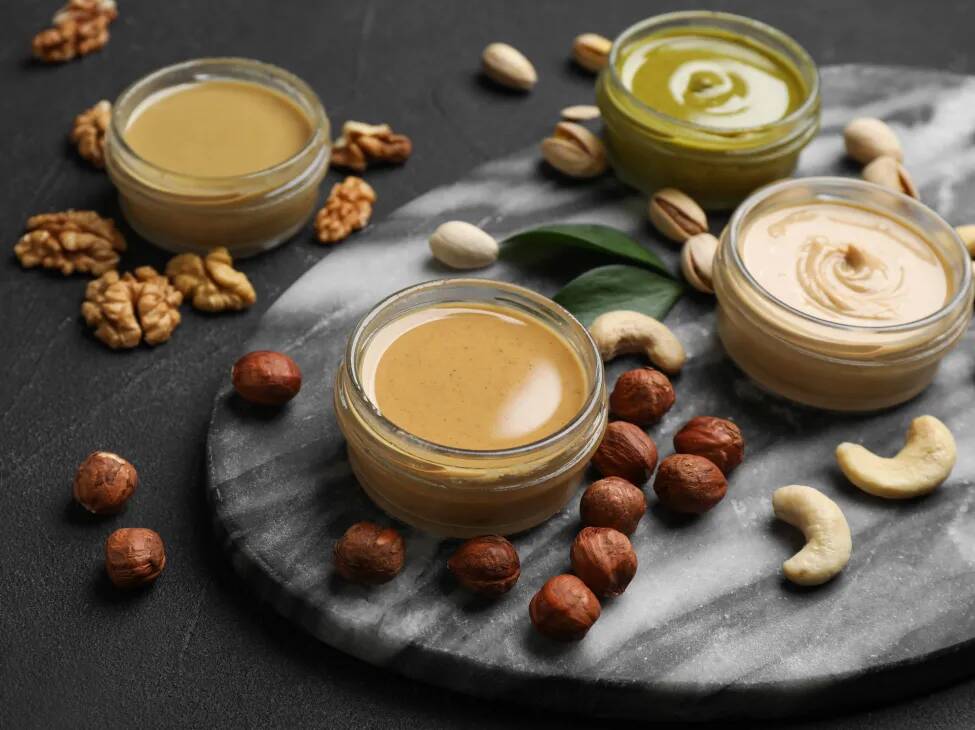
Urbech is a traditional Dagestani sweet made by grinding raw or lightly roasted seeds—such as flax, sesame, sunflower, pumpkin, or apricot kernels—on stone millstones. As they’re ground, the seeds release their natural oils, which blend with the crushed mixture to form a thick, velvety paste.

The flavor of urbech varies depending on the seeds used, ranging from mildly sweet to rich and nutty. Traditionally, no sugar is added: the natural sweetness of the seeds is enough. However, for a richer taste, people sometimes mix in honey, nuts, or spices.

Besides being delicious, urbech is considered exceptionally healthy. It’s rich in plant-based fats, protein, fiber, vitamins, and minerals. It’s eaten on its own, spread on bread or flatbreads, or added to porridge, desserts, and other dishes.

Urbech is often regarded as a superfood thanks to its high concentration of beneficial nutrients

Kurch, or Apricot Porridge

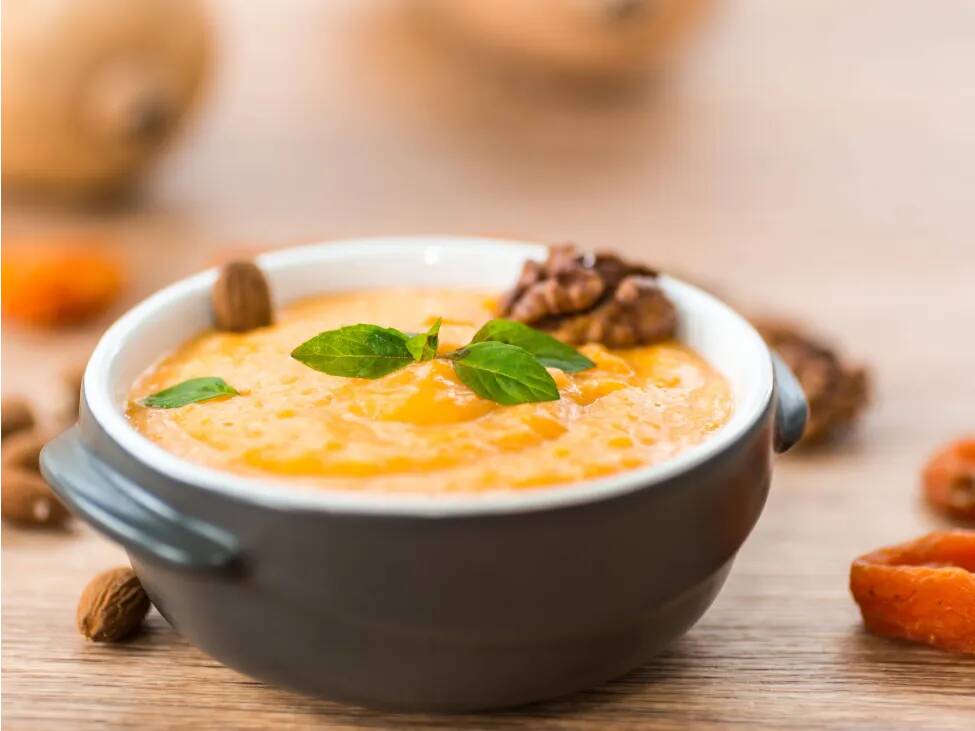
Kurch is a traditional Dagestani dessert, especially beloved in mountain regions where apricots grow in abundance. It’s made from pitted dried apricots.

The apricots are first soaked in water until they soften and rehydrate. They’re then simmered in a small amount of water until they break down into a thick, smooth mixture. Ripe, sweet fruit is essential—when the apricots are high-quality, the kurch turns out especially flavorful. During apricot season, this dessert is also made with fresh apricots or apricot juice.

During cooking, a little honey or sugar is added to the apricot mixture, along with butter, which gives the porridge a delicate texture and rich flavor. Kurch is particularly delicious paired with urbech: it can be stirred in at the end of cooking or served separately.

Kurch can be prepared from dried apricots, fresh apricots, or apricot juice

Kurch is rich in vitamins, minerals, and fiber. It’s often made for children, the elderly, and new mothers, as it’s easy to digest and very nourishing. Traditionally, it’s served hot, drizzled with melted butter and sprinkled with crushed walnuts.

Dagestani Tea

Tea drinking is an important part of Dagestani hospitality — a symbol of warmth, communication, and friendship. While the region isn’t a major tea producer, people here love tea and know how to prepare it properly.

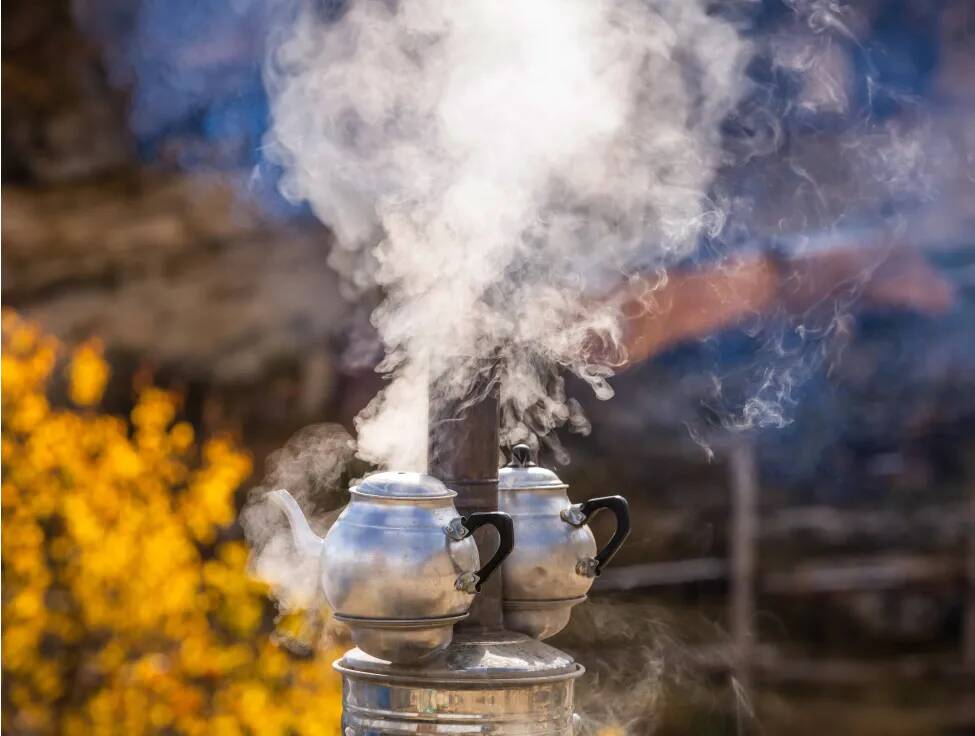
In Dagestan, black loose-leaf tea is the most common choice. A lot of care goes into brewing: tea is made in small ceramic teapots or samovars, using spring water or carefully filtered water.

The most delicious tea is the one brewed outdoors

What truly distinguishes Dagestani tea culture is the use of local additions. Mountain herbs such as thyme, mint, and St. John’s wort give the tea a unique aroma, flavor, and even medicinal qualities. Honey, lemon, or homemade jams made from local fruits and berries are also popular additions.

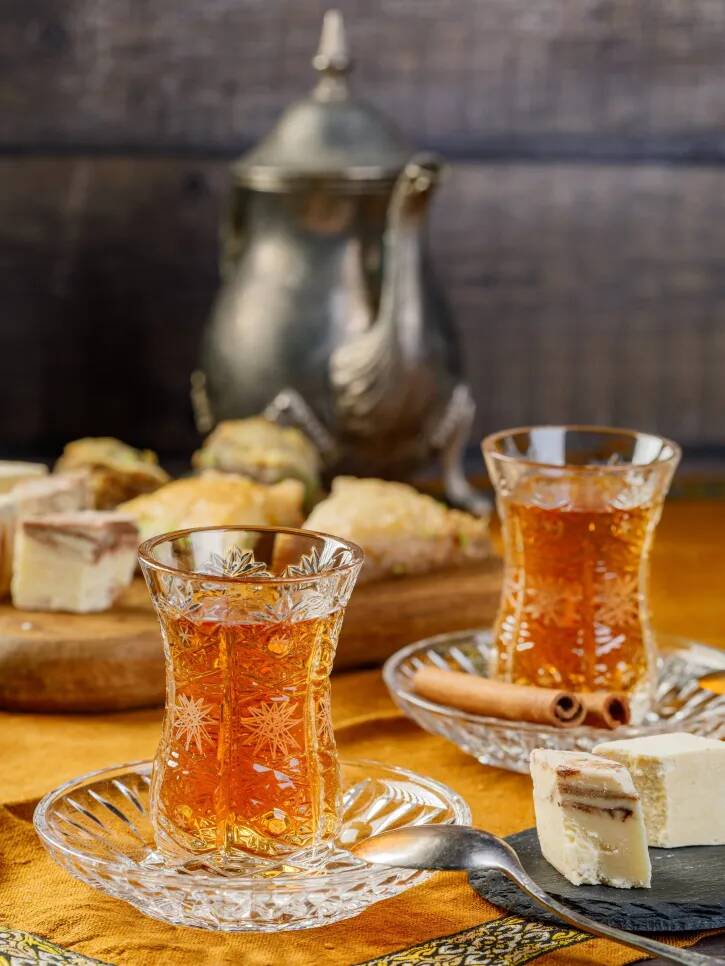
Tea is traditionally served in small tulip-shaped glass cups called "armudy". It’s accompanied by a variety of sweets: urbech, halva, dried apricots, nuts, honey, and traditional Dagestani pies and cookies.

In Dagestan, a tea gathering can last for hours over heartfelt conversation

Helpful Tips for Travelers

Dagestani cuisine is more than just a culinary experience — it’s a window into the region’s culture, history, and character. Here are a few tips to help you get the most out of your gastronomic journey:

  • Try dishes in different regions. The same khinkal or chudu can vary in taste and shape from one ethnic group or village to another.
  • Be prepared for hearty, filling food. Dagestani cuisine is known for its generous portions.
  • Plan your meals. Give yourself enough time and appetite to sample everything.
  • Respect local traditions. As a guest, it’s customary to try what’s offered and thank your hosts warmly.
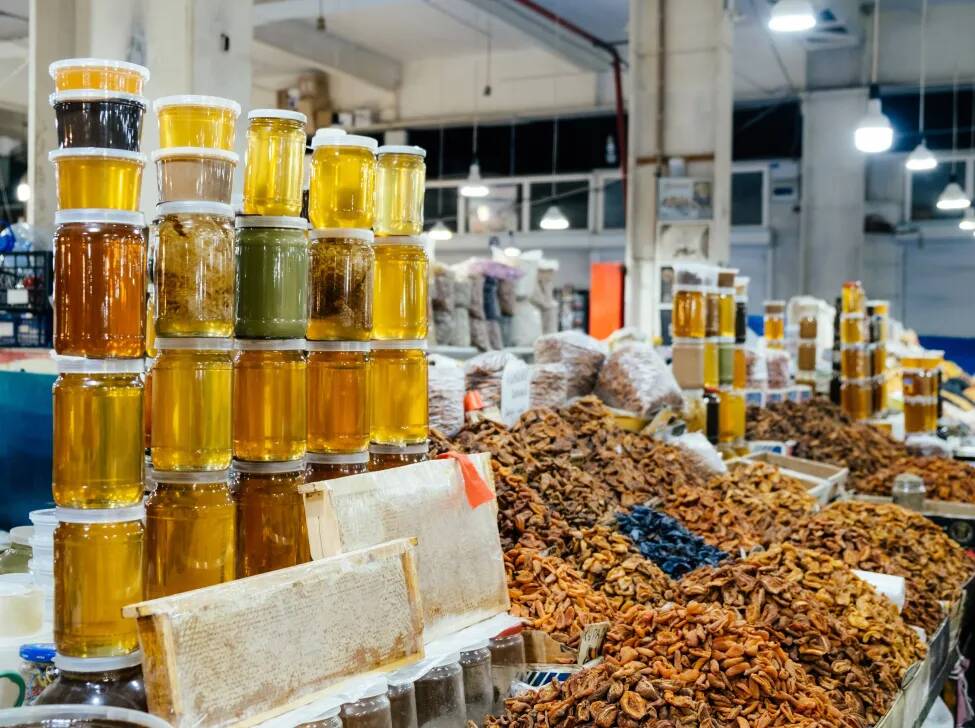
  • Visit the markets. Local markets are perfect for tasting fresh cheeses, fruits, dried apricots, homemade sausages, and bread — and picking up treats to bring home.

At local markets, you’ll be offered samples of urbech, honey, dried apricots, and homemade cheese

On our tours in Dagestan, you’ll visit mountain homes and try different styles of khinkal; see how homemade urbech is made; and stop by a trout farm where freshly caught fish is cooked for you using local recipes.

If you need help choosing, give us a call at +7 (495) 104-64-36 or email us at hello@russiadiscovery.ru.

Contributors
Svetlana Guseva
Managing Editor
Ezhena Bykova
Proofreader
Maria Potapova
Translator

Notice an error or inaccuracy?

Write to us

Great-Value Flights to the Russian Far East with Aeroflot

2.02.2026
6 minutes
41

Discover Russia: Inviting the World to Explore

7.09.2025
8 minutes
190

The Best Places to See the Northern Lights

6.09.2025
10 minutes
182

Wrangel Island: A Journey to the Edge of the World

4.09.2025
16 minutes
210

A Week in Karelia: Dog Trekking, Cycling, and Rafting

12.08.2025
7 minutes
85

Best Places to Visit in Kamchatka

16.07.2025
1 minute
97