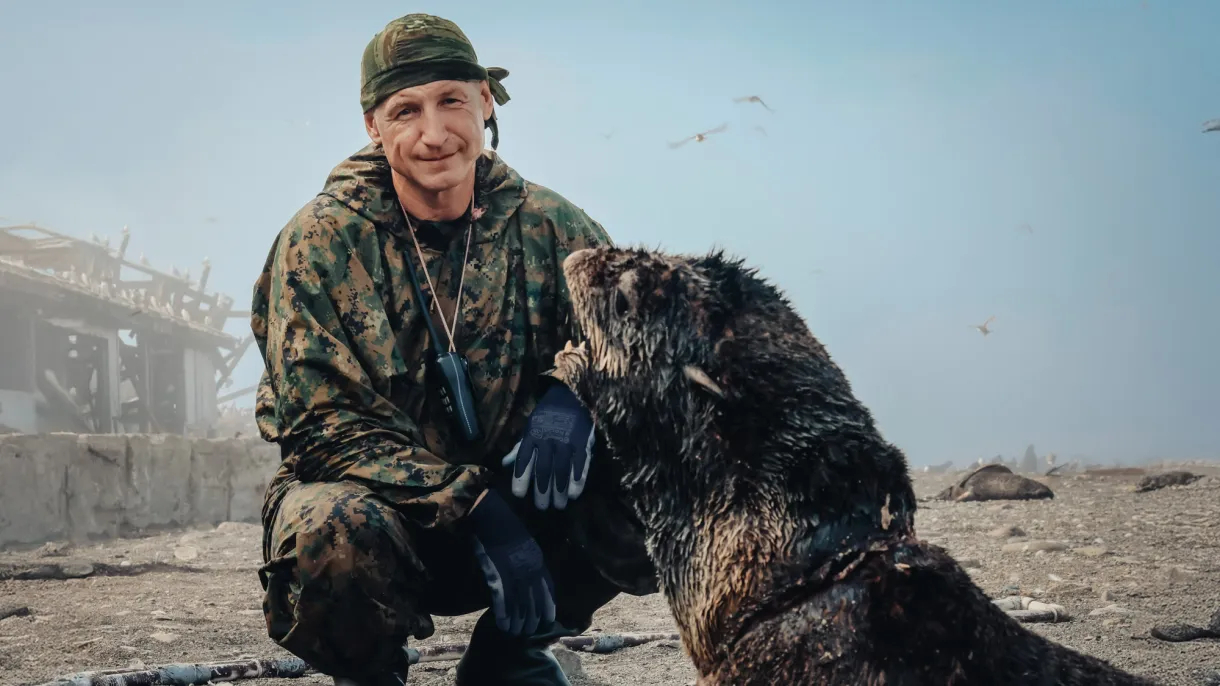



Wildlife photographer and traveler Boris Zenin has lived in Chukotka since birth — he knows and loves this place deeply. His atmospheric photographs capture mesmerizing, almost Martian landscapes, an incredible variety of wildlife, and the faces of local residents living in this harsh northern land. I had followed Boris on social media for a long time and always felt connected to his way of seeing the world. I observe with my eyes, while he — a true magician — knows how to capture it.
Chukotka — A Love for a Lifetime
In Conversation with Wildlife Photographer Boris Zenin
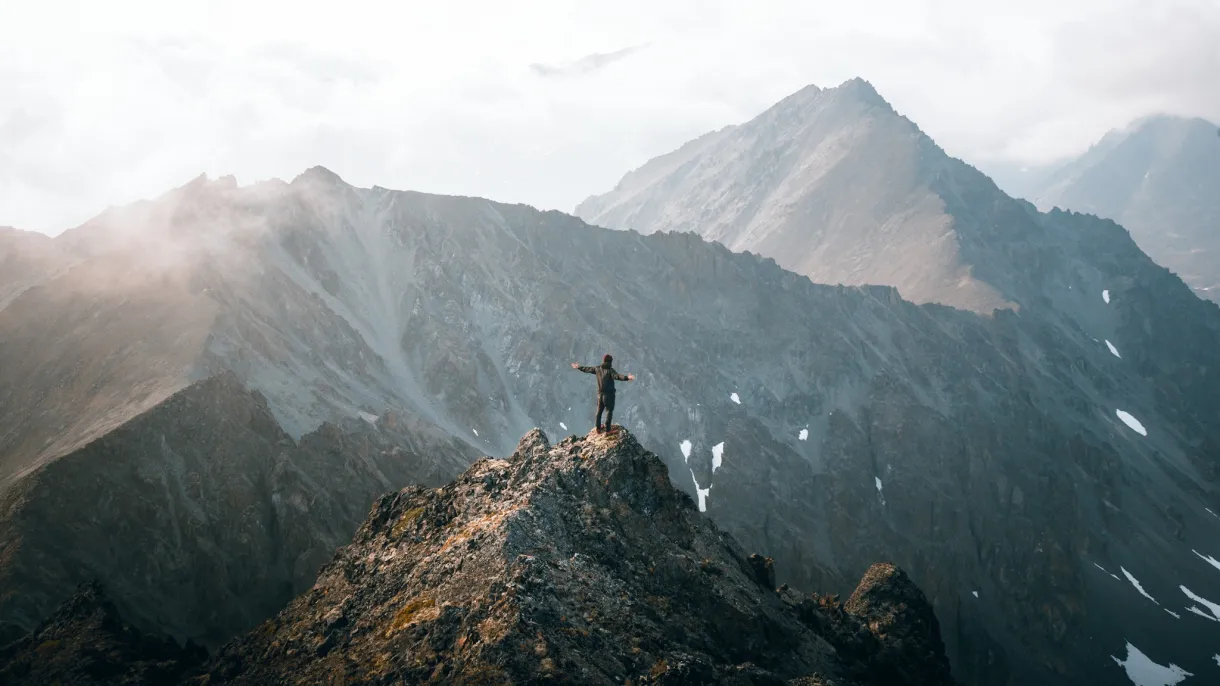

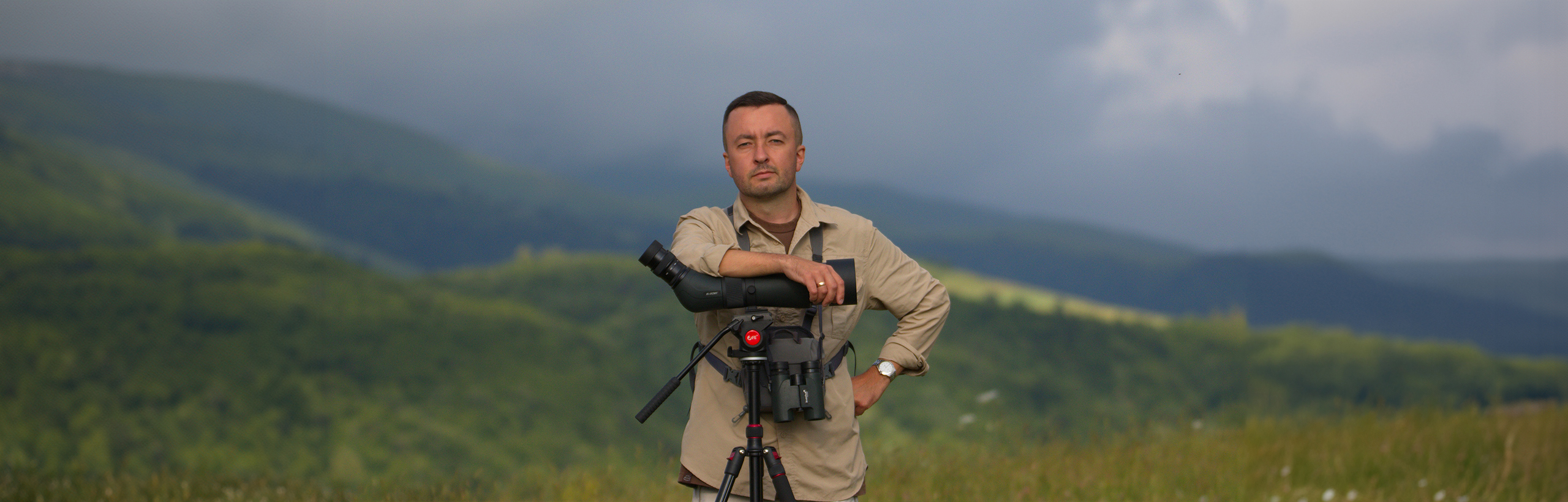
Once, we happened to meet on the shore of the Senyavin Strait, but we didn’t get a chance to talk — each of us was busy with our own work. Later, I was glad to ask Boris a few questions. Though not all of them.
Because there are things that can only be talked about in a small cabin on the ocean shore — with the wind howling in the stove pipe and waves crashing outside the window. I hope we’ll have that chance someday.
How would you introduce yourself?
Boris Zenin. I live and work in the settlement of Egvekinot in Chukotka. I love climbing mountains and photographing wildlife.
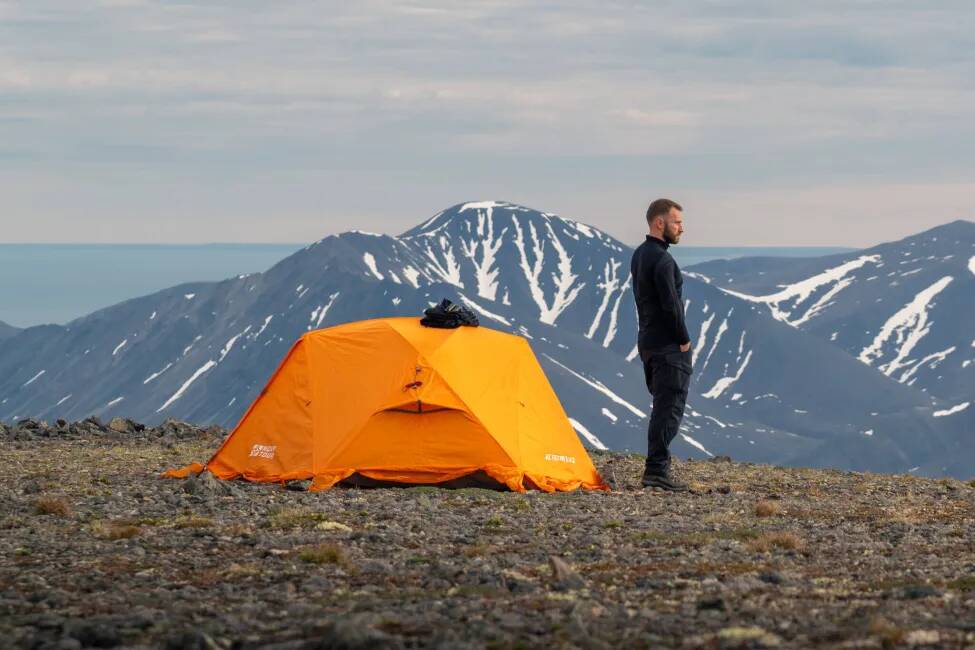
Solo travel across Chukotka
From personal archive
You were born in Chukotka, surrounded by all this beauty. Did your love of travel start in childhood, or did it come later?
While I was at school in Egvekinot, I trained in alpine skiing. As part of our off-season preparation, we went hiking in the nearby hills. Most likely, that’s when my passion for travel first began.
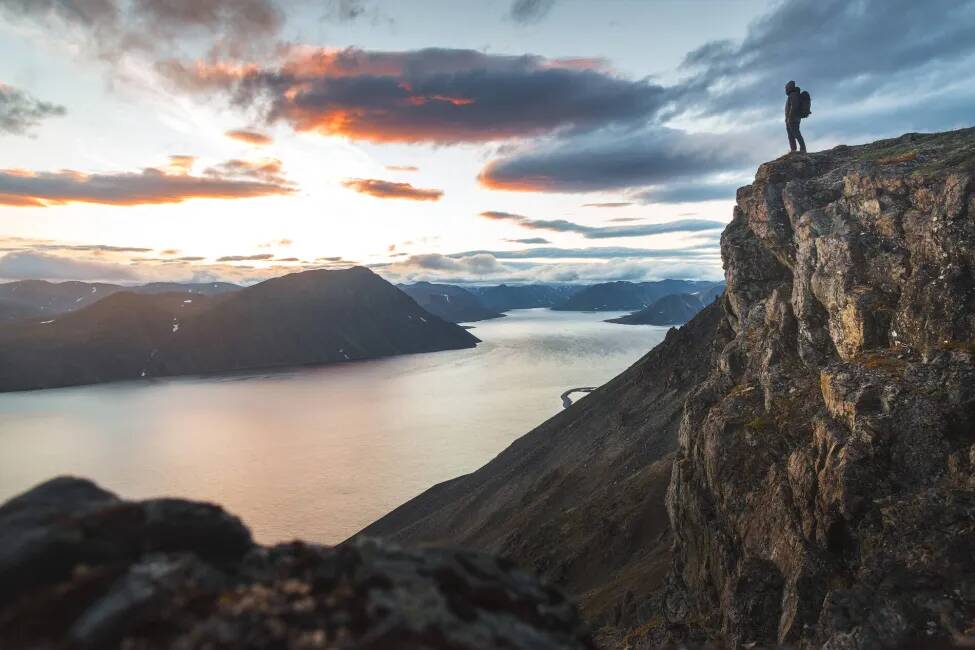
Providence Bay from Mount Vikhr
From personal archive
When and how did travel become the main focus of your life?
That might be putting it too strongly. I don’t travel often enough to call it my life’s work. Photography is closer to that. It became central to my life after I returned to Chukotka in 2014, following my studies.
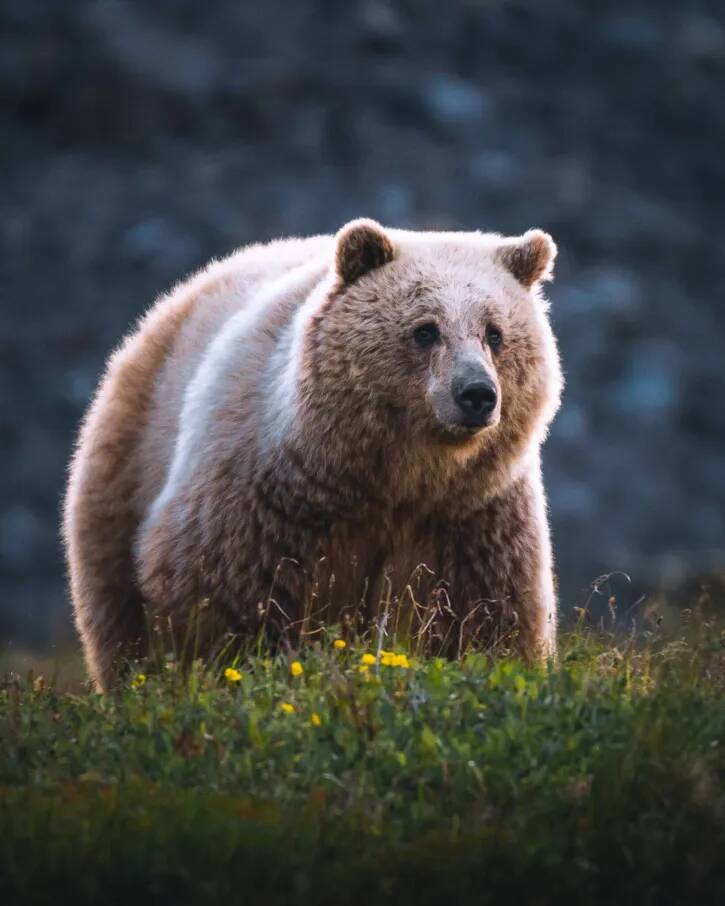
Brown bear
From personal archive
What are your favorite places in Chukotka? Where do you find yourself returning again and again?
The Iskaten Ridge, located near Egvekinot. I love climbing these mountains and searching for wildlife there. For example, if I can’t travel far in summer, the local hills are always there for me. Every time it’s something new — different weather, different light, different animals.
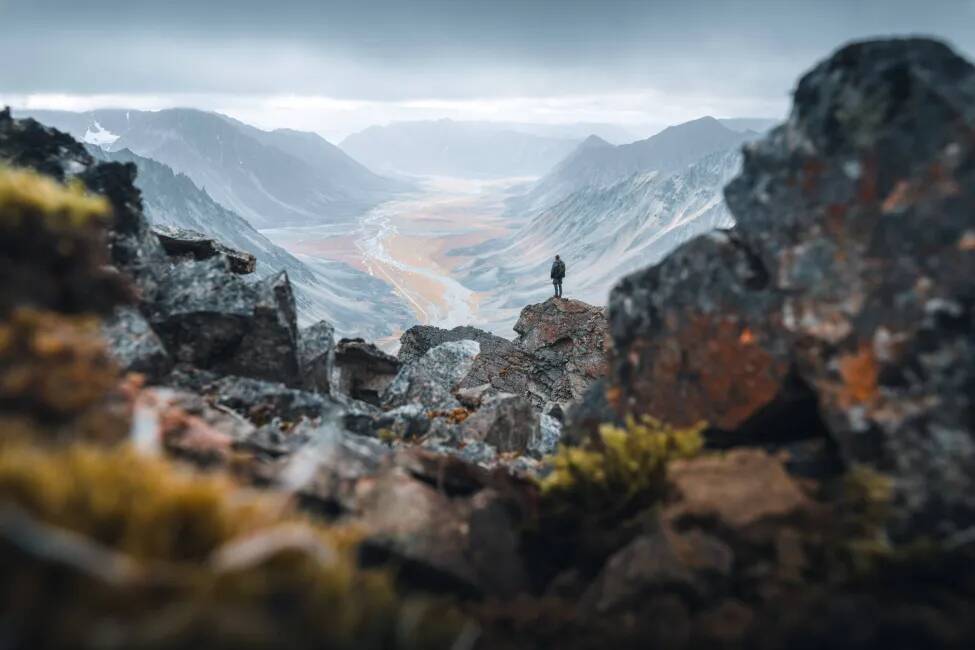
In the Iskaten Ridge
From personal archive
What has been your most memorable journey across Chukotka?
Probably my 18-day trek to the highest peak of the peninsula — an unnamed mountain rising 1,887 meters above sea level. We weren’t able to summit because of bad weather, but the journey itself is something I’ll remember for the rest of my life. It was during that expedition that I realized boundaries exist only in my head, that excuses are just excuses, and that rain is simply rain — there’s nothing frightening about it.
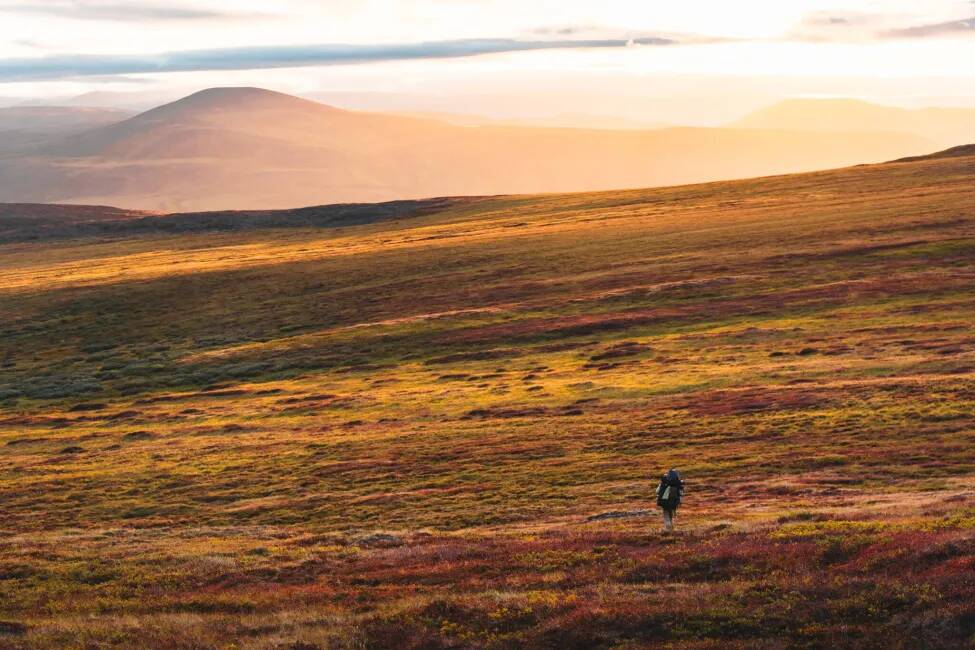
Trek to the highest peak of Chukotka
From personal archive
A friend and I covered 170 kilometers on foot through tundra and marshland to reach the foot of the mountain, and then rafted roughly the same distance downriver. Yes, it was unforgettable.
Chukotka isn’t the most developed region for comfortable living. Travel here — especially in winter — can be harsh. Don’t you get tired of the lack of comfort?
What tires me most in Chukotka is the slow internet. Because of it, I can’t upload the material I shoot to social media. That’s a real problem. As for everything else, I’ve grown used to it and don’t see it as a lack of comfort.
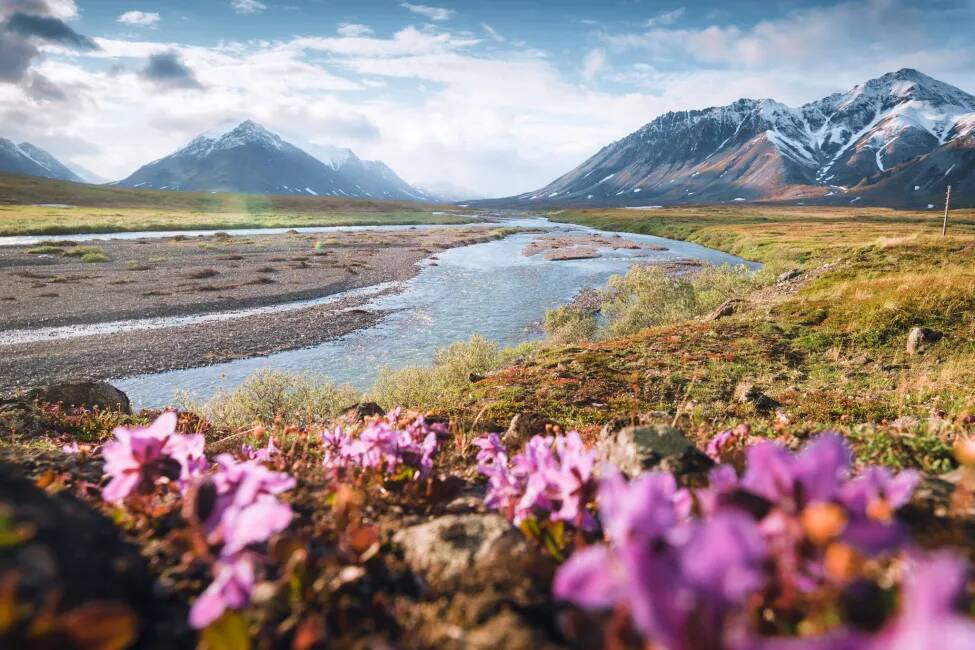
Rhododendrons in bloom, June
From personal archive
Do you travel with partners or solo? What are the advantages of your approach?
I’d prefer to travel with one or two companions. But since it’s difficult to find like-minded people in our settlement, I usually go alone. Sometimes someone from the mainland writes to me saying they’d like to hike somewhere specific, and if our goals and interests align, I’m happy to join them.
One of the main advantages of solo travel is independence — you don’t have to adapt to anyone else. But for me personally, there’s also a downside: after every encounter with a wild animal, whether it’s a bear or a wolverine, walking alone becomes a little scarier. I’m a very jumpy person, so when I’m out there, I turn around at every rustle. In company, that fear disappears completely.
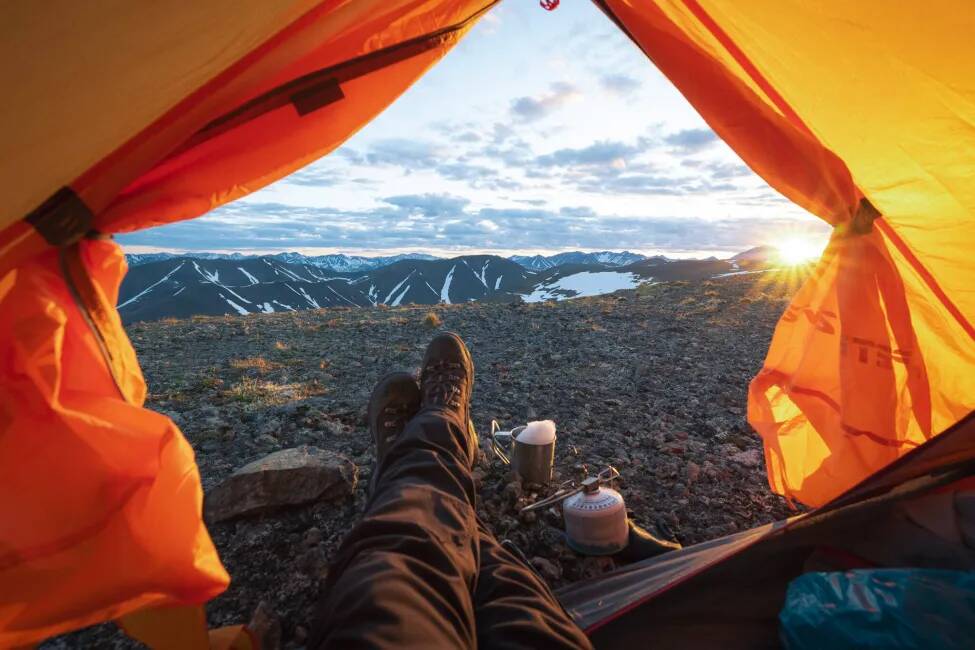
July sunset from the tent
From personal archive
Why should everyone visit Chukotka at least once?
I can’t really answer that. Everyone decides for themselves why they want to come to Chukotka. I’m here because it’s quiet, beautiful, sparsely populated, and full of wildlife.
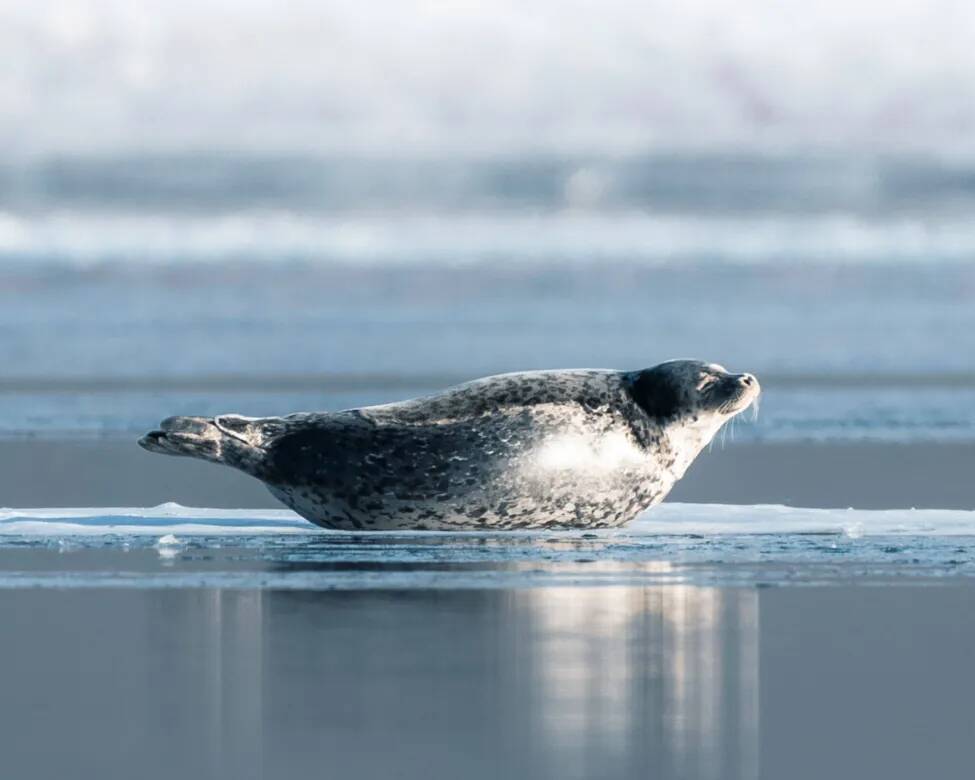
Ringed seal
From personal archive
What advice would you give to travelers heading to your homeland?
Prepare thoroughly, because Chukotka is like another planet. On the other hand, no matter how well you prepare, the weather can change all your plans. I recommend bringing extra warm and waterproof clothing — even in summer, it can snow.
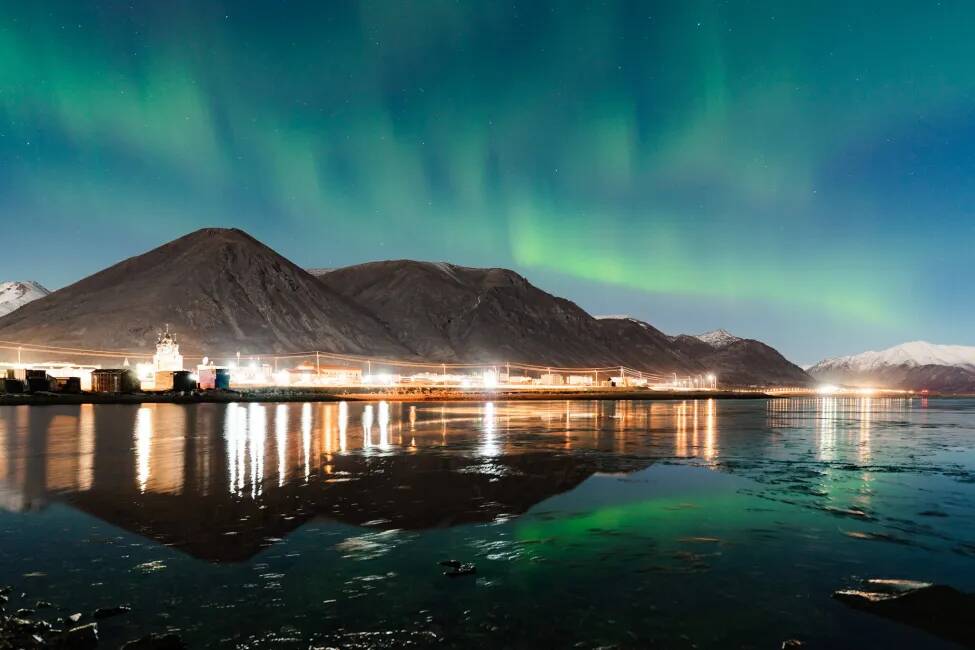
Aurora near Egvekinot
From personal archive
RussiaDiscovery offers trips to Chukotka, including one in the Senyavin Strait. You’ve been there. What impressed you most?
I’m most impressed by things on a grand scale. On that trip, what struck me most was when we passed within just a couple of meters of a diving whale in a boat. A whale is an enormous mammal in itself, and when its giant tail disappears beneath the water right next to you, it’s pure exhilaration. I recommend it 100%.
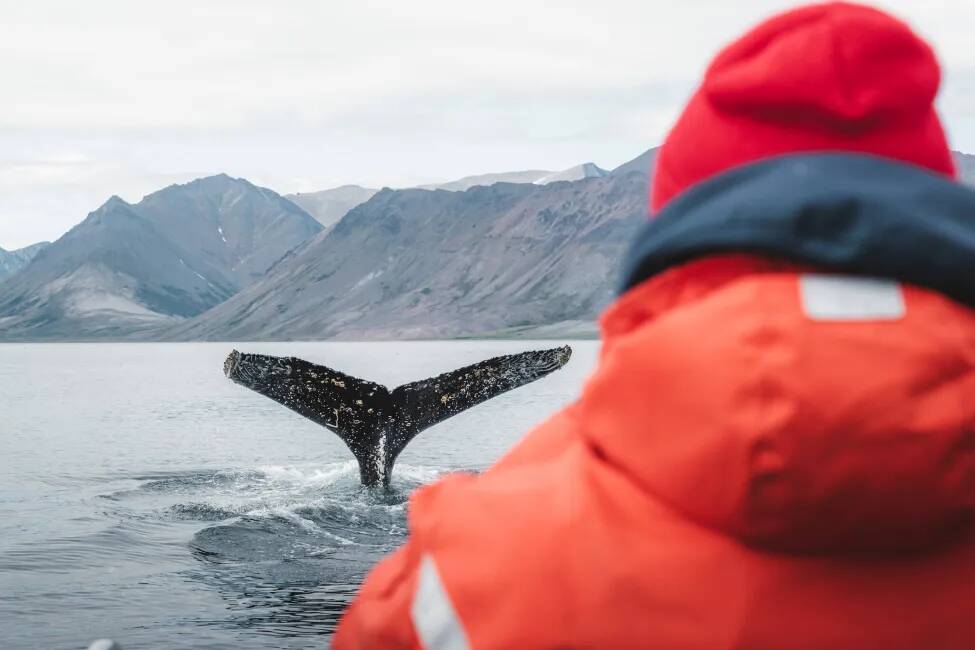
Encounter with a humpback whale in the Senyavin Strait
From personal archive
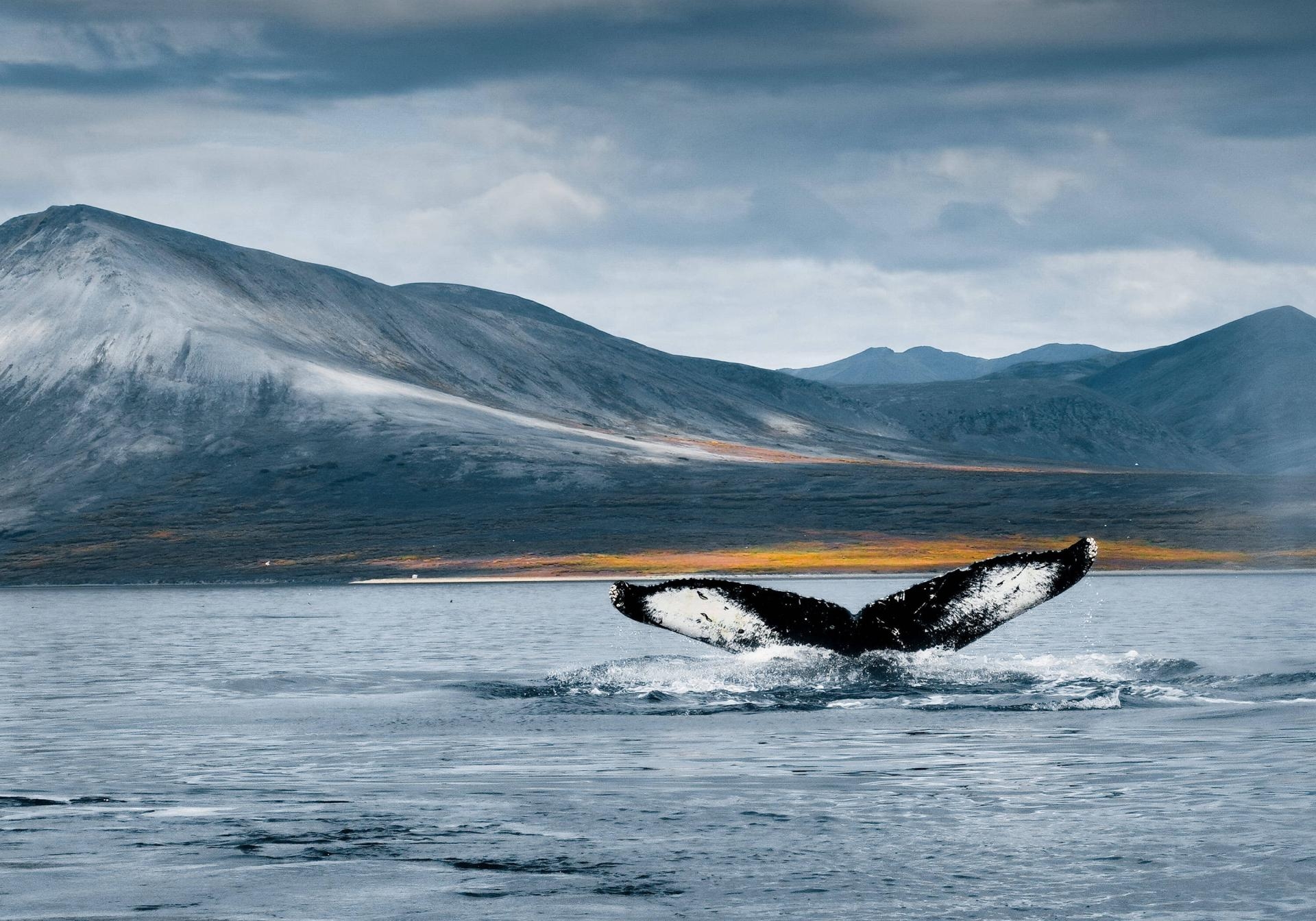
The Great Chukotka Expedition
Journey to the Beringia National Park: Cape Dezhnev and the Senyavin Strait
Your atmospheric photographs illustrate guidebooks about Chukotka. What does photography mean to you?
It’s a way to show the beauty of the place where I live — to inspire people to travel more instead of just watching TV.
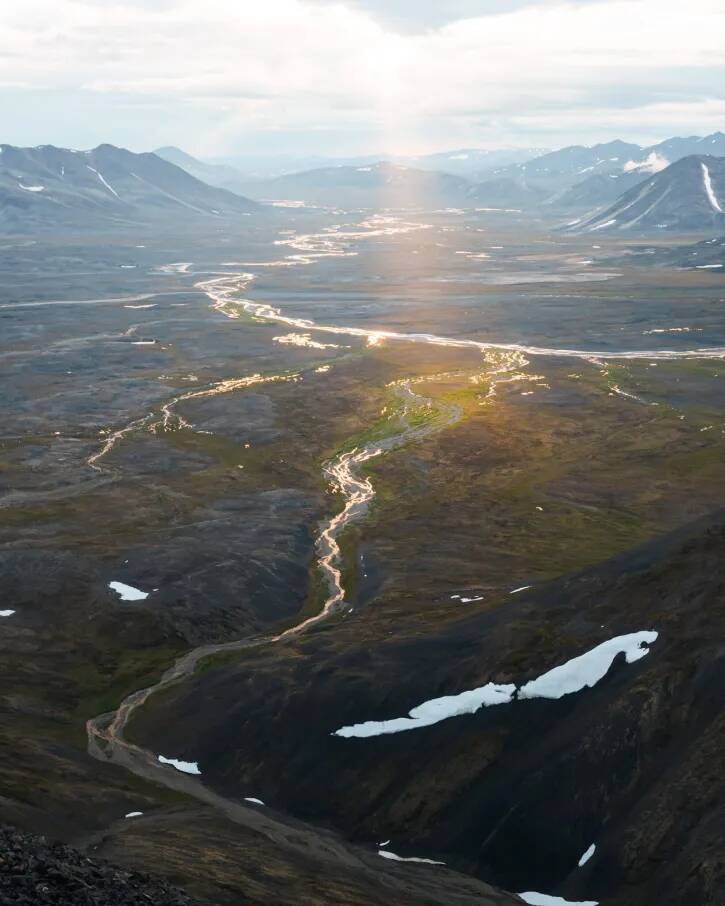
View of the Vykvechgoygyvaam River Valley
From personal archive
There must be places in Chukotka you haven’t visited yet but dream of seeing. Can you tell us about them?
I have three such places. The first is, of course, Wrangel Island. I really want to see musk oxen and, if possible, photograph them.
The second is the largest walrus rookery at Cape Serdtse-Kamen, not far from the village of Enurmino.
And the third is a long-time dream of mine — the highest peak in Chukotka, located roughly halfway between Egvekinot and Pevek. All three are goals I hope to achieve within the next two or three years.
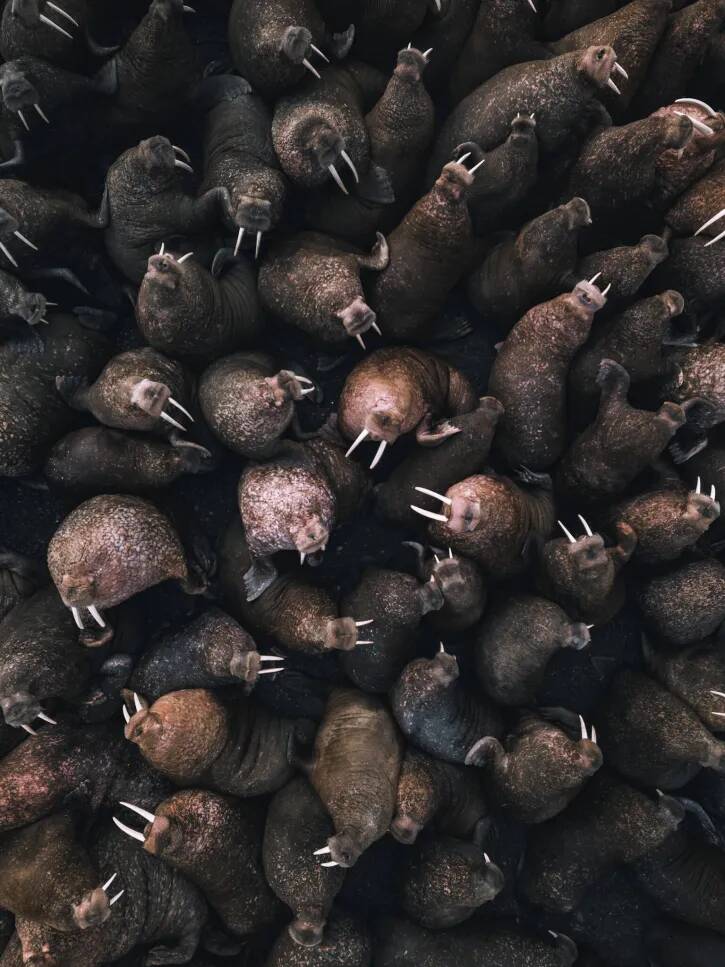
Walruses
From personal archive
Aside from Chukotka, which places in Russia would you recommend for travel?
I try to spend my vacations at home, so I don’t travel much around Russia and can’t really recommend other places besides Chukotka. So for me, Chukotka is one love.
If you’d like to see the beauty of this rugged land with your own eyes, explore our journeys to the peninsula. We’ll be happy to share more details and answer all your questions — call us at +7 (495) 104-64-36 or email us at hello@russiadiscovery.ru.
Contributors
Boris Zenin
Interviewee
Igor Bobyr
Interviewer
Ezhena Bykova
Proofreader
Maria Potapova
Translator
Notice an error or inaccuracy?
Write to usSee also
All articles