RussiaDiscovery Magazine

We write about Russia so that the native land ceases to be Terra Incognita.

topchaeva
bobir
konstantin

Authors

Coming Soon

We collaborate with masters of words who are in love with travel.

Best Places to Visit in Kamchatka

From active volcanoes to geyser valleys — the top sights of the peninsula

Top Picks Travel Ideas
16.07.2025
1 minute
97
Article photo

A trip to Kamchatka is a dream for millions of travelers from across Russia and around the world. What draws people to this remote peninsula? Its truly unique natural wonders and its wild, untouched landscapes.


Kamchatka is a place where the elements meet: active volcanoes rise above the bays of the Pacific Ocean, and powerful geysers shoot skyward in the valleys.

Natural Attractions

Valley of Geysers

The Valley of Geysers is one of the largest geyser fields on Earth and a UNESCO World Heritage Site. It’s Kamchatka’s most famous — and most remote — natural landmark. To get here, you’ll need a helicopter and, before that, a special permit, with only a limited number issued each season. That’s why most travelers who visit Kamchatka have only seen this unique valley in photos — or in the film The Land of Sannikov, which was shot in this very area.

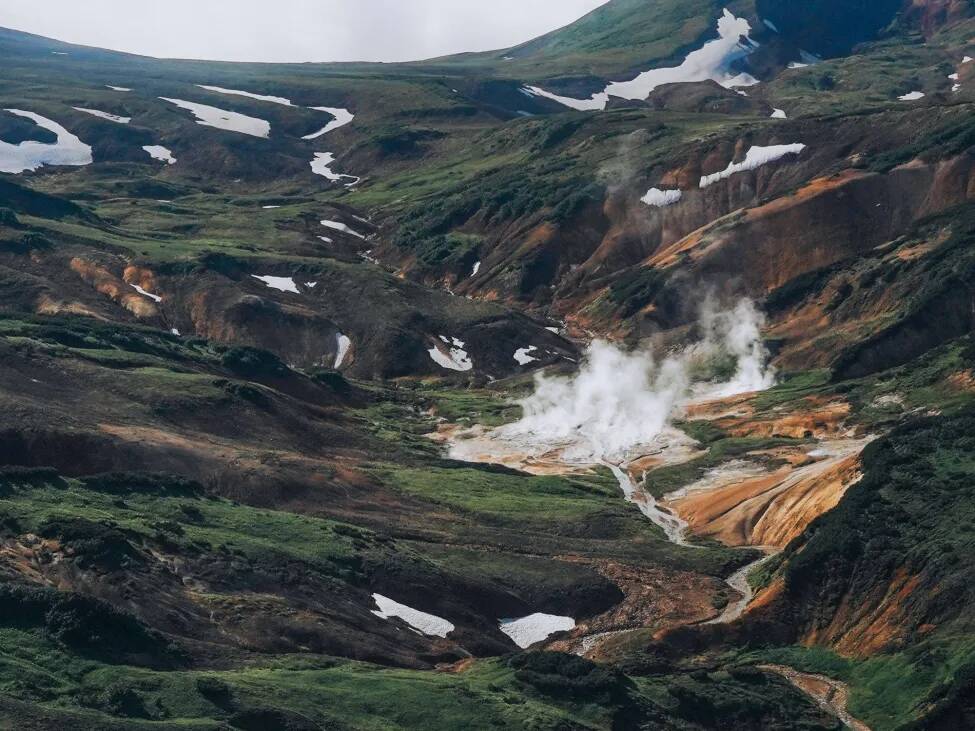
The Valley of Geysers lies 180 kilometers northeast of Petropavlovsk-Kamchatsky, within the Kronotsky Nature Reserve. More precisely, it’s located in the caldera of the Uzon Volcano, along the Eastern Ridge. The valley covers just four square kilometers, but within this small area you’ll find an astonishing concentration of geysers, hot springs, mud pots, waterfalls, and lakes. It’s one of the world’s largest geyser fields — and the only one of its kind in Europe and Asia.

The Valley of Geysers — one of the largest geyser fields in the world

Uzon Volcano Caldera

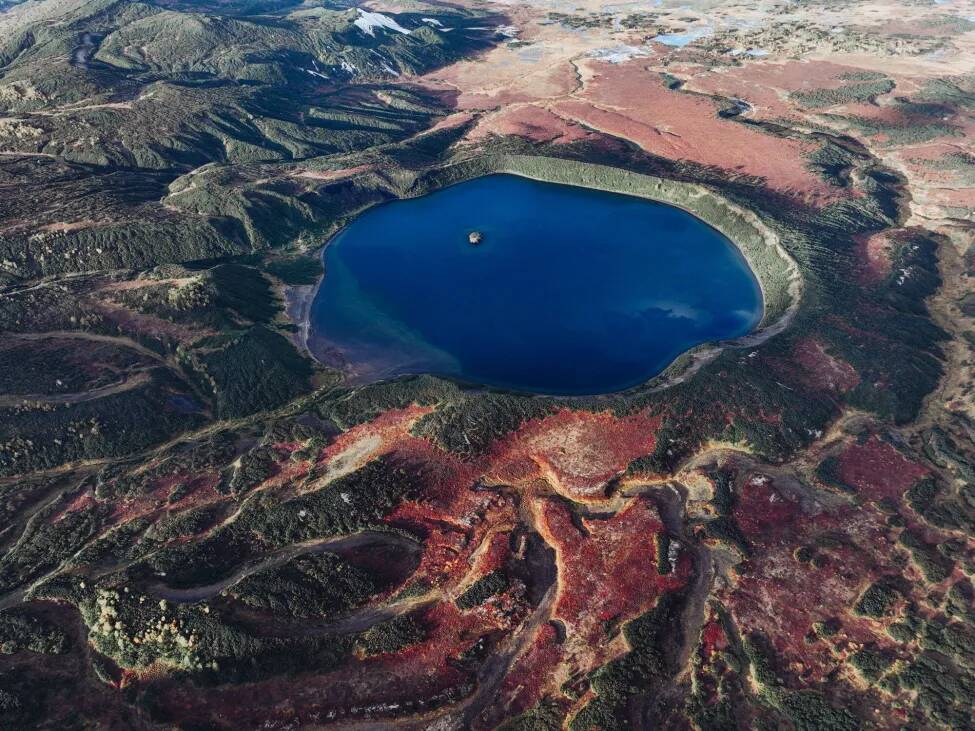
A caldera is a large basin formed when a volcano’s crater walls collapse or after a powerful eruption. The caldera of Uzon Volcano, located within the Kronotsky Nature Reserve, is one of the largest in Kamchatka. It spans 100 km² and measures up to 12 kilometers across.

Inside this dramatic valley—the heart of the ancient volcano—intense geothermal activity never stops. On the western side alone, around 100 hot springs erupt, along with more than 500 other geothermal features. The caldera is dotted with lakes whose water constantly foams and bubbles. Its highest point is Barany Peak; the most dangerous place is Lake Bannoye. Its bottom is a fragile crust of solidified sulfur, beneath which molten sulfur boils. Because of this, the water in the lake warms to 40 °C even in the coldest months.

Inside Uzon Volcano, molten sulfur is constantly bubbling

Kronotsky Nature Reserve

Kronotsky Nature Reserve lies on the eastern side of the Kamchatka Peninsula. Its territory of one million hectares includes part of the Pacific Ocean. The reserve is home to 25 volcanoes, waterfalls, thermal lakes, the largest freshwater lake in Kamchatka—Lake Kronotskoye— and, of course, the world-famous Valley of Geysers.

Kronotsky is one of Russia’s oldest nature reserves. A sable reserve was first established here in 1882, and in 1934 the area received its current status as a strict natural biosphere reserve. The landscape features stone birch, Yezo spruce, Siberian rowan, and graceful fir. Rare animals such as snow sheep and the Kamchatka subspecies of reindeer inhabit the reserve. It is also home to the largest protected population of brown bears in Russia.

Kronotsky is one of Russia’s oldest nature reserves

Kurile Lake

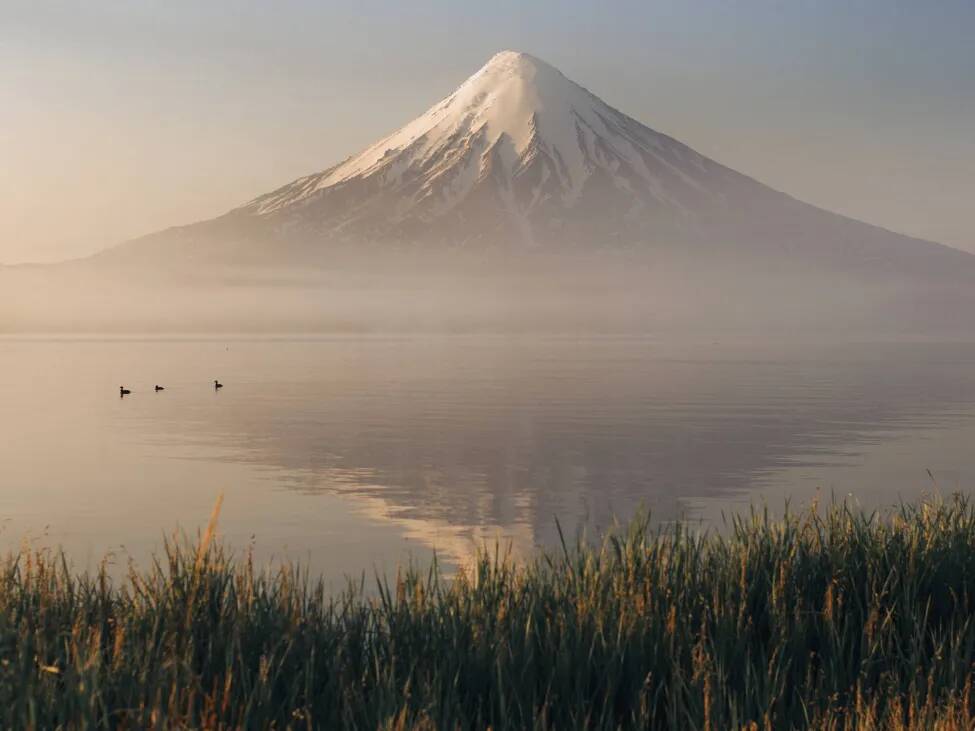
Almost every trip to Kamchatka includes watching bears fish for salmon. In the warmer months, one of the tastiest Pacific salmon species — sockeye — enters Kamchatka’s lakes to spawn, and bears gather along the shores for a feast.

The most popular place to observe this spectacle is Kurile Lake. About 200 brown bears live along its shores. The lake lies within the South Kamchatka Sanctuary and is a crater lake. Visitors watching bear fishing are always accompanied by a sanctuary ranger.

You can watch bears fishing at Kurile Lake

Klyuchevskaya Sopka

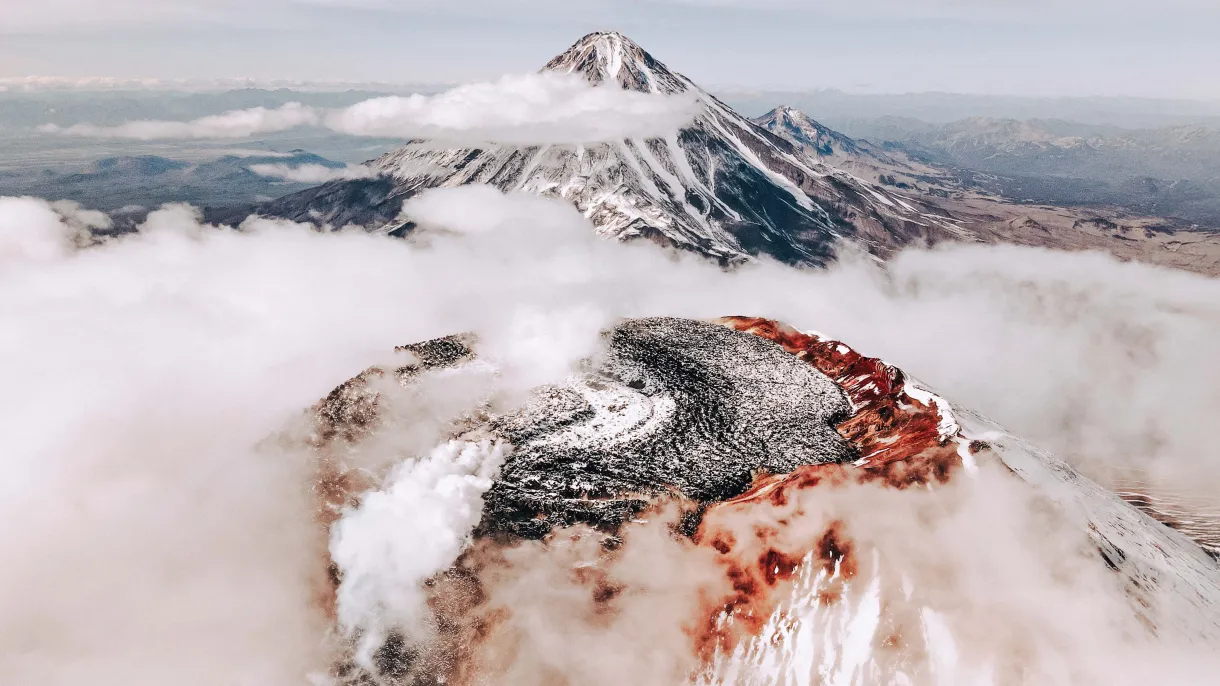
A journey to Kamchatka wouldn’t be complete without volcanoes. No one knows exactly how many there are on the peninsula, but within the UNESCO-protected “Volcanoes of Kamchatka” site alone, there are 330 extinct and active volcanoes.

The tallest of them is Klyuchevskaya Sopka:

  • it rises 4,750 meters above sea level;
  • it is the highest active volcano in Europe and Asia;
  • and one of the most active and unpredictable volcanoes in the world.


Klyuchevskaya Sopka can begin erupting at any moment, and climbing it is forbidden for unprepared travelers. The last major eruption occurred in 2017. Even if you admire it only from the foothills, there’s a good chance of seeing smoke rising from the crater — and even without that, the views here are breathtaking.

The unpredictable Klyuchevskaya Sopka is closed to inexperienced travelers

Tolbachik

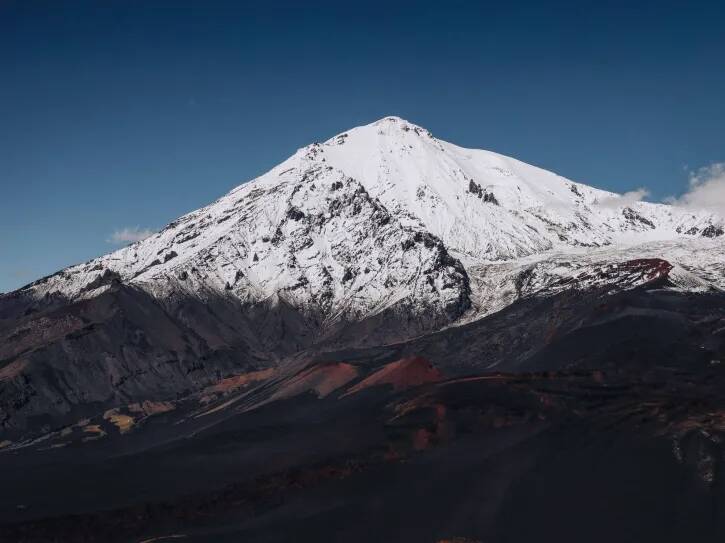
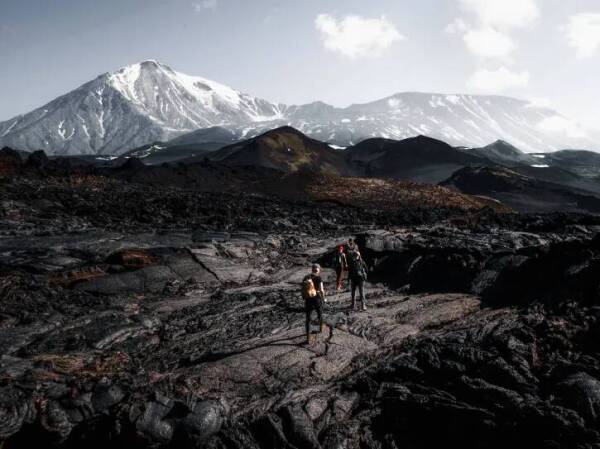
Tolbachik is a volcanic massif in eastern Kamchatka, made up of the stratovolcanoes Ostry (Sharp) Tolbachik and Plosky (Flat) Tolbachik. Ostry is now extinct, while Plosky remains an active volcano.

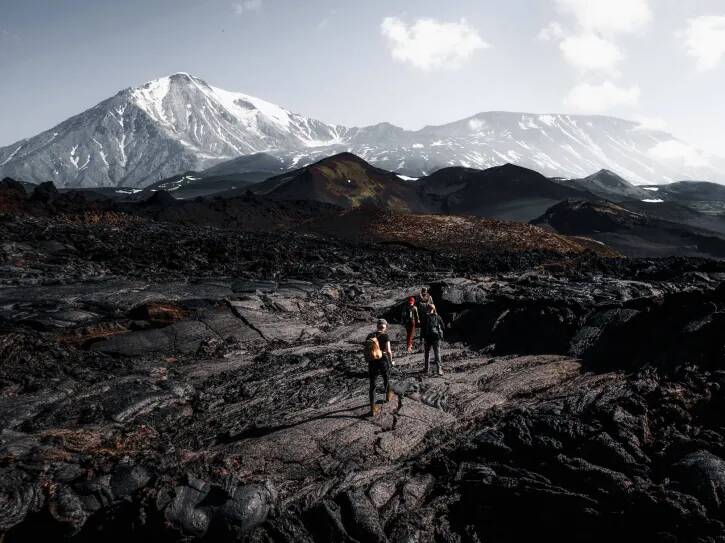
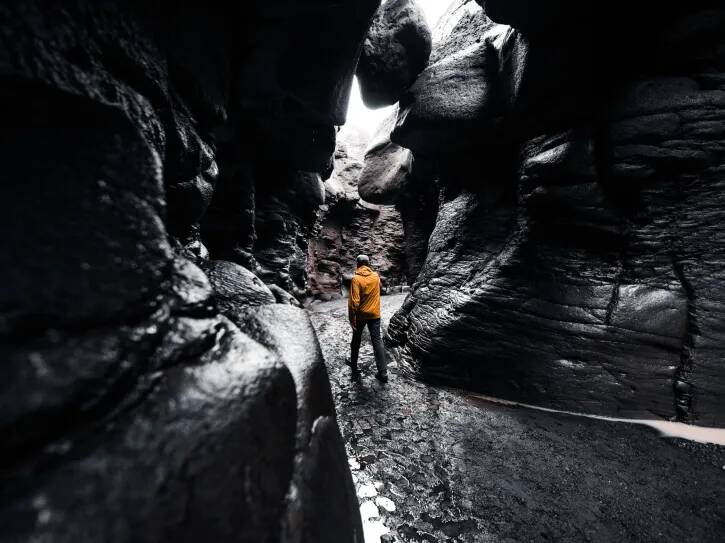
The great fissure eruption of 1975 made Tolbachik accessible to travelers: volcanic cinder filled the cracks of the Tolbachik Valley, turning the approach into a relatively easy journey. Another eruption in 2012 reshaped the landscape once again. Tolbachik is still a popular destination — thanks to its black lava fields, Martian scenery, and unusual lava caves — but old routes and maps are no longer reliable. Today, reaching the most striking and scenic spots requires an off-road vehicle or a helicopter.

Tolbachik — a volcanic massif in eastern Kamchatka

Tolbachik became accessible to tourists after the eruption

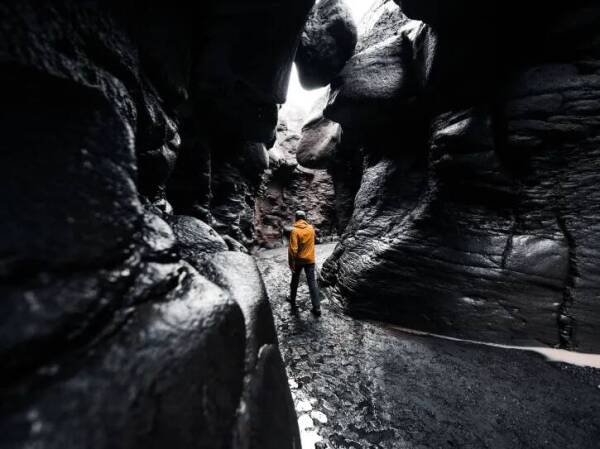
Among Tolbachik’s highlights are its bizarre lava caves

Dead Forest

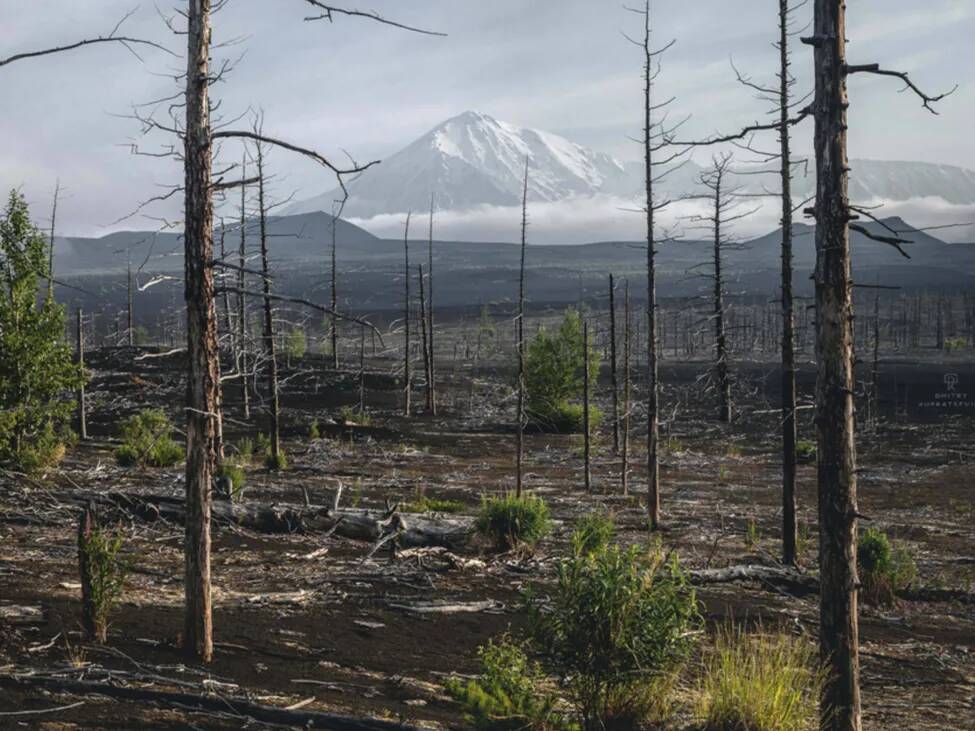
Dead Forest is one of the most fascinating places in Kamchatka — 40 km² of scorched land at the foot of the active Plosky Tolbachik volcano. The eruption that created it took place back in the mid-1970s.

Since then, the once-green larch forest has remained buried beneath a layer of solidified lava and ash. The surrounding area and the slopes of Tolbachik itself resemble lunar landscapes. On the volcano’s northern slope, the heat rising through cracks in the ground is so intense that you can ignite a piece of paper.

Dead Forest is covered with a layer of lava and ash

Mutnovsky Volcano

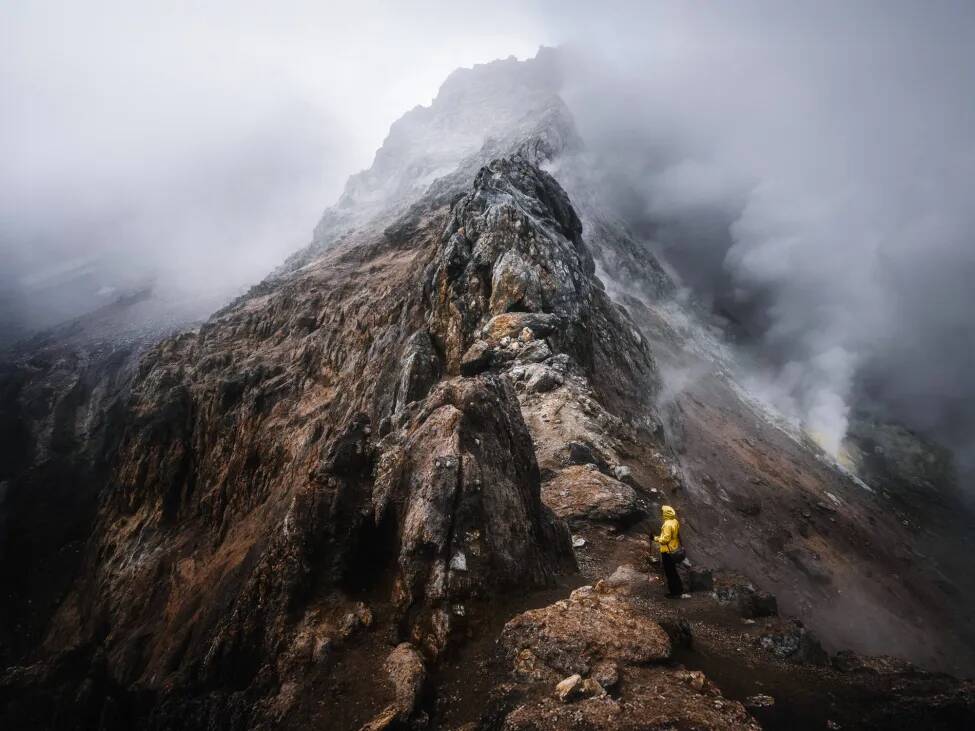
Mutnovsky Volcano is one of the most active volcanoes in southern Kamchatka, home to vast and powerful fumarole fields. Fumaroles are openings in craters, slopes, or at the base of volcanoes through which hot gases escape — some of them are directly connected to the crater.

Mutnovsky rises to 2,300 meters, and nearby stands Russia’s largest geothermal power station, the Mutnovskaya GeoPP. Like Tolbachik, Mutnovsky consists of merged volcanic cones. This area is one of the largest geothermal fields on Earth, where lava and glaciers exist side by side. It’s also surprisingly accessible — only a few hours’ drive from Petropavlovsk-Kamchatsky.

Mutnovsky Volcano is one of the most active in southern Kamchatka

Gorely Volcano

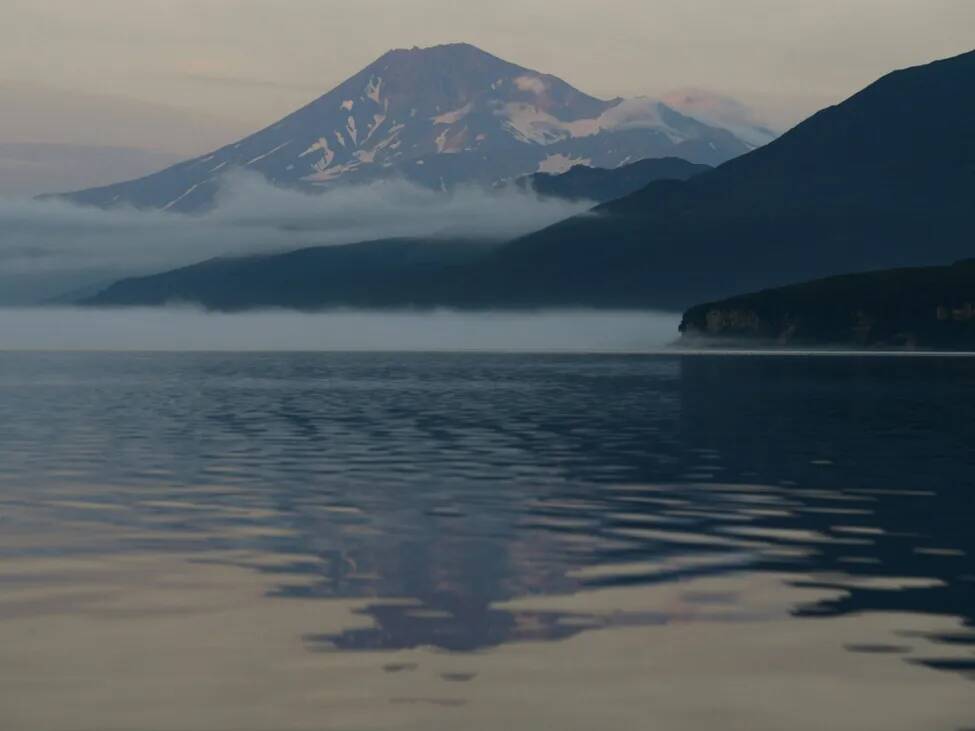
A close neighbor of Mutnovsky, Gorely is an active stratovolcano in southern Kamchatka. More precisely, it’s a whole complex of five stratovolcanoes located inside a 10-kilometer-wide caldera.

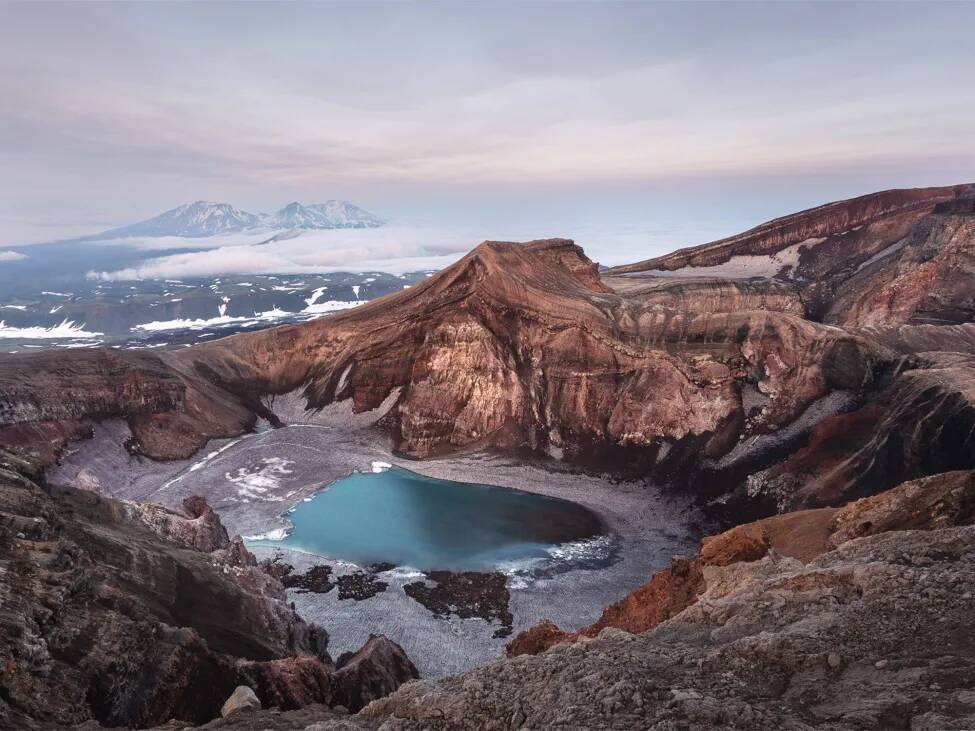
Gorely’s craters have their own names — the Bowl, the Cylinder, the Active Crater, the Western Crater… Some of them are filled with fresh water, while others constantly emit steam. From afar, the volcano looks like a pile of gray rocks, but as you climb, you’ll notice blades of grass and even flowers pushing through the stones. The ascent takes from one to three hours, and the reward for your effort is a stunningly bright turquoise, acidic lake hidden right inside the crater.

Climbing Gorely Volcano is a challenge for bold travelers

Ksudach Volcano

Ksudach is another volcanic massif in southern Kamchatka. From its summit, you’ll see dramatic cliffs streaked with reddish and pale yellow layers of rock. Its caldera is equally striking — home to the Lava Dome, the Stubel Crater, hot springs, and two lakes: Nizhneye Lake and Klyuchevoe Lake. There’s even the Teplaya (Warm) river flowing through it.

From a distance, Ksudach resembles a giant truncated cone with a base diameter of 18 to 35 kilometers, depending on the source. Helicopter tours allow visitors to land right inside the caldera, on the lakeshore. Some travelers even dare to take a swim — the water temperature in the lake ranges from icy cold to hot.

Avachinsky Volcano

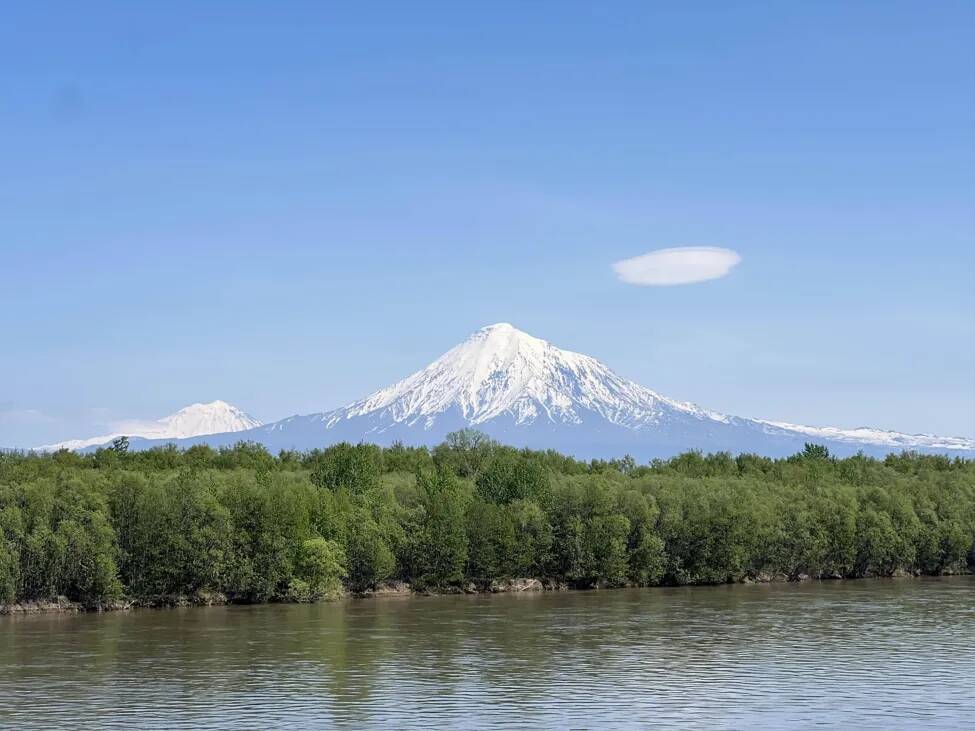
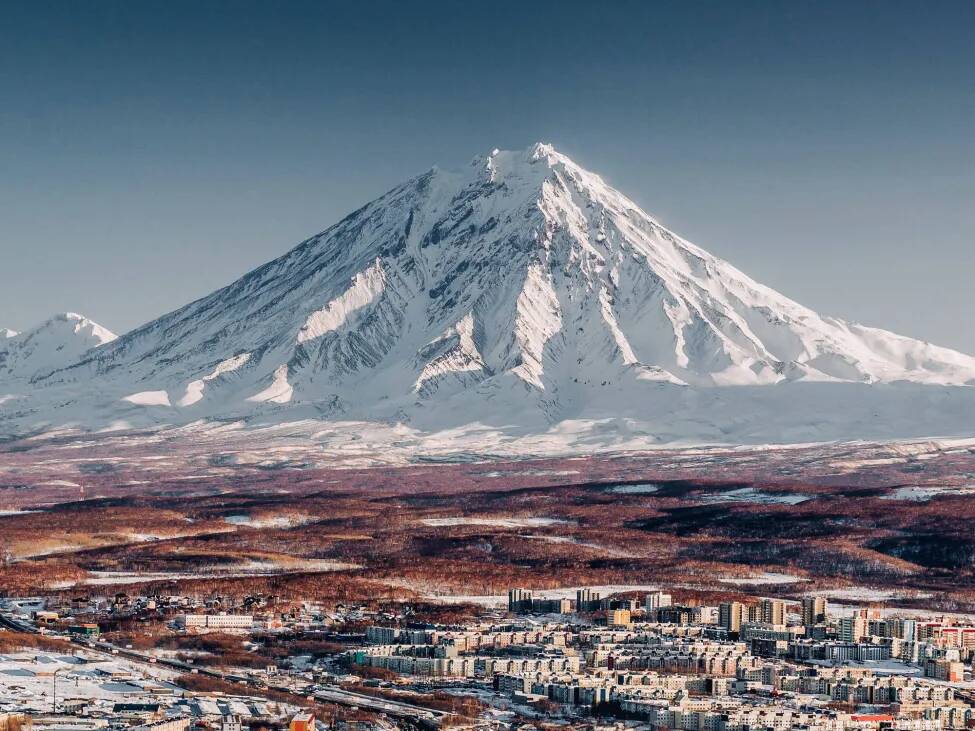
Avachinsky Volcano is often called Avachinskaya Sopka. A true symbol of Petropavlovsk-Kamchatsky, the mountain’s towering slopes are clearly visible from the city, rising dramatically behind rows of streets and rooftops. You can reach Avachinsky by car, and a marked trail leads all the way to the summit. The ascent typically takes six to eight hours.

Near the top lie glaciers covering a total area of 10 km², and stone birch and Siberian dwarf pine grow along the slopes. Avachinsky itself is a perfectly shaped cone with a plume of white smoke drifting from its crater. From nearly 3,000 meters above sea level, you’ll be treated to breathtaking views of sulfur fields and Petropavlovsk-Kamchatsky, the Pacific coastline and Avachinskaya Bay, the Sredinny Ridge and Nalychevo Nature Park, as well as the nearby Kozelsky and Koryaksky volcanoes.

Avachinsky Volcano is visible from Petropavlovsk-Kamchatsky

Avacha Bay

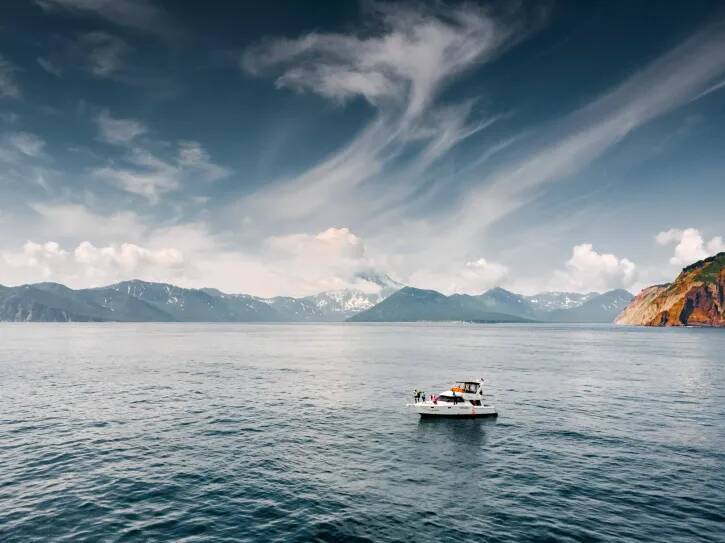
Avacha Bay is one of the main attractions of Petropavlovsk-Kamchatsky. This vast, ice-free bay on the Pacific coast is large enough to accommodate any vessel in the world.

The region’s main port stretches along its shoreline, and in the distance you can see the cones of Kamchatka’s volcanoes. In addition to exploring the bay itself, it’s well worth visiting the small islands within the bay, where you can observe bird colonies — and sometimes spot dolphins and orcas in the coastal waters.

Avacha Bay is large enough to accommodate any ship in the world

Avacha Bay is a great place to observe birds and marine wildlife

Avacha Bay doesn’t freeze, even in winter

The Three Brothers Sea Stacks

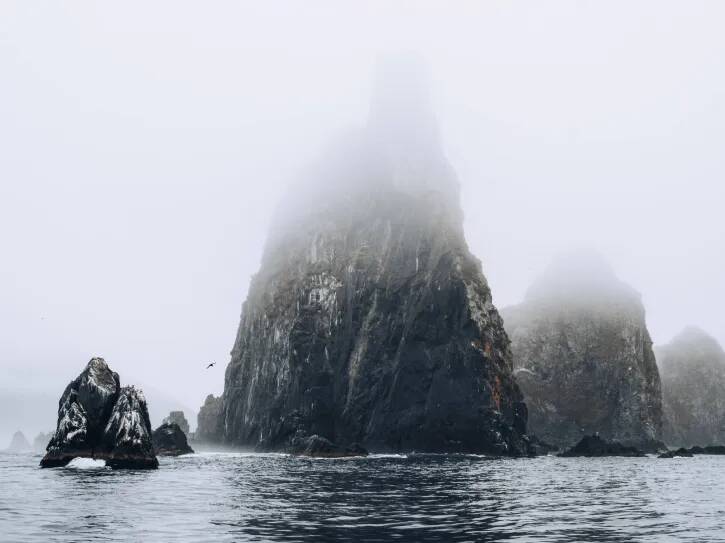
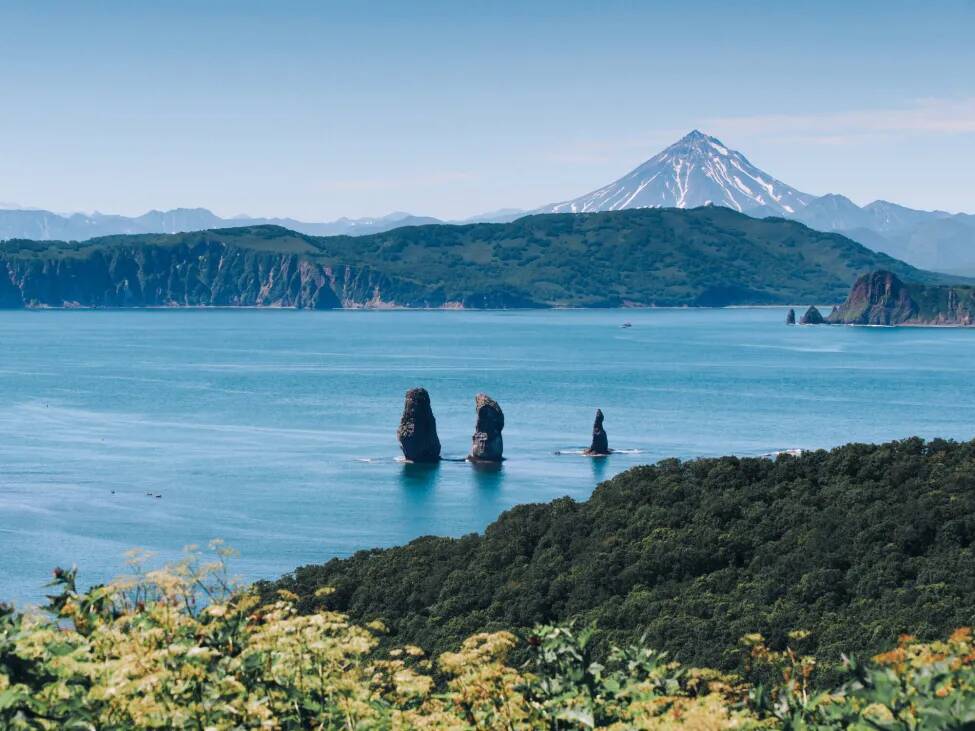
The Three Brothers is an iconic trio of sea stacks located at the entrance to Avacha Bay. Along with Avachinsky Volcano, they are one of the most recognizable symbols of Petropavlovsk-Kamchatsky — you’ll often see them featured on postcards. Sea stacks are column-shaped rock formations found in rivers, seas, or along coastlines. Seabirds nest on these rugged pillars, and nearby you can often spot walruses, seals, and other marine mammals. The Three Brothers stand 300 meters off the shore and 14 kilometers from the center of Petropavlovsk-Kamchatsky.

There’s a stark and beautiful legend about them: it’s said the rocks are three brothers who once protected Avacha Bay from a powerful ocean wave. After saving the bay, they turned to stone — and have stood guard ever since.

The famous Three Brothers sea stacks

Khalaktyrsky Beach

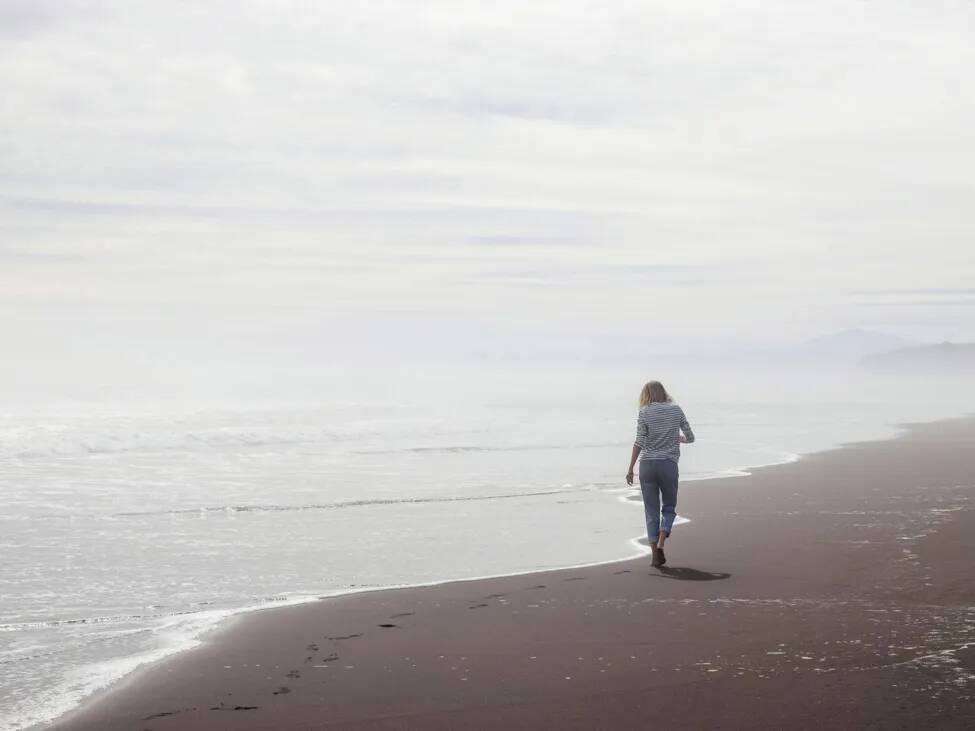
Khalaktyrsky Beach stretches for 30 kilometers along the picturesque coast of Avacha Gulf. It’s known for its black volcanic sand and the steady crash of waves that hide the endless expanse of the Pacific Ocean. A forest lies not far from the shoreline, and on clear days you can see several Kamchatka volcanoes — including Avachinskaya Sopka, whose eruption helped form the beach.

Visitors come to Khalaktyrsky to sunbathe, surf, and even swim — though the water stays below 15°C, even on the warmest days. Keep in mind that this is a completely wild beach: there are no cafés, rental points, or facilities. Still, it’s a favorite weekend escape for locals, and travelers are encouraged to visit at sunrise, when the sun begins to rise straight out of the ocean…

Khalaktyrsky Beach is known for its black volcanic sand

Russkaya Bay

Russkaya Bay is a fjord on the southwestern side of Avacha Gulf. After the war, it served as a place where ships refueled with fresh water and changed their crews. Today, it’s one of the most famous and frequently visited destinations in Kamchatka.

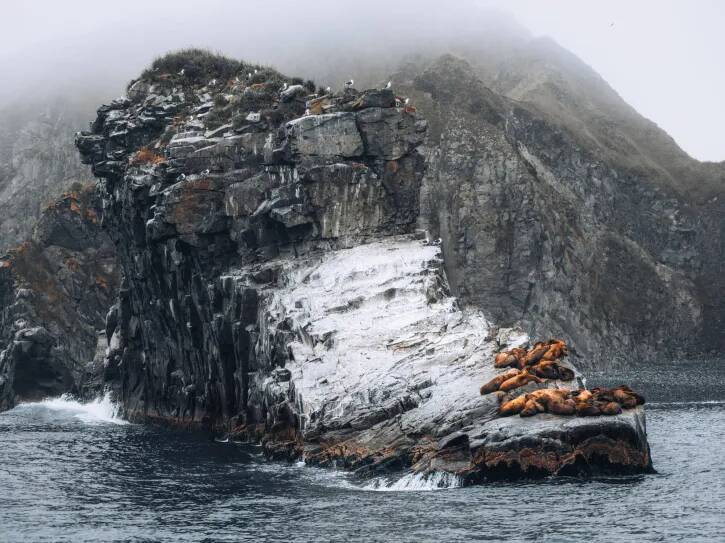
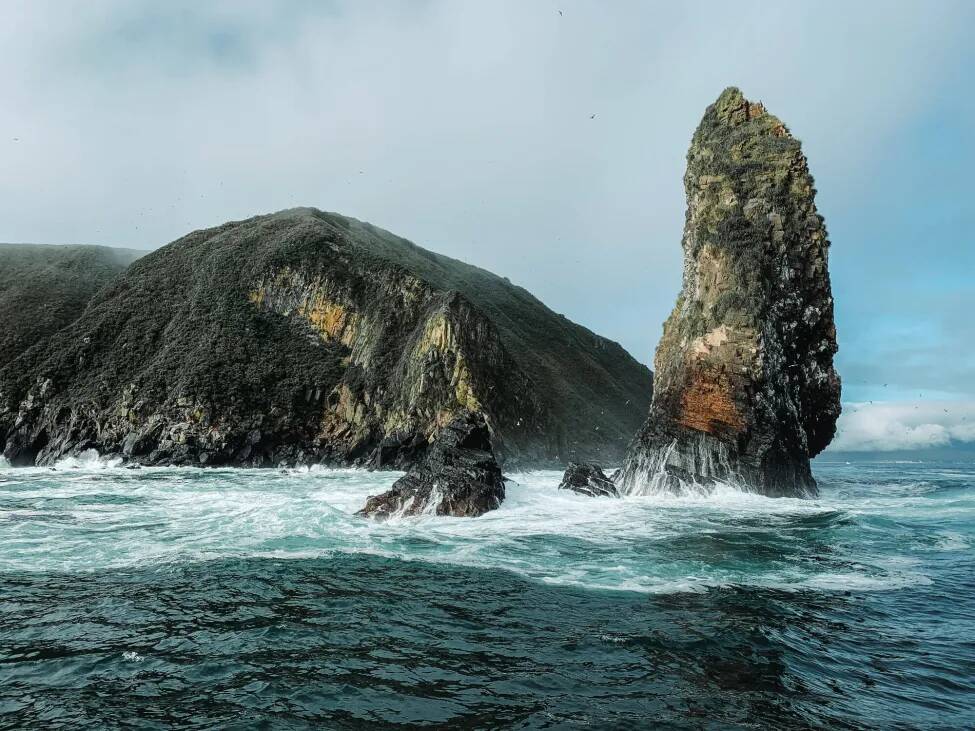
Russkaya is among the most beautiful bays on Kamchatka’s eastern coast. Here you’ll find rugged cliffs, Steller sea lion haul-outs, reefs and streams, bustling bird colonies, and even dolphins. Deep and narrow—stretching almost 10 kilometers—the bay stays calm and sheltered even when the ocean is stormy. Along its inner shores grow rowan, wild rose, and cranberries; on the seabed you can spot crabs and sea urchins. And in good weather, the bay is perfect for deep-water fishing for plaice, cod, saffron cod, and other fish.

Even in heavy storms, Russkaya Bay remains calm

The Paratunka River Valley

Paratunka is a river in the southeast of the Kamchatka Peninsula. It flows into Avacha Bay of the Pacific Ocean and owes its unusual name to a shaman who was the first to treat local residents with the water from hot springs.

The Paratunka Valley is home to three groups of such springs: Lower Paratunka, Middle Paratunka, and Upper Paratunka. In the deepest wells, water temperatures reach up to 92°C. These thermal springs have made the valley one of Kamchatka’s most popular balneological resort areas: numerous sanatoriums and guest lodges line the river, each offering thermal pools or mineral-rich mud baths.

Cultural and Historical Attractions

Vulcanarium

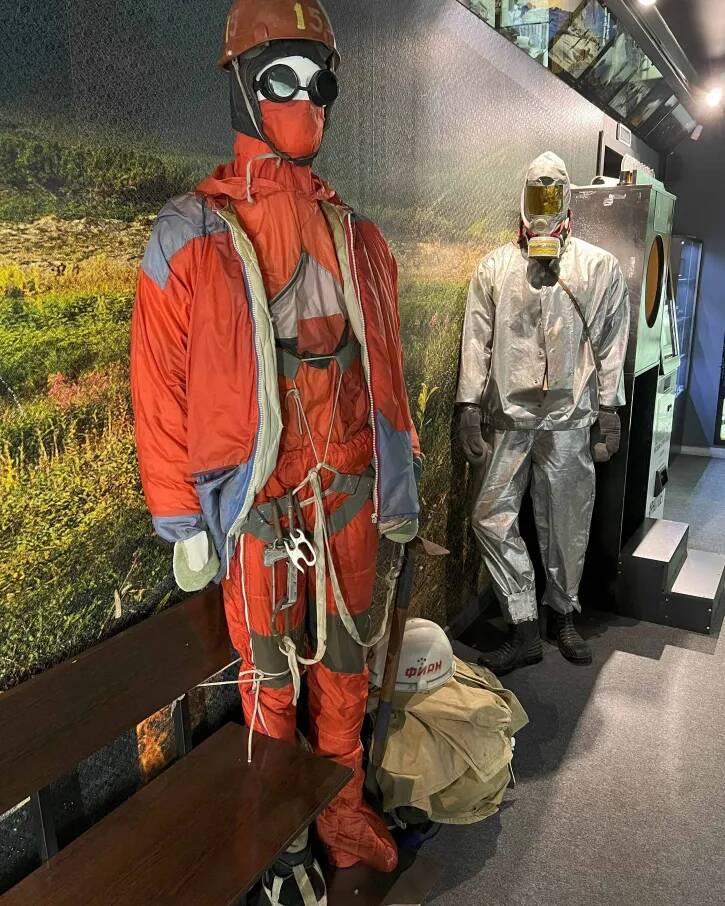
The Vulcanarium is perhaps the most unusual museum in Petropavlovsk-Kamchatsky. Here you can learn about the volcanic processes that shape Kamchatka, see what happens inside a volcano, walk through a lava cave, and explore the region’s nature and ethnography.

This museum is a private initiative built by volcanologists, geology students, and volunteers, led by Sergey Samoylenko from the Institute of Volcanology and Seismology. Interactive, educational, and full of multimedia exhibits, it offers an engaging introduction to Kamchatka’s volcanoes, showcases the region’s natural wonders, and explains local geological processes in an easy-to-understand way.

Many recommend visiting the Vulcanarium before heading out to see real volcanoes — it helps you notice fascinating details during hikes and better understand what’s happening in the volcanic landscape.

The Vulcanarium is one of the most unique museums in Petropavlovsk-Kamchatsky

Ethnographic Museum in Milkovo

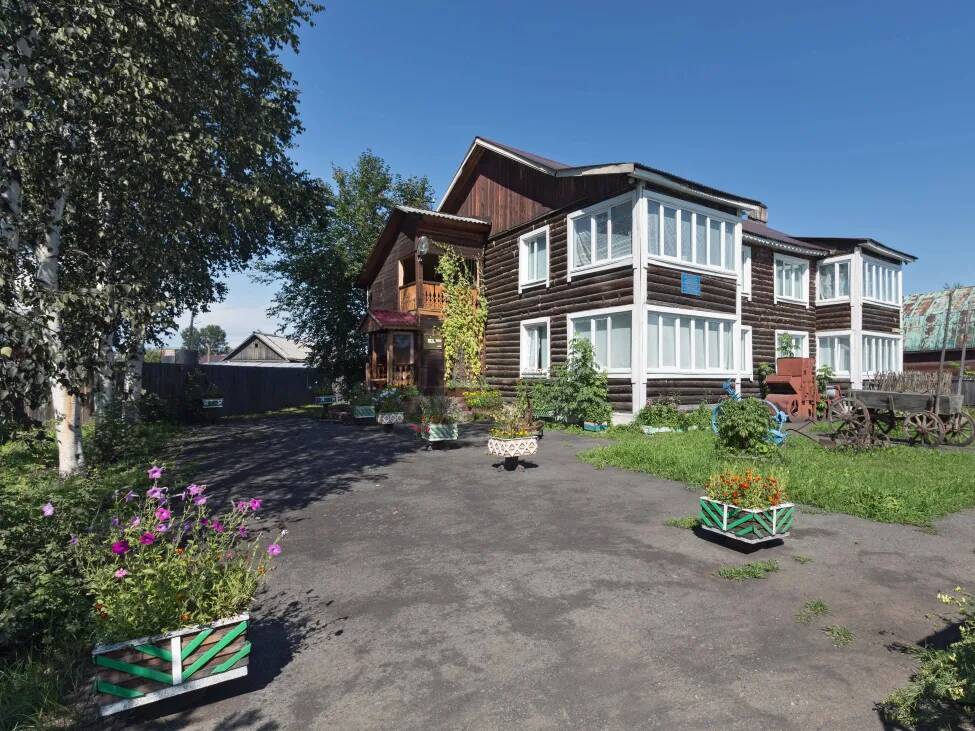
The museum in Milkovo is an exhibition located in a historic Itelmen settlement, dedicated to the exploration of Kamchatka and the culture of its Indigenous peoples. It opened in 1976 on the initiative of artist Mikhail Ugrin. Here you can learn about the region’s nature and traditional culture, the history of Kamchatka’s development by Russian settlers, and the way of life of the local population.

In 1986, the museum added a Memorial Room dedicated to the Itelmen poet, writer, and folklorist Georgy Porotov. The museum’s art collection includes paintings, sculptures, graphic works, decorative and applied art, and pieces by Kamchatka artisans and artists.

Milkovo is accessible by bus from Petropavlovsk-Kamchatsky. Beyond the museum itself, the village offers a model of a Siberian stockade, a traditional Russian watchtower, and a small chapel.

Historic Itelmen museum in Milkovo

Esso Village

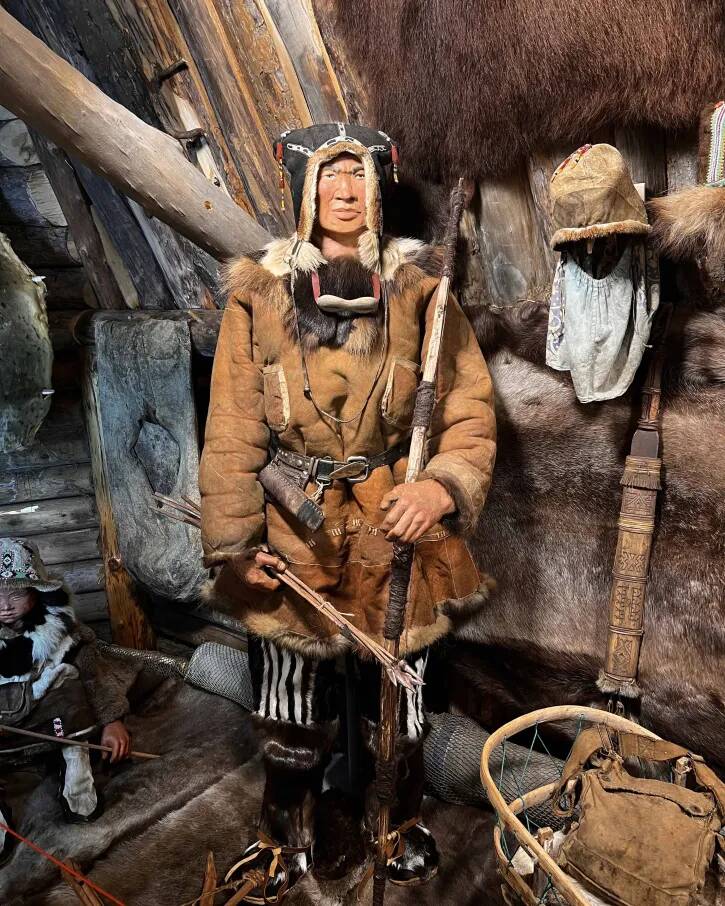
Esso is the center of Koryak culture on Kamchatka. The village is located about 520 kilometers from the regional capital, on the banks of the Bystraya River. The Koryaks are one of the Indigenous peoples of the peninsula.
Esso is home to a local history museum where visitors can learn about the culture and daily life of the Koryak people. However, most travelers come here for the stunning scenery — so beautiful that Esso is often called the “Kamchatkan Switzerland.” Remarkably, all the houses in the village are heated using thermal springs. The surrounding area also offers numerous opportunities to relax in hot pools and enjoy the magnificent landscapes.

The museum in Esso shares insights into Koryak culture

The Village of Pimchakh

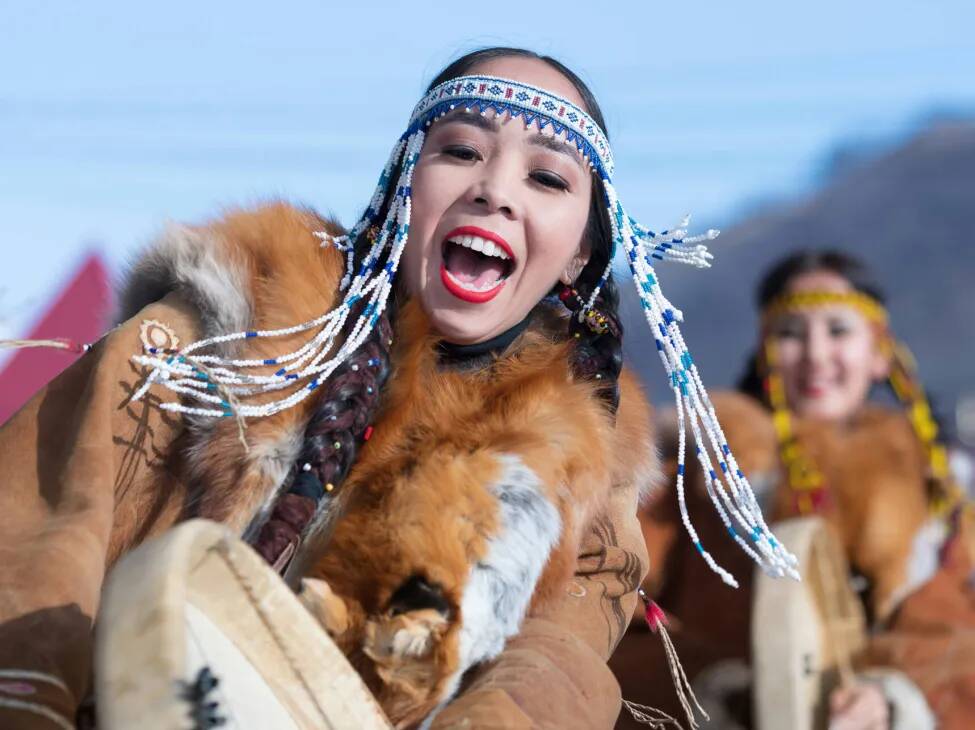
Pimchakh is a Kamchatkan ethnovillage home to a community of Itelmens — the Indigenous people of this region. Here, you can witness ancient rituals, learn about traditional Kamchatkan culture, and even take part in Alkhalalalay, a ceremonial Itelmen festival that marks the end of the seasonal cycle and gives thanks to nature.

The Pimchakh ethnocultural complex, located at the foot of the sacred Mount Ostraya, is a slice of medieval Kamchatka — an open-air museum and a village built in the style of the earliest Itelmen settlements. In the Itelmen language, “Pimchakh” means “little flame” — a fitting name for this charming, welcoming, and colorful place.

In Pimchakh, visitors can take part in a traditional ceremonial festival

Tanynaut Village

Tanynaut is another ethnic settlement in Kamchatka. This Koryak ethnovillage is located on the shore of Khalaktyrskoye Lake, within Petropavlovsk-Kamchatsky. The village features three yurts designed in the style of traditional Koryak dwellings, complete with reindeer antlers, animal hides, and open-air hearths. At Tanynaut, visitors can explore the interiors and household items of the Koryak people and learn about their history and way of life.

National dances, jaw harp performances, local cuisine, guided programs, contests, and shows by a Koryak ensemble—there’s never a dull moment. Visitors can also learn how to build a yurt and make fire, and those who wish can ride horses, snowmobiles, or catamarans.

Thinking about a trip to Kamchatka? Browse our collection of tours in the region, and feel free to reach out with any questions—call us at +7 (495) 104-64-36 or email us at hello@russiadiscovery.ru.

Contributors
Olga Kameneva
Executive Editor
Maria Cherdantseva
Photo Editor
Ezhena Bykova
Proofreader

Notice an error or inaccuracy?

Write to us

Great-Value Flights to the Russian Far East with Aeroflot

2.02.2026
6 minutes
41

Discover Russia: Inviting the World to Explore

7.09.2025
8 minutes
190

The Best Places to See the Northern Lights

6.09.2025
10 minutes
182

Wrangel Island: A Journey to the Edge of the World

4.09.2025
16 minutes
210

A Week in Karelia: Dog Trekking, Cycling, and Rafting

12.08.2025
7 minutes
85

National Cuisine of Dagestan: From Chudu to Khinkal

7.07.2025
11 minutes
75