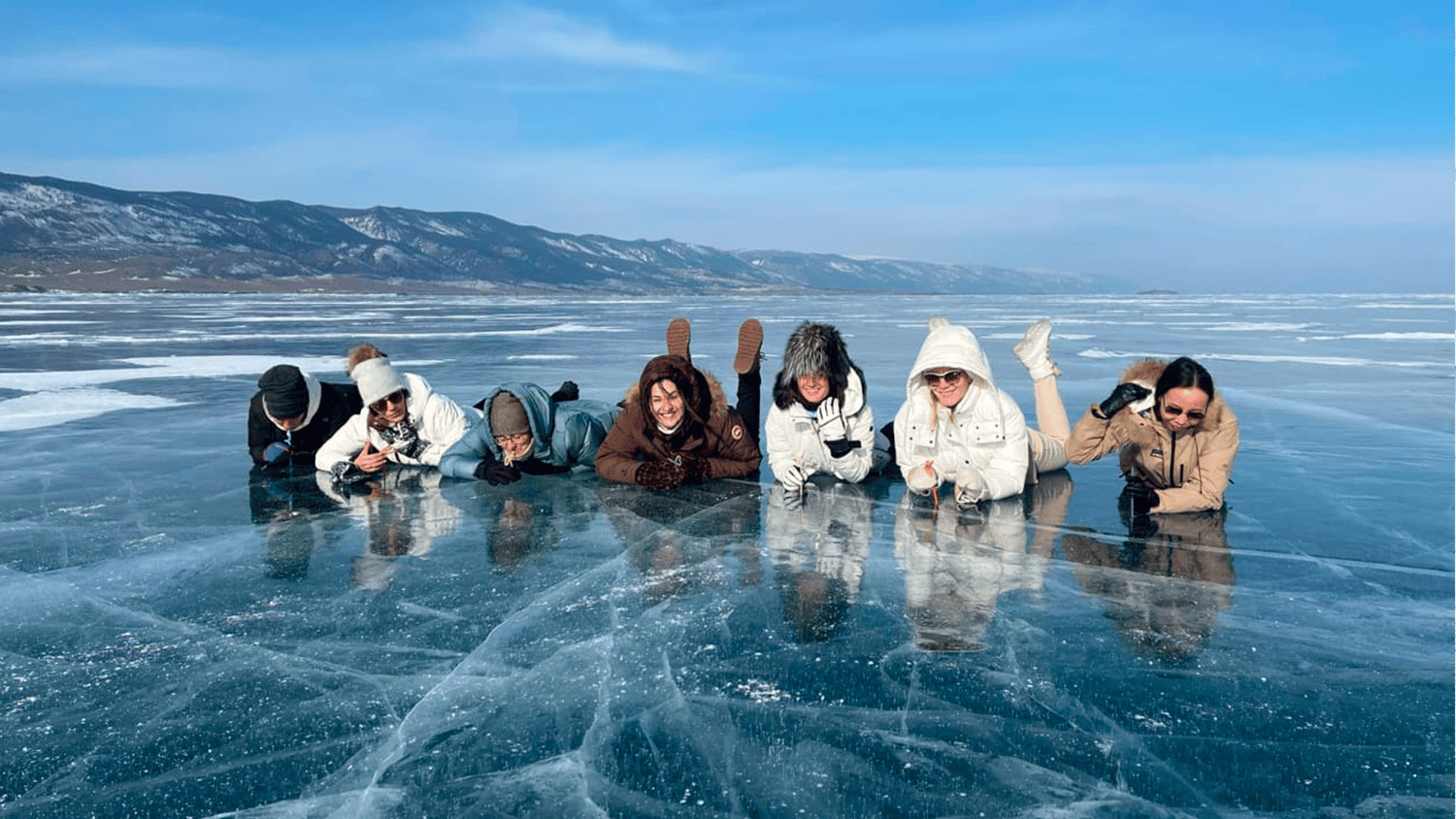



There are not many places in the world where neither scientific expeditions nor intrepid travelers have ever set foot. Yet it is still possible to experience a true spirit of exploration in remote, little-visited destinations — and not in the Amazon jungle, but in Russia.
Top Hard-to-Reach Places in Russia
From the Kola Peninsula to Chukotka, excluding the Arctic islands
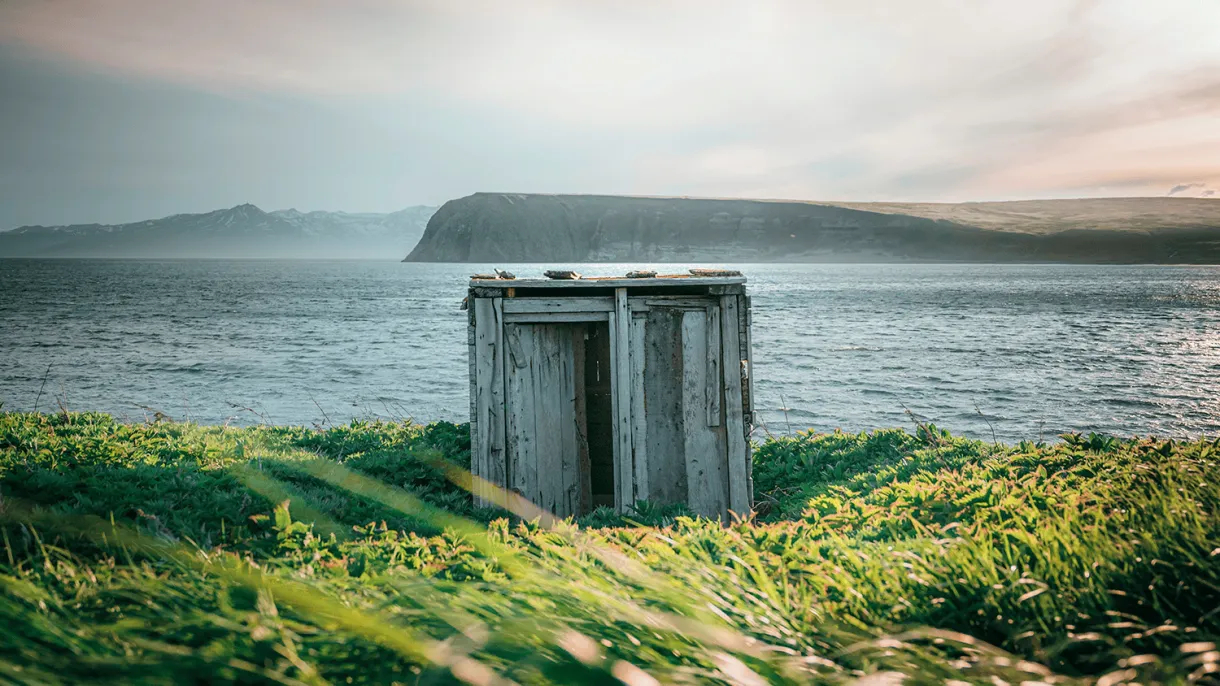
The places we’re about to introduce are extraordinarily beautiful, but difficult to reach — which, for passionate travelers, is only a plus. If someone tells you to go somewhere far away, take it as advice: pack your backpack — here’s your plan.
Quick Navigation
Valley of Geysers, Kamchatka
Kuril Islands
Shantar Islands
Putorana Plateau
Naukan — the ancient Eskimo capital of Chukotka
Manpupuner Plateau in the Northern Urals
Uchar Waterfall in Altai
Visiting Reindeer Herders on Yamal
Cape Nemetsky on the Kola Peninsula
Oymyakon — the Pole of Cold in Yakutia
The Black Lands Nature Reserve in Kalmykia
Cape Ryty on Lake Baikal
Baikonur Cosmodrome
The Extreme Points of Russia
Russia’s Most Remote Destinations
Map of Russia’s hard-to-reach places, excluding the Arctic islands
Valley of Geysers, Kamchatka
Many travelers and wilderness enthusiasts dream of visiting Kamchatka Peninsula. Famous for its volcanoes, thermal springs, and brown bears, the peninsula feels almost completely cut off from the rest of the world — no roads lead here. The only way to reach Kamchatka is by air, and the best way to explore the region is by small aircraft or helicopter.
One of Kamchatka’s most extraordinary places is the Valley of Geysers in the Kronotsky Nature Reserve. Despite its relatively compact size, the valley contains an astonishing variety of geothermal phenomena: mud pots, steam vents, heated ground, geysers, hot lakes, and constantly bubbling thermal springs.
The scenery is breathtaking — the kind of place you’ll want to photograph endlessly and talk about for years afterward. Especially after encountering bears: in spring, they are drawn to the valley by fresh grass, while summer is the season of bear courtship rituals.
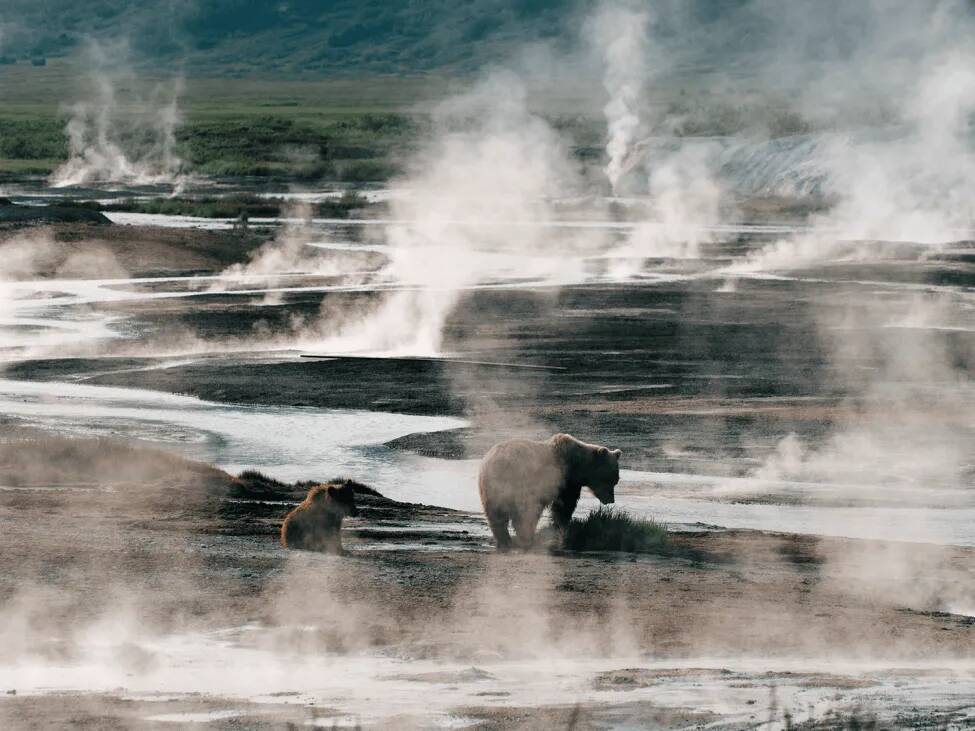
Bears are frequent visitors to the Valley of Geysers
© Igor Shpilenok
You can visit the Valley of Geysers on our "In Search of Adventures" tour. Find all journeys to the region here.
Kuril Islands
The Kurils are a 1,200-kilometer volcanic archipelago stretching between Kamchatka Peninsula and the Japanese island of Hokkaido. The Kuril chain consists of 56 islands, only four of which are inhabited: Kunashir, Iturup, Shikotan, and Paramushir.
The archipelago lies within the Pacific Ring of Fire — one of the most seismically active regions on Earth, home to the majority of the planet’s active volcanoes. Of the Kurils’ 68 volcanoes, 37 remain potentially active. The most spectacular among them is Krenitsyn Volcano on Onekotan. Rising from the center of Lake Koltsevoe, the volcano itself stands inside the caldera of an older, collapsed volcano — essentially a volcano within a volcano.
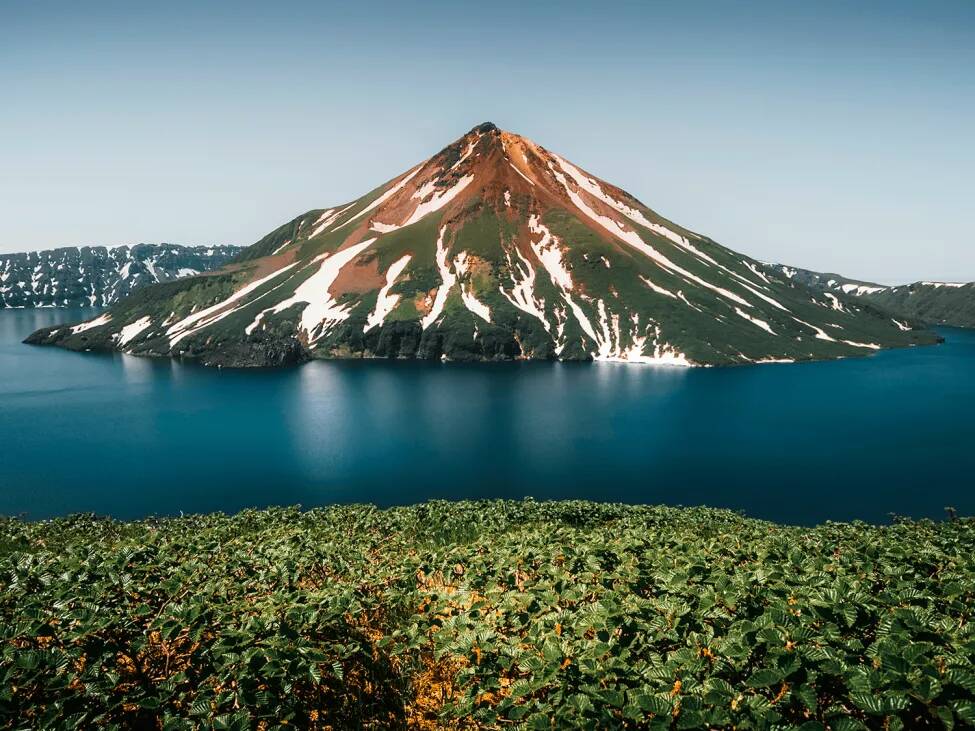
Krenitsyn Volcano on Onekotan Island
© Igor Ozherelyev
If smoking craters and close encounters with bears are not your idea of adventure, consider visiting Shikotan. Peaceful nights in a tent here come with breathtaking views from Cape End of the World. Behind the romantic name lies the island’s most famous landmark — a dramatic cliffside cape stretching far into the Pacific Ocean.
The calling card of Iturup is the White Cliffs. These elongated pumice formations, framed by black volcanic sand beaches and bright green grass, look almost unreal — like something straight off a postcard. You can see them with your own eyes on one of our journeys.
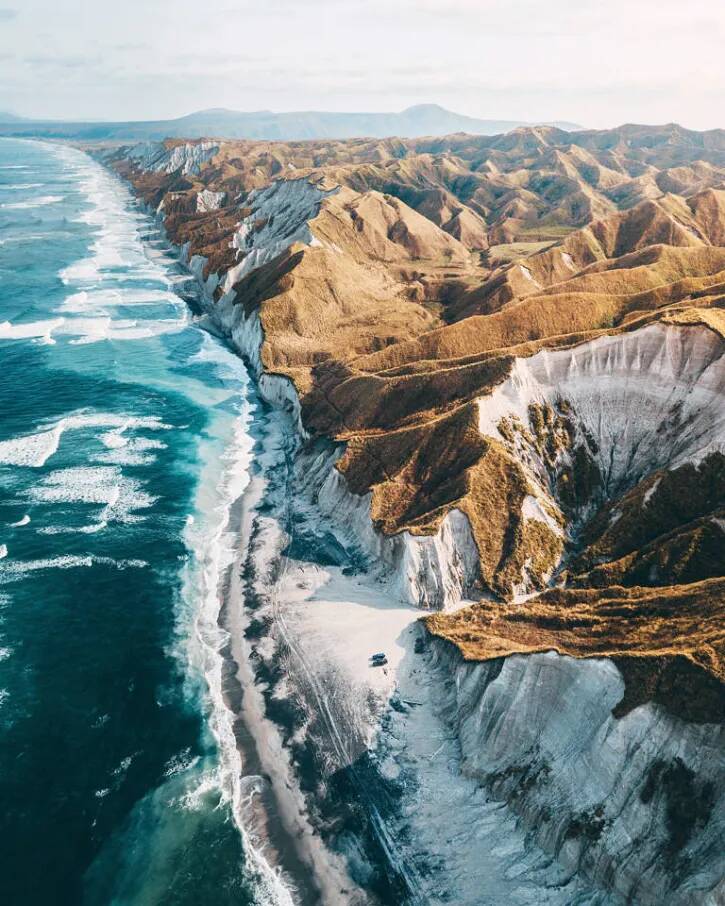
The White Cliffs of Iturup in autumn
© Pavel Matveev
Shantar Islands
The Shantar Islands, a remote archipelago in the Sea of Okhotsk off the coast of Khabarovsk Krai, are considered one of the most inaccessible places in Russia. Few people have even heard of them, and only a handful have ever visited.
The Shantar Islands’ remoteness and unpredictable climate have prevented permanent settlements from being established here. Only wildlife and meteorological researchers remain on the islands year-round. Thanks to this isolation, the archipelago’s pristine nature has been preserved, and in 2013 the area was designated a national park.
The main reason travelers are drawn to the Shantar Islands despite the challenging logistics is the chance to see bowhead whales regularly approaching the protected coastline. For most of the year, the waters around the islands are covered in ice, making July and August the best time to visit.
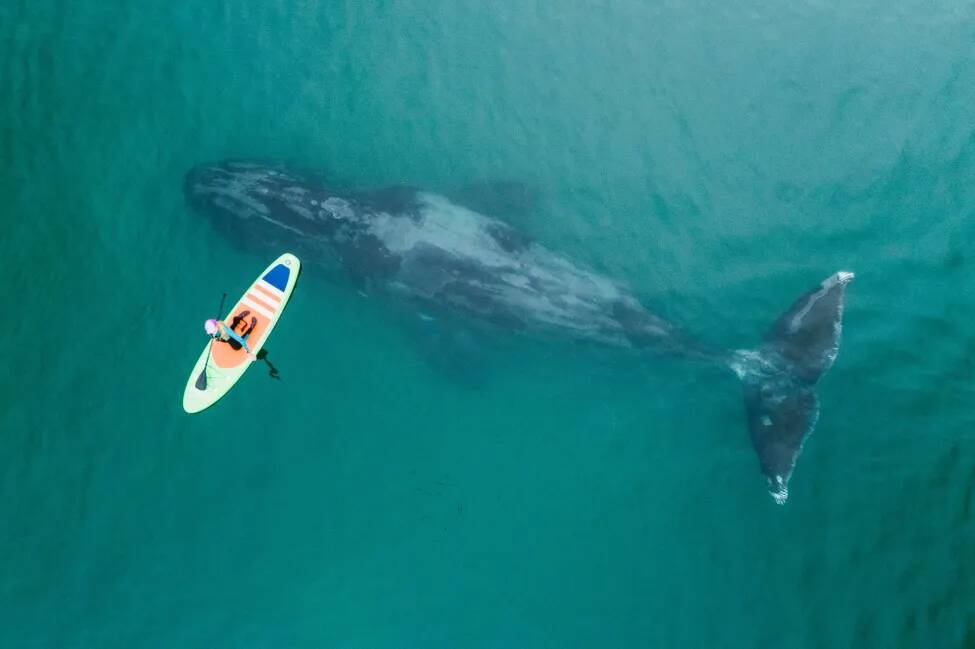
The Shantar Islands are Russia’s premier destination for whale watching
© Yuri Inchakov
Putorana Plateau
Beyond the Arctic Circle, in Krasnoyarsk Krai, lies one of the country’s most rugged and inaccessible mountain regions — the Putorana Plateau. Human footprints are rare in this land of thousands of waterfalls, rivers, and lakes. With an area of around 250,000 square kilometers, the plateau is roughly comparable in size to the United Kingdom.
These extraordinary landscapes were formed around 250 million years ago during repeated eruptions of an ancient supervolcano. As the magma gradually cooled, it created stepped basalt mountains known as traps. Later seismic activity lifted and fractured them, carving the plateau into a maze of dramatic canyons.
Journey across the Putorana Plateau
From the RussiaDiscovery archive
Naukan — the ancient Eskimo capital of Chukotka
Cape Dezhnev, the easternmost point of Russia and the entire Eurasian continent, is home to a former Eskimo settlement. Bone artifacts left behind, crumbling buildings, an abandoned weather station, and a lighthouse perched on the hill beside a bust of the explorer all hint at a once-thriving community.
Just as it did centuries ago, whales still gather near Naukan every summer. According to local legend, they come to take the most beautiful and worthy Naukan women as brides in exchange for protecting the tribe. Reaching Naukan is difficult, but the untouched nature and the atmosphere of the world’s edge make the journey more than worthwhile.
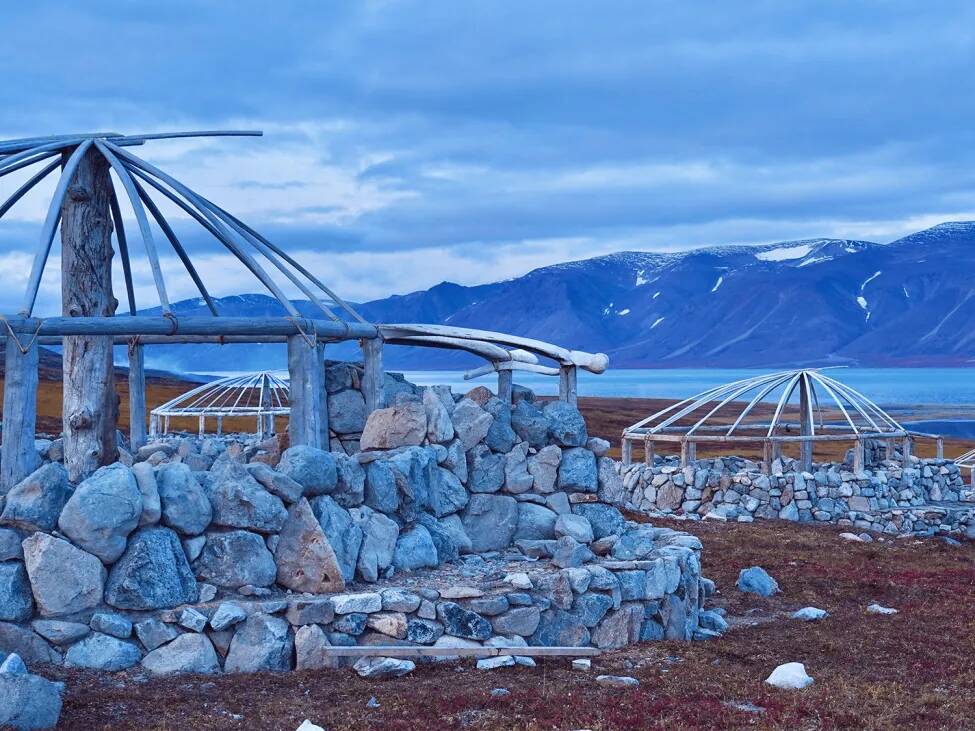
Reconstructed Naukan settlement
© Grigory Vakhrushev
Explore our expeditions to Chukotka here.
Manpupuner Plateau in the Northern Urals
This geological natural monument and one of the Seven Wonders of Russia is located in the Komi Republic. Over time, the once-towering softer rock formations were gradually eroded by natural forces, transforming into bizarre weathered stone pillars — rock outliers that brought worldwide fame to the “Little Mountain of Idols.”
Until the last century, only shamans of the indigenous Mansi people could reach Manpupuner. Today, the plateau lies within the Pechora-Ilych Nature Reserve, so visiting the Manpupuner rock formations — known as the “Seven Strong Men Rock Formations” and rising from 24 to 42 meters high — requires special permission and accompaniment by reserve staff.
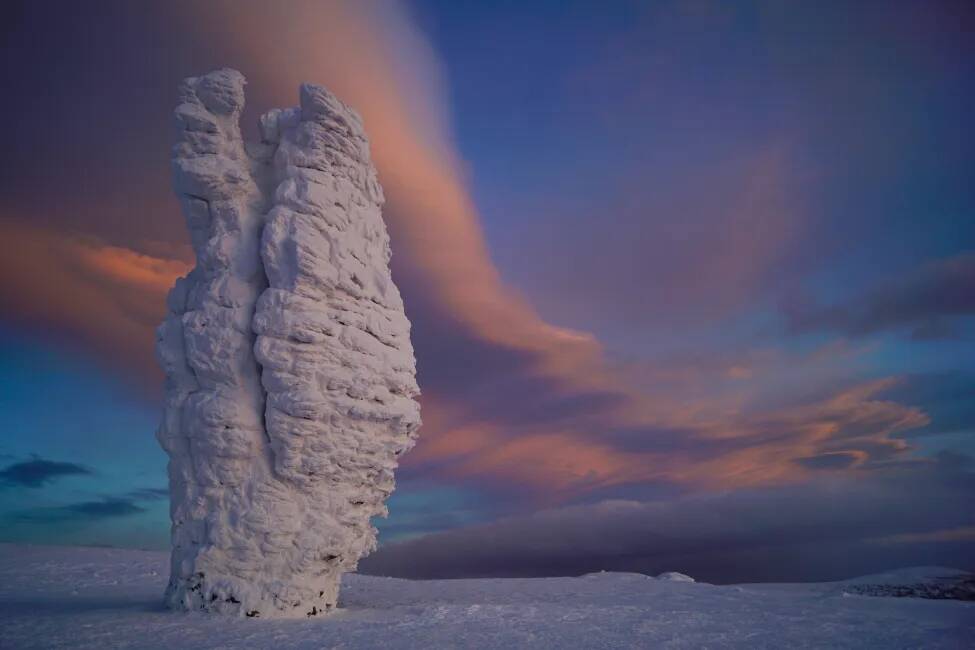
One of the seven stone pillars of Manpupuner Plateau
© Viktor Kvasov
Uchar Waterfall in Altai
Uchar is the largest cascade waterfall in the Altai Mountains. Powerful streams of water plunge down a 45-degree slope from a height of around 160 meters. Protected by the Altai Nature Reserve, the waterfall is located nine kilometers from the mouth of the Chulcha River, a right tributary of the Chulyshman River, which is why it is also known as the Great Chulcha Cascade.
In the Altai language, “Uchar” means “flying” or “inaccessible.” The waterfall can only be reached on foot, and the rocky trail is filled with natural obstacles. In 2011, the Russian Tour Operators Association included it among the five most hard-to-reach tourist destinations in Russia.
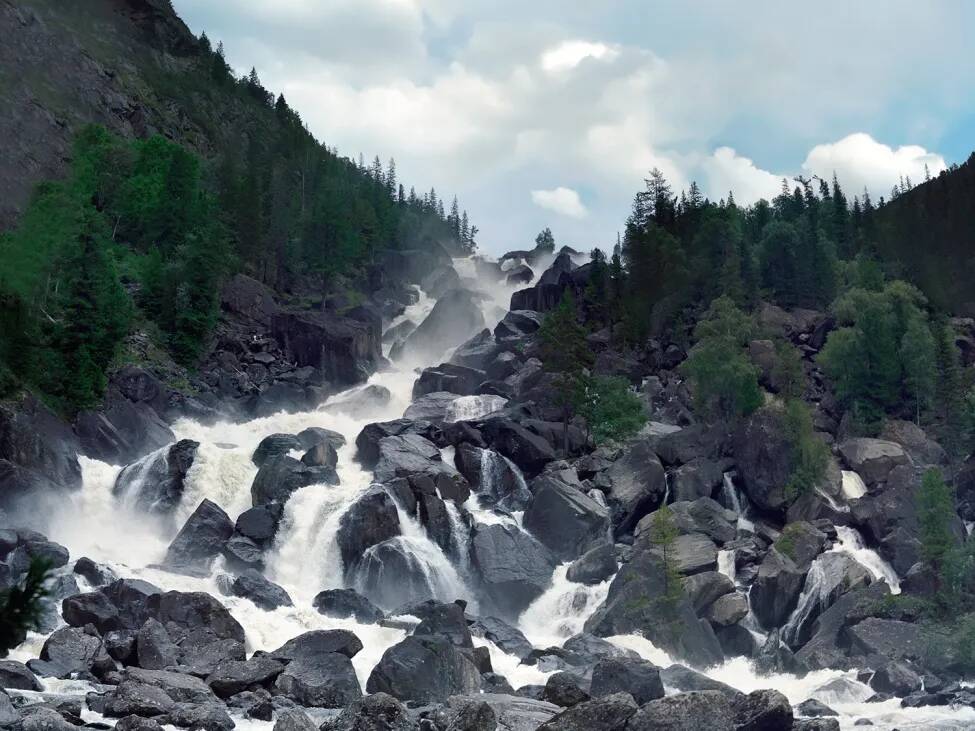
Uchar — the largest cascade waterfall in the Altai Mountains
From the RussiaDiscovery archive
A popular belief says the waterfall formed less than 200 years ago, but this is not true. The cascade stretches across the slope of a massive landslide dating back to the last Altai glaciation, while its modern appearance was shaped by a powerful earthquake that occurred between 11,000 and 13,000 years ago.
The journey usually begins in the village of Artybash, in the northern part of Lake Teletskoye. Depending on your preferences, you can reach the boat crossing over the Chulyshman River either by speedboat or by car. From there, it is another 8.5 kilometers to the waterfall itself.
Discover Altai’s iconic destinations in these articles, and find all tours to the region here.
Visiting Reindeer Herders on Yamal
The Yamal Peninsula stretches for 700 kilometers across the far north of Western Siberia. A journey here offers a rare opportunity to immerse yourself in the life and traditions of reindeer herders — the true symbol of Yamal.
It is easy to leave the city behind and, for a few days, experience life in the tundra: spend the night in a traditional chum tent, see vast herds of thousands of reindeer, learn how to handle them, taste nomadic cuisine, and set off in search of the Northern Lights.
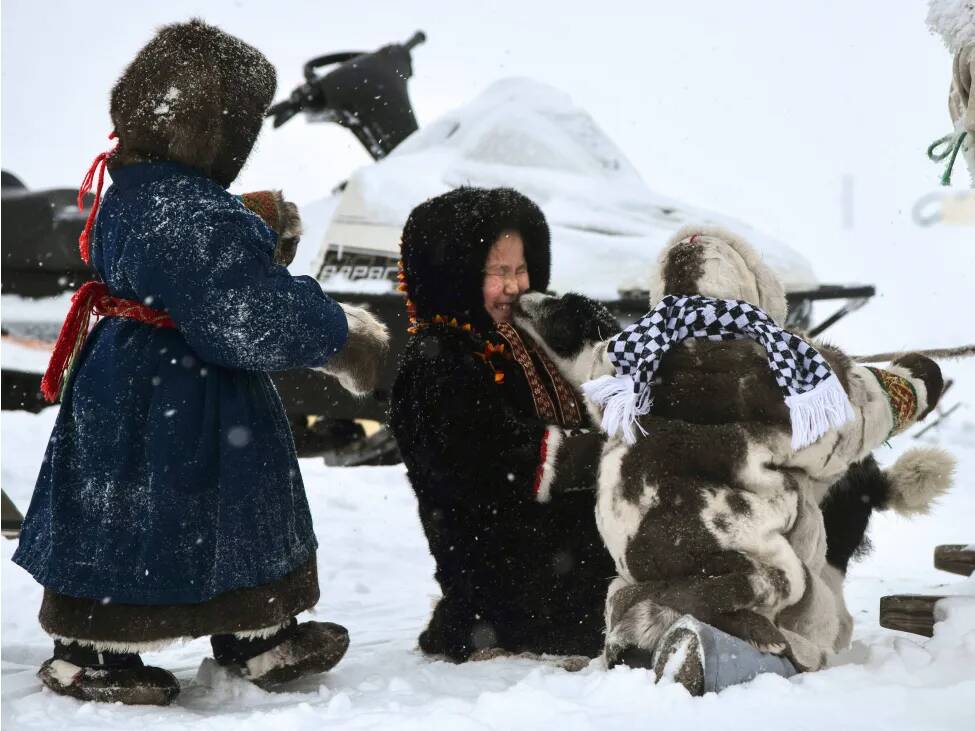
Yamal — a true terra incognita
© Polina Vodolazskaya
You can discover the everyday life of reindeer herders on our “Nomadic Winter” expedition.
Cape Nemetsky on the Kola Peninsula
Cape Nemetsky is the northernmost mainland point of European Russia. Beyond it lie only the ice-free Barents Sea and the Arctic archipelagos of the Arctic Ocean. Remarkably, the cape can be reached by road.
Near the cape stands the Vaydagubsky lighthouse, the northernmost lighthouse in Russia. The current lighthouse tower was built in 1966. Yet the most striking thing about the Kola Peninsula is its nature: the rugged coastline and endless beaches of the Barents Sea, steep cliffs and rocky shores, moss-covered tundra, and vast open landscapes that quite literally take your breath away. A place of raw energy for lovers of harsh northern beauty.
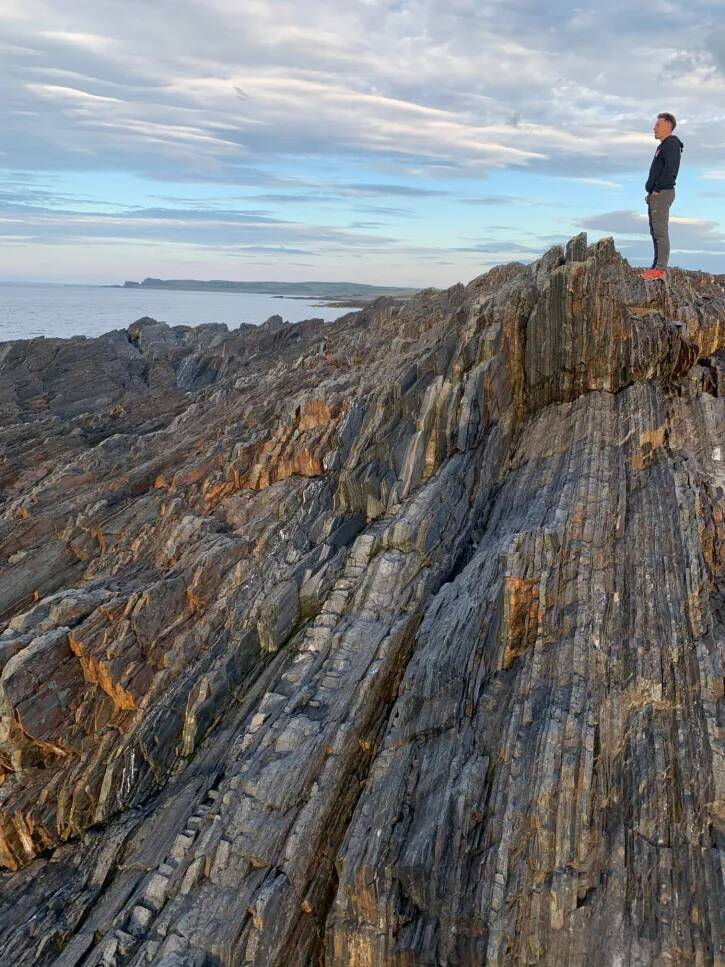
Cape Nemetsky
From the RussiaDiscovery archive
Discover the Kola Peninsula on our “A Date with the North” tour.
Oymyakon — the Pole of Cold in Yakutia
One of the harshest inhabited places on Earth lies on the left bank of the Indigirka River in the Republic of Sakha (Yakutia). The ground here is locked in permafrost, while thermometers regularly plunge to extreme lows. Surprisingly, the people living in the small settlement of Oymyakon are neither seasonal workers nor scientists — this is their permanent home.
Oymyakon refers not only to the village itself, but also to the bowl-shaped valley where it is located. The area’s severe continental climate is caused by several factors: its great distance from the ocean, proximity to the Arctic Circle, and altitudinal zonation. The settlement stands 741 meters above sea level, making annual temperature swings of more than 100°C a normal occurrence.
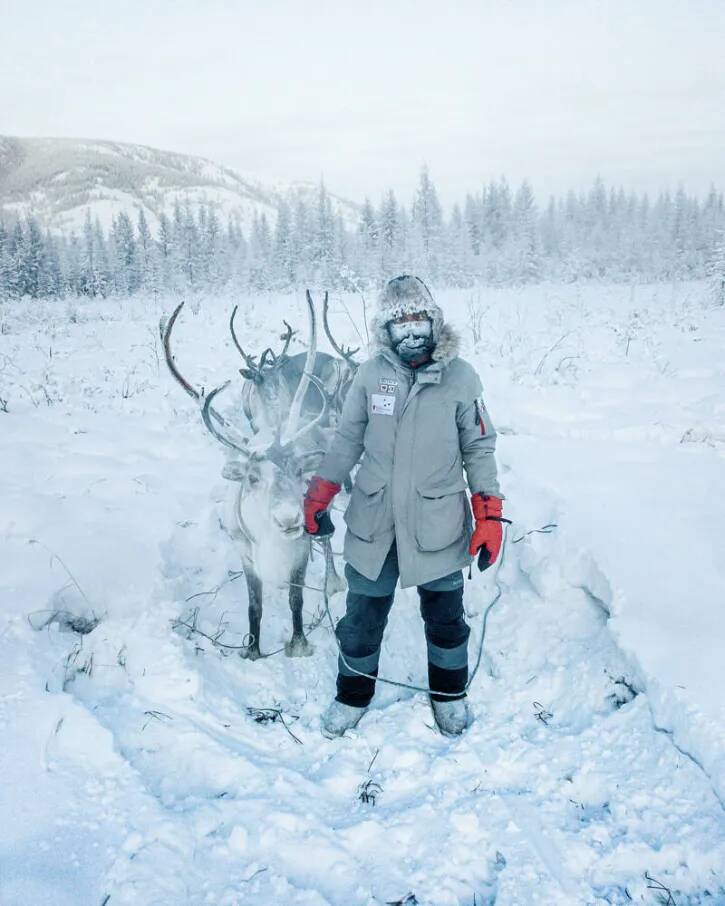
Oymyakon — the Pole of Cold in Yakutia
© Pavel Matveev
In the Yakut language, “Oymyakon” means “unfrozen water.” The name refers to local hot springs that keep nearby bodies of water from freezing even in winter.
Travel with us to the Pole of Cold in Oymyakon or explore other journeys across Yakutia.
The Black Lands Nature Reserve in Kalmykia
The first image that comes to mind when people think of Kalmykia is endless dusty steppe landscapes. The second is rich salty milk tea. Add air scented with wild herbs, carpets of blooming steppe flowers, unusual saiga antelopes with trunk-like noses, and flocks of rare birds — and you get the protected wilderness of the Black Lands Nature Reserve.
This specially protected area is located in the south of European Russia. It was created to preserve the saiga antelope — one of the oldest surviving representatives of the mammoth fauna, nearly wiped out by humans but now a living symbol of the reserve. The reserve consists of two separate sections: the “Steppe” area, located in a zone of human-induced desertification, and the ornithological section around Lake Manych-Gudilo.
April is the perfect time to visit the Black Lands. At this time of year, thousands of birds gather on the lake: pelicans, ducks, spoonbills, gulls, cormorants, sandpipers, herons, and brent geese. Pyatisotka Island becomes covered with endless blooming tulip fields, celebrated across Kalmykia with seasonal festivals.
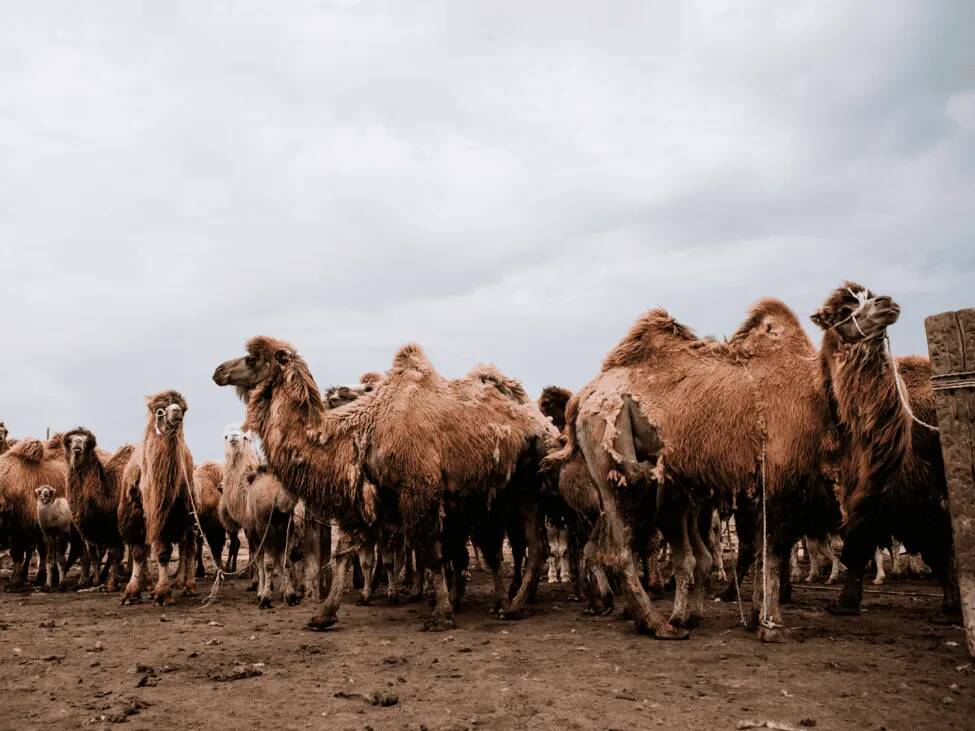
Kalmykia — the kingdom of the steppe
From the RussiaDiscovery archive
Cape Ryty on Lake Baikal
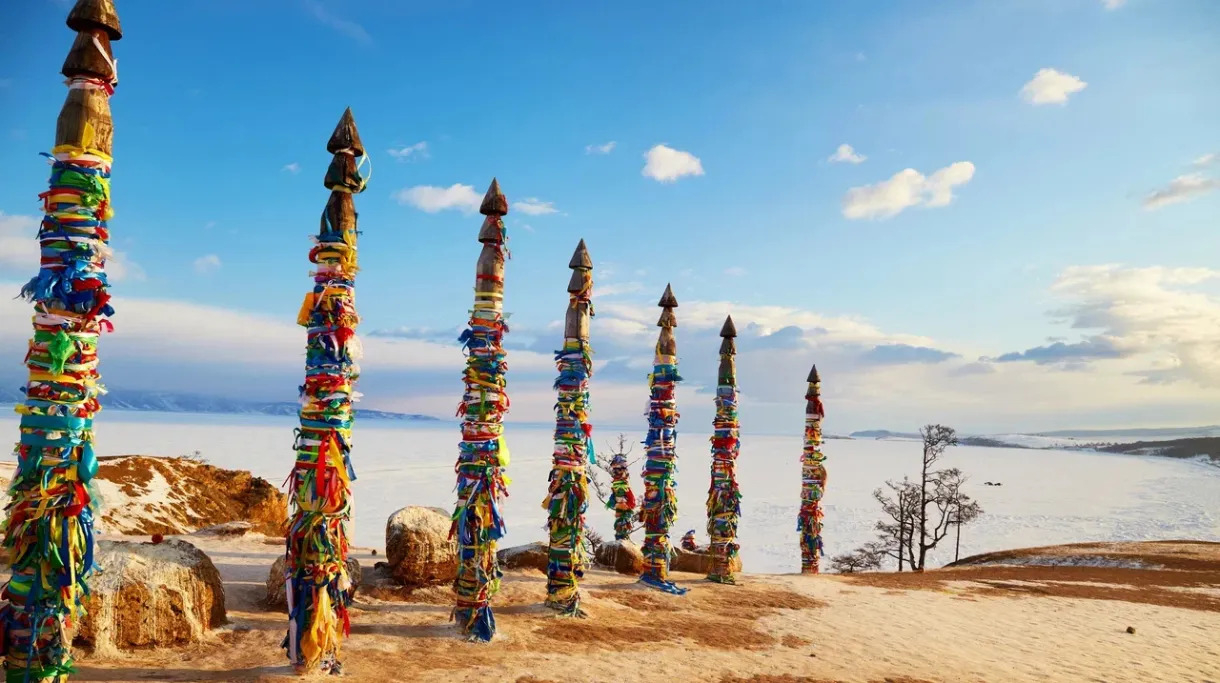
Cape Ryty, with its mysterious shamanic pyramids, remains little studied and surrounded by legends. This monument of prehistoric architecture within the Baikal-Lena Nature Reserve has long inspired sacred awe among the Buryat people while continuing to attract curious travelers.
To this day, the origin and purpose of the structures on the cape remain unknown. The largest of them — a 333-meter-long wall — was built without any binding mortar, while conical stone cairns scattered across the cape are aligned with the cardinal directions.
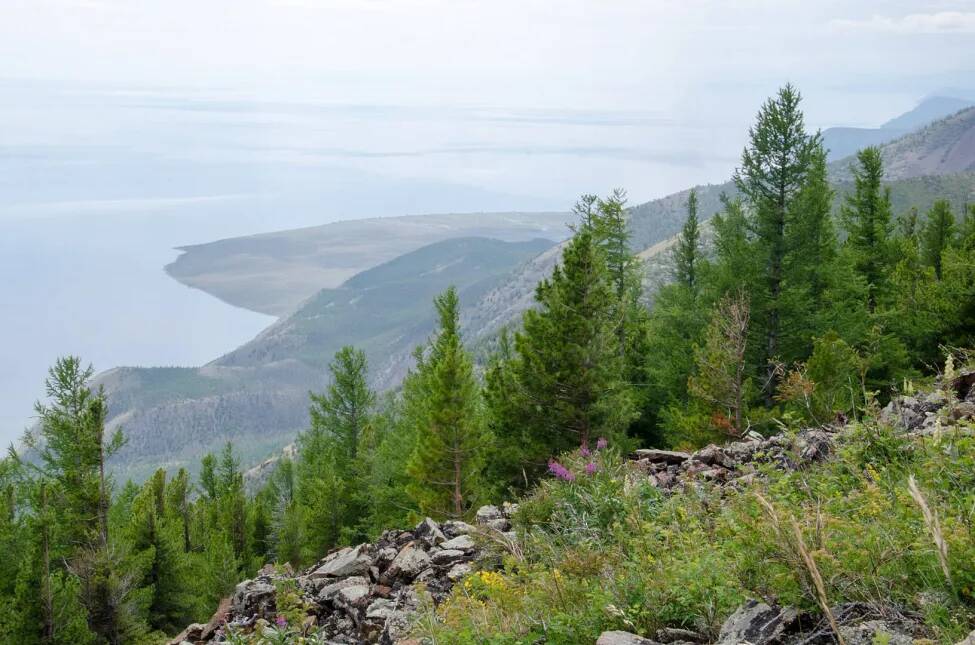
View of Cape Ryty
© Alphatetia
Explore Baikal with us on our winter tour, "The Baikal Ice Express".
Baikonur Cosmodrome
For almost 70 years, Baikonur has served as one of humanity’s most important spaceports. It was from here that Yuri Gagarin launched into space and the first satellites were sent into Earth orbit. Covering nearly 7,000 square kilometers, the legendary cosmodrome remains the largest in the world.
In a way, the “road to space” is also open to travelers. The only legal way to attend a crewed spacecraft launch and visit Baikonur facilities is through a tour organized by an accredited operator.
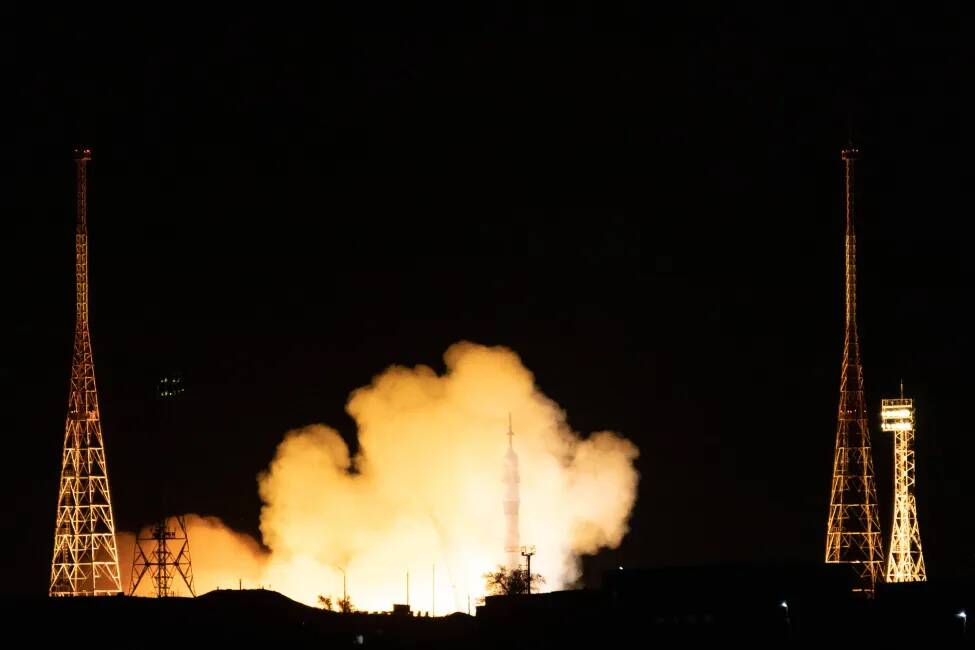
Our travelers watch rocket launches from the closest possible distance
© Fyodor Kupriyanov
Witness a rocket launch on our tour, "The Baikonur Cosmodrome".
The Extreme Points of Russia
Far beyond the Arctic Circle, on the Taymyr Peninsula, lies Cape Chelyuskin — the northernmost mainland point of Eurasia, Asia, and Russia. Here, the waters of the Laptev and Kara seas meet, daylight and darkness blur into polar extremes for most of the year, and temperatures rarely rise above freezing. A true destination for real adventurers.
Russia’s westernmost mainland point lies along the Pededze River, also known as the Pedetsi, where the borders of Estonia, Latvia, and Russia meet. Of the river’s 159 kilometers, only eight run along the Russian-Estonian border in the Pskov Region. Compared to the other places on this list, getting here is surprisingly easy.
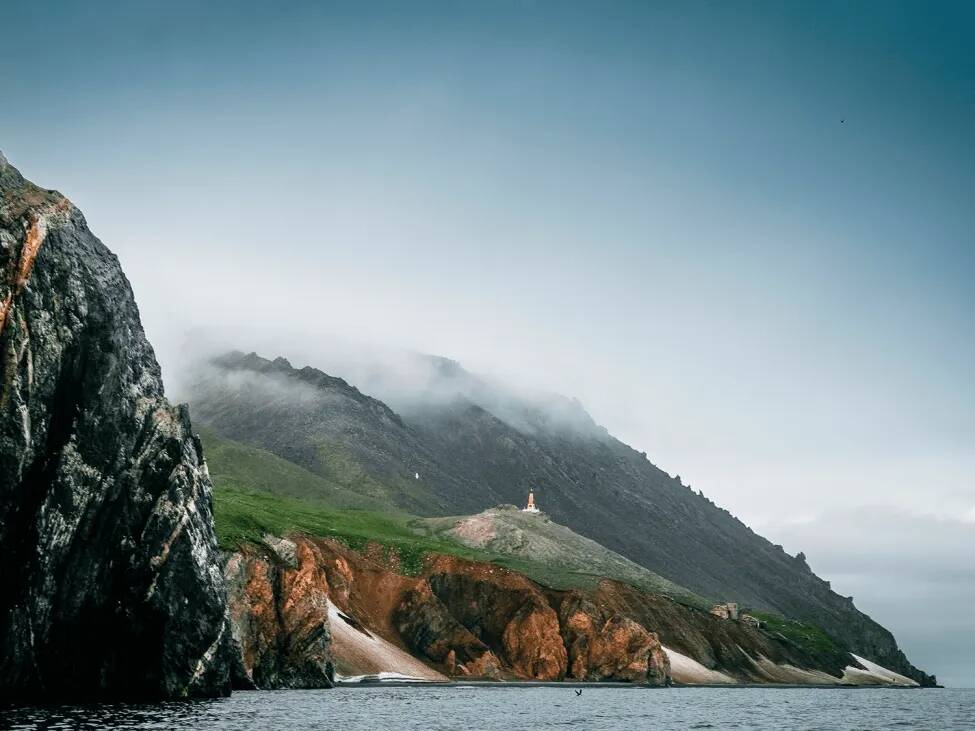
Cape Dezhnev — the easternmost point of Eurasia
© Marina Shumakova
The easternmost point of Russia and the Eurasian continent is Cape Dezhnev. This dramatic flat-topped cliff on the Chukotka Peninsula stretches into the Bering Strait like a giant stone wedge. Russia’s southernmost point has no official name. It lies in the mountains of Dagestan on the border with Azerbaijan, near Mount Bazardüzü and Mount Ragdan.
If you are drawn to challenging journeys, explore our collection of expeditions. If you have any questions or need help choosing a tour, call us at +7 (495) 104-64-36 or write to us at hello@russiadiscovery.ru.
Contributors
Angela Kolentsionok
Author
Yulia Ilnitskaya
Literary Editor
Ira Moskvitina
Executive Editor
Ezhena Bykova
Proofreader
Maria Potapova
Translator
Notice an error or inaccuracy?
Write to usSee also
All articles