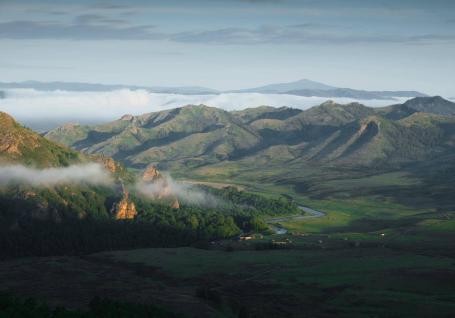
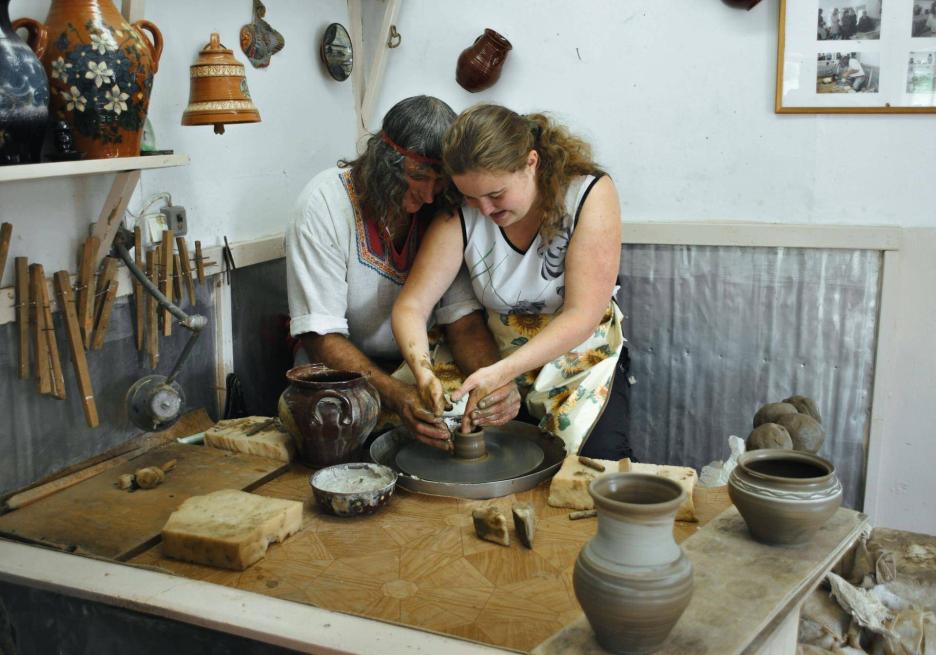
For most people, Siberia remains a mysterious and inaccessible land. The main reason is a lack of information. Traveling on the Great Sayan Ring will raise the veil of mystery, and everything you see will remain in your memory for a long time.
Traveling 2500 km along the Great Sayan Ring, you will visit three regions with distinct landscapes, cuisine, and traditions: Krasnoyarsk Krai, Tuva, and Khakassia. You will experience Siberia by staying in yurts and traditional peasant homesteads.
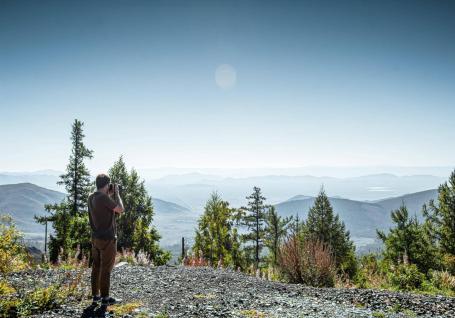
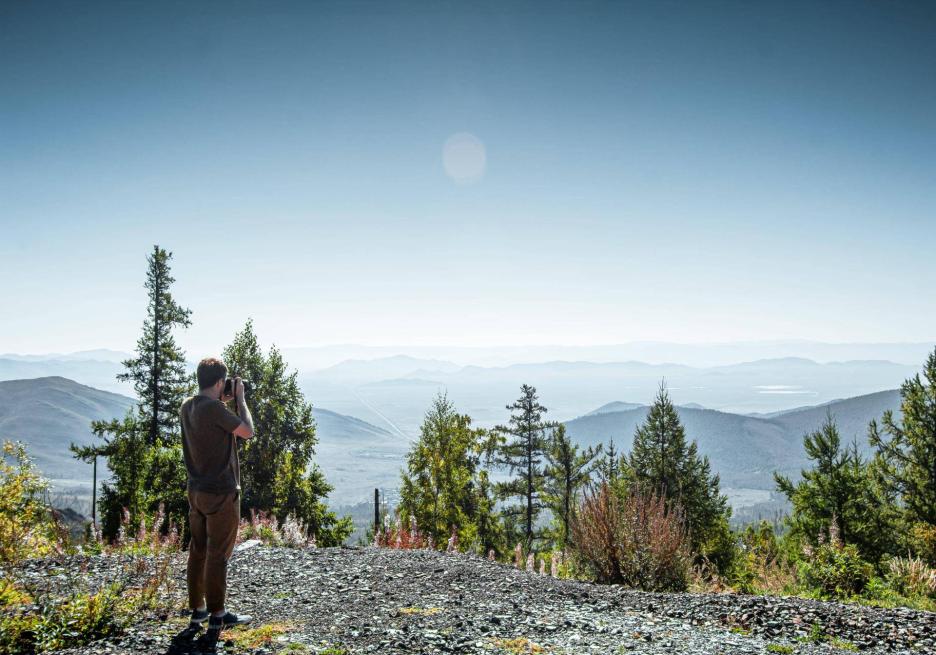
The program includes numerous excursions: ethnographic museums and scenic viewpoints with breathtaking panoramas, the vast Tuva steppes and the enchanting cedar taiga of Khakassia, archaeological sites and ancient pagan power places. In the evenings, you will sample national cuisine and enjoy performances by folk ensembles.
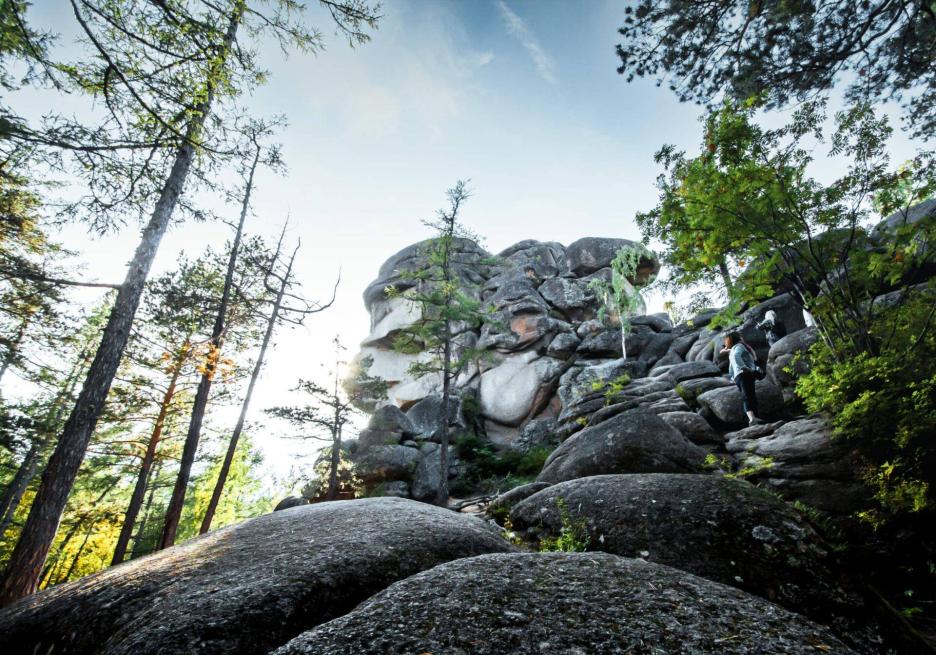
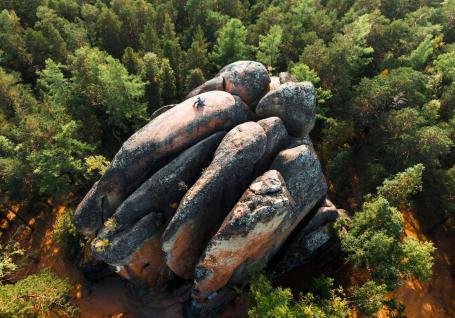
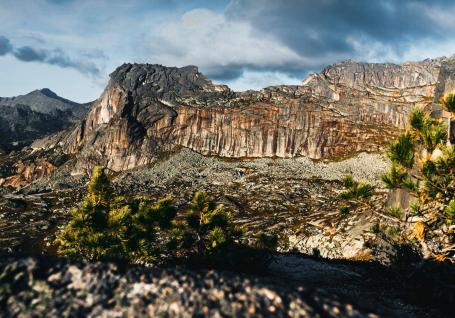
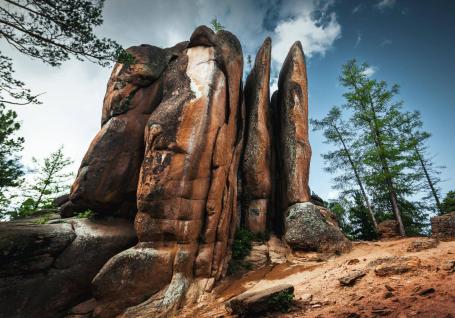
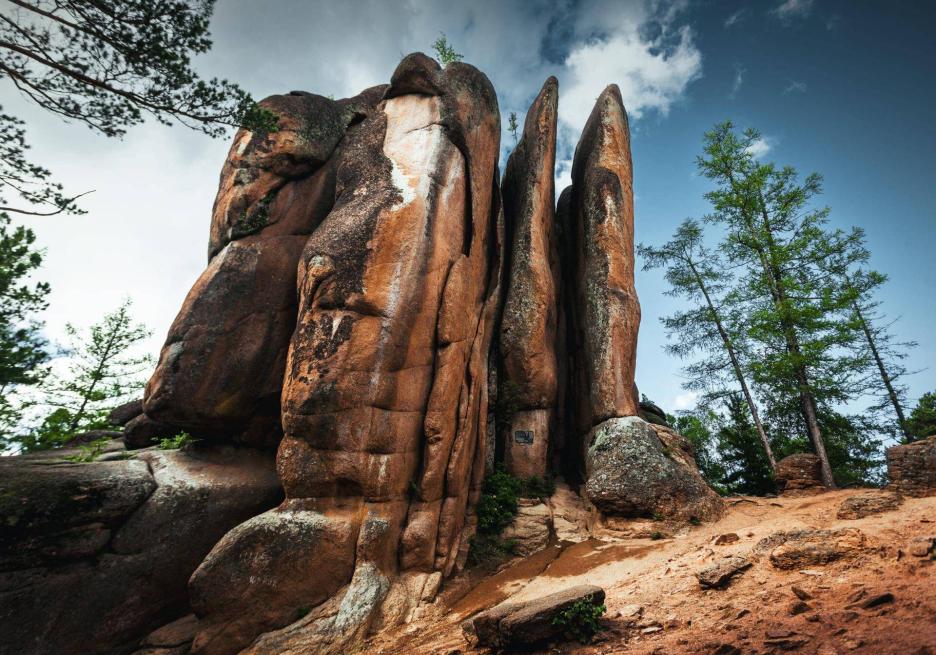
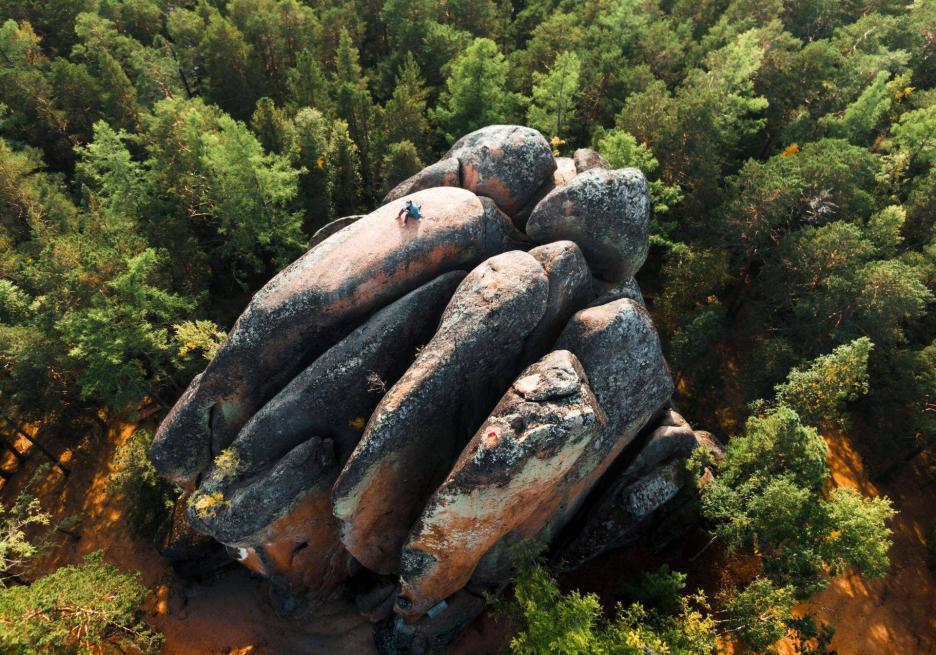
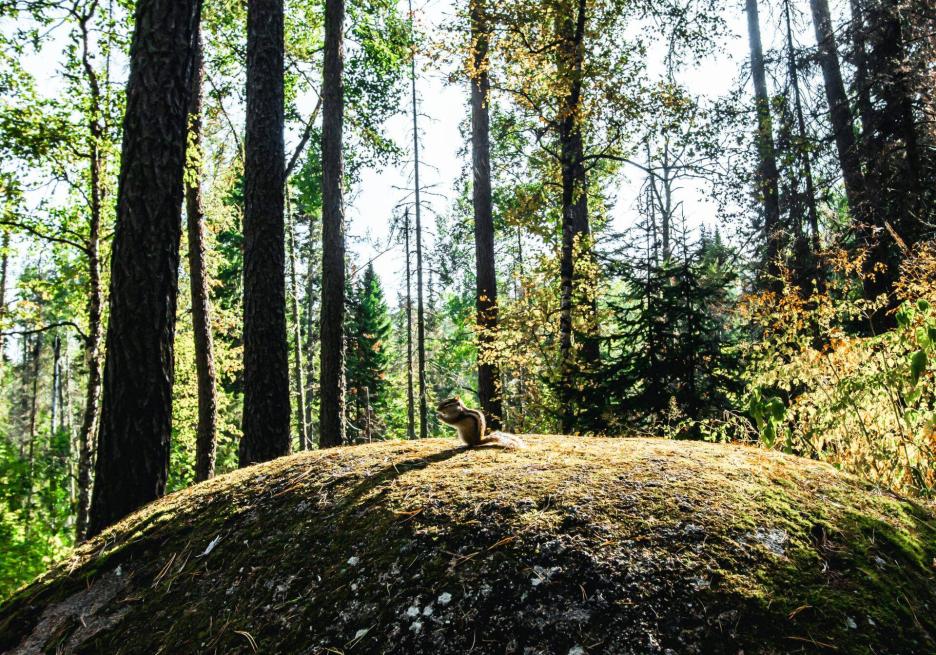
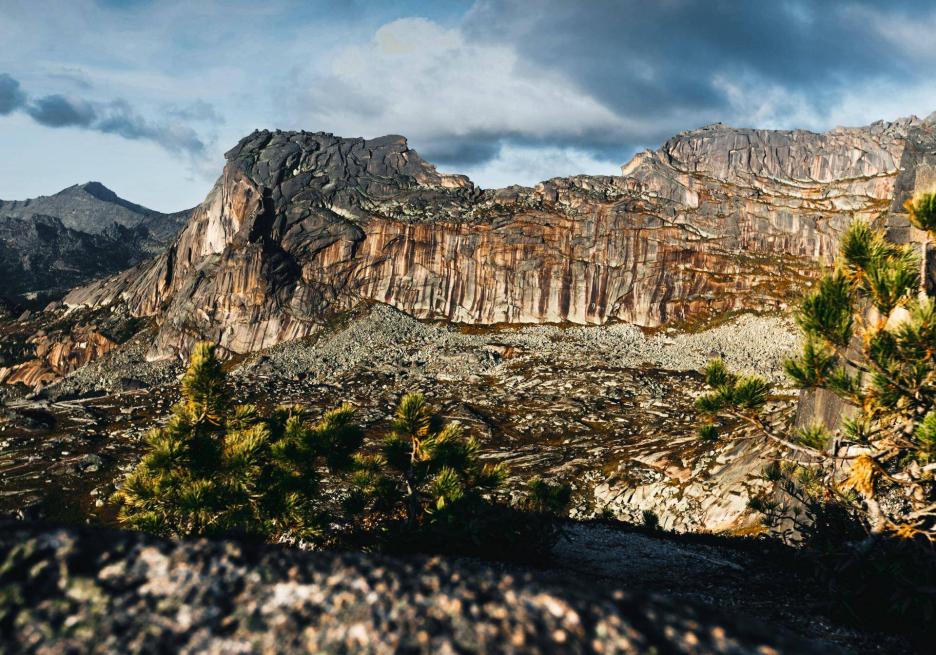
You will walk among unique rock formations (stone remnants) in the "Krasnoyarsk Stolby" National Park
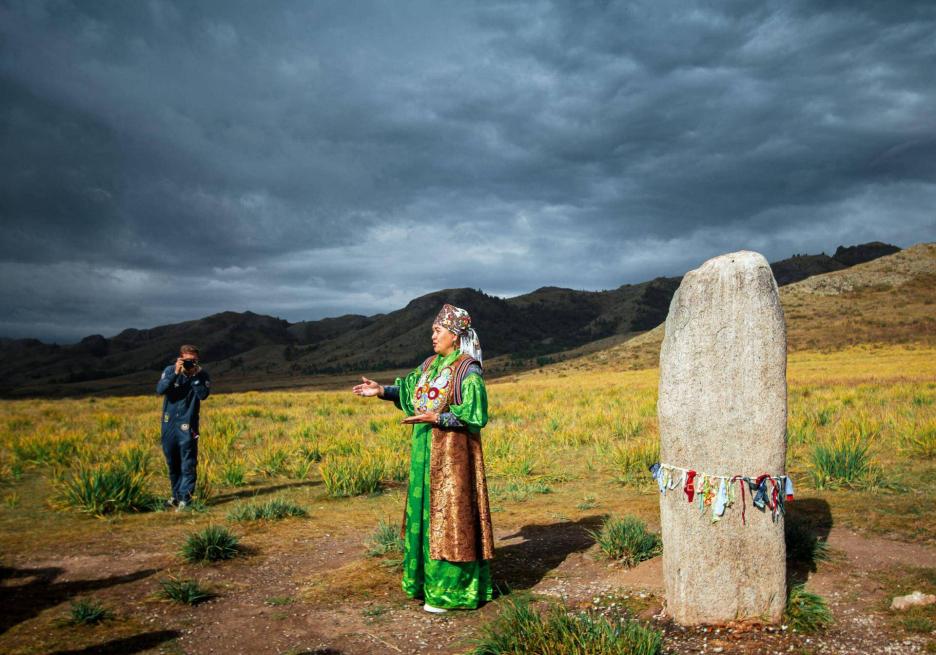
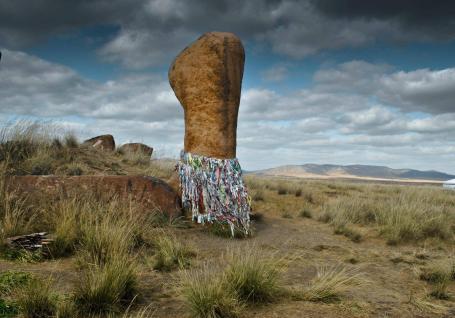
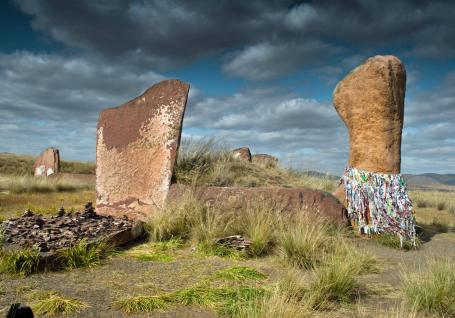
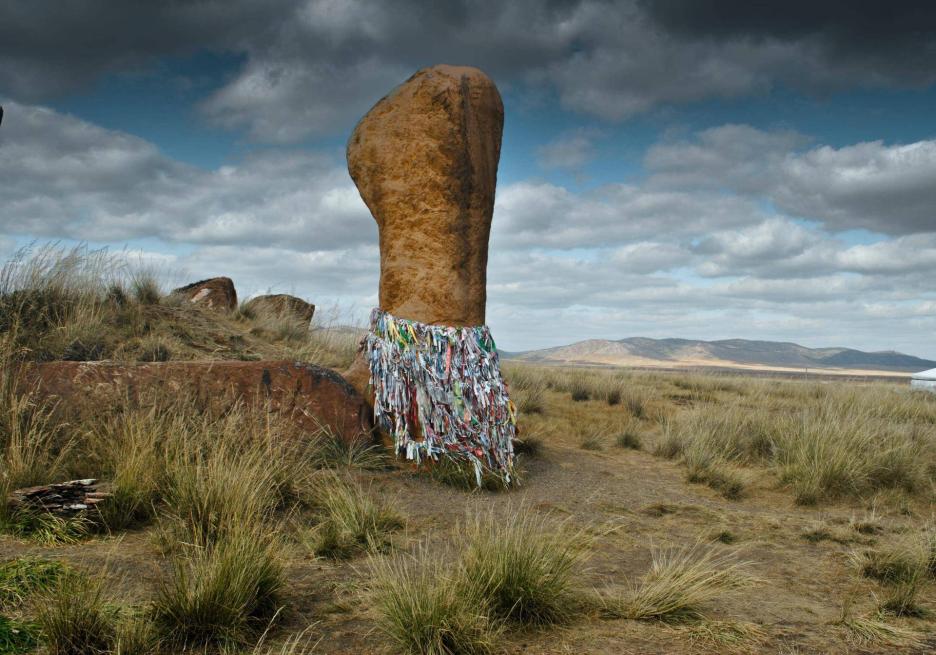
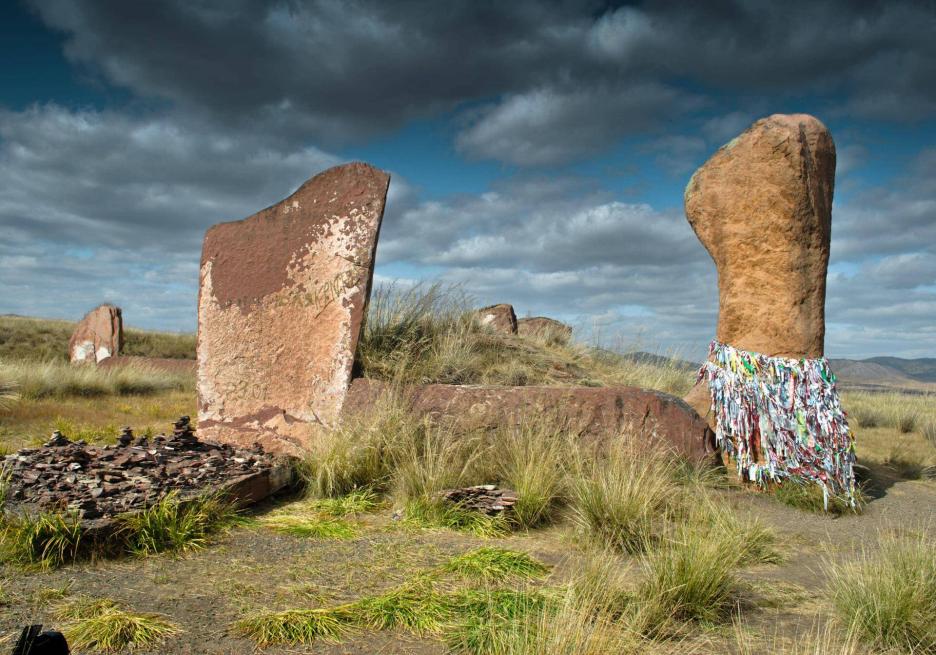
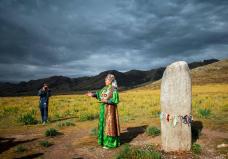
In the Khakassian Valley of the Kings, you will see ancient burial mounds and sacred megalithic stones — menhirs
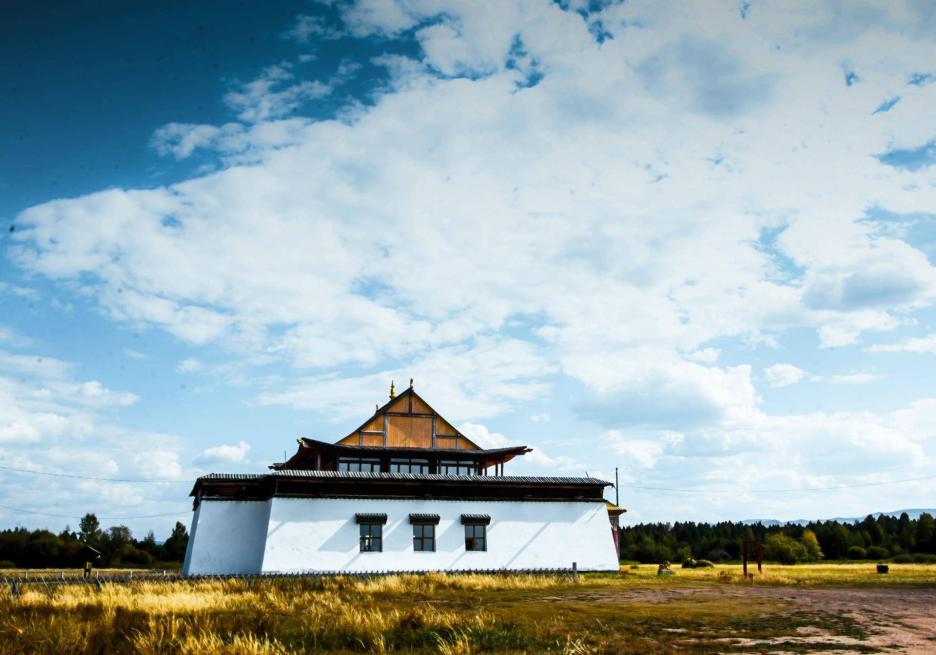
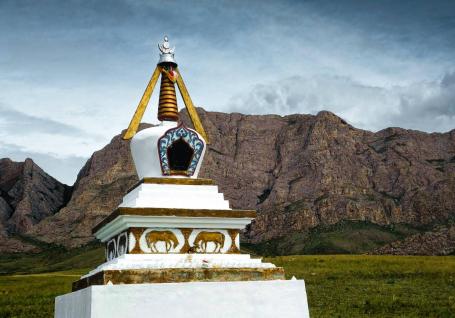
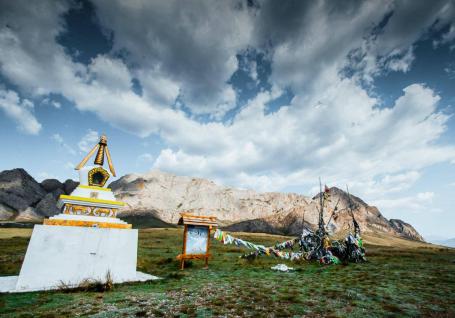
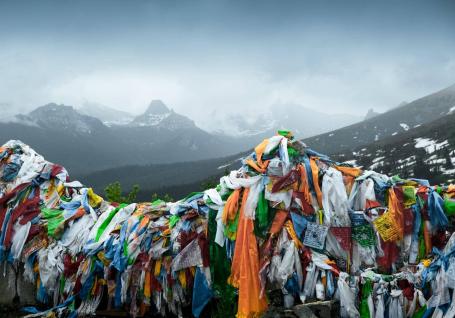
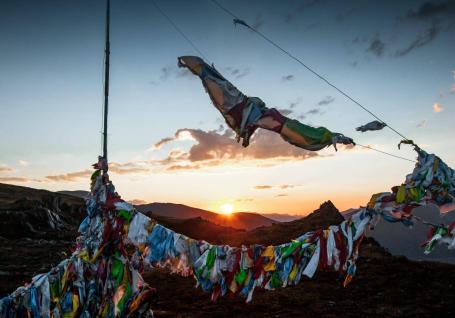
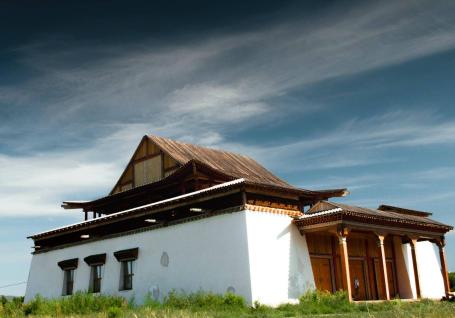
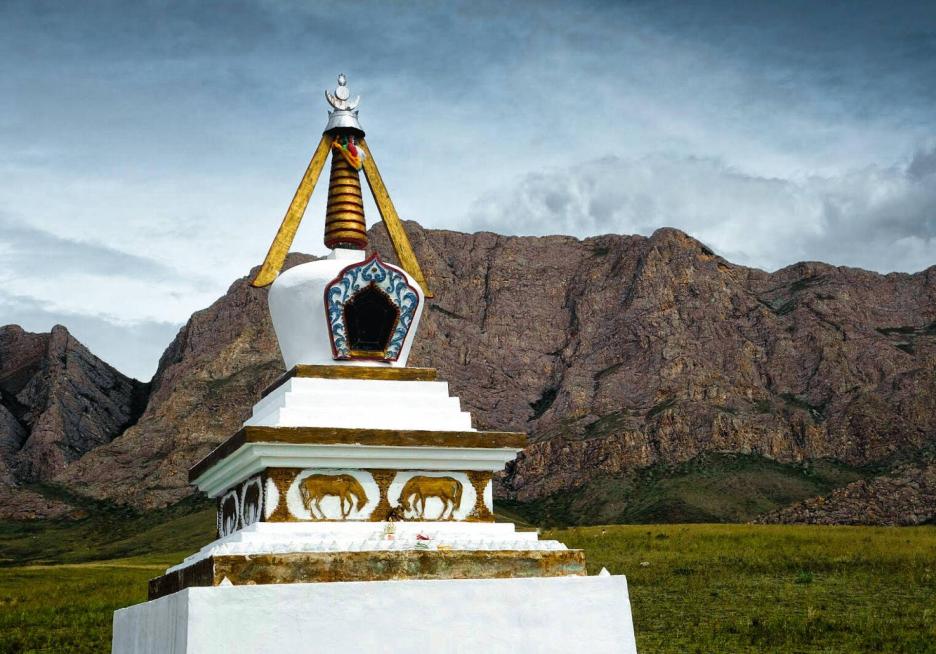
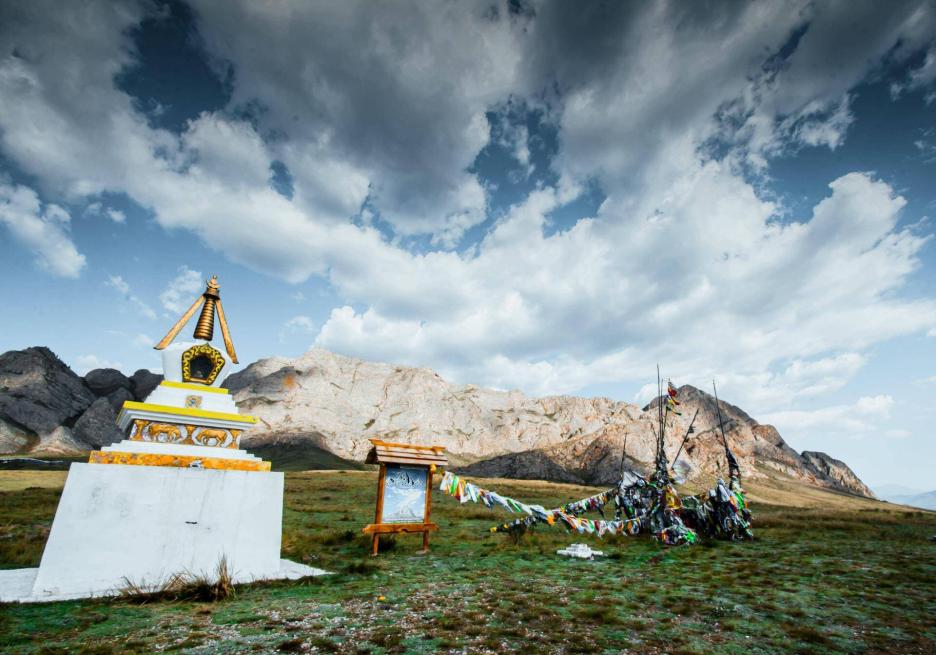
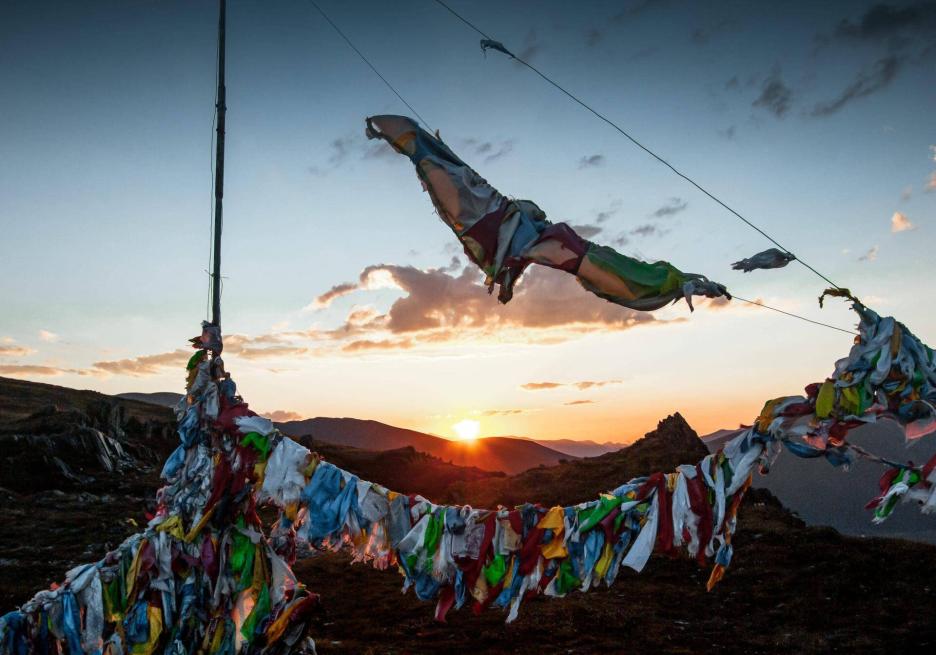
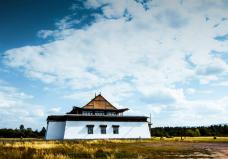
You will see the sacred sites of Tuva — Mount Khyyrakan, consecrated by the Dalai Lama, and the Ustuu-Khuree Buddhist Monastery
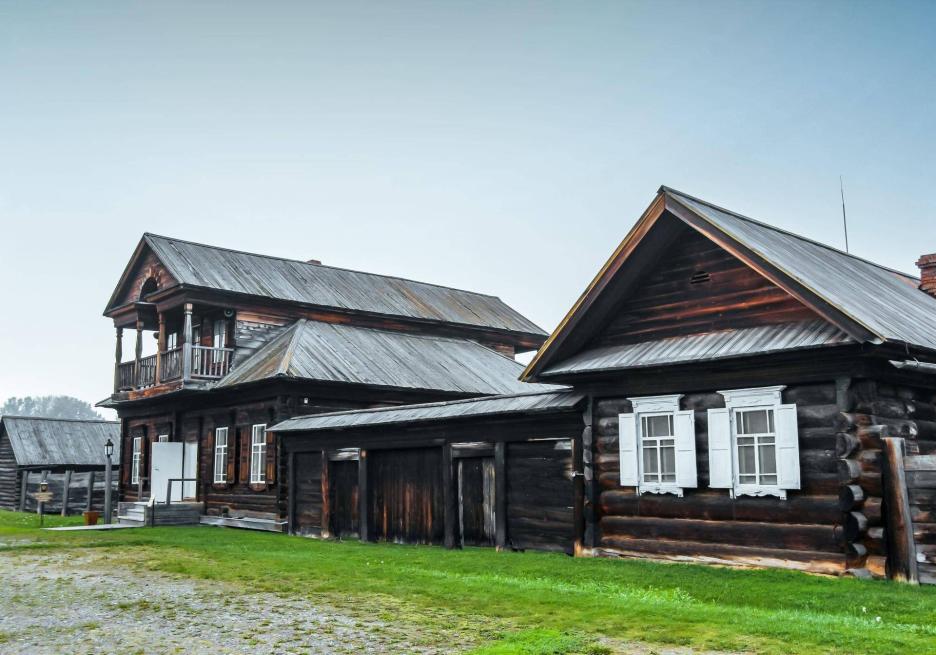
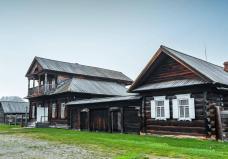
You will visit the "Shushenskoye" Museum and learn what a Siberian village looked like at the beginning of the last century
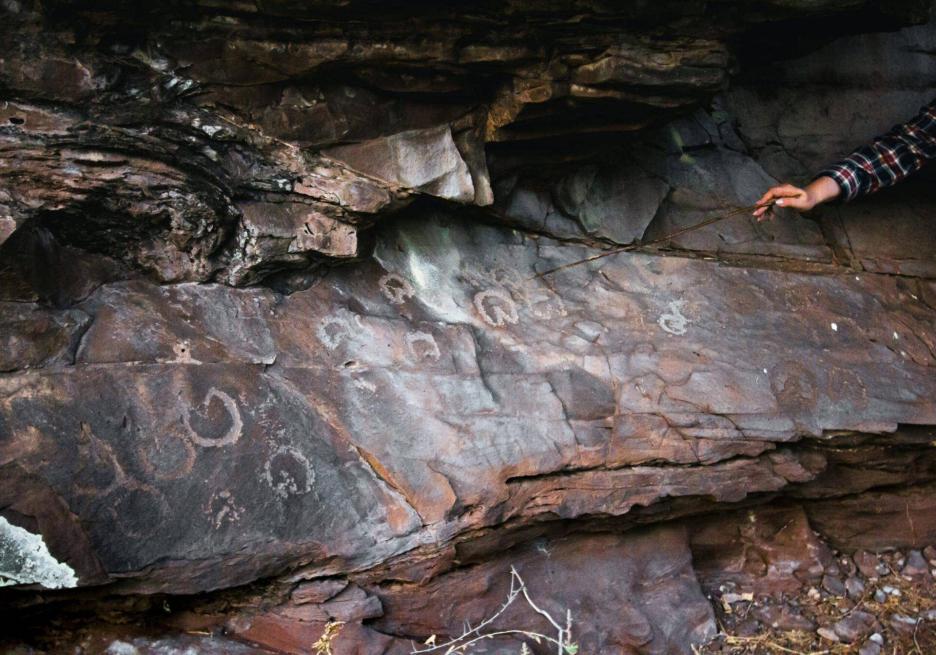
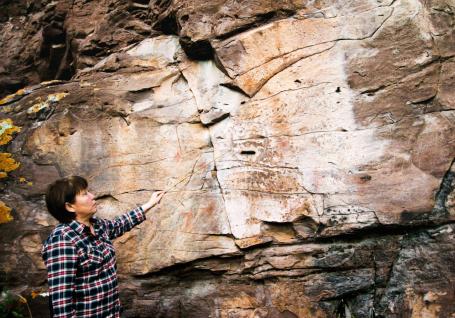
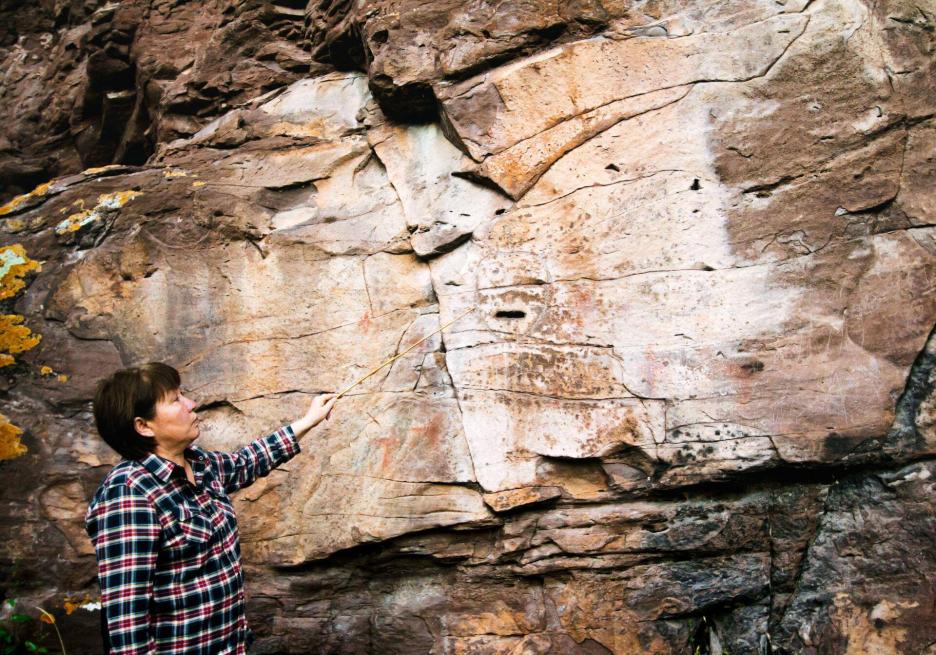
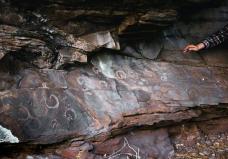
You will visit active archaeological excavations and see 5,000-year-old rock carvings
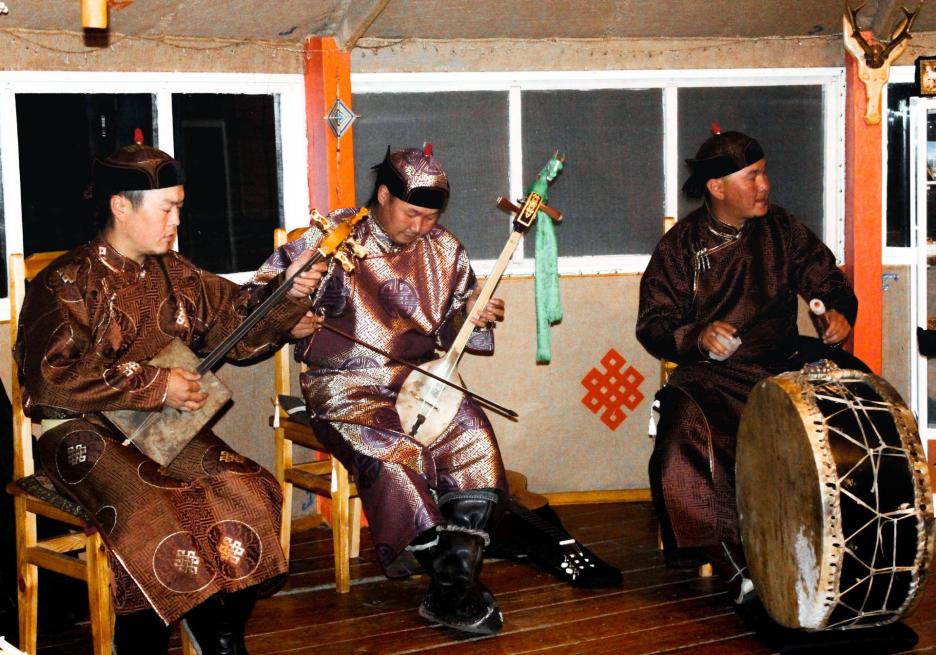
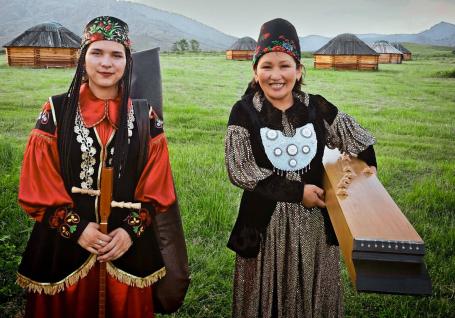
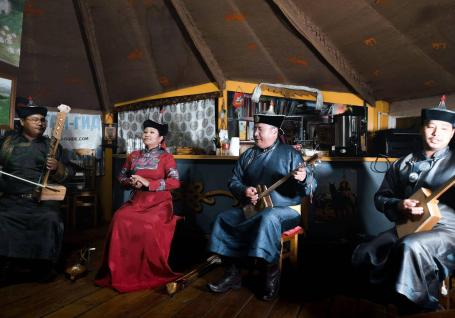
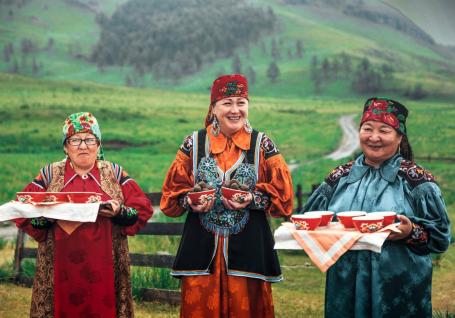
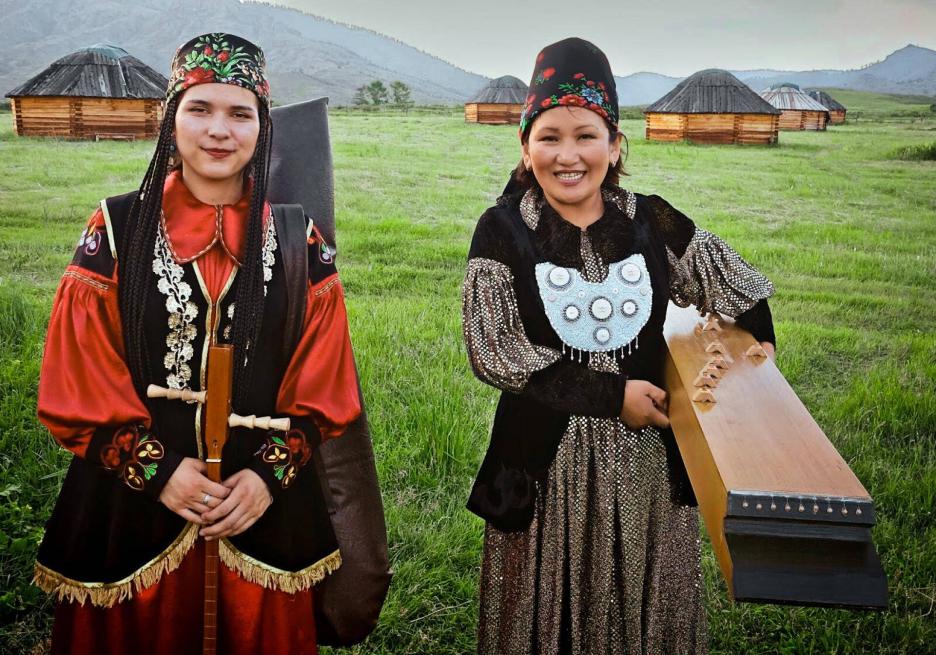
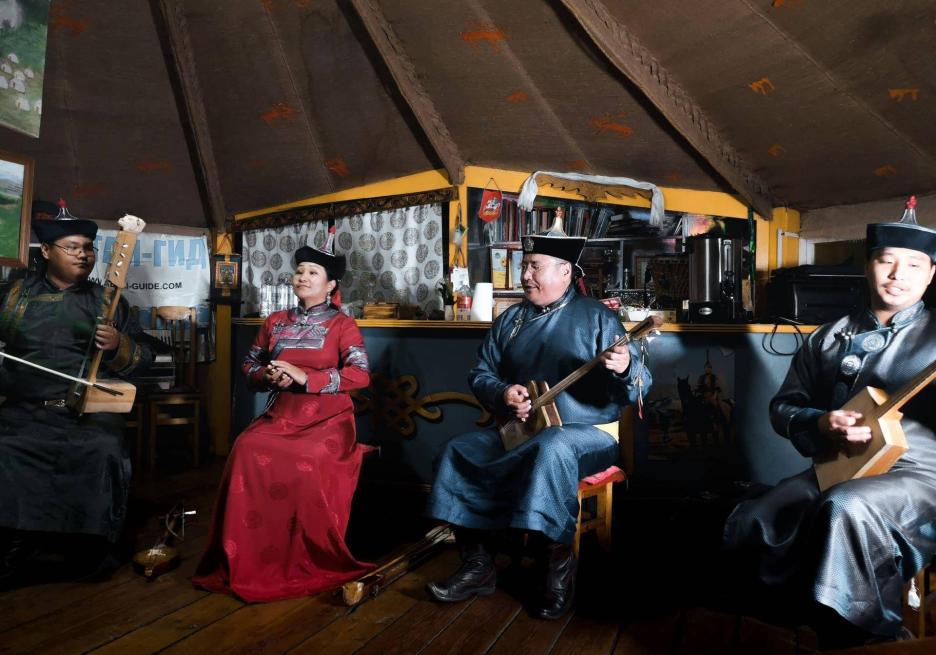
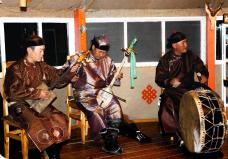
You will listen to Tuvan throat singing (khöömei) and a performance by a national Khakass ensemble
You will be met in Krasnoyarsk and transferred to a hotel. After having a rest you will go on the tour of the symbols of Krasnoyarsk — the Paraskeva Pyatnitsa chapel situated on the Karaulnaya mountain. From here you can enjoy a picturesque view of the city, of the river Yenisei, of the surrounding mountains and the nature reserve Stolby. You will pass the historical part of the town with its monuments from the 18th-19th centuries and the former mansions of Siberian merchants and patrons. You will also see the Annunciation Cathedral, the Theatre Square, and more.
Then you will visit the Ethnographical Museum which is considered to be among the best historical and ethnographical museums in Siberia. Here you will find out what places are you going to see on the Sayan ring.
After lunch, you will go to the natural reserve Stolby, where you will see the famous Krasnoyarsk syenite stone outliers. You will learn about the history of the reserve and could take photos of the unique natural masterpieces. Returned to the city, you would have dinner in the restaurant and go to the hotel.
The route length: 80 km by bus.
Today you will travel to the South through the city of Divnogorsk. The road will go along one of the biggest dams in the world — the Krasnoyarsk Hydroelectric power station.
You will have lunch in Abakan, the capital city of Khakassia Republic. Afterwards, you will visit the Sayano-Shushenskaya Hydroelectric Power Station (a tour with an external viewing of the facility), followed by a transfer to the village of Shushenskoye.
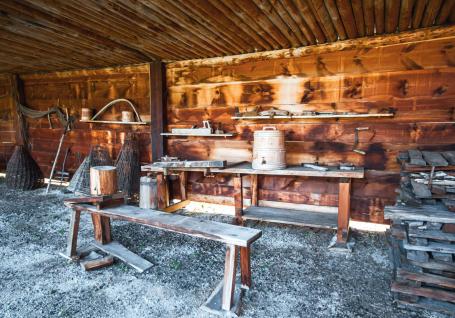
You will spend the night in the guesthouses of the museum Shushenskoye. It still keeps the customs and traditions of the Siberian village of the late 19th century, with its streets and houses, and will help you feel the atmosphere of country life.
The route length: 620 km by bus.
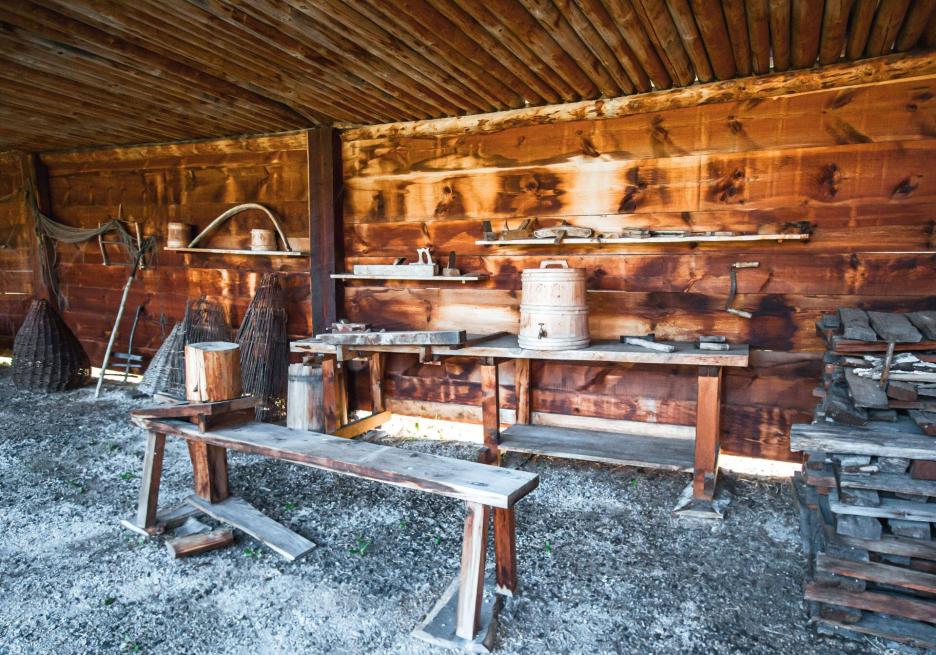
The day begins with an excursion in the ethnographical museum Shushenskoye that will bring you to a real Siberian village of the 19th-20th centuries. There are about 200 wooden buildings: farmhouses, a commercial shop, a jail, a tavern, etc. A visit to a real tavern will bring everybody another surprise, you can see handicrafts and go to the shop of a merchant.
After lunch, you will continue the way towards Tuva across the West Sayan mountains. You will see the host of this territory, the Sleeping Sayan warrior, if you look attentively at the contours of the mountain. The legend says that one day the Khakassian warrior Sayan fell asleep here. He can be seen now lying on the back with folded arms.
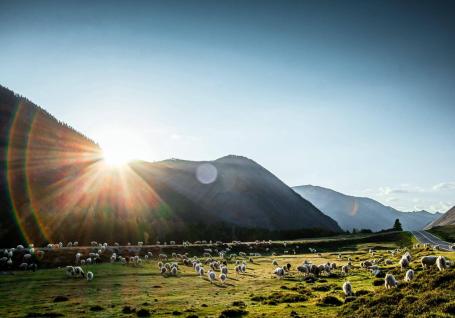
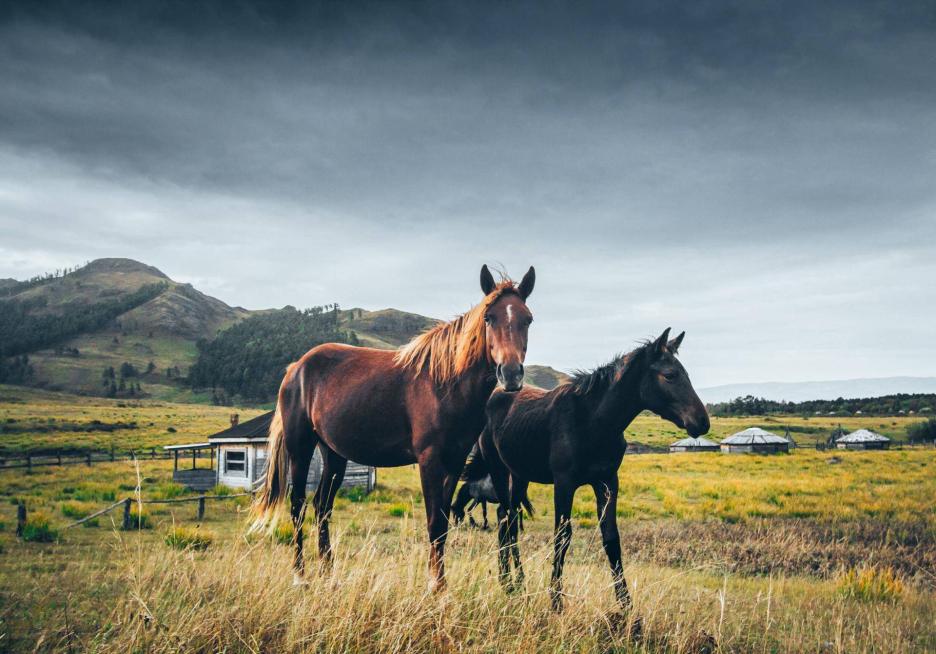
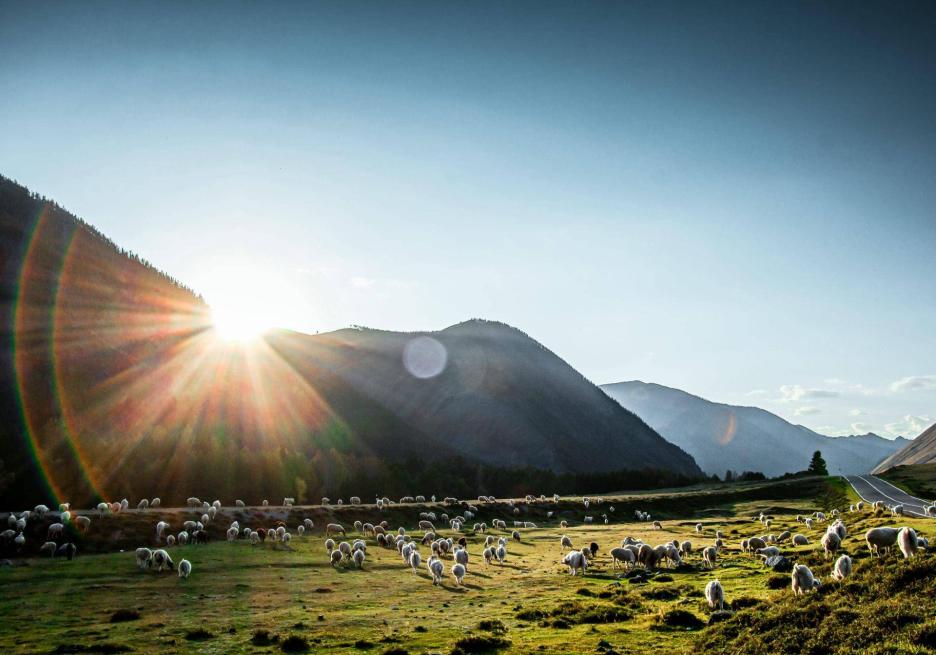
The road to Tuva runs along the famous Ergaki nature park. Closer to the evening you will come to Tuva. There are almost no signs of civilization on most parts of Tuva territory; steppes and sharp mountains cover hundreds of kilometers. You will make a stop at the 3* hotel at Kyzyl city - the capital of Tuva.
The route length: 350 km by bus.
The place of this day is Kyzyl, the capital of Tuva. This city is situated in the place where the Biy-Khem (the Big Yenisei) and the Kaa-Khem (the Small Yenisei) unite their waters and give life to the great river Yenisei.
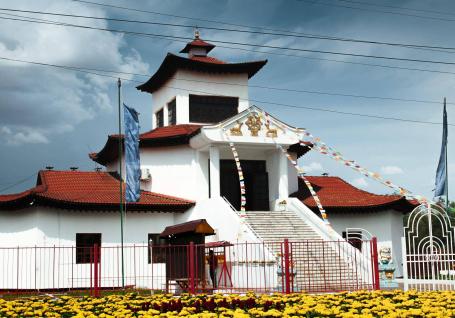
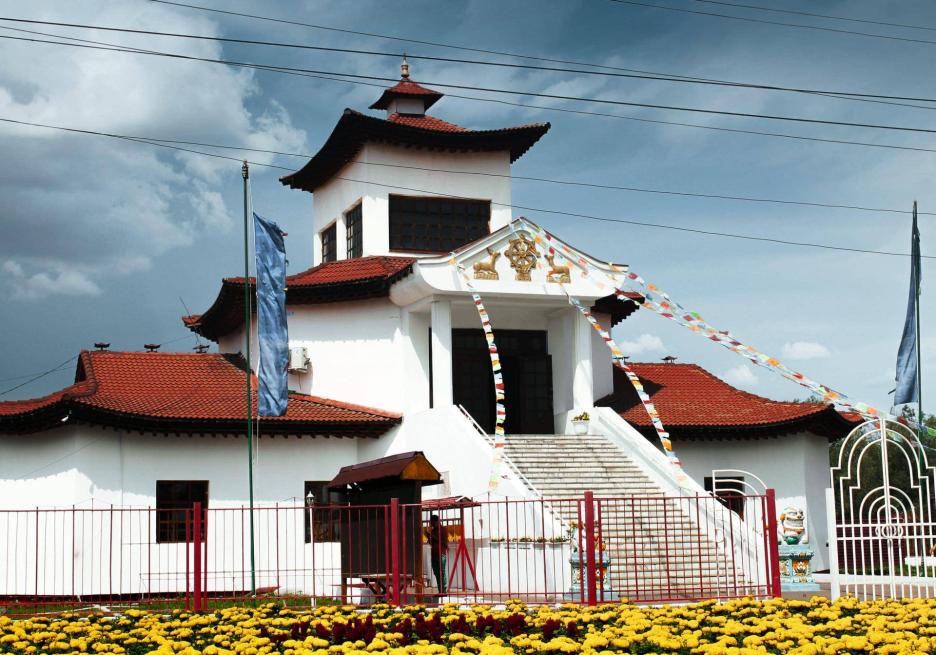
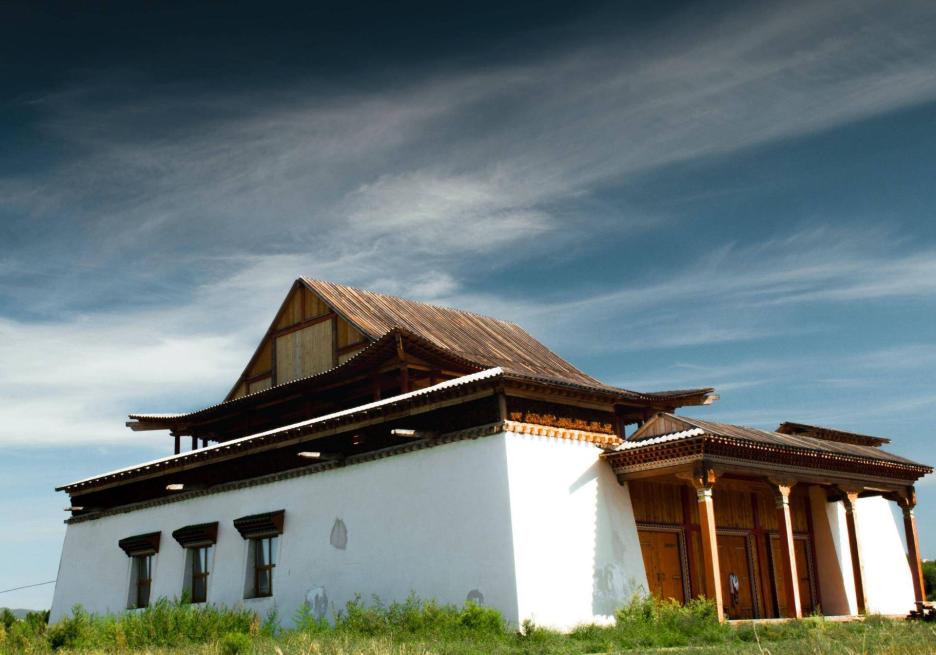
The next place of visiting is the Buddhist temple "Thubten Shedrub Ling".
After lunch, the group will visit the National Museum of Tuva (exhibition Scythian gold). The excursion is dedicated to the famous Arzhaan-2 burial mound, excavations of which were carried out in 2000-2003 by Hermitage specialists in cooperation with the German Archaeological Institute. The treasures found in the burial mound (more than 20 kg of gold items) became a real sensation in the archaeological world.
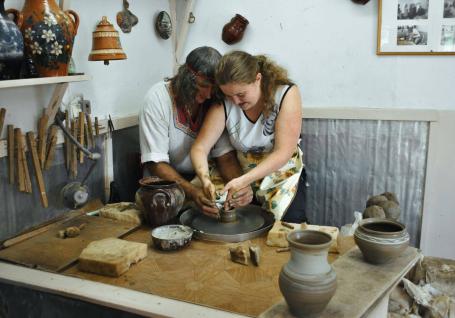
During having free time in Kyzyl, you will visit a local market and the mineral spring near Kyzyl. Then you can meet with the local handicraftsmen who will share the secrets of making shamanic drums, yurts, utensils, jewelry.
After dinner with meals of national cuisine you will see the performance with the traditional throat singing – khoomei.
Throat singing is a fantastical capability of the Tuva people (and some other Siberian nationalities) to emit simultaneously two or three sounds of different tone and to sustain the same sound for 25-30 seconds without taking a breath. If you close your eyes, it is hard to believe that the sounds are emitted by a person and not by a musical instrument.
The route length: 20 km by bus.
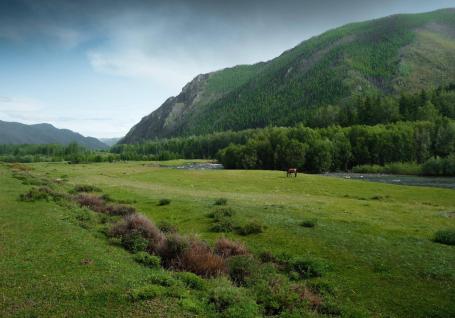
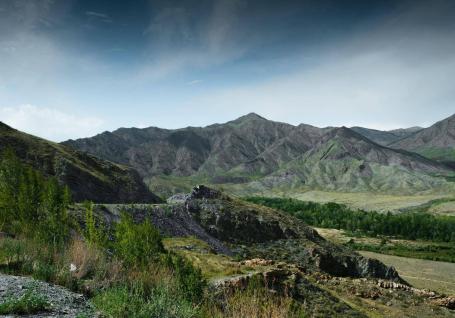
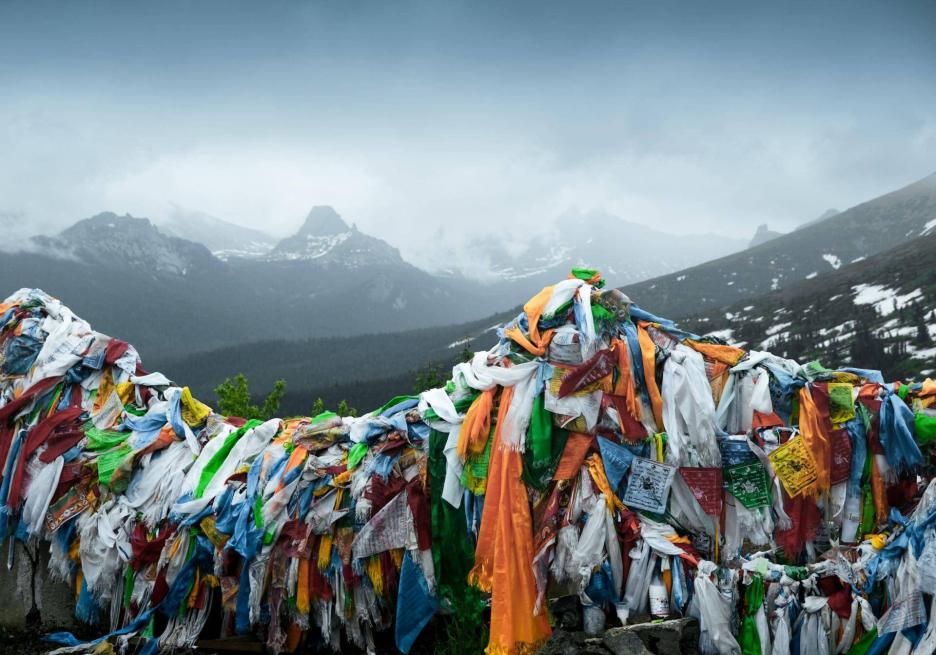
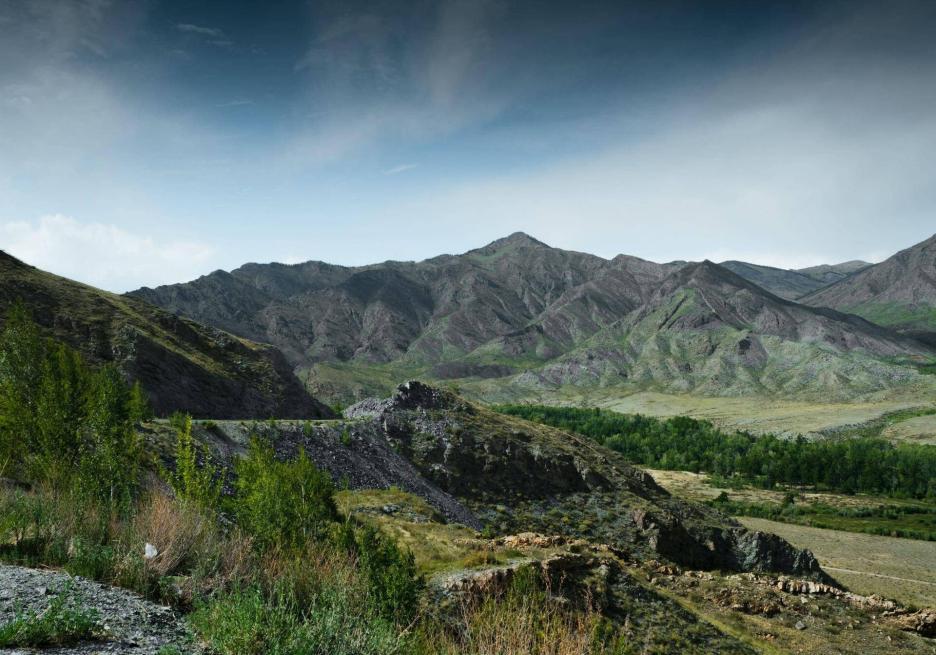
You will cross Tuva from the east to the west and reach Khakassia. You will have a stop near the breathtaking mountain Khairykan — one of the most respected places in Tuva.
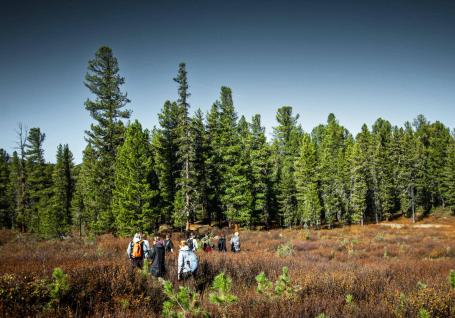
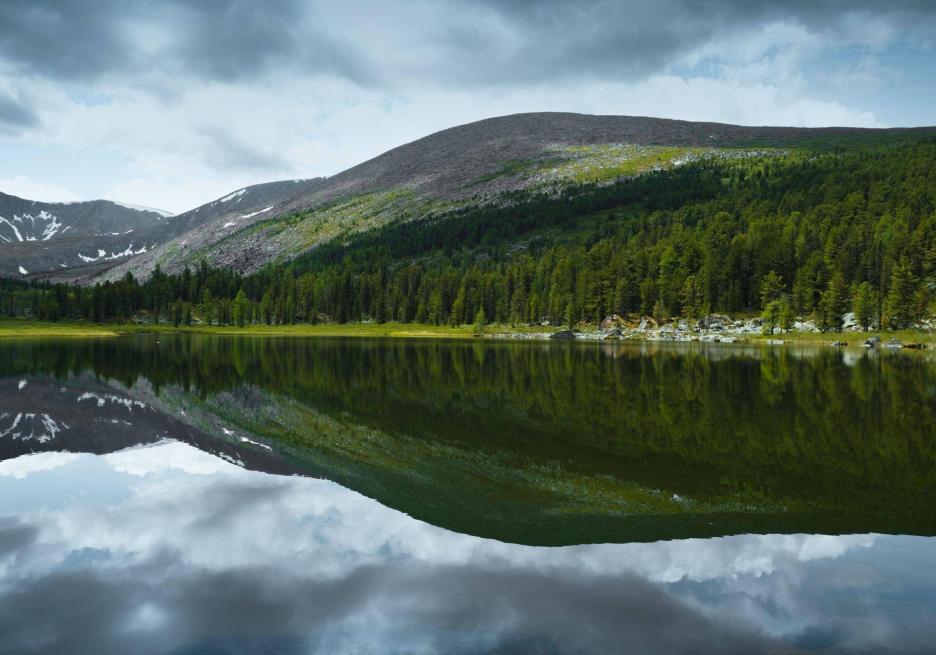
On the way, you will see the center of Buddhist culture, a ruined temple Ustuu-Khuree. The temple was the crowning of Buddhist construction in Tuva. Khakassia begins after the Sayan pass, at a height of 2214 meters. The mountains here are covered with fabulous cedar taiga.
You will arrive at the Snow leopard base, have dinner and get acquainted with the instructors of the base, who know all the surrounding taiga trails and healing Siberian herbs.
The route length: 440 km by bus.
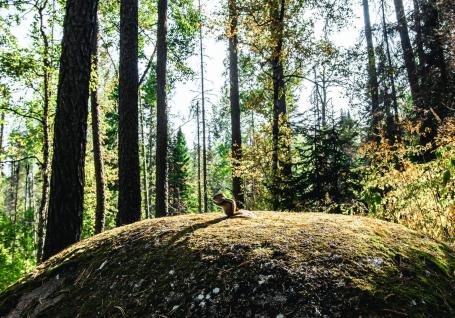
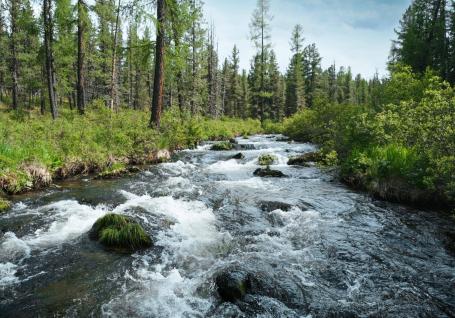
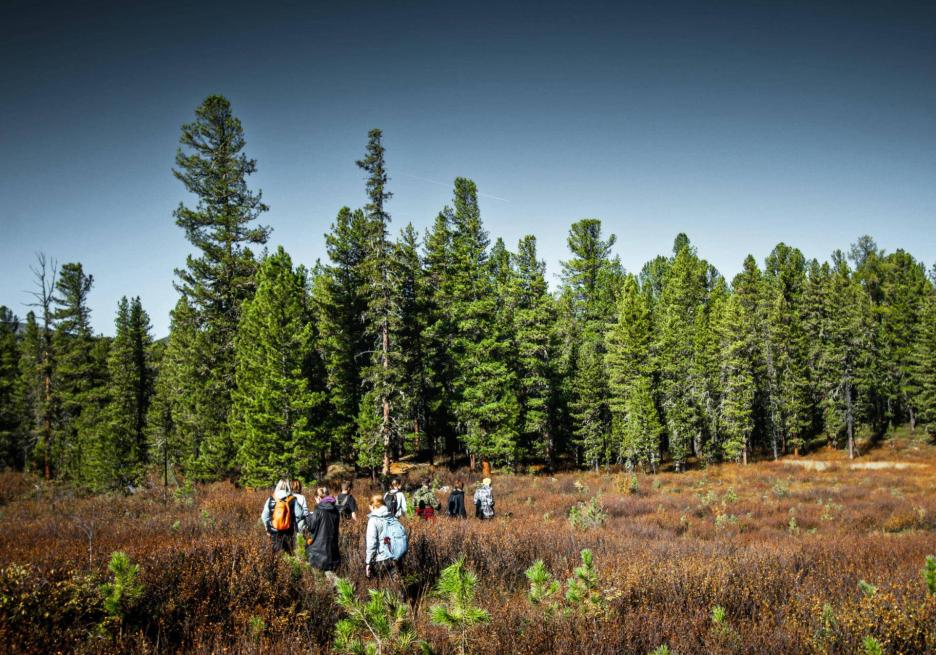
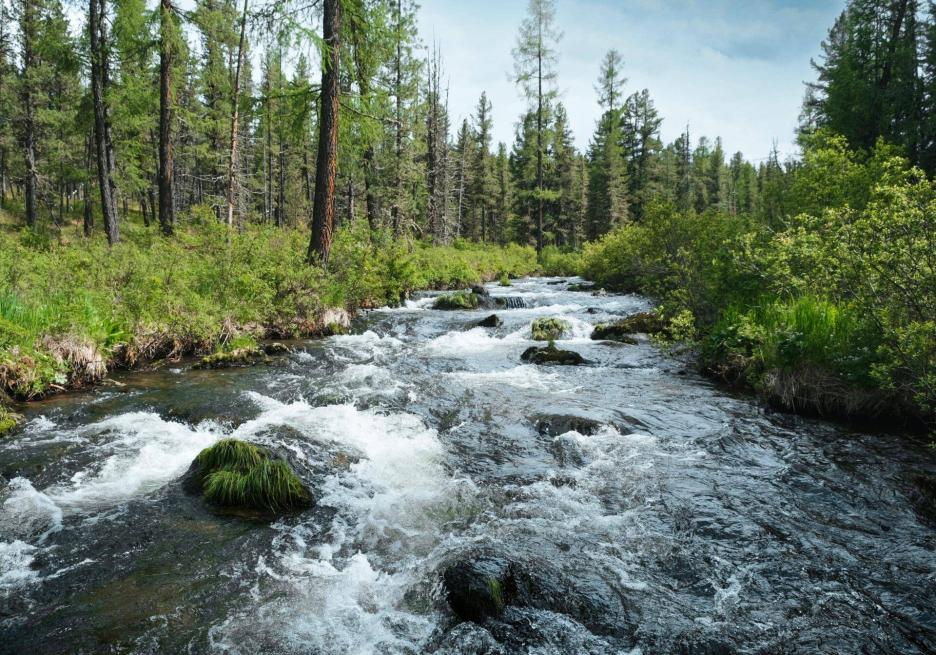
After breakfast, you will have a walk around the area to the hanging bridge named "Bridge of love" (2 km one way, 2.5 hours). It is laid through the high-mountain river surrounded by centuries-old cedar taiga. You can pick mushrooms and berries which you don't even need to look for — they are just under your feet. You will also have a chance to eat cedar nuts.
After lunch, you will leave taiga and head to the heart of Khakassia – the Kazanovka village.
The ancient land of Khakassia boasts a concentration of archaeological sites that surpasses all of Siberia, if not all of Russia. Here, right by the road, you can see rock paintings depicting sacred rituals, burial mounds and stone statues still revered by locals. Along the way, you'll visit the Khurtuyakh Tas stele – "stone mother," as the locals like to call it.
At dinnertime, you'll arrive in the Kyug Valley, which means "pleasure" in Khakass.
The tranquility of the Khakass valley offers a true spiritual respite and the fragrance of the beautiful irises will invigorate you.
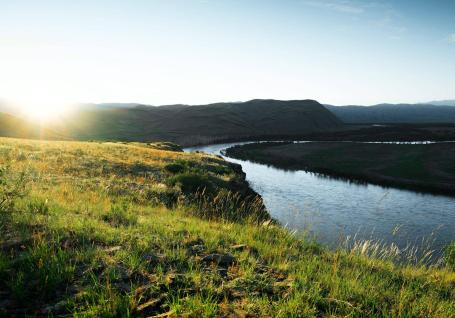
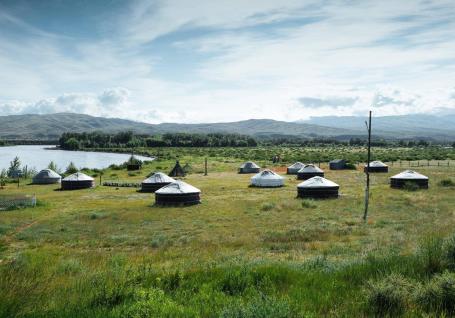
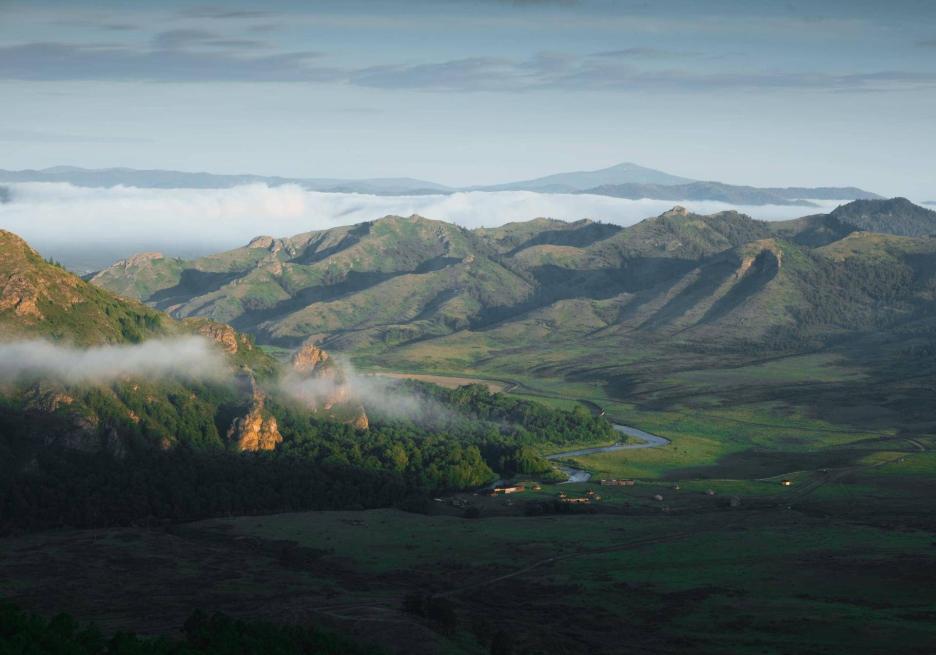
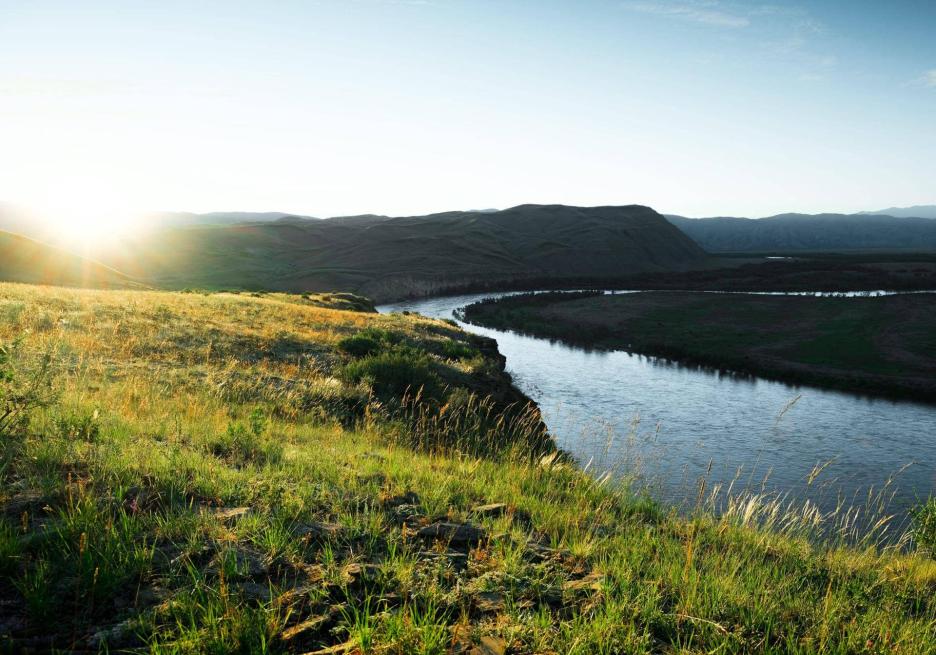
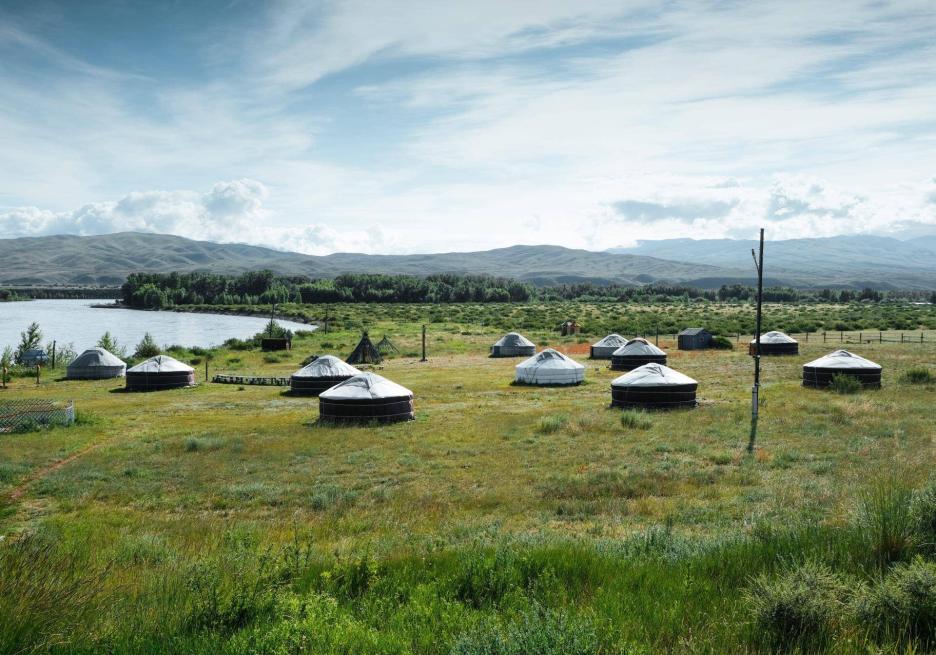
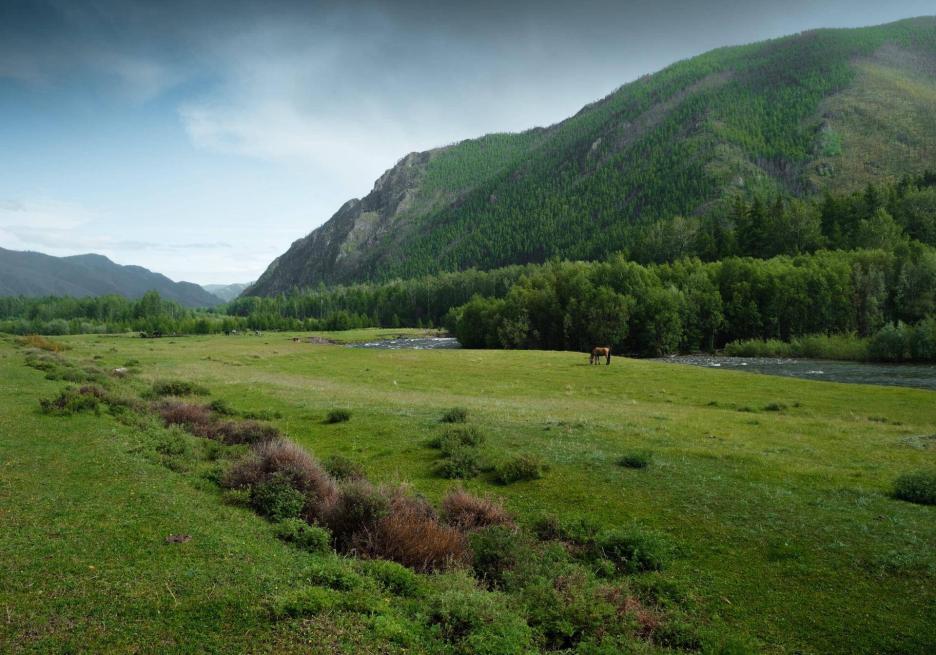
The yurt camp where the group will be staying is located on the banks of the small Askiz River between the Altai and Sayan mountains.
The route length: 242 km by bus, 4 km on foot.
After breakfast you will have a tour of the Khakassian State Archaeological Museum-Reserve "Kazanovka".
The reserve was founded 15 years ago by Leonid Eremin, a historian, archaeologist, and simply a passionate person who truly loves Khakassia. "Kazanovka" is a model for the appreciation of historical and cultural heritage, a brand sought after by scholars and tourists from all over the world.
You'll be shown rock paintings dating back 3,000 to 5,000 years, taught how to copy them onto paper, and you can take these rare souvenirs home. You'll also learn the purpose of the mysterious vertical stones protruding from the ground throughout Khakassia.
Lunch at the base.
After lunch we'll continue our exploration of Khakassia's archaeology.
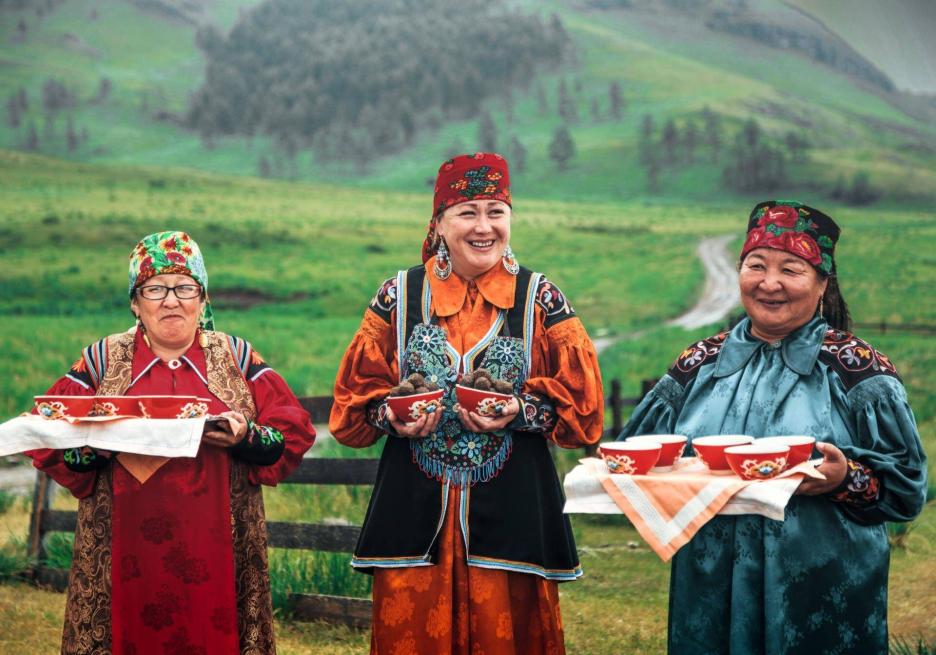
In the evening we'll enjoy a dinner featuring Khakassian national cuisine and a performance by a Khakassian national folklore ensemble.
The route length: 15 km.
After breakfast, you will go to the capital of Khakassia – Abakan.
During a tour of the city, you visit the Khakass national local history museum, where a unique collection of stone statues – the heritage of ancient cults is exhibited.
In the evening you will accommodate at Asia Hotel, have dinner and relax.
The route length: 160 km.
Today you will go to the Valley of Kings. There are 30 burial hills in this valley that date back to the 3rd-4th century B.C. The largest hill is named the Great Salbyk burial mound. The hill's circumference is 500 m, its height is more than 11 meters. The total weight of vertical stones is approximately 60 tons. Many think that this is a place where shamans enrich their power.
You will have lunch outdoors, after that you will go back to Krasnoyarsk. Upon arrival in the city, you will stay at the hotel and have dinner in the restaurant.
The route length: 450 km by bus.
In the morning you will be brought to the airport or the train station.
The route length: 50 km by bus.
Located in the city center, on the banks of the Yenisei River. You will stay in twin rooms with either a double bed or two single beds, featuring a private bathroom, air conditioning, TV, refrigerator, and electric kettle. On-site amenities include a cafe, bars, a beauty salon, a sauna with a swimming pool, nightclubs, a laundry, and a children's playroom.
Mobile reception and Wi-Fi are available.


The homesteads are recreated to preserve the cultural styles of the Angara region and the south of Krasnoyarsk Krai. You will stay in twin rooms with two single beds, a private bathroom, and air conditioning. The house has a shared kitchen area, and on the grounds, there is a banya (Russian sauna).
Mobile reception and Wi-Fi are available.


Located in Kyzyl. You will stay in standard twin rooms with either a double bed or two single beds, a private bathroom, and air conditioning. On-site amenities include a restaurant and a fitness center.
Mobile reception and Wi-Fi are available.


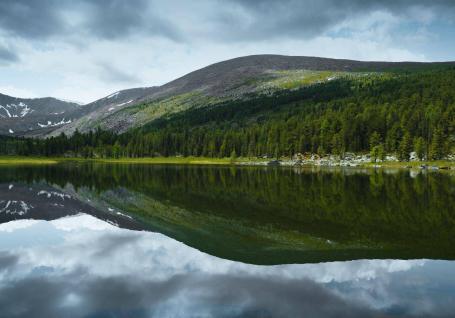
Located in the taiga, surrounded by the mountains of the Western Sayan. You will stay in wooden cabins with stove heating, equipped with either a double bed, two single beds, or bunk beds, a toilet, and a washbasin. On-site facilities include a bar, billiards, a cafe, a sports ground, a summer shower, and a Russian banya with a steam room on the bank of a mountain river.


Located on the bank of the Askiz River at the foot of the mountains. You will stay in a twin wooden yurt with wooden beds, a small wardrobe, a bedside table, a luggage stand, a washstand, and a sink. On-site amenities include a dining hall, permanent toilets, and shower cabins.
Mobile reception is available.


Located in Abakan. You will stay in twin rooms with either a double bed or two single beds, featuring a private bathroom, air conditioning, TV, and refrigerator. On-site restaurants serve European and Pan-Asian cuisine.
Mobile reception and Wi-Fi are available.


Active tours. You don’t have to be a sportsman, but you need to be strong enough to ride a snowmobile or go hiking in the mountains.
The tour price includes full three meals a day at hotels, yurt camps, and tourist bases. On the routes, you will also have hot snacks with tea and coffee. During the journey, you will sample various dishes of the national cuisine and local beverages.
Alcoholic beverages are not included in the program cost. If you have any special dietary preferences or food allergies, please inform us when booking the tour.
Our tour is organized by comfortable minivans, minibuses (Ford Transit, Mercedes Sprinter) or large buses depending on the number of people in the group. The final decision, what kind of bus to choose, is made upon the group's formation, usually 10 days before the tour start.
In every bus there is an air conditioning system, audio and video system. Each day we cover a distance of approximately 400-450 km. Every 1,5-2 hours we make stops, that's why the journey does not seem very tiresome. There are days included in the program when tourists stay at camps and do not travel by bus. It is forbidden to smoke in buses, stops in some places, preserves. Driving during the night is also forbidden because of the seasonal pasture.
In Krasnoyarsk you can buy the paintings of local artists, souvenirs made of stones, bones, ceramics, things of birch bark made by local craftsmen, also you can buy semi precious stones and antiques. Besides that, you can take Siberian vodka, herbal and berry liqueurs, jewelry, handicraft (embroidery, hats and headscarves). In Shushenskoye village there is a wonderful store in a local museum of XIX-XX centuries, where you can purchase postcards, books, things made of ceramics, wood, and glass beads, kitchenware made by regional craftsmen and children as well. As you continue the journey you will be able to buy real cedar nuts, cedar oil, herbs.
In Tuva there is a wide choice of souvenirs, presented at the numerous stores in Kyzyl — items made of 'soapstone' aghalmatolit, Tuvan chess, national dresses, gowns, hats, souvenirs made of wood, metal, amulets, also CD's and tapes with the performers of guttural singing.
In the Snow Leopard camp you can gather herbs yourself (cowberry tree, wild rose, feverfew, coltsfoot), widely used in everyday life of local inhabitants, also you can gather different berries (cowberry, huckleberry, honeysuckle, great bilberry), mushrooms (boletus, orange-cap boletus, brown mushroom, variety of edible mushroom, saffron milk-cap, chanterelle), and of course, cedar cones, Siberians' favorite delicacies.
Khakassiya is rich with ceramic and wooden items, embroidery, various amulets, national instruments, you can buy there CD's and tapes of national folk singers.
Participation in the tour is not recommended for children under 12 years of age, due to the intense excursion program and long journeys 400-600 km per day. But the parents reserve the right of final decision. If you think that your child is emotionally and physically ready for this trip, the tour operator will not mind.
We also don't recommend to participate in the tour people with high blood pressure, due to high altitude difference.
The climate in Tuva is sharply continental. Summer there is dry, temperature up to 40°C. The climate in Khakassia is also continental: cold winter, hot summer, with significant variation of temperature and precipitation level. Summer duration in steppes is from the middle of May till the middle of September, in highlands – from the middle of June till the end of August. The hottest month is July (average temperature is 20°C). Sometimes there is “Indian summer” in the end of September. Each season in Krasnoyarsk region has its advantages; therefore the choice depends only on what month seems to be the best in your opinion.
Leave your phone number
and we will definitely contact you
Thank you for contacting us!
We will contact you soon.
Booking application
The Great Sayan Ring 10 days
Thank you for contacting us!
We received your application and will definitely contact you to discuss the details of the trip.
We are currently receiving many requests, and we don't always manage to respond to you promptly. We will contact you during business hours, and if you left an application in the evening, we will contact you the next morning.