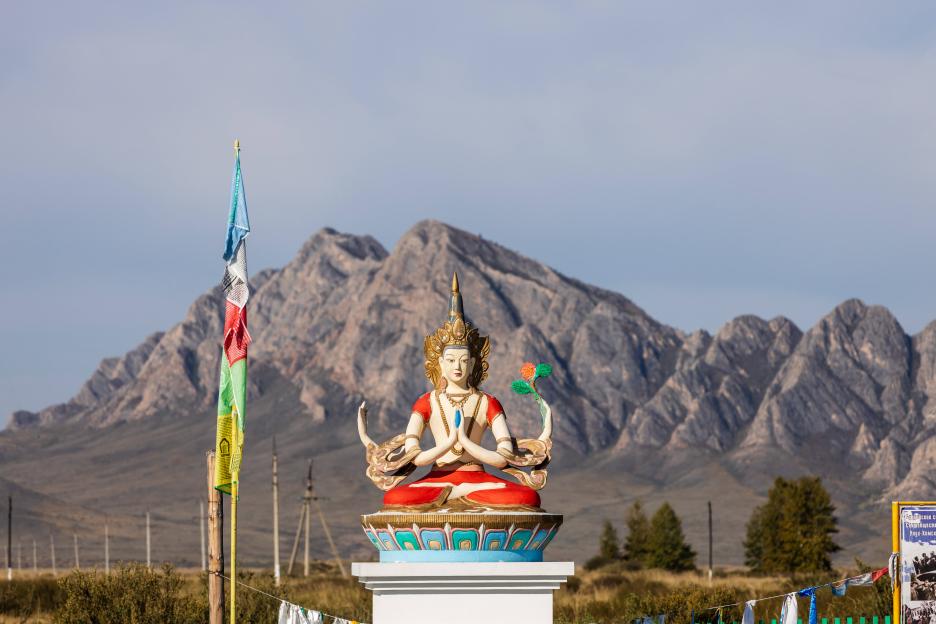
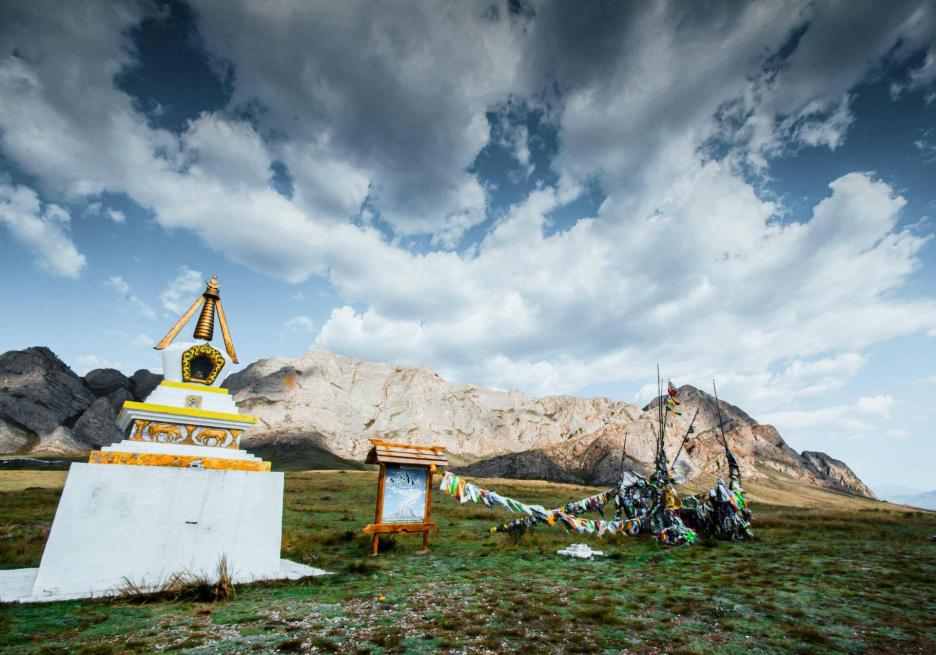
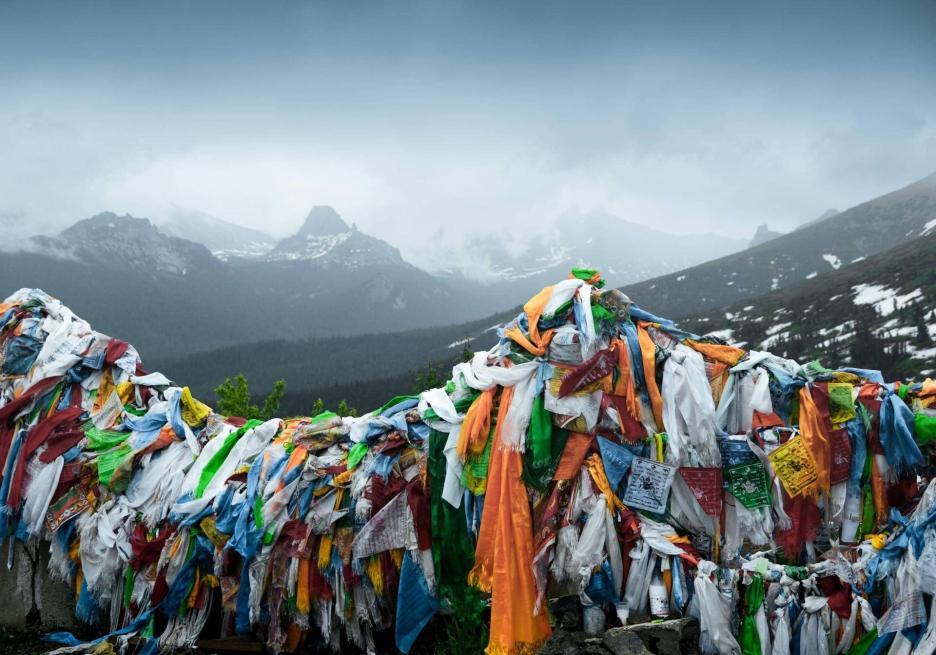
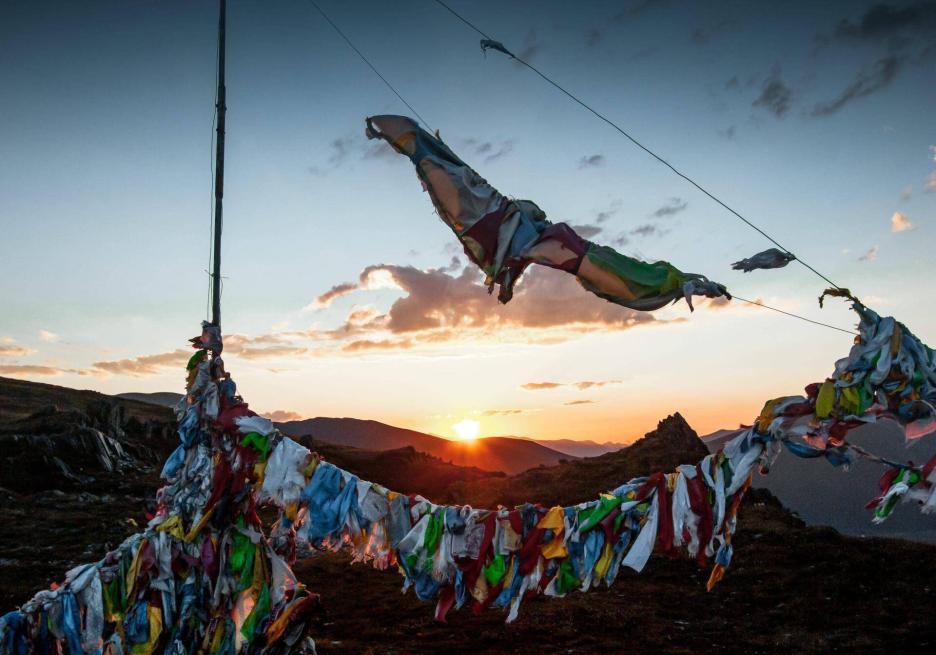
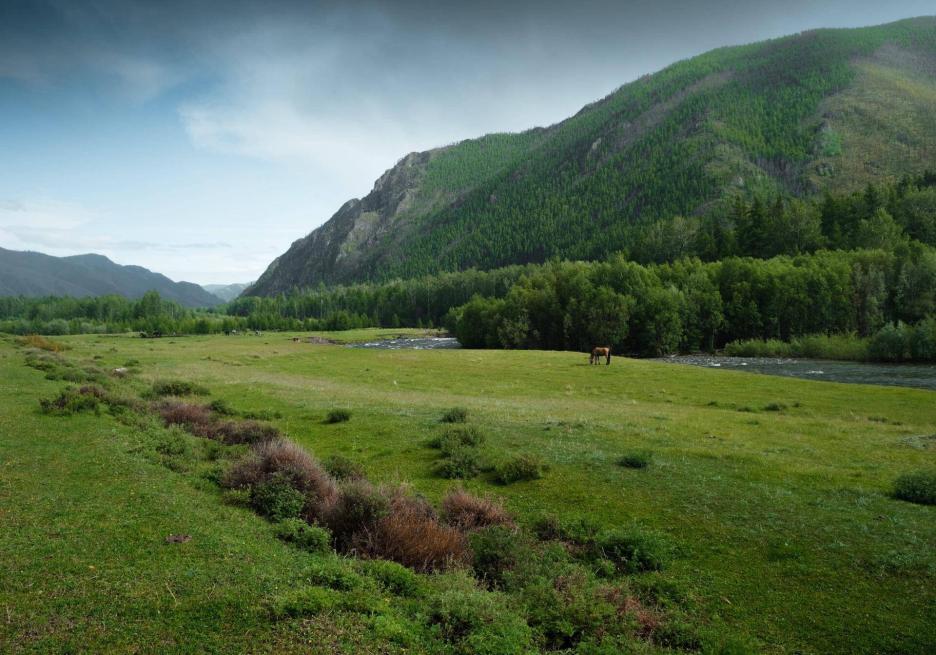
Discover Tuva – an astonishing land where tundra meets desert, and an ancient, vibrant culture thrives. This esoteric journey is a unique initiation: you will visit power places, meet Tuvan shamans, and learn self-healing practices. The program is designed to unlock your creative potential and help you find balance in a rapidly changing world.
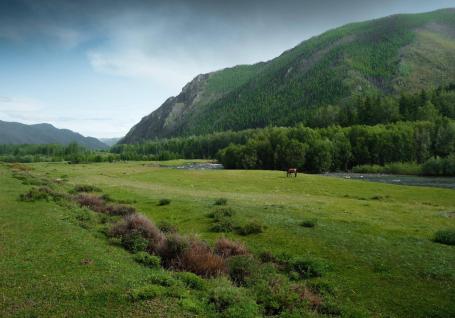
Prepare for a profound immersion into one of Siberia's most enigmatic and culturally rich regions. Tuva is a land of stunning natural contrasts, from vast tundras to sun-scorched deserts, where reindeer herders and camel breeders share the same sky. This is the cradle of an ancient spiritual tradition where shamanism and Buddhism have coexisted for centuries.
This is a personal expedition into the heart of Siberian spirituality. Led by one of Tuva's most respected shamans, you will travel to sacred sites, participate in authentic rituals, and learn powerful techniques for self-discovery and well-being. The journey focuses on unlocking your inner potential, understanding your true purpose, and finding harmonious ways to navigate relationships — with nature, with others, and, most importantly, with yourself.
After meeting with the group at the airport or bus station of Kyzyl, you will be transferred for check-in at the "Chalama" Hotel. Time to rest and refresh after your journey.
Your immersion into Tuva begins with a lunch of authentic Tuvan cuisine. For centuries, the Tuvan diet has been based on nourishing dairy and meat products from their livestock. You will taste popular dishes like kumys (fermented mare's milk) and sogazha (liver roasted on coals), and no meal is complete without traditional salted milk tea, brewed from green tea leaves.
Following lunch, you will embark on an introductory tour of Kyzyl. Your first stop will be the iconic monument marking the Geographical Center of Asia — the primary symbol and most famous landmark of the capital.
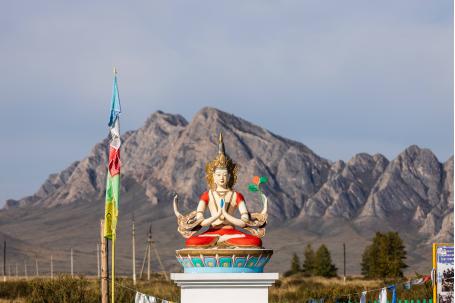
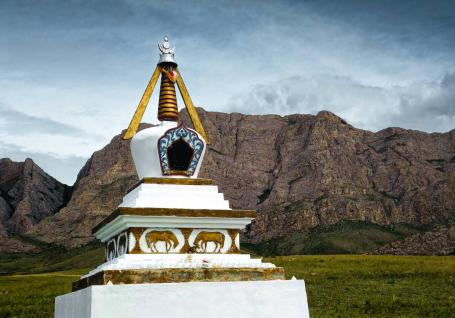
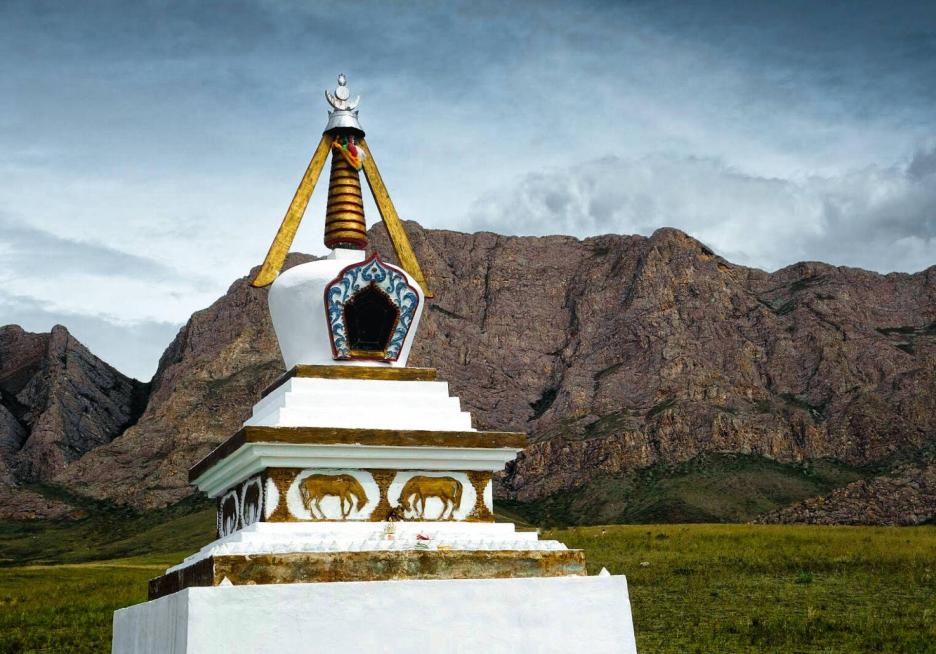
The journey continues with a visit to a local Buddhist monastery, where you can feel the serene atmosphere and perhaps meet a practicing lama.
Next, prepare for a unique auditory experience: a live performance of Tuvan throat singing (khoomei). This extraordinary art form, mastered by the Tuvans and a few other Siberian peoples, allows a single performer to produce multiple sustained pitches simultaneously, creating sounds that are often mistaken for a musical instrument.
Tuva is a crossroads of cultures, and one of its most captivating traditions is shamanism. We will depart for the Dungur mineral spring, where an introductory lecture will unveil the foundations of this ancient spiritual practice.
The evening is free for independent exploration and dinner.
Route length: 10 km by bus.
The morning begins with breakfast, after which we set off to the west, towards the heart of Tuva's sacred geography. Our first destination is the arzhaan "Shivilig" mineral spring — in local beliefs, 'arzhaan' signifies holy, healing water. Here, a significant moment awaits: a meeting with a shaman who will join our group as a guide and spiritual companion for the journey ahead.
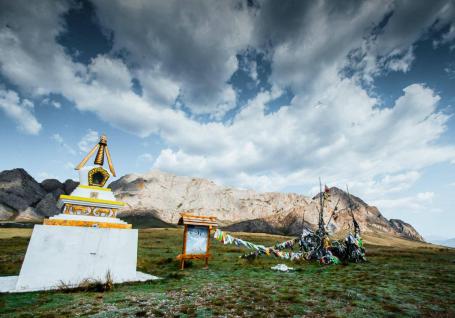
Before lunch, we will make a stop at the majestic Mount Khayyrakan — one of the most sacred and revered sites in all of Tuva. Consecrated in 1992 by the Dalai Lama XIV, who recognized it as a place of exceptional power, this mountain is a natural temple. At least once a year, local shamans pilgrimage here to recharge, cleanse, and strengthen their spirit. Why not embrace this unique opportunity to connect with the same powerful energy?
We will enjoy a picnic lunch amidst this awe-inspiring landscape.
In the afternoon, we continue to the village of Chindozyn, where we will organize our field camp. Accommodation in tents under the vast Siberian sky marks the beginning of our deeper immersion into the rhythm of nature and the ancient traditions of this land.
Route length: 420 km by car.
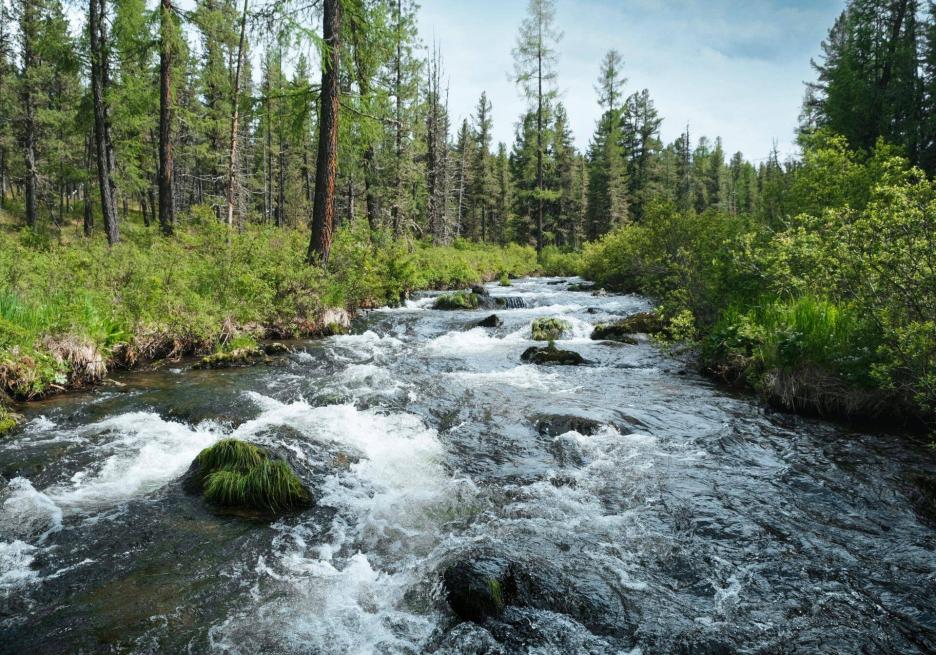
The day is dedicated to deep immersion into the healing powers of nature and the core of shamanic practice. After breakfast, we return to the area of the mineral spring "Shivilig" for a more profound acquaintance. We will then embark on a guided walk to another powerful source — Churek-arzhaan. This is a unique, weakly radioactive spring where the icy water (3-9°C) is rich in radon, meeting the criteria for therapeutic use. Our guide will share knowledge about the medicinal properties of these springs and the traditional methods of treatment practiced here for centuries.
We will return to our camp for lunch, followed by a period of quiet preparation and participation in the organization of the evening's sacred rite — Kamlaniye.
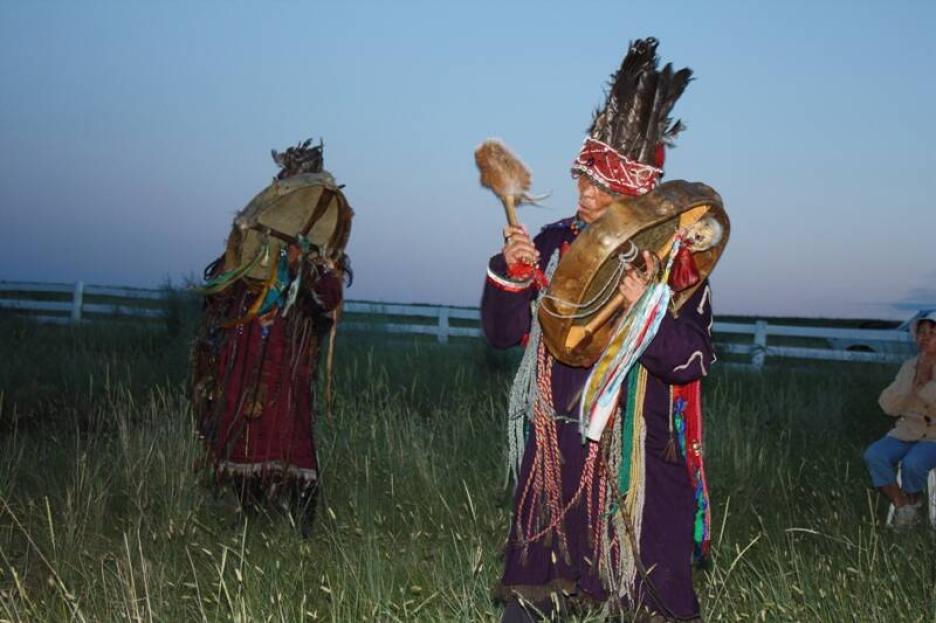
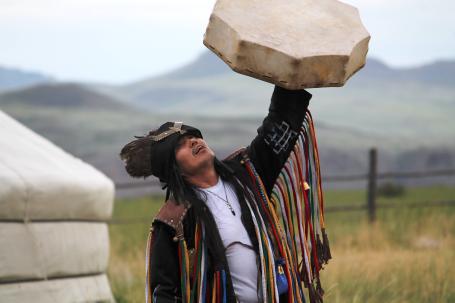
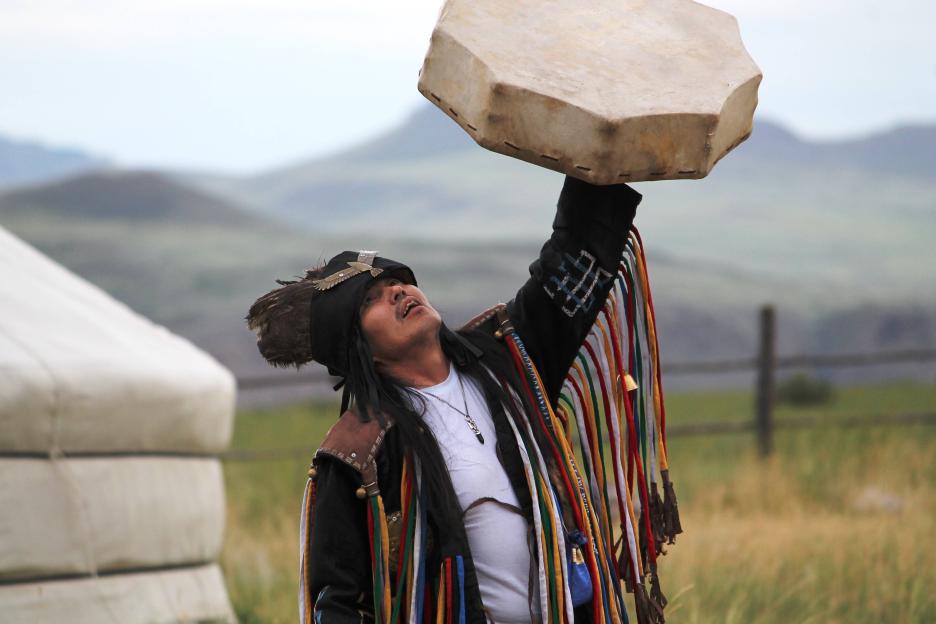
As dusk falls, we will gather for the central experience of the day: witnessing and, for those who feel the call, participating in an authentic shamanic ritual of Kamlaniye. This profound ceremony, typically performed at night, begins with the shaman entering a trance state to the rhythm of the drum, using calls that mimic birds like the crow or cuckoo — believed to grant the gift of song and prophecy.
The shaman then communes with helping spirits (erens) to diagnose a situation, perform a healing, or conduct a cult rite dedicated to fire, mountains, or ancestral patrons. The ritual follows a sacred pattern: purification, summoning spirits, identifying a cause, driving out hostile forces, and making offerings with milk, meat, and bread to the cardinal directions. The ceremony concludes with a divination about the outcome and the shared tasting of the consecrated food, creating a powerful bond between the participants, the shaman, and the spirit world.
Route length: 12 km by car, 5 km on foot.
This day is dedicated to understanding the practical wisdom and sacred instruments of the shaman's path. In the morning, your accompanying shaman will hold a special seminar on the attributes of traditional shamanic clothing. You will learn about the deep symbolic meaning of every detail — from the ribbons and feathers to the metal pendants — and how the costume serves as a conduit for spiritual power and protection during rituals.
After lunch and a restorative rest in the fresh mountain air, you will have some time for quiet contemplation or walks.
In the evening, the shaman will reveal the ancient secrets and methods of divination using stones. This practice is a cornerstone of shamanic pragmatism. You will learn that rituals, including divination, are never performed abstractly, but with a clear purpose: for healing, guidance in times of trouble, or to understand events like the loss of livestock. Following this enlightening session, there will be an opportunity to attend individual consultations with the shaman for personal questions or insights.
The day concludes with a shared dinner cooked over the open fire, followed by another night of accommodation in the tents, under the watchful stars of the Tuva sky.
After breakfast and breaking down our field camp, the group will gather for the journey back towards the capital. This day bridges the raw, ancient energy of the sacred landscapes with the living cultural revival of Tuva.
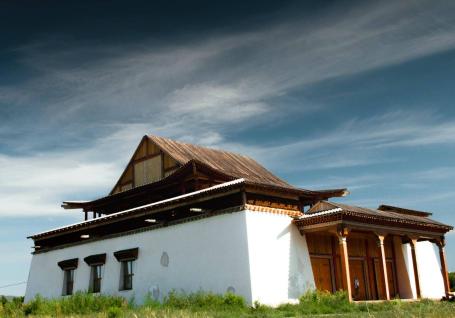
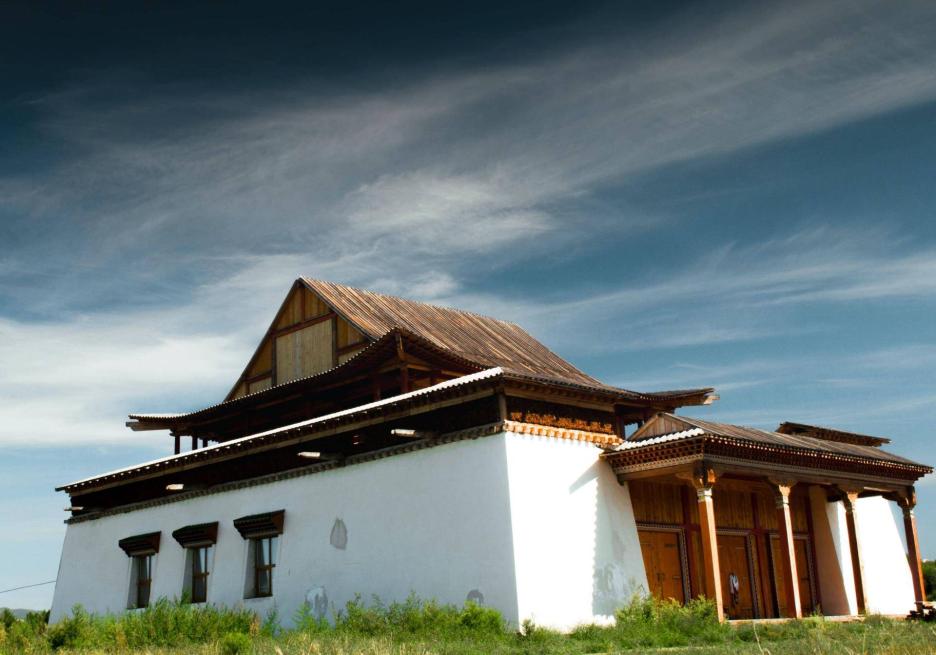
En route, we will make a profound stop at the Ustuu-Khuree Monastery — the crown jewel of Buddhist architecture in Tuva and a powerful symbol of spiritual resilience. Once unparalleled in its grandeur across the entire region, the original temple was destroyed in 1937. Its careful restoration, completed in 2012, stands as a testament to the rebirth of faith and tradition. We will explore this magnificent complex, feeling the confluence of deep history and renewed sacred energy that permeates its grounds.
We will continue our transfer, arriving at the "Chalama" Hotel in Kyzyl in the evening. The rest of the day is free for independent exploration, relaxation, and dinner at one of the local establishments, allowing you to reflect on the journey in your own time.
Route length: 420 km by car.
The final full day of our journey weaves together the tangible arts of the living tradition and the priceless legacy of ancient empires. After breakfast, we will visit the workshop of a master craftsman to uncover the sacred process behind the creation of a shamanic drum — the very heart of ritual practice. Following this, there will be time for a leisurely walk through Kyzyl and a visit to local souvenir shops.
Lunch at a city restaurant will be transformed into a profound cultural experience with an authentic Tuvan tea ceremony. You will not only learn the meticulous methods of brewing the traditional salted milk tea but also immerse yourself in its history, legends, and the deep philosophy it embodies. Sharing this ceremonial tea is to taste the very essence of Tuvan hospitality and connection to the land.
In the afternoon, we delve into ancient history with a visit to the National Museum of Tuva. The highlight is the legendary "Scythian Gold" exhibition, showcasing the breathtaking treasures from the Arzhaan-2 burial mound. Discovered in a landmark archaeological expedition, these artifacts — over 20 kg of exquisite gold jewelry — represent a world sensation and offer a direct encounter with the power and artistry of the nomadic Scythian civilization.
The evening is free for your final independent dinner in Kyzyl, offering a chance to reflect on the rich tapestry of experiences gathered throughout the expedition.
Route length: 50 km by car.
After breakfast at the hotel, you will be transferred to the airport or bus station for a flight home.
Routhe length: 10 km by car.
Accommodation can be changed.
The hotel is located in the city center in a 3-story building. You can walk to the bus station, and the road to the airport takes 15 minutes. Each room has a wardrobe with a mirror, air conditioning, a refrigerator, a work area, a flat-screen TV, wall lamps, bed linen, carpeting, a bottle of mineral water, glasses. All rooms have standard combined bathrooms equipped with a bath or shower, toilet, hair dryers, a set of three towels, a set of hygiene products. The hotel has a cafe with a cozy terrace and a mini-market. Vacationers have a 24-hour front desk and Wi-Fi at their disposal.
The tent city is set up for the duration of the radial trip along the route in places convenient for tourists. The tents are set up by the accompanying staff. The camp is a tent city with 2- and 3-person tents. For accommodation in the complex, you will be provided with a full set of tourist equipment: mats, sleeping bags. There is no electricity in the complex, so we recommend charging the batteries of cell phones and cameras in advance, as well as taking spare sets of batteries. While staying in tents, tourists will be provided with three hot meals a day, which the cook prepares over a fire. Small picnics are organized along the way.
Passive relaxation and sightseeing — cruises for example. No physical activities. Good for older people.
The climate in Tuva is sharply continental, the summer is dry, the air temperature in summer is up to + 40 degrees. There are almost as many sunny days here as in Crimea. In the steppe, summer lasts from the second half of May to mid-September, in the mountains - from mid-June to the end of August. The hottest month is July (the average daily temperature in the steppe is about 20 C).
It is very beautiful in May, because the greenery is still very tender and fresh, everything is in bloom, you can see snow in the mountains. It is warm during the day, but cool in the evening.
In June - everything is also in bloom, and the colors change every week. During this period there is stable warm weather.
July is the hottest month, but sometimes it can rain for a week. This month usually has stable warm air temperatures at night and during the day. At the end of the month the steppe begins to burn out.
In August, until the middle of the month, the weather is usually warm, and in the second half it already starts to get cold. The nights become cooler. At the end of August, the colors start to change again, the leaves on the trees turn red and yellow. There are a lot of mushrooms and berries during this period.
September is rich in various colors. Red-yellow-green tones prevail. Usually, the weather is warm at the beginning of September, but the nights are already cool. In the second half of September, prolonged rains are possible, the air temperature drops to +5 C.
Clothes for travel should be comfortable. Please take the clothes which you usually wear for hiking and rest.
Throughout the tour, you will be accompanied by highly qualified guides with many years of experience on the route, who have completed a mandatory course in first aid.
Throughout the tour, you will be provided with three hot meals a day. Hot meals, coffee, and tea will be offered in hotels and at picnics. Alcohol is not included in the price.
During transfers there will be short picnics and dry rations. Tea and water are included in the price. During stay in tents, tourists will be provided with three hot meals a day, which the cook prepares over a fire. Dry rations are provided during hiking trips.
Traditional dishes of Russian cuisine include pancakes, fried and baked pies, pelmeni, pickles, vinaigrette, shchi, fruit drinks and much more.
The basis of the Tuvan diet is meat and dairy products. In fact, they eat only meat, everything else is an addition to it. Dishes that are a combination of meat and flour are especially popular. This is soup with meat and noodles (uzken bydaa), steamed pelmeni (boozy) and regular (manchy), belyashi (khuuzhuury), minced meat with dough (tyrtkan), etc. In addition, on the table of the Tuvans you can see milk vodka - araga, which is distilled from sour milk, boorzaki - pieces of dough fried in boiling oil, and flatbreads, which are an independent dish, soktaan dalgan (crushed barley). As well as blood sausage, green tea with milk, to which either salt or butter is added, sometimes both together. The role of dairy products, as well as meat, is very large in the diet of the Tuvans. They have developed various methods of preparing products from milk: cheese (byshtak), butter (sarzhag), cream (oreme), kumys (khymys), kefir (tarak), curdled milk (khoytpak), dried cottage cheese of hard (kurut) and crumbly (aarzhy) consistency, etc.
On most of the route there is cellular communication of operators MTS, Beeline, Megafon, Tele2. However it which works with interruptions. There will be no connection from the 3rd to the 6th day.
There are not many mosquitoes in Tuva, their activity is mostly associated with long rains, which is a very rare phenomenon for Tuva. We recommend to keep your arms and legs covered after dusk, as mosquitoes are most active in the evening. We provide tourists with mosquito repellents.
Ticks are found in the steppes of Tuva. The peak of tick activity is in May, June and the first half of July. At this time, we give tourists tick repellents to take with them. In addition, the tour price includes insurance against tick-borne encephalitis. In any case, we recommend to everyone regularly inspect their clothes, exposed areas of the body, and head. Most often, ticks cling to a person's legs, and then crawl up, sucking on the upper part of the body, above the waist.
In Tuva, there is a wide selection of souvenirs presented in numerous shops in Kyzyl - these are products made from agalmatolite "soapstone", khomuses, Tuvan chess, national dresses, robes, hats, products made of wood, metal, amulets, you can buy CDs and cassettes of throat singing performers.
Leave your phone number
and we will definitely contact you
Thank you for contacting us!
We will contact you soon.
Booking application
Secrets of Siberian Shamanism: A Journey to Tuva 7 days
Thank you for contacting us!
We received your application and will definitely contact you to discuss the details of the trip.
We are currently receiving many requests, and we don't always manage to respond to you promptly. We will contact you during business hours, and if you left an application in the evening, we will contact you the next morning.