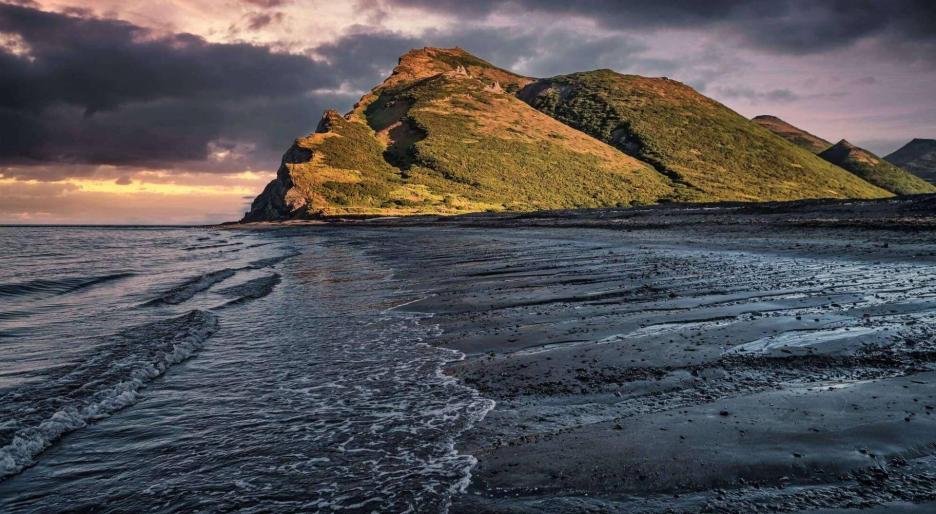
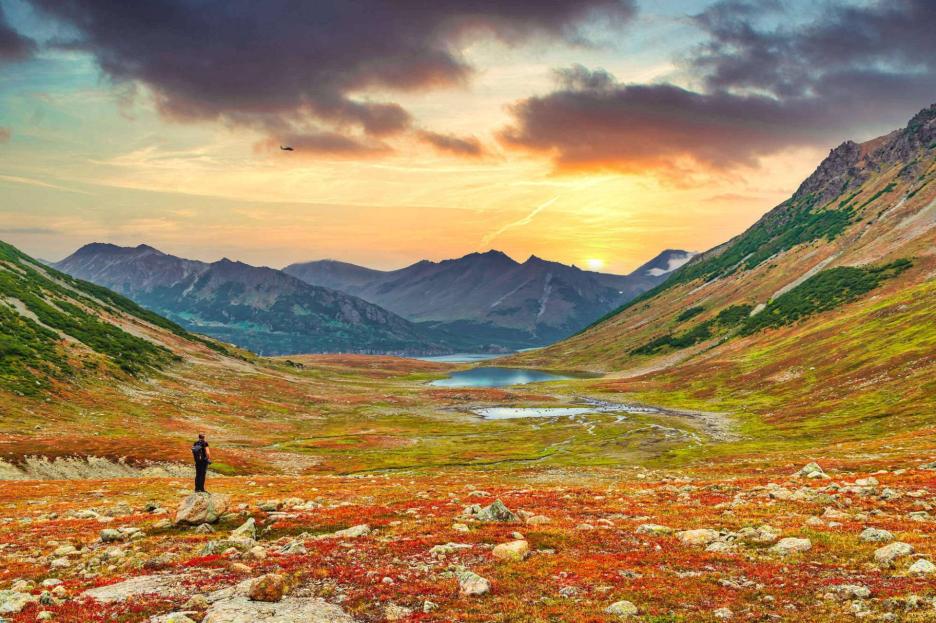
Three incredible regions in one unforgettable voyage. Discover the most remote and inaccessible islands of the Far East, home to rich marine life and stunning natural landscapes — from the volcanoes of the Ring of Fire to blooming tundra. Join us on a cruise from Kamchatka to Chukotka via the Commander Islands.
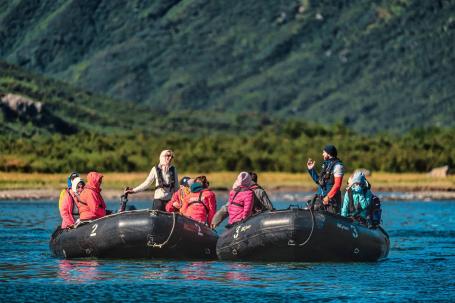
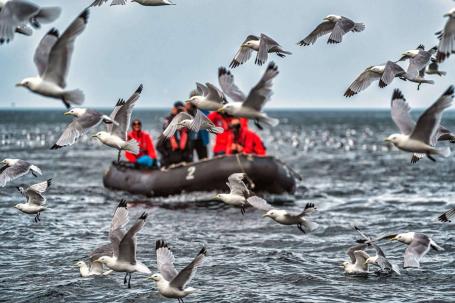
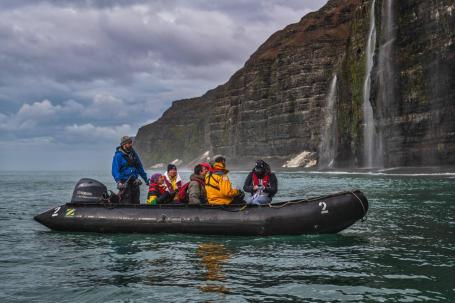
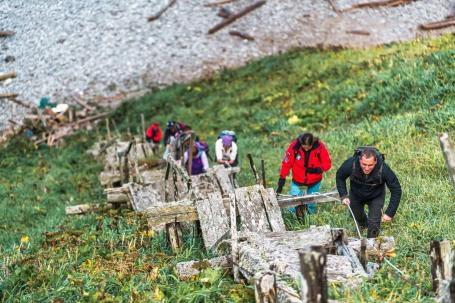
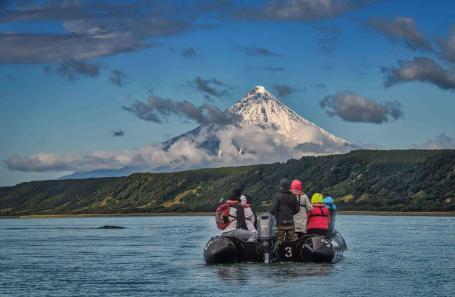
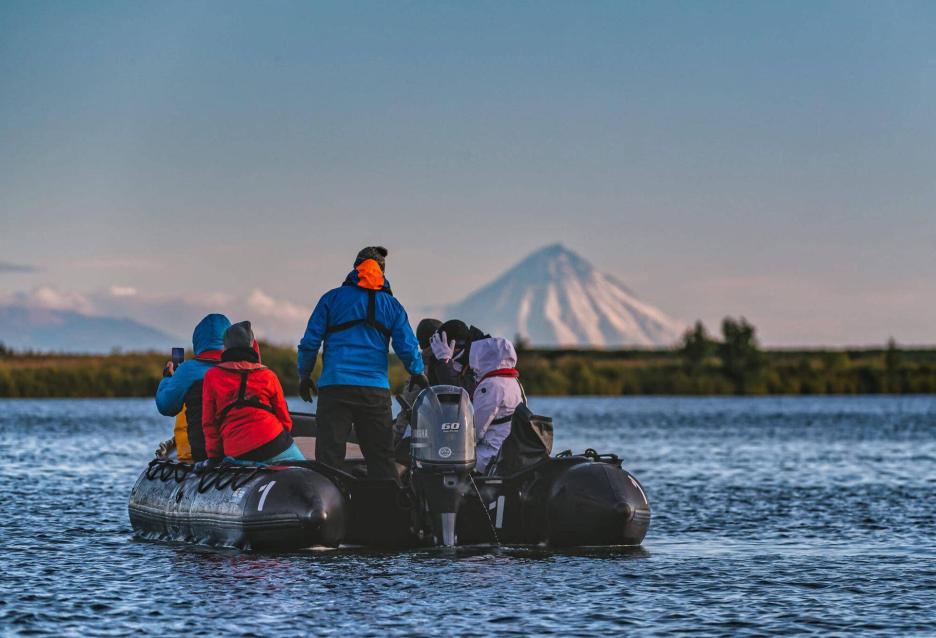
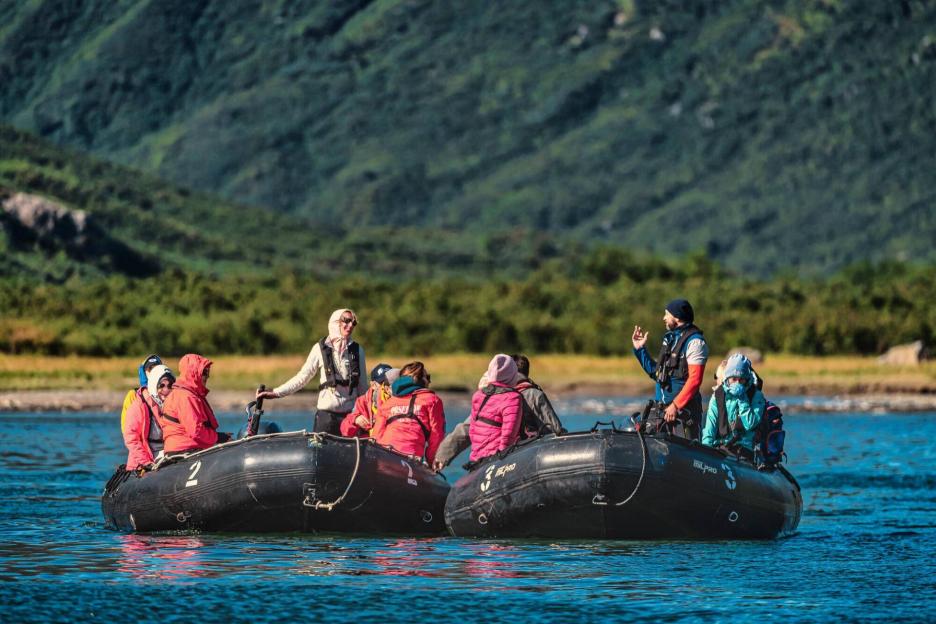
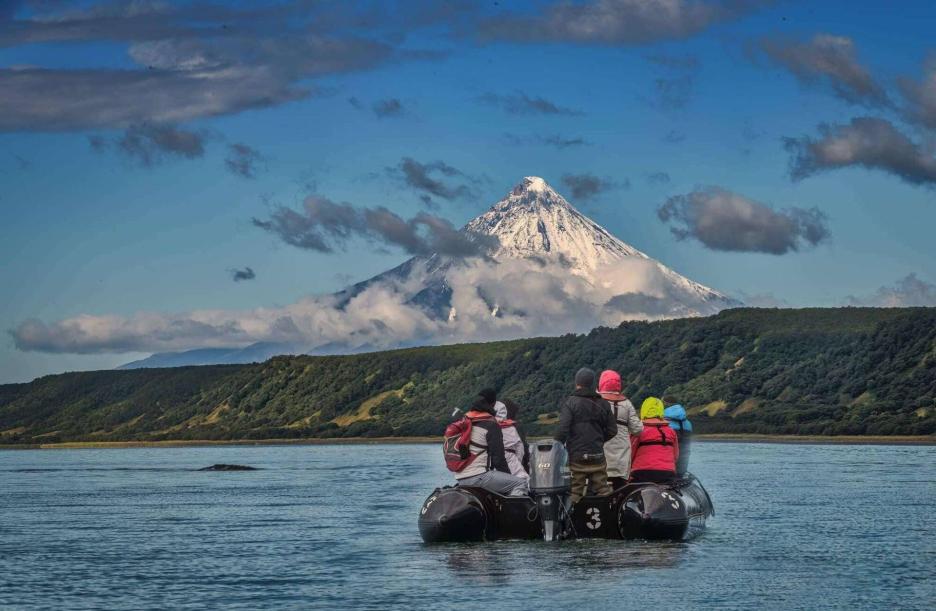
You will explore the most hard-to-reach places of the Russian Far East on a comfortable expedition vessel. Sea trips on Zodiac boats will alternate with walks on uninhabited islands, accompanied by qualified guides and regional experts. Lectures and films about the nature, history, and culture of Kamchatka, Chukotka, and the Commander Islands await you on board.
Explore three remarkable regions in one voyage: Kamchatka, the Commander Islands, and Chukotka
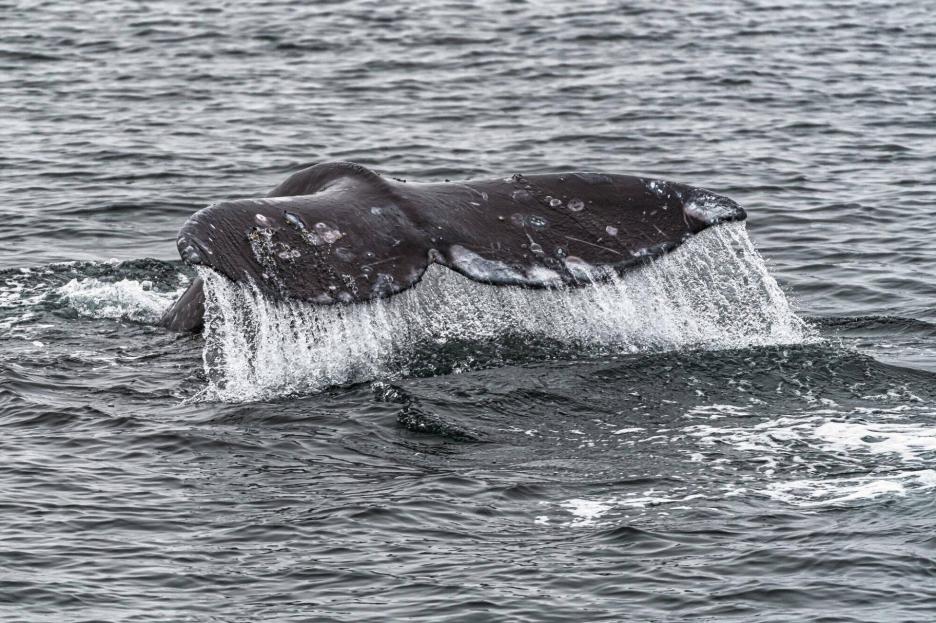
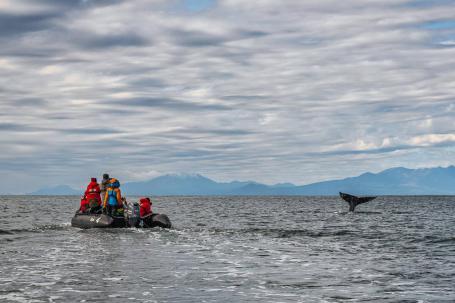
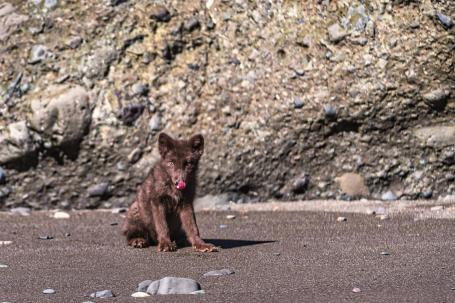
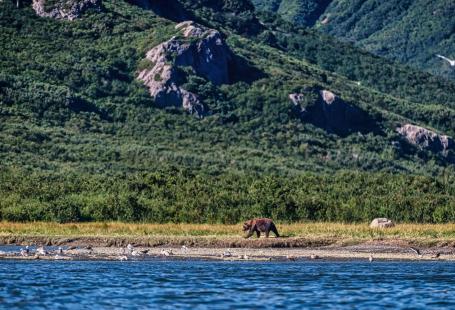
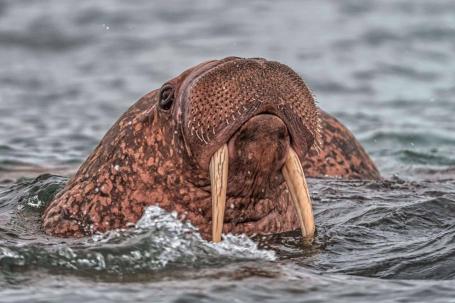
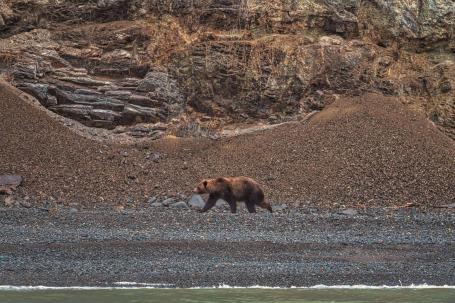
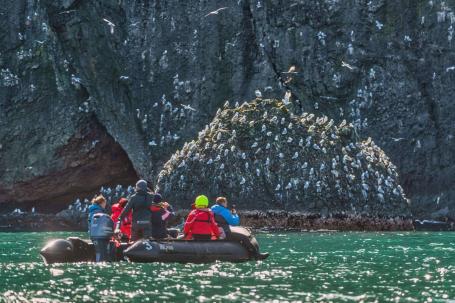
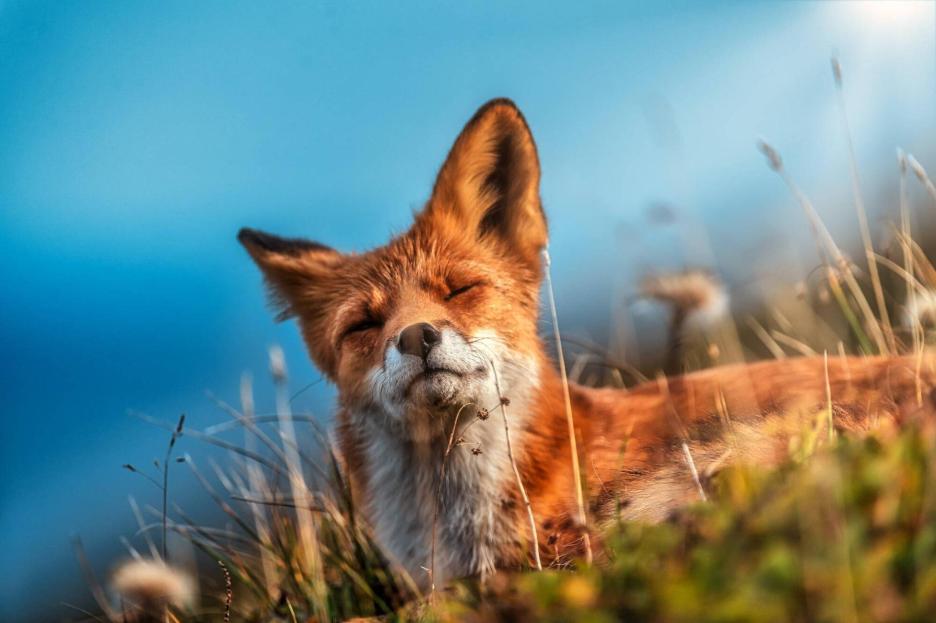
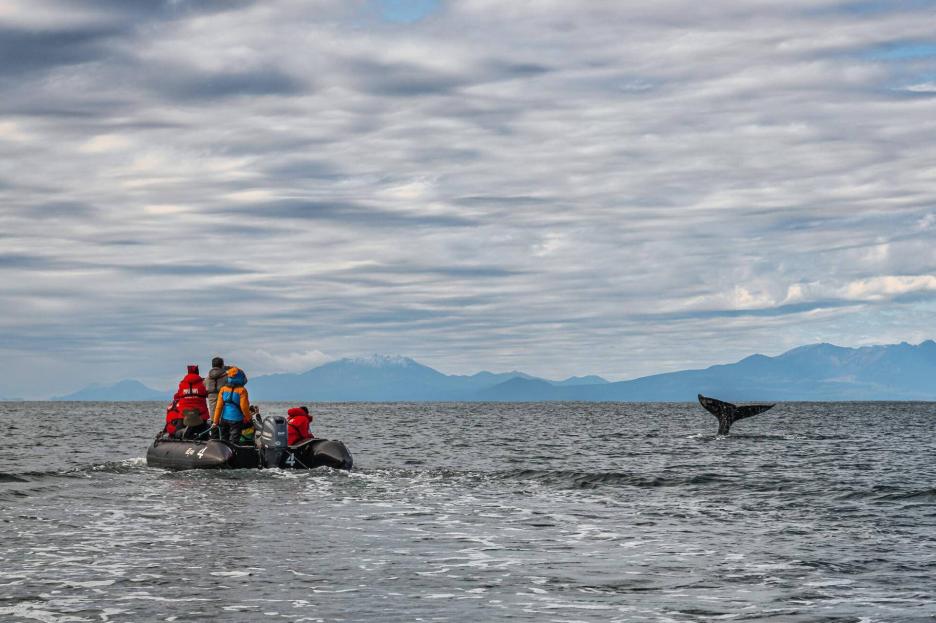
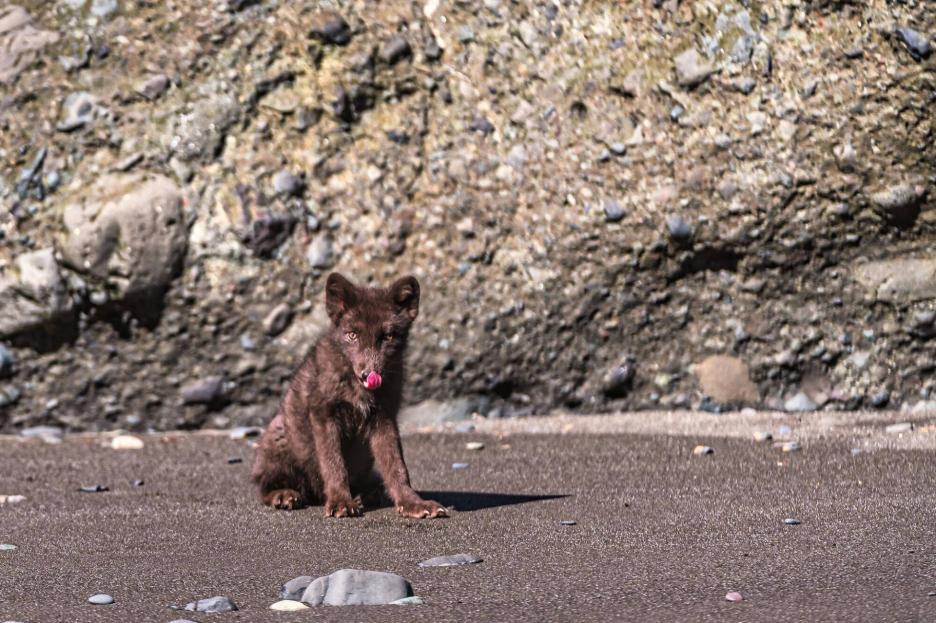
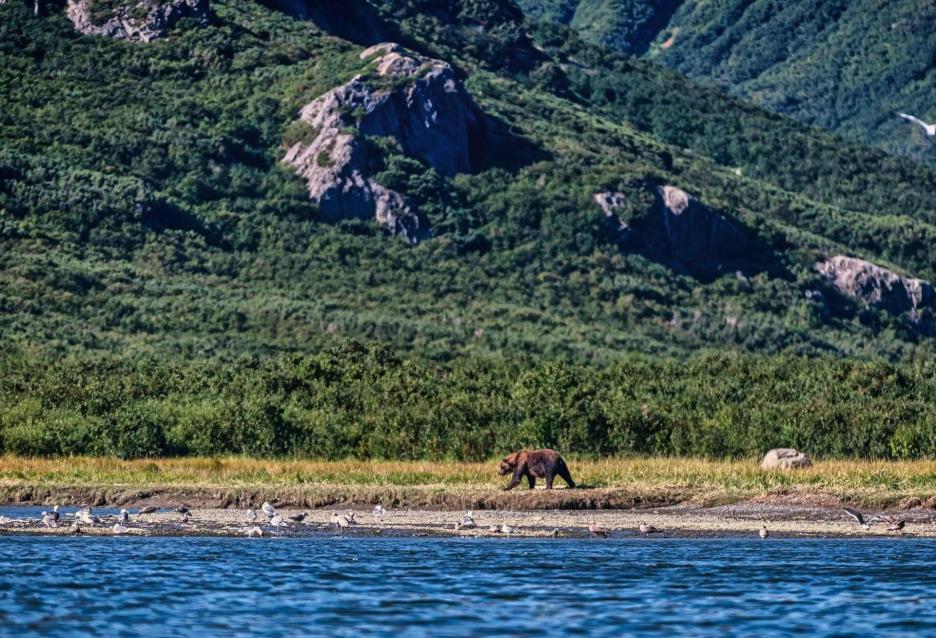
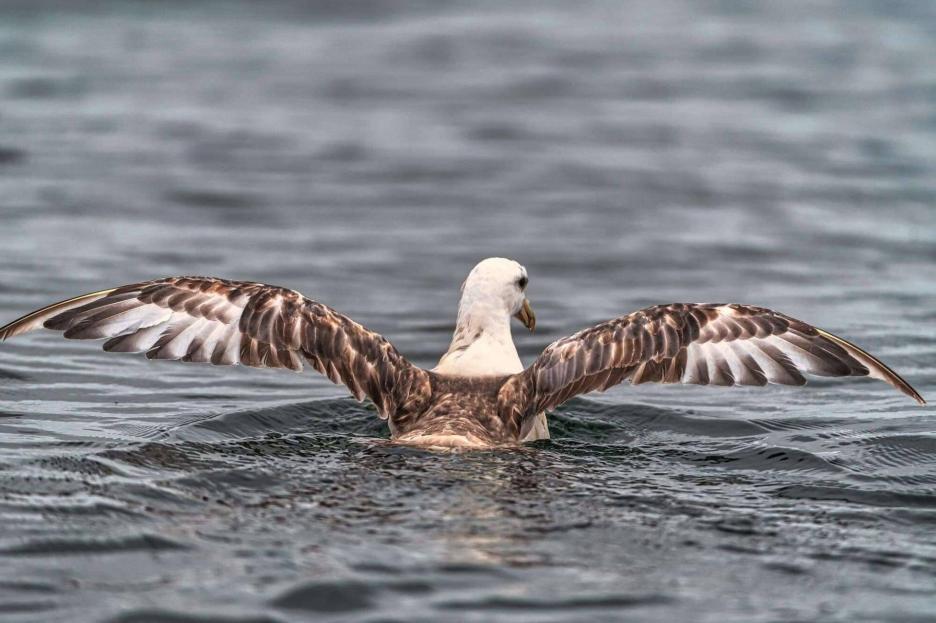
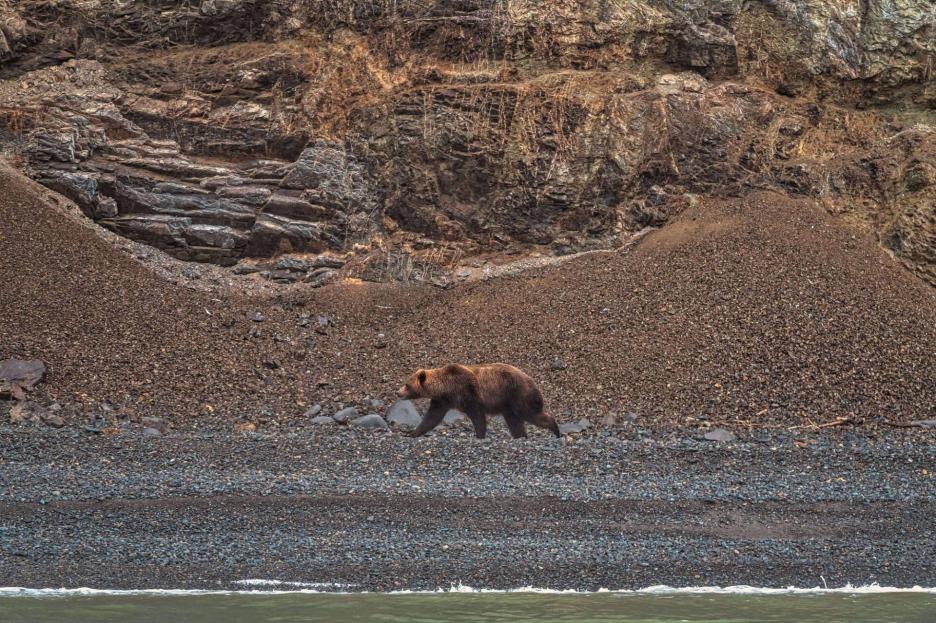
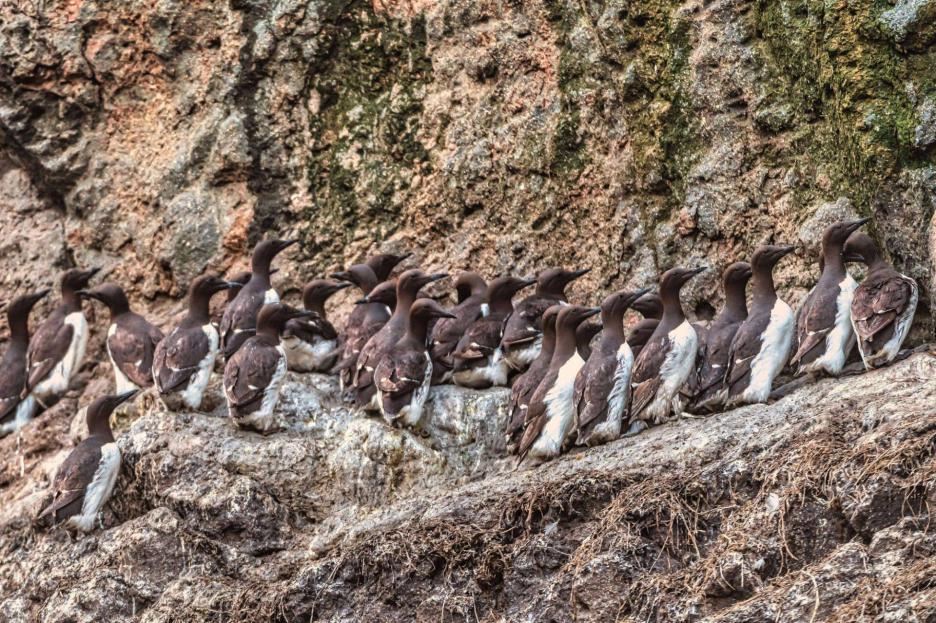
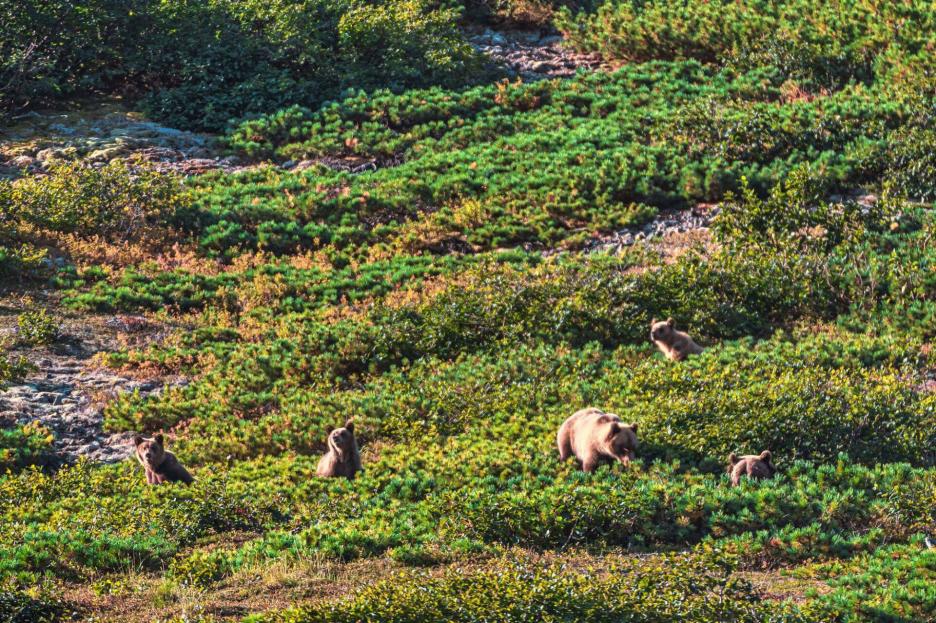
Spot whales, walruses, orcas, brown bears, and rare marine mammals and birds
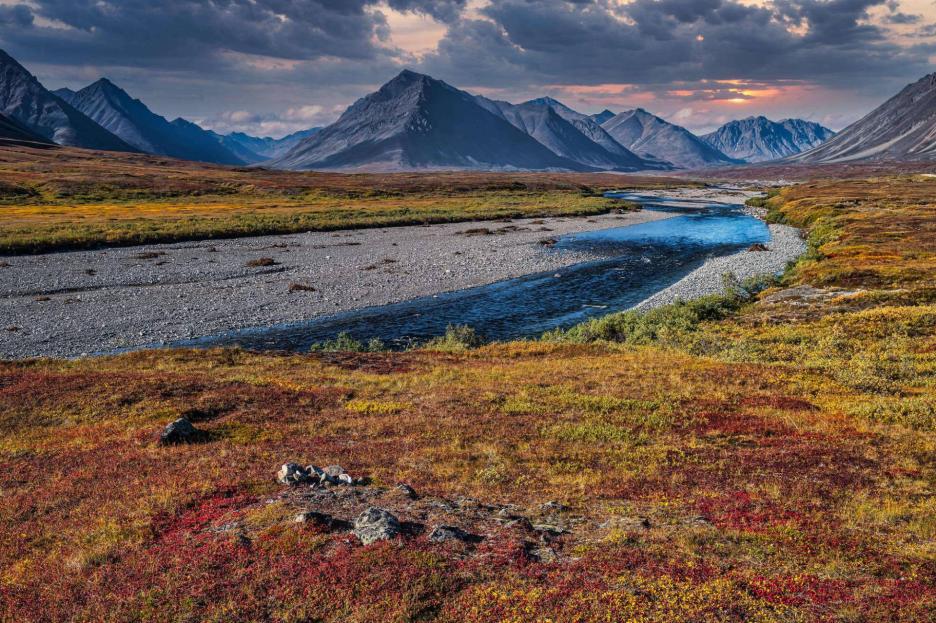
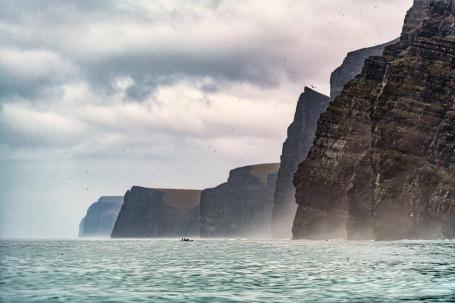
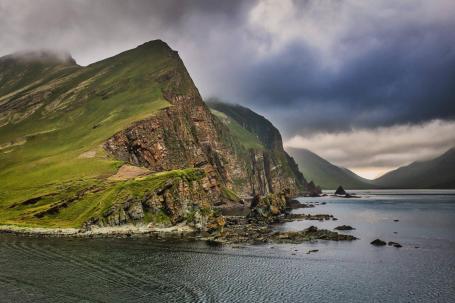
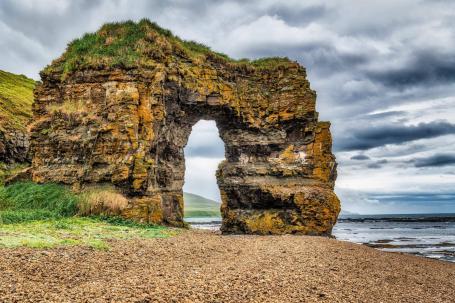
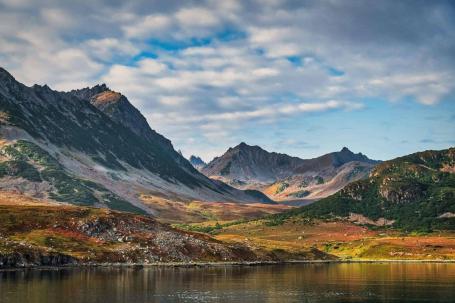
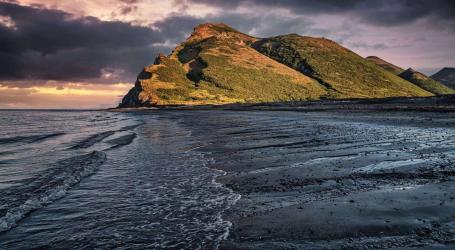
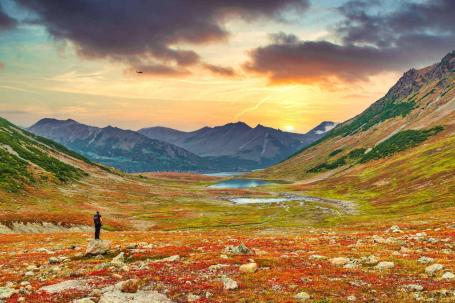
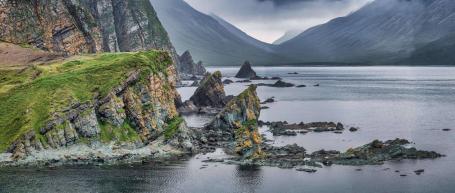
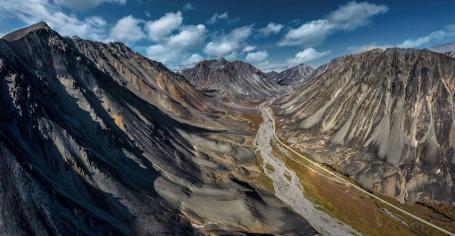
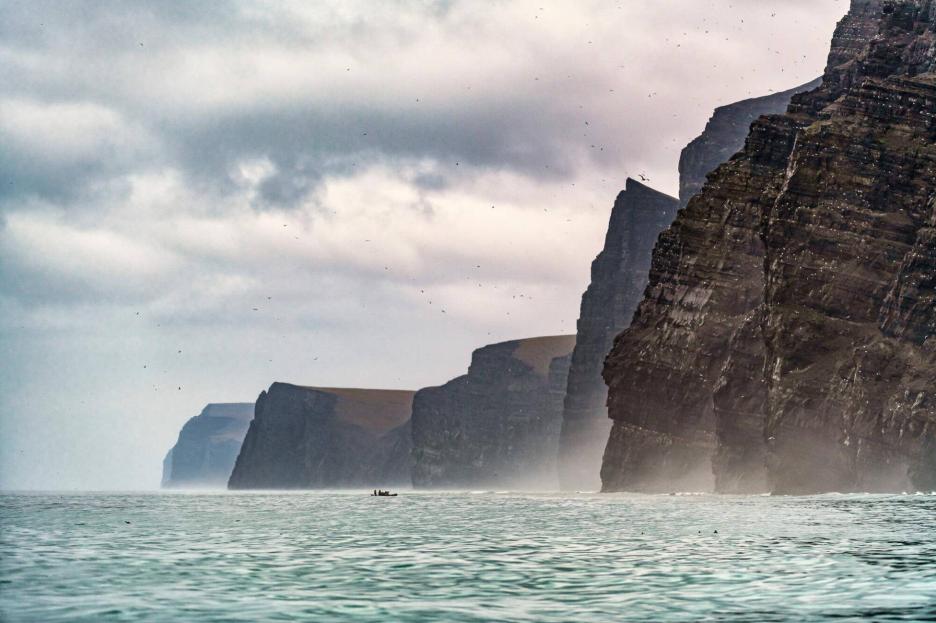
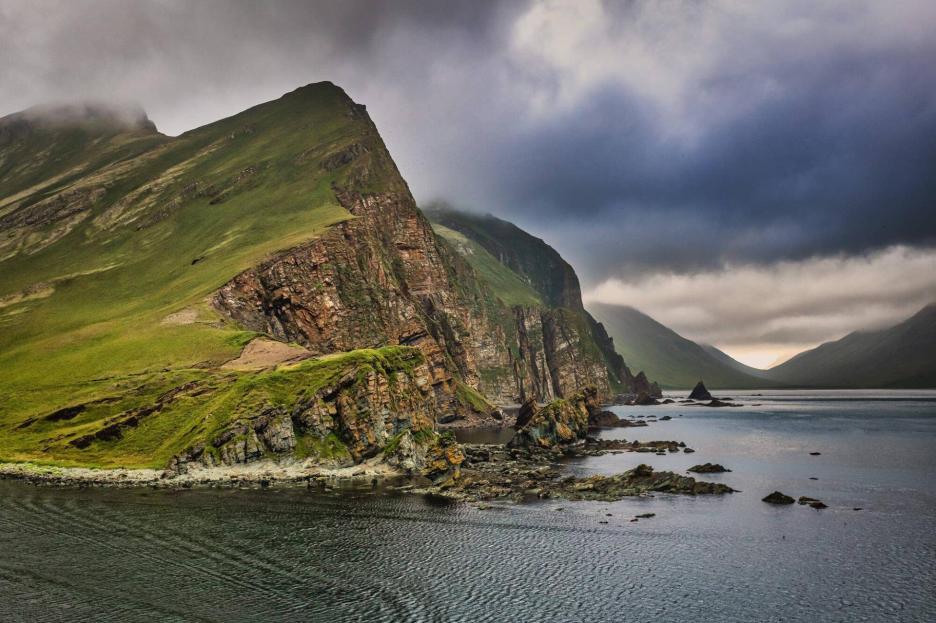
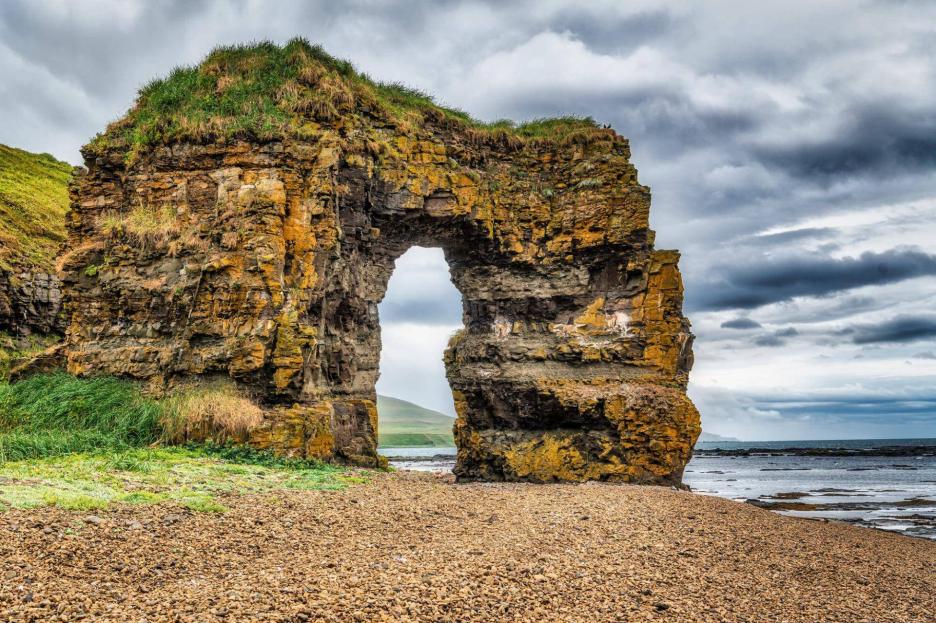
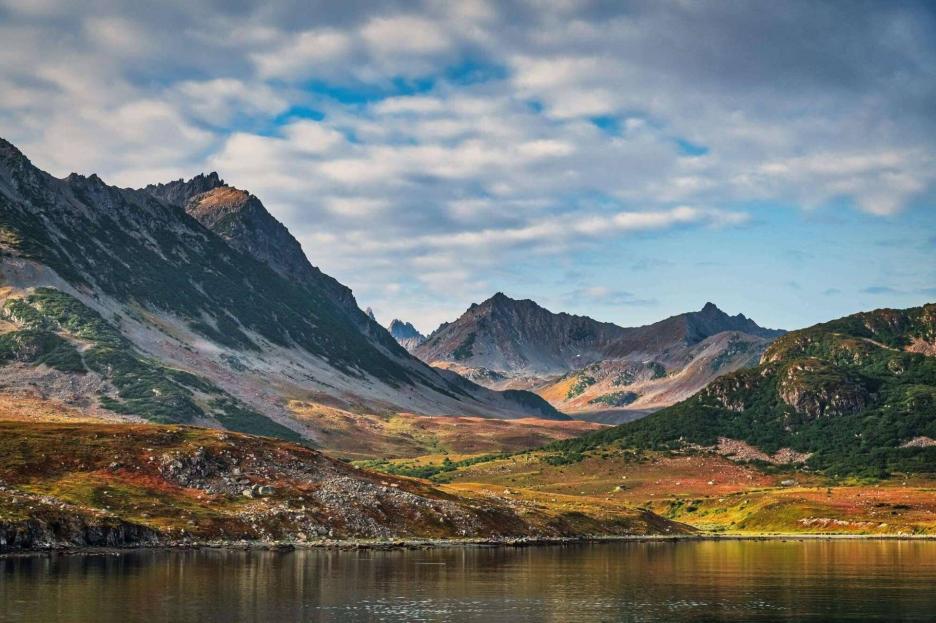
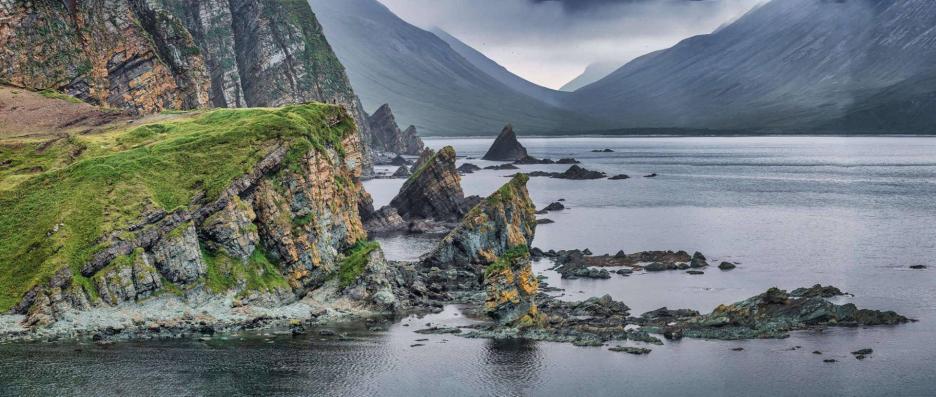
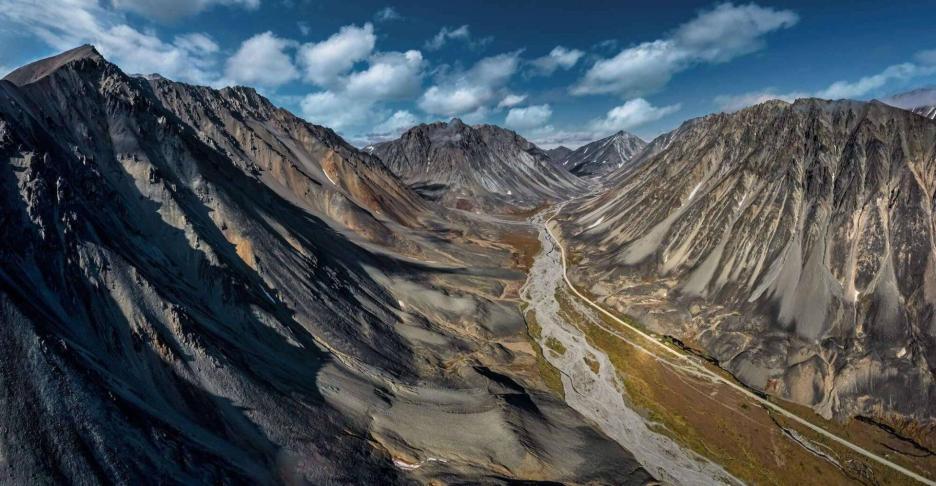
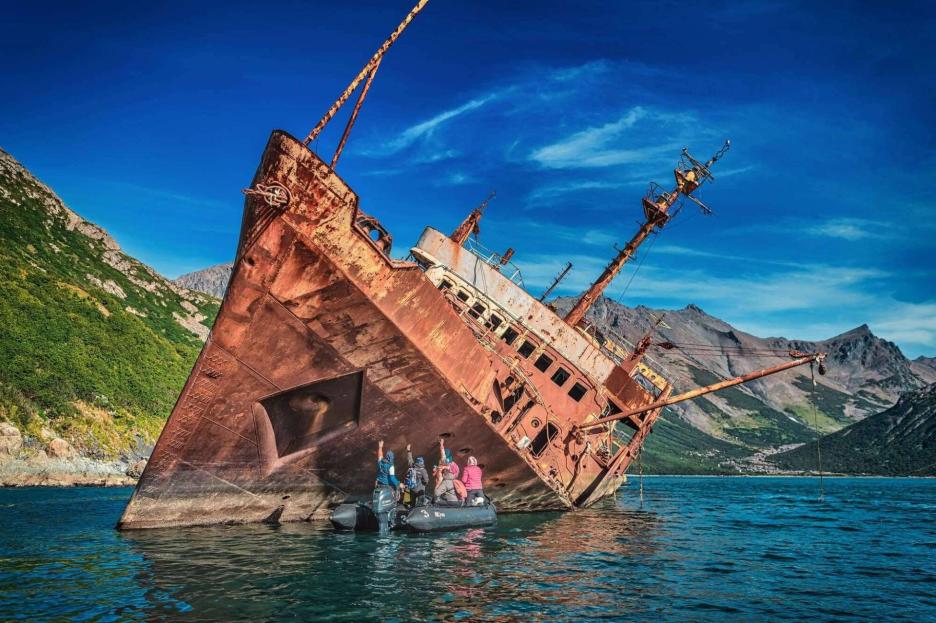
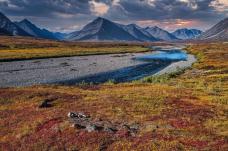
Discover Arctic tundra, Kamchatka’s volcanoes, green fjords, and towering basalt cliffs
This is a general plan of the expedition. The route may vary depending on weather conditions.
After arriving at Anadyr airport, a group transfer will take you to the port. You will board the vessel, settle into your cabins, and meet the ship’s crew. Then the Professor Khromov will set sail into open waters.
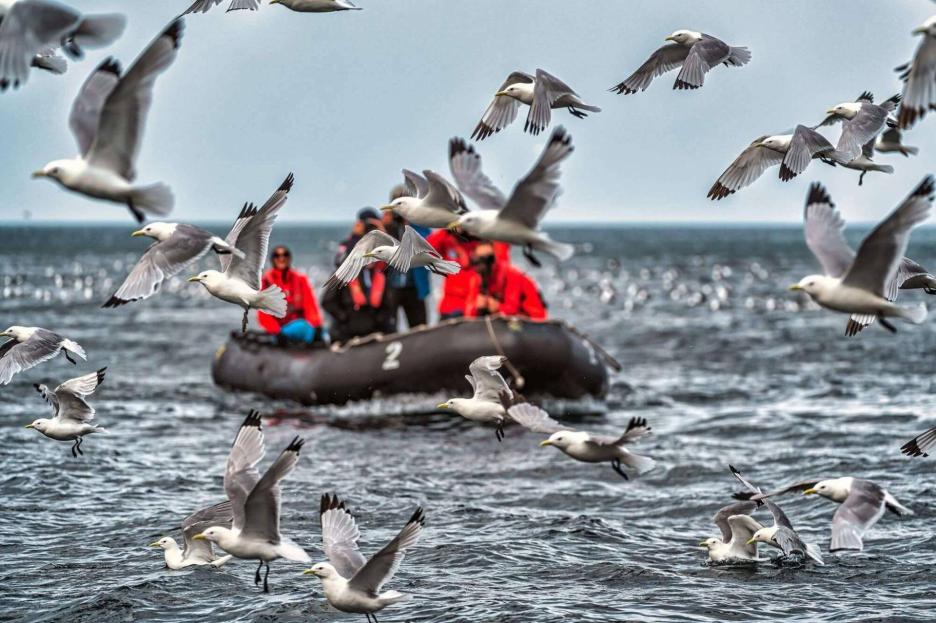
From the decks, you may spot beluga whales in the bay and seabirds soaring overhead. The dramatic Chukotka coastline stretches before you, with tundra, cliffs, and glaciers along the shore.
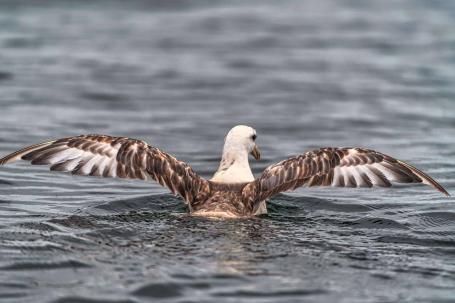
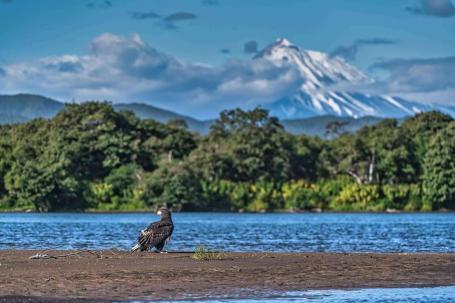
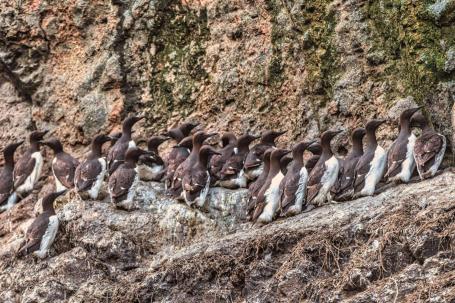
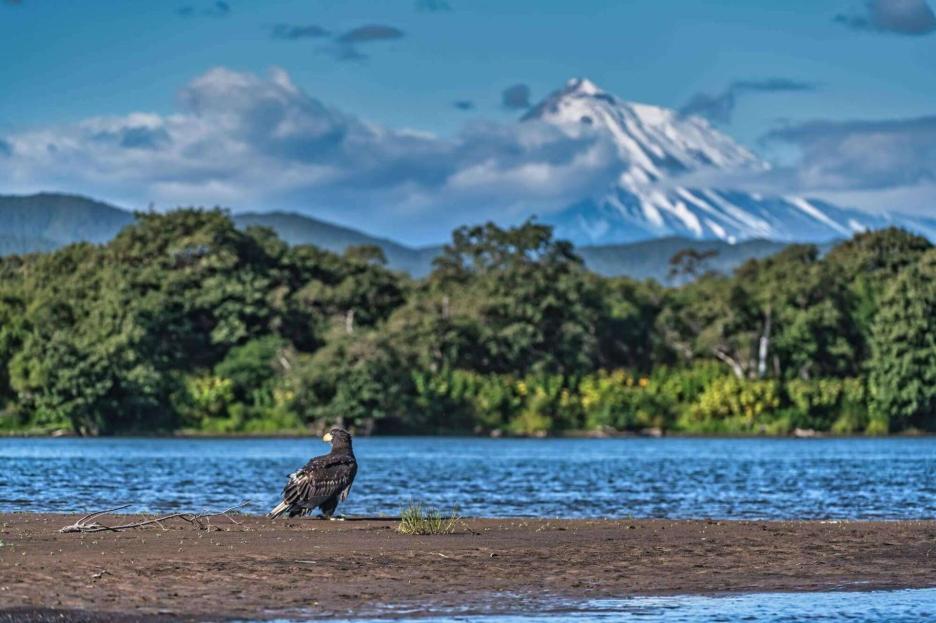
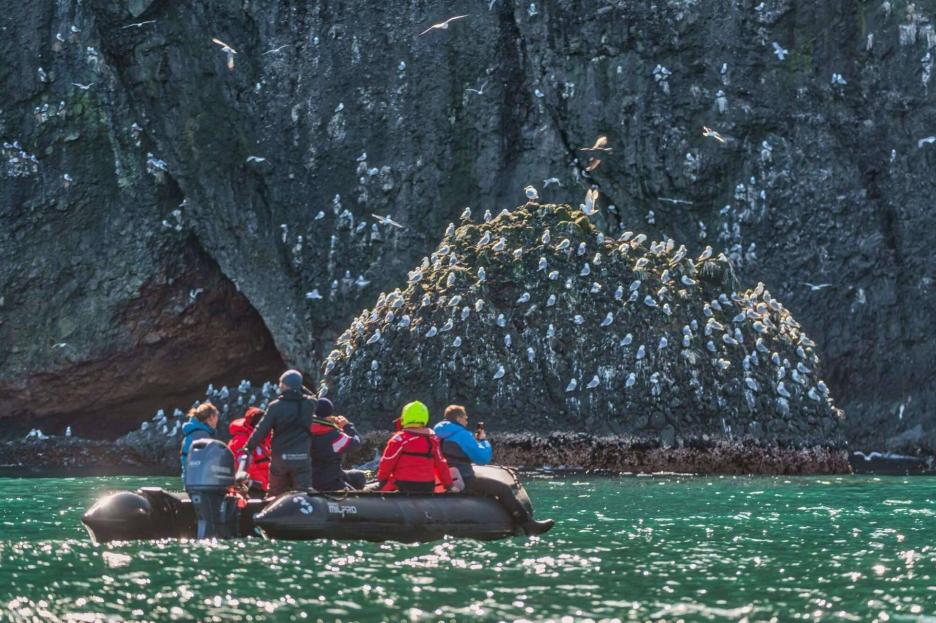
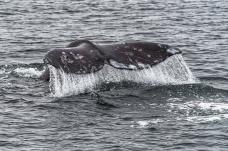
In the morning, the vessel passes along the western shore of Anadyr Bay to Navarin Cape, the windiest place in Russia. Millions of seabirds nest on the cliffs, and you may spot the rare white-tailed eagle. Coastal waters are home to whales, so keep your binoculars ready.
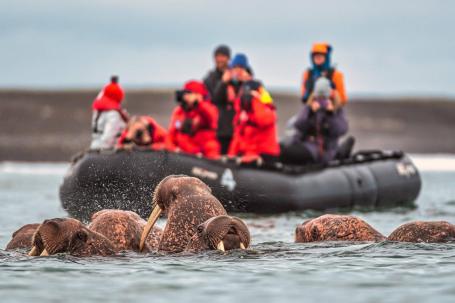
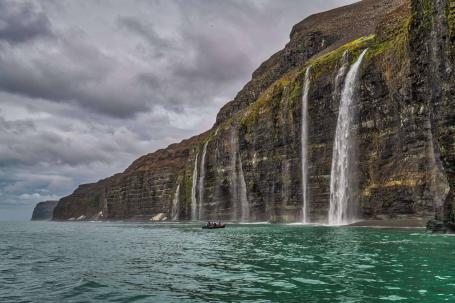
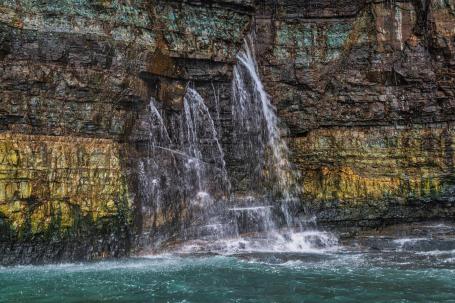
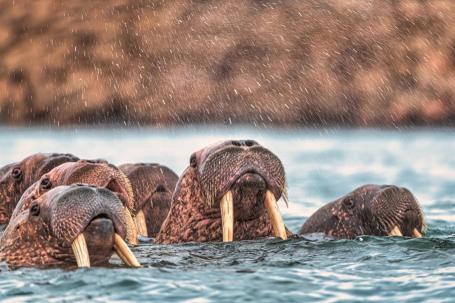
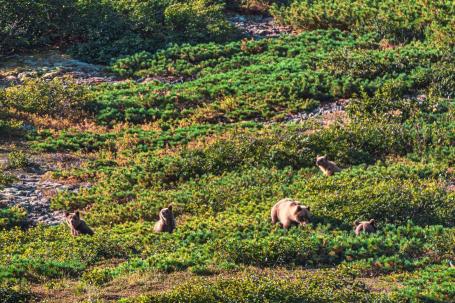
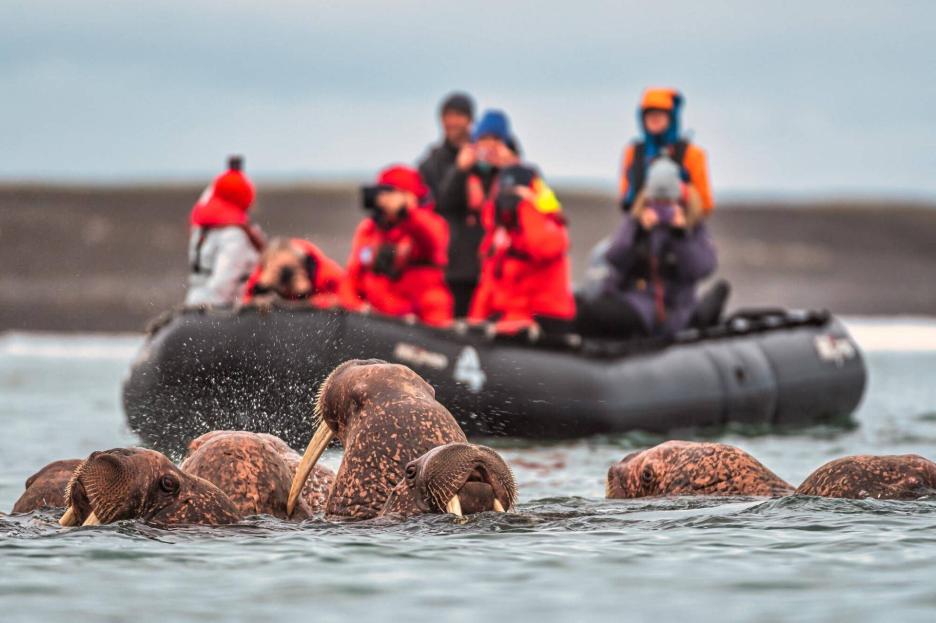
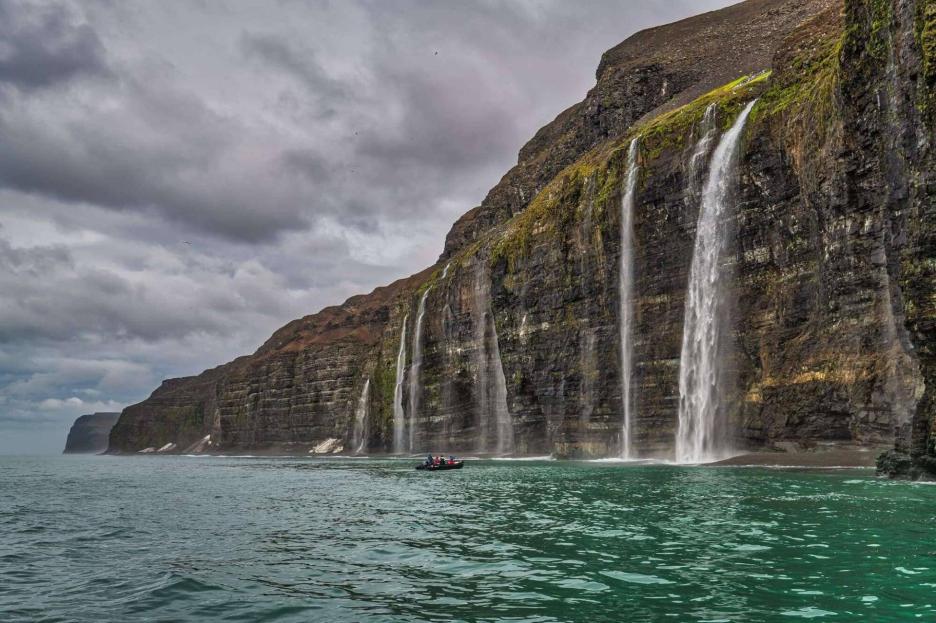
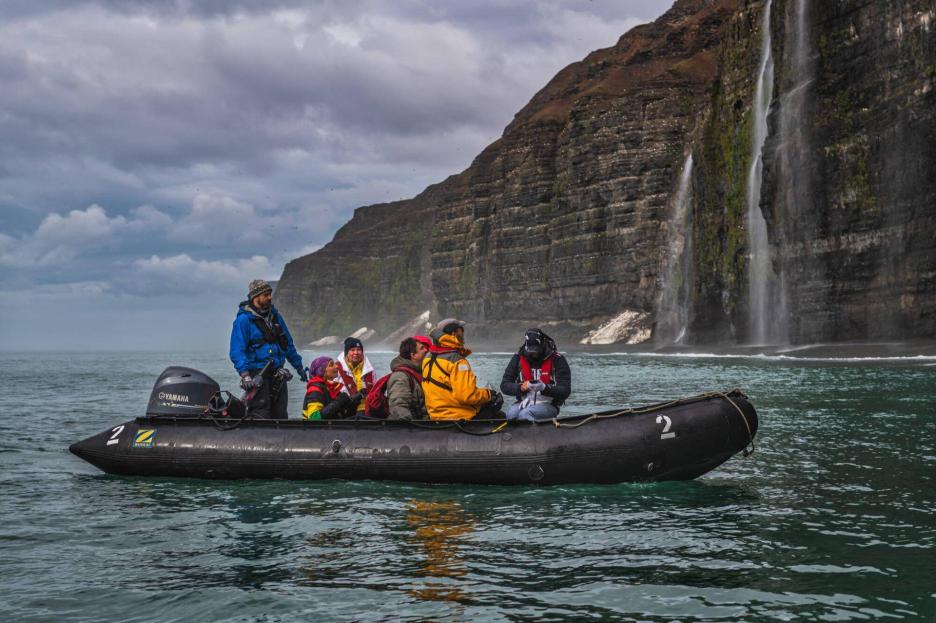
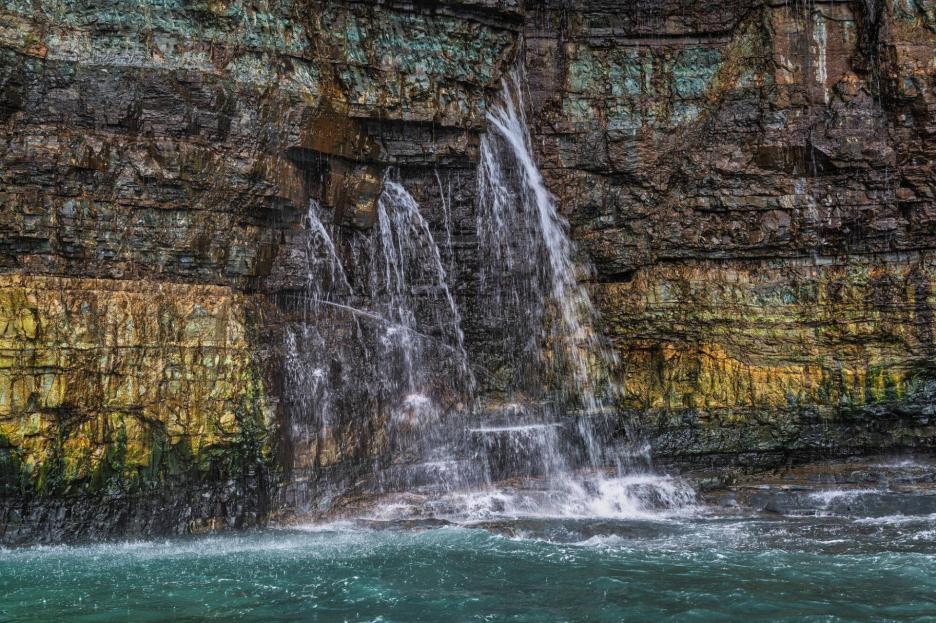
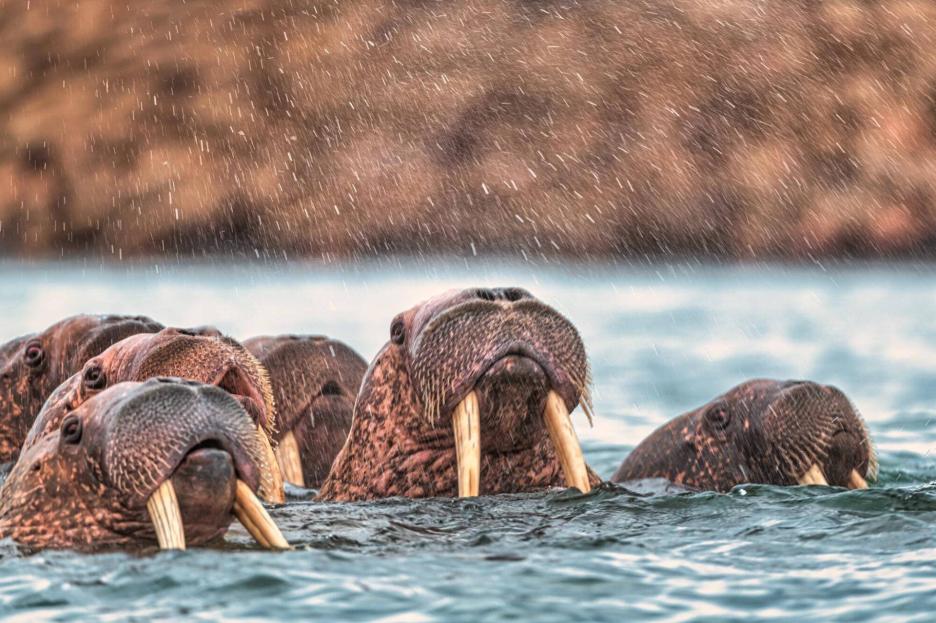
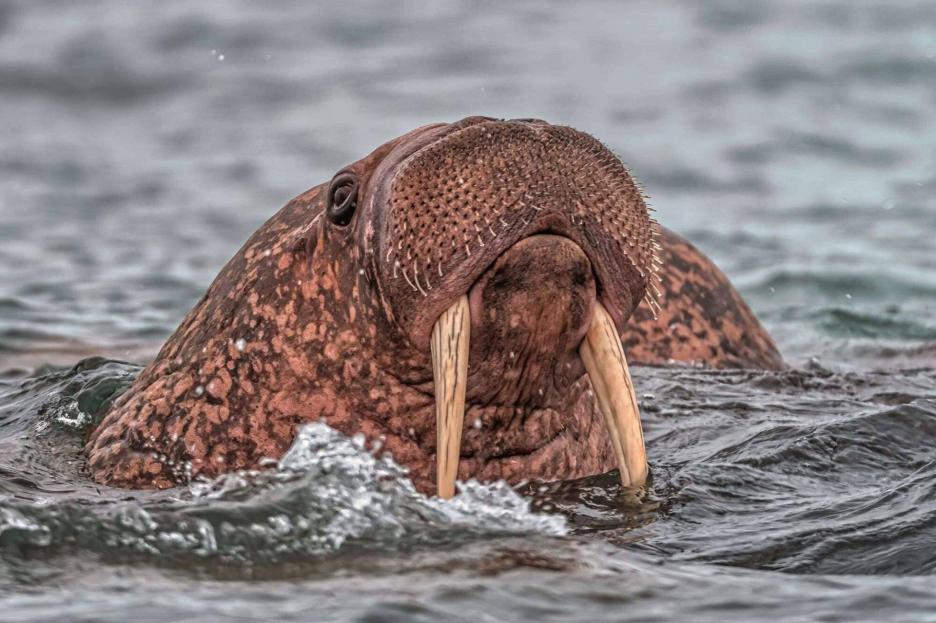
Later, you will reach Meynypilgyno Village (locals call it Maina). Here, the vessel will anchor, and expedition boats will take you to observe walrus rookeries and waterfalls cascading into the sea. Brown bears may also appear nearby.
There is a museum of Chukchi culture in the village. Nearby, a large population of critically endangered spoon-billed sandpipers spends the summer. A special incubator was built close to Maina, where international ornithologists breed chicks to release them into the wild.
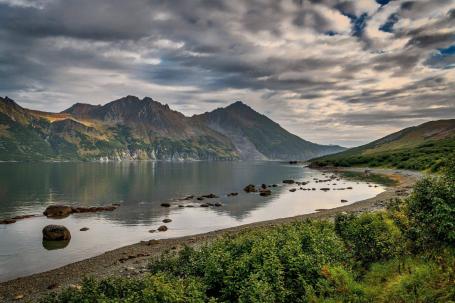
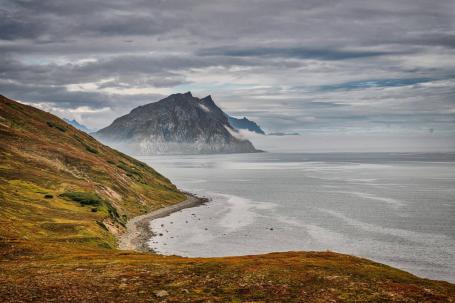
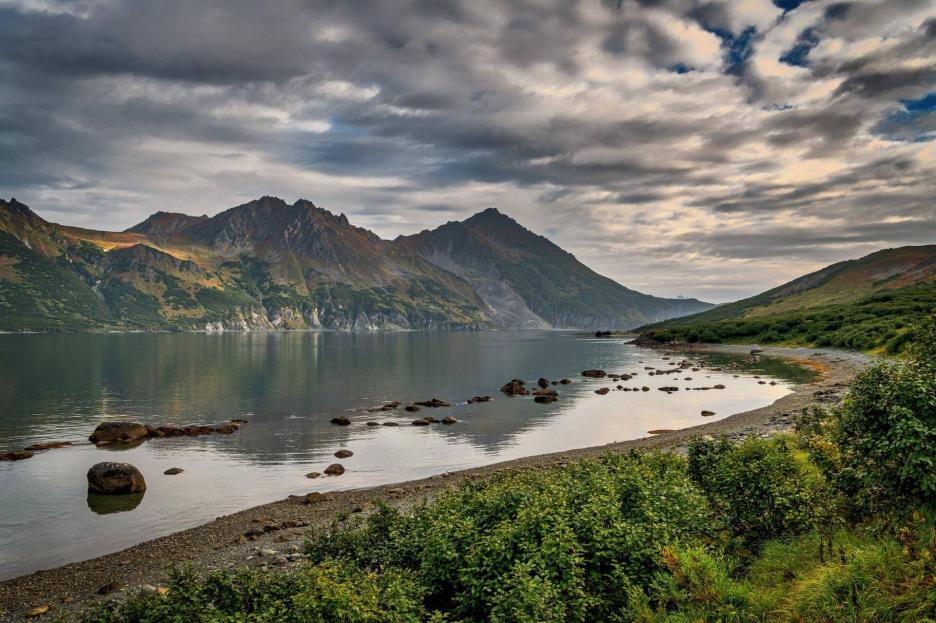
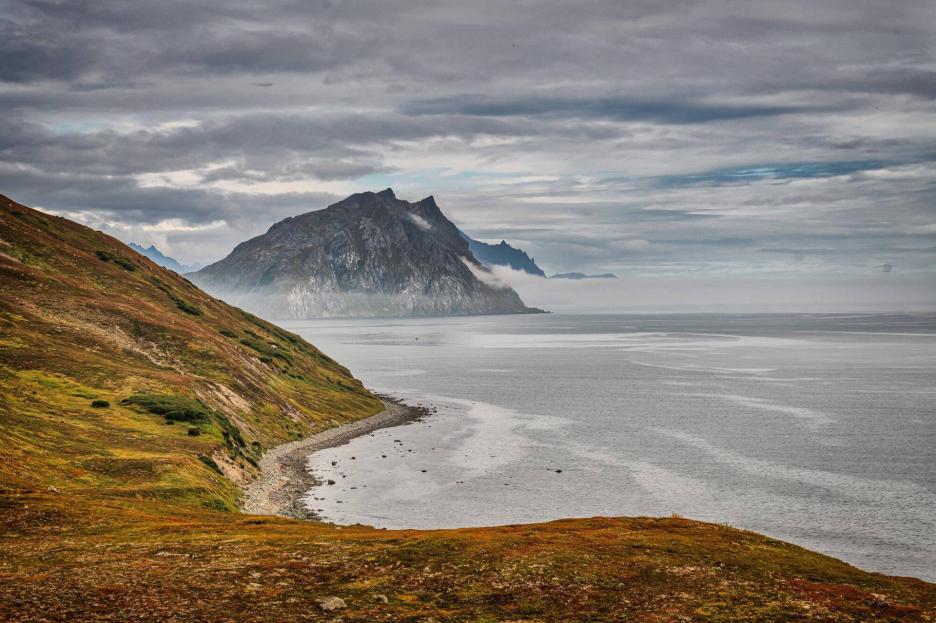
The ship will approach Pavel’s Bay, a long curved fjord with green hills, and nearby Peter’s Bay. Expect breathtaking mountain landscapes and tundra filled with berries. Snow sheep and brown bears are often seen here.
Zodiac excursions bring you closer to the Pacific walrus rookery on Bogoslova Island, located between the two bays.
In the afternoon, explore Tintikun Lagoon, separated from the sea by a sand spit and surrounded by cliffs, glaciers, and green slopes. Cruise the lagoon by expedition boat, then land on a central island and bathe in the Goven hot springs.
Sailing south through the vast Bering Sea, your companions will be whales and seabirds. These days are perfect for observing the sea, sharing impressions, and enjoying lectures and informal conversations with the expedition team.
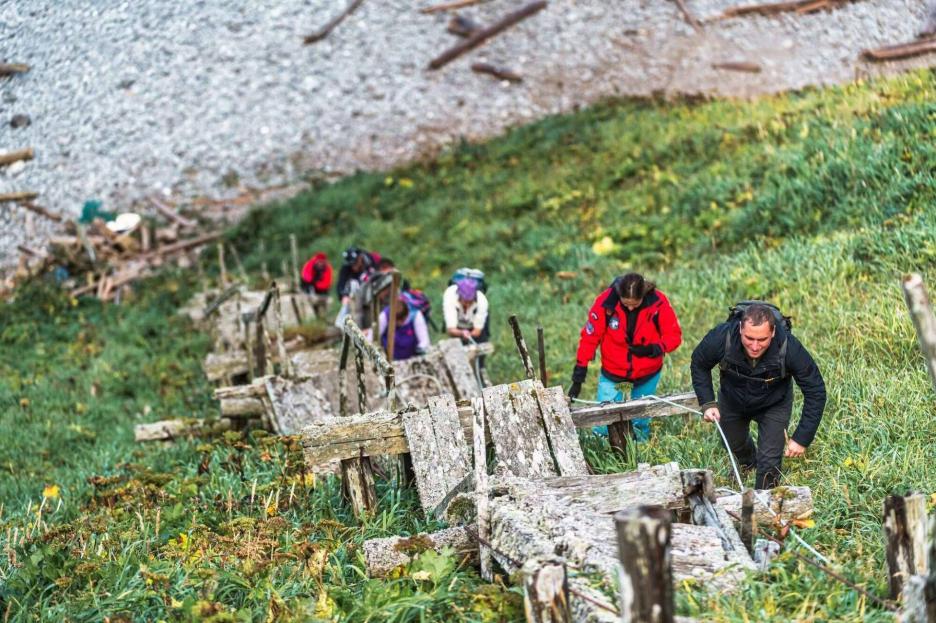
For four days, you will explore the remote Commander Islands, discovered in 1741 by Commander Vitus Bering. You will visit all four islands of the national park, admiring waterfalls, sand dunes, and diverse landscapes.
You will start with Nikolskoye, the only settlement on the islands. The local museum features a skeleton of a Steller’s sea cow, extinct since the 18th century. Explore beaches for semi-precious stones and tundra for Arctic berries.
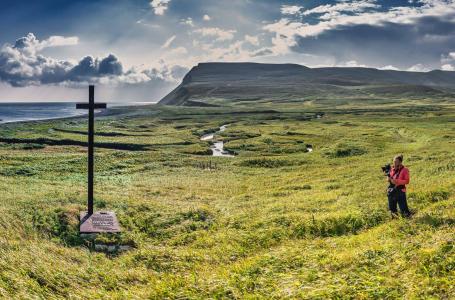
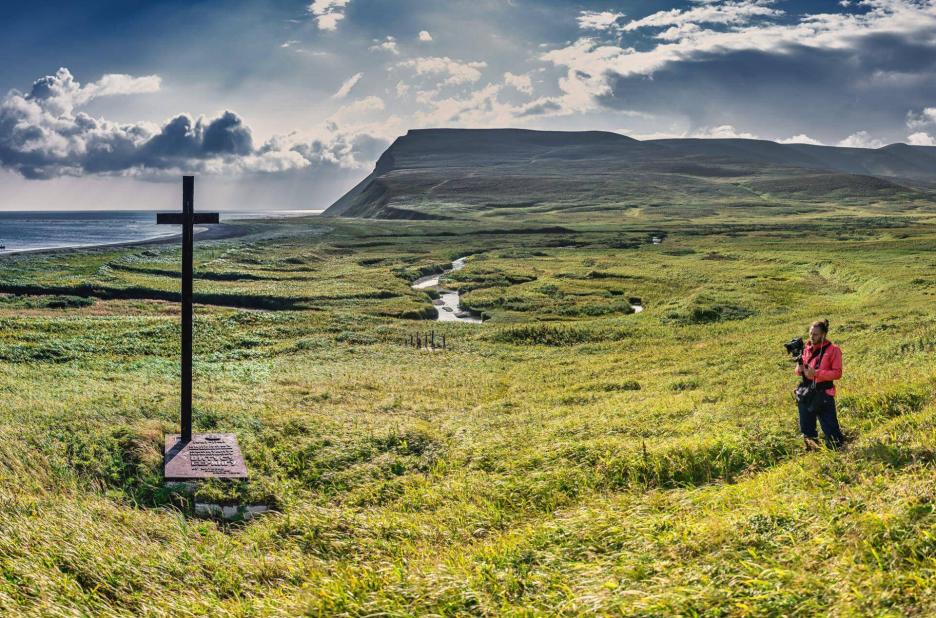
Commander's Bay holds the graves of Vitus Bering and several expedition members who perished during the harsh winter.
You will see an abundance of marine mammals: Steller sea lions, fur seals, sea otters, and rare Stejneger's seals. The waters off southern Bering Island host sperm whales, fin whales, humpbacks, northern minke whales, and orcas.
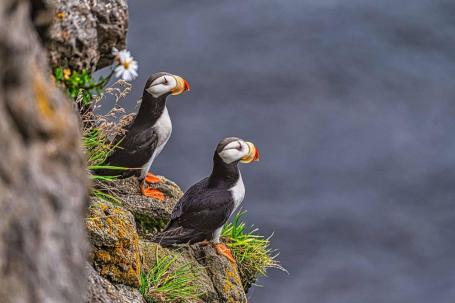
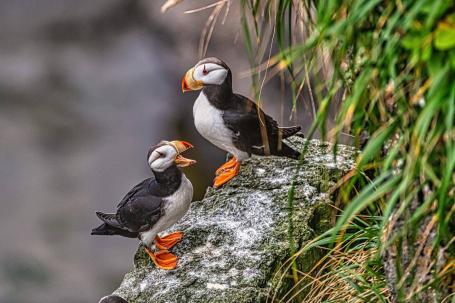
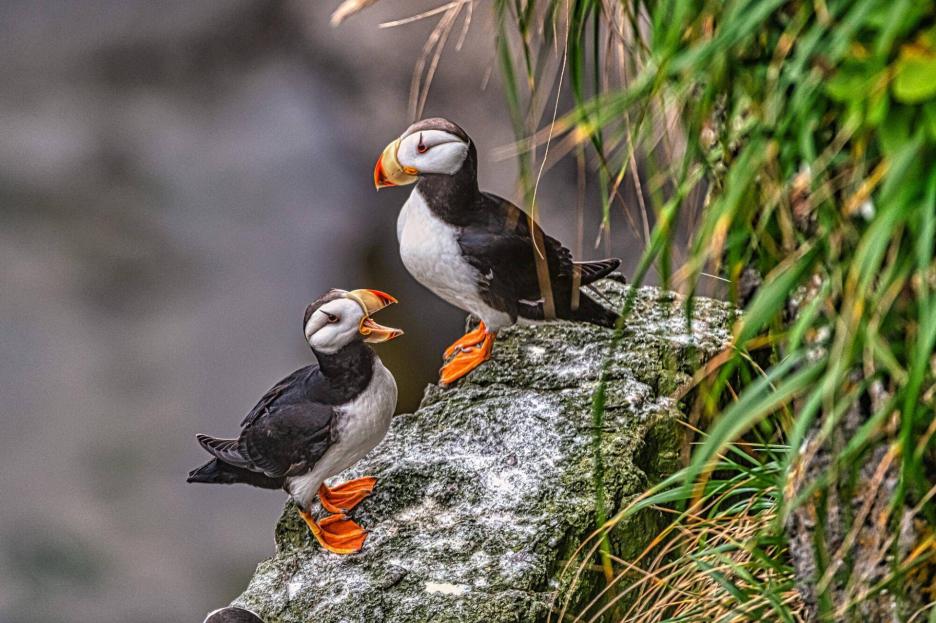
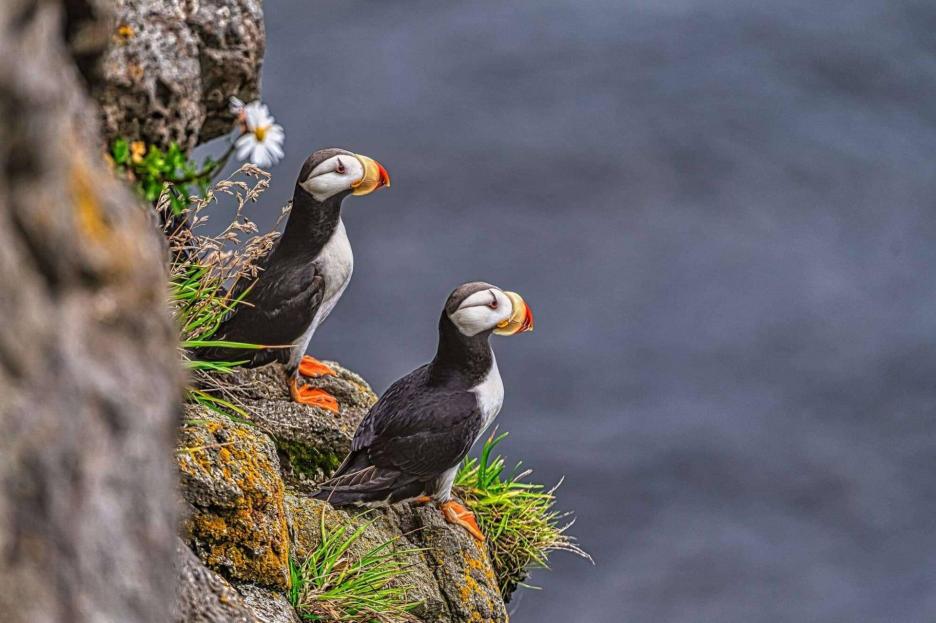
Zodiac excursions will take you to the bird colonies of Tufted Puffin Rock and Kamen Ariy islands, home to tufted puffins, horned puffins, and red-faced cormorants. Care is needed not to disturb nesting sites.
Traveling upstream by expedition boats, you will try your luck catching rainbow trout. Other possible catches include pink, coho, chum, and chinook salmon, grayling, and char. Along the way, you may spot Steller’s sea eagles, the largest eagles on Earth, with wingspans reaching up to 2.5 meters. Brown bears feeding on spawning salmon are also a common sight here
In the afternoon, the ship will set a course for Kamchatka. During the 20-hour crossing, the expedition team will share stories about the nature and history of the region.
The ship arrives in Petropavlovsk-Kamchatsky, located on Avacha Bay, the largest natural harbor in the world. On the starboard side, see Kamchatka’s “home” volcanoes: Avachinsky, Koryaksky, and Kozelsky. The Zhupanovskaya Sopka massif, composed of four volcanoes, will also come into view.
From the port, a group transfer will take you to the airport for your onward flights.
Rates depend on the cabin type. The price is per person with double occupancy in a cabin.
The final price in USD depends on the Central Bank of Russia’s exchange rate. Please contact our manager to confirm the exact price.
We reserve the right to revise the rate in the event of significant market currency fluctuations (RUR/USD).
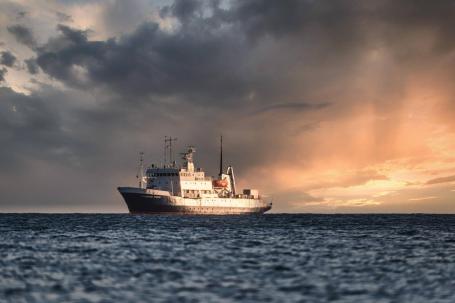
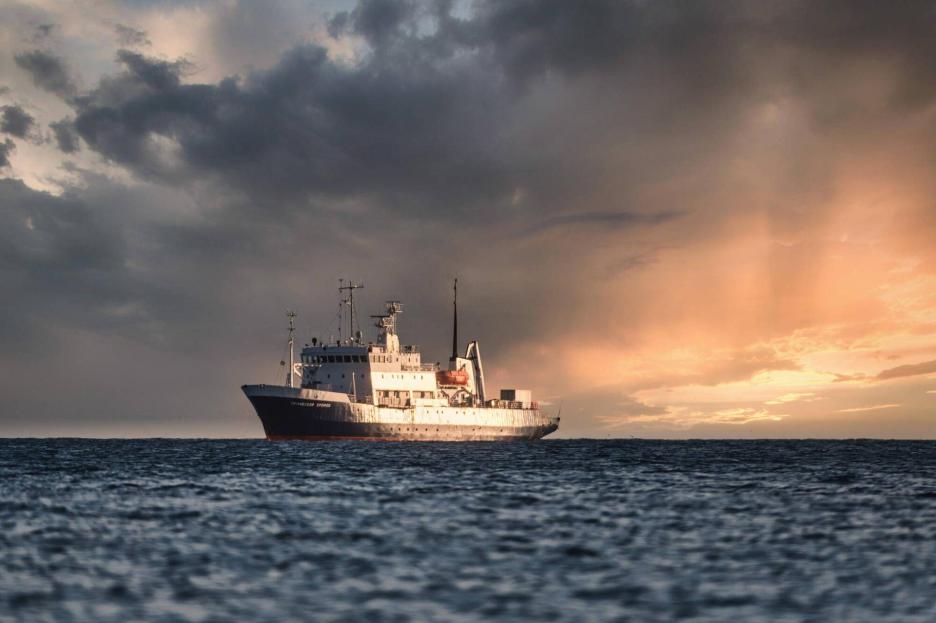
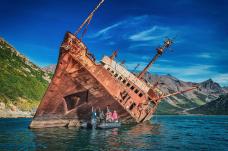
Your voyage will take place aboard the ice-class expedition vessel Professor Khromov, originally built in 1983 for polar and oceanographic research.
One of the last remaining small expedition ships still operating in the Russian Far East and Arctic, Professor Khromov is ideally suited for adventure travel. Her compact size and excellent maneuverability allow her to navigate narrow straits and anchor in secluded bays. With an Arc 5 ice class (Russian Register), she is a fully ice-strengthened vessel — perfect for true expedition cruising.
With just 46 passengers, Professor Khromov expeditions focus on getting you ashore as often—and for as long—as possible, with maximum safety and comfort.
Onboard facilities: bar, restaurant, lounge, library with themed literature, lecture hall, and sauna. Guests also enjoy access to the navigation bridge, as well as opportunities for wildlife and marine life viewing from open decks.


A 12 sq.m. cabin featuring two lower berths and one upper berth, a porthole, desk, wardrobe, bedside tables, and a washbasin. Shared toilet and shower facilities are located on the deck.


A 12 sq.m. cabin featuring two lower berths, a sofa, porthole, desk, wardrobe, bedside tables, and a washbasin. Shared toilet and shower facilities are located on the deck.


A 12 sq.m. cabin featuring an upper and lower berth, a sofa, window, desk, wardrobe, bedside tables, and a private shower, toilet, and washbasin.


A 12 sq.m. cabin featuring either two lower berths or one double bed, a sofa, window, desk, wardrobe, bedside tables, and a private shower, toilet, and washbasin.


An 18 sq.m. cabin featuring a bedroom with a double bed, a living room with a single bed, windows, TV, desk, wardrobe, bedside tables, and a private shower, toilet, and washbasin.


A 27 sq.m. suite featuring a double bedroom, a living room with a single bed and sofa, TV, fridge, closet, windows facing the bow and sides of the ship, a shower, toilet, and washbasin.


Passive relaxation and sightseeing — cruises for example. No physical activities. Good for older people.
When packing clothing and footwear, keep in mind the conditions of the Arctic region. Temperatures in the northern parts of the route can drop below zero. At times, landings may not be possible, and zodiac cruises along the coast will replace them.
The coastline can be very windy, making it feel much colder. On zodiacs, expect sea spray, so your outerwear should be waterproof and windproof. Most heat loss happens through the head, hands, and feet — be sure to give them extra attention. We also recommend bringing a small folding seat pad. For photography, don’t forget a waterproof cover for your camera.
Clothing: warm trousers, waterproof pants, thermal underwear, sweater, fleece or turtleneck, wool hat covering the ears, balaclava/scarf, warm socks, waterproof windproof jacket with hood. For the farewell evening, you may wish to bring something more formal (though high heels are not recommended).
Footwear: trekking boots (optional but recommended for longer hikes ashore). If you prefer trekking boots to rubber boots, bring them in your backpack and change into them on land. Boots with a sturdy tread provide the best grip. Rubber boots are also essential — these are usually provided free of charge on the first day of the cruise. Warm insoles are a must. If bringing your own boots, they should be mid-calf or higher, with thick ribbed non-slip soles, as some landings involve stepping into water up to 25 cm deep. Surfaces on ice and shorelines can also be slippery. Make sure your boots are comfortable to wear with wool socks. You’ll also need sandals, sneakers, or other casual shoes for onboard, plus flip-flops for the shower.
Other items: a small (preferably waterproof) backpack for landings, warm and waterproof gloves, sunglasses, rich moisturizing cream for windy weather, lip balm, binoculars, earplugs, swimwear (for sauna, hot springs, or optional polar plunge), and a towel.
Documents: passport, flight tickets, copy of insurance policy.
When booking, a 70% prepayment is sufficient. The remaining 30% must be paid 120 days before the tour starts.
You will be accompanied by an experienced expedition team: tour leader, guides, and lecturers.
Three meals a day are included:
Our chefs can cater to special dietary requirements — please inform us in advance.
Yes, medical insurance covering emergency evacuation from remote areas is mandatory. It is not included in the cruise price and must be purchased separately. We are happy to assist with arrangements — just leave a note in your booking request.
Leave your phone number
and we will definitely contact you
Thank you for contacting us!
We will contact you soon.
Booking application
Jewel of the Russian Far East 11 days
Thank you for contacting us!
We received your application and will definitely contact you to discuss the details of the trip.
We are currently receiving many requests, and we don't always manage to respond to you promptly. We will contact you during business hours, and if you left an application in the evening, we will contact you the next morning.